Staying Warm on Cold Tailwater Mornings
There’s nothing quite like the crisp air of a New Mexico morning, especially when you’re standing streamside, waiting for the sun to kiss the water. But let’s be real, those glorious sunrises often come with a serious chill, particularly on our renowned tailwaters. That bone-chilling cold can quickly turn a highly anticipated fishing trip into a shiver-fest if you're not prepared. This guide is all about helping you conquer that early morning cold, ensuring you stay warm, comfortable, and focused on landing that trophy fish.
Understanding the Unique Chill of New Mexico Tailwaters
Before we dive into the gear and strategies, it’s important to understand why New Mexico’s tailwaters, like sections of the San Juan River or below some of our large dams, can be so incredibly cold, even when the air temperature seems mild. It’s not just about the high desert mornings; there's a science to it.
The Dam Effect and Consistent Cold Flows
Tailwaters are rivers or streams located immediately downstream from a dam. The water released from the bottom of these reservoirs often comes from significant depths, where sunlight doesn't penetrate and temperatures remain consistently cold year-round. This is a huge benefit for trout, who thrive in these cold, oxygen-rich environments, but it can be a real challenge for anglers. Imagine standing in a river where the water hovers around a constant 40-50 degrees Fahrenheit, even on a warm afternoon – now amplify that for a pre-dawn winter morning.
These cold flows maintain a steady temperature regardless of the air temperature fluctuations above the surface. So, while the sun might eventually warm your face, your feet and legs, immersed in that glacial water, will feel the deep, penetrating cold. This is why standard cold-weather gear might not be enough; you need specialized protection against the relentless, damp chill that rises from the water itself. For those targeting specific areas, understanding these unique conditions is key to a successful and comfortable outing. Take a moment to learn about New Mexico Trout Fishing Rules as the regulations often reflect these unique water conditions.
High Desert Morning Temperatures
Beyond the cold water, New Mexico's high desert environment contributes significantly to those frigid early mornings. We have incredibly clear skies, which means that as soon as the sun dips below the horizon, heat radiates quickly back into space. There's little humidity to trap warmth, leading to drastic temperature drops overnight. It's not uncommon for a pleasant 70-degree afternoon to plummet into the 30s or even 20s by dawn, especially in elevation. When you combine these cold air temperatures with constant cold water, you've got a recipe for truly chilly conditions.
This combination of factors means that "staying warm" isn't just about putting on a heavy jacket. It requires a strategic approach, focusing on insulation, moisture management, and protecting your extremities from both the air and the water. If you plan on fishing these areas frequently, especially during colder months, diving deeper into Fishing New Mexico's Cold Tailwaters in Winter will provide even more tailored advice.
Mastering the Art of Layering: Your Best Defense
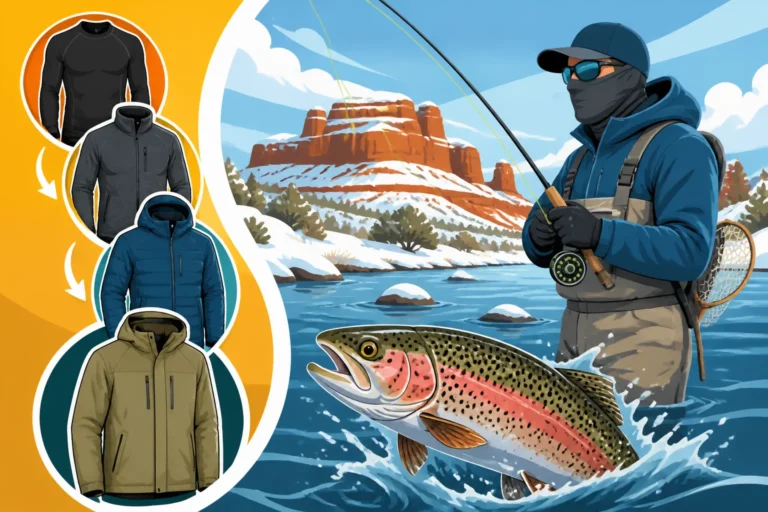
Layering isn't just a suggestion; it's practically a religion for experienced cold-weather anglers. The beauty of layering is its versatility. It allows you to add or shed clothing as temperatures change throughout the day, preventing you from getting too hot and sweaty (which can lead to a dangerous chill later) or too cold.
The Critical Base Layer: Wicking is Key
Your base layer is the foundation of your warmth system, and it's perhaps the most important layer for managing moisture. Its primary job is to wick sweat away from your skin, even if you're just hiking to your favorite spot or fighting a fish. Cotton is an absolute no-go here; once wet, cotton loses its insulating properties and will actively make you colder.
Instead, opt for materials like merino wool or synthetic fabrics (polyester, polypropylene). Merino wool is fantastic because it's soft, naturally odor-resistant, and insulates even when damp. Synthetic base layers are also excellent; they dry quickly and are often more budget-friendly. You can find excellent merino wool base layers from brands widely available at Bass Pro Shops or through retailers like Amazon. Look for mid-weight options for New Mexico's colder mornings, as they provide a good balance of warmth and flexibility. Remember, the goal is to keep your skin dry, which is the first step to staying warm.
The Insulating Mid Layers: Trapping Warmth
Once your base layer is set, your mid-layers are all about trapping body heat. This is where you build up your insulation. Think of materials that create air pockets, as trapped air is an excellent insulator. Fleece is a classic choice: it's lightweight, breathable, and warm. Polartec fleece is particularly good.
For even more warmth, consider a lightweight puff jacket or vest with synthetic insulation (like PrimaLoft or Thinsulate) or down. These pack down small but offer significant warmth. The advantage of synthetic insulation over down, especially for fishing, is that it retains much of its insulating power even when it gets damp – a common occurrence on the water. Depending on how cold it truly is, you might wear one or two mid-layers. A common setup would be a lightweight fleece over your base layer, and then a slightly heavier fleece or a thin puff jacket over that. This system is crucial, and you can explore more extensive options in Best Layering System for Winter Trout Fishing.
The Protective Outer Layer: Shielding from Elements
Your outer layer, often called a shell, is your shield against the external elements: wind, rain, and spray. While it doesn't provide much insulation on its own, it's vital for protecting your inner layers from getting wet and for preventing heat loss due to wind chill. Look for a waterproof and windproof jacket. Breathability is also important to prevent sweat buildup, so materials like Gore-Tex or similar proprietary waterproof-breathable membranes are ideal.
Your outer layer should be sized to comfortably fit over all your base and mid-layers without feeling restrictive, allowing for full range of motion for casting and maneuvering. A good outer shell, paired with appropriate Best Waders for New Mexico Rivers, completes your primary defense against the elements. Don't forget about leg protection either! Waterproof and insulated wading pants or bibs that go under your waders can make a huge difference in keeping your lower half comfortable in frigid water.
Essential Extremities: Hats, Gloves, and Socks
Heat escapes most readily from your head and extremities, so protecting these areas is non-negotiable.
- Headwear: A warm beanie or wool cap is essential. Consider one that covers your ears. If it's truly brutal, a balaclava can provide excellent face and neck protection.
- Gloves: This is often the trickiest part for anglers, as you need dexterity. Many opt for fingerless gloves or convertible mittens that expose your fingertips for tying knots and handling line but cover them when not actively fishing. Neoprene gloves or wool gloves with a waterproof shell are good options. Keep a spare pair in your bag; wet gloves are useless gloves.
- Socks: Layering applies here too. Start with a thin, moisture-wicking synthetic or merino wool liner sock, and then add a thicker, insulating wool sock over it. Again, avoid cotton at all costs. The right socks, combined with quality Best Wading Boots for New Mexico's San Juan River, will keep your feet from becoming blocks of ice.
Here's a quick look at ideal layering components:
| Layer Type | Material Recommendations | Primary Function | Considerations |
|---|---|---|---|
| Base Layer | Merino Wool, Synthetic (Polyester) | Wicks moisture, light insulation | Avoid cotton; snug fit for effective wicking |
| Mid Layer | Fleece, Synthetic Down, Down | Traps body heat, insulation | Synthetic insulates when wet; multiple thin layers best |
| Outer Layer | Waterproof/Breathable Shell (Gore-Tex) | Windproof, waterproof, protects inner layers | Roomy fit over other layers; durable and breathable |
| Headwear | Wool, Fleece, Synthetic | Prevents heat loss from head | Covers ears; balaclava for extreme cold |
| Handwear | Neoprene, Wool, Convertible Mittens | Protects hands, maintains dexterity | Bring spares; fingerless/convertible for fishing |
| Footwear | Merino Wool Socks, Synthetic Socks | Wicks moisture, insulates feet | Layering socks; pair with insulated wading boots |
Beyond Clothing: Other Strategies for Staying Warm
While your clothing system is paramount, there are other strategies and pieces of gear that can significantly boost your comfort levels on those frigid tailwater mornings.
The Power of Warm Beverages and Fuel
Staying warm isn't just about external layers; it's also about fueling your internal furnace.
- Warm Beverages: A thermos filled with hot coffee, tea, or even just hot water can feel like a lifeline. Sipping something warm helps raise your core body temperature from the inside out and provides a comforting mental boost. Plus, those quick breaks for a hot drink are a great excuse to survey the water, as is detailed in Fly Fishing Techniques for New Mexico Rivers.
- High-Energy Snacks: Your body burns calories to stay warm. Pack high-energy, easy-to-eat snacks like trail mix, energy bars, nuts, or even a pre-made sandwich. Eating regularly provides your body with the fuel it needs to generate heat. Avoid anything that requires extensive preparation or refrigeration, as it’s often more hassle than it’s worth in the cold.
Hand and Toe Warmers: Small but Mighty
These small, air-activated packets are absolute lifesavers and often overlooked by less experienced anglers. Disposable hand and toe warmers are designed to provide hours of consistent, gentle heat.
- Hand Warmers: Slip them into your gloves or coat pockets. When your hands get chilled, just holding them for a few minutes can make a world of difference in restoring feeling and comfort.
- Toe Warmers: These adhere to the outside of your socks (not directly on your skin to avoid burns) and can keep your feet toasty inside your wading boots.
You can grab a bulk pack from Amazon before your trip or find them at nearly any sporting goods store. They're cheap, lightweight, and can literally save your day.
The Right Waders and Boots: Your Water Barrier
We touched on this briefly in the layering section, but it deserves its own spotlight. Your waders are your primary barrier against the cold water, and your boots provide insulation and traction.
- Waders: For cold tailwater mornings, chest waders are essential, not hip waders. Neoprene waders offer more inherent insulation than breathable waders, but they can be bulky. Breathable waders, when paired with appropriate insulating layers underneath (like fleece pants or insulated wading bibs), offer greater flexibility and comfort for hiking, and you can adjust your insulation based on the conditions. Ensure your waders fit well – too tight, and they'll restrict blood flow, making you colder; too loose, and they'll be cumbersome.
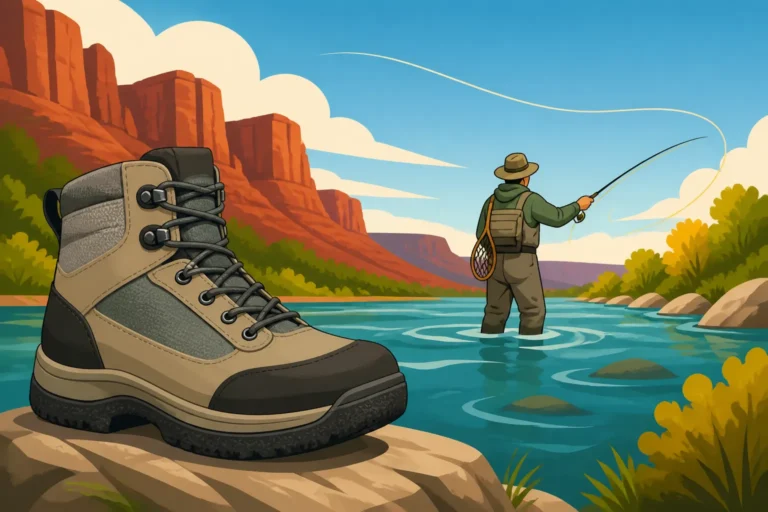
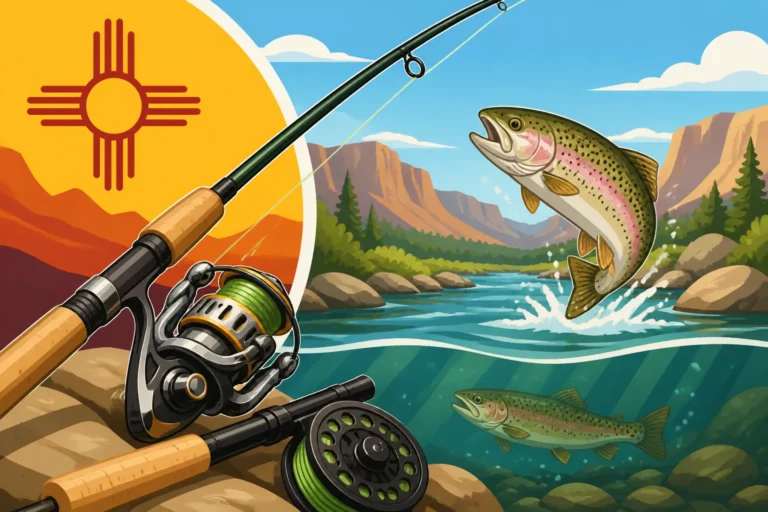
- Wading Boots: Your wading boots need to be sized up to accommodate thick wool socks. Many quality wading boots offer some insulation, but their main job is to provide stability and protect your feet. Proper studding or felt soles are crucial for grip on slippery river rocks, especially in the cold where your balance might be slightly off. Good quality wading boots are an investment, but they'll last you many seasons. For those serious about their setup, consider reading Best Rods and Reels for New Mexico Trout Fishing to ensure your gear is fully optimized.
Planning Your Morning Strategy
Preparation isn't just about what you wear; it's also about how you approach the fishing day. A well-thought-out plan can make all the difference between an enjoyable, warm morning and a miserable, short one.
Checking Forecasts and River Flows
Knowledge is power, especially when facing Mother Nature's moods.
- Weather Forecasts: Always check the detailed forecast for the specific location you plan to fish, not just the nearest town. Look for predicted low temperatures, wind speed and direction, and any precipitation. Wind chill can make a 30-degree morning feel like 15 degrees, and that's vital information for your layering choices.
- River Flows and Temperatures: Many tailwaters have publicly available data on current river flows and water temperatures. This information is invaluable. Higher flows can mean faster, colder water and more difficult wading. Extremely low water temperatures can indicate truly severe conditions, signaling that you might need extra layers or even consider a different approach that day. Resources that monitor Checking River Flow Before Fishing the San Juan are readily available and should be consulted before you even leave home. This helps you prepare for the specific challenges of a particular day on a given stretch of river.
Strategic Timing and Movement
You don't always have to hit the water at first light, especially if the morning promises to be exceptionally cold.
- Delaying Your Start: Sometimes, waiting an hour or two for the sun to get higher and directly hit the water can make a huge difference in comfort. The fishing might still be excellent once the water slightly warms and fish become more active. If you're targeting a San Juan River Quality Waters Section, for example, trout feeding patterns might not be strictly tied to first light anyway.
- Stay Active: Movement generates body heat. While fishing, try to stay active by walking a bit between spots, doing some light stretches, or even just wiggling your toes inside your boots. Avoid prolonged periods of standing still in the coldest part of the water if you're feeling the chill. If you're doing a lot of bank fishing or hiking between spots, maintaining a steady, low-impact pace can keep your blood flowing.
Emergency Preparedness and Extra Gear
Even with the best planning, things can go wrong. Being prepared for unexpected situations is crucial.
- Extra Layers: Always pack at least one extra insulating layer, like a fleece jacket or a light down vest, in a waterproof dry bag. If one layer gets wet or conditions worsen unexpectedly, you'll be grateful for a dry backup.
- Basic First Aid: A small kit with essentials like bandages, antiseptic wipes, and pain relievers is always a good idea. Also, include any personal medications you might need.
- Headlamp: Even if you plan to fish during daylight, a reliable headlamp is essential for setting up before dawn or packing up after dusk. Cold fingers make fumbling in the dark even worse. For more on this, check out Best Headlamp for Night Fishing in New Mexico.
- Communication: Ensure your phone is charged and ideally, tell someone where you're going and when you expect to return, especially if you're fishing alone in a remote area.
Staying warm on those cold New Mexico tailwater mornings is entirely achievable with the right preparation and gear. It transforms a potentially uncomfortable ordeal into a genuinely enjoyable experience, allowing you to focus on the magic of the moment and the thrill of the catch. So layer up, fuel up, and embrace the chill – the fish are waiting!
Disclaimer
This article is for general informational purposes only and does not constitute professional advice. Laws, prices and regulations vary by location and change over time. Consult a qualified professional for guidance on your specific situation.