Best Layering System for Winter Trout Fishing
Stepping out to chase trout in New Mexico during the winter months can be an absolutely magical experience – crisp air, stunning snow-dusted landscapes, and often less crowded waters. But let's be real: that magic can quickly turn into misery if you're not dressed for the occasion. The high desert cold, especially with that infamous New Mexico wind or unexpected moisture, can cut right through you, making every cast a shiver-inducing ordeal. This guide is all about helping you understand how to build a smart, adaptable layering system so you can stay warm, dry, and focused on the fish, no matter what the New Mexico winter throws your way.
Understanding the Challenges of New Mexico Winter Fishing
New Mexico's winter angling offers unique beauty, but it also presents a formidable challenge when it comes to staying comfortable. It's not just about "cold"; it's about the kind of cold we often experience here, coupled with dramatic shifts throughout the day.
The Unpredictable High-Desert Chill
Anyone who has spent time in New Mexico knows that our winters are a breed apart. We don't always get the damp, penetrating cold of coastal regions; instead, it's often a dry, biting chill that feels like it sucks the warmth right out of your bones. Add to that the often relentless wind, which, even on a seemingly mild day, can create a wind chill that makes your exposed skin tingle and burn. You might start your morning bundled up in every piece of clothing you own, feeling the crunch of frost underfoot. Then, as the sun climbs higher in that brilliant blue New Mexico sky, suddenly you're sweating under all those layers. But don't get too comfortable – a cloud passing over, or the sun dipping behind a peak, can send shivers down your spine almost instantly. This kind of rapid temperature fluctuation is precisely why a static, heavy coat just doesn't cut it. You need versatility, the ability to add or subtract warmth at a moment's notice, without having to strip down to your underwear behind a juniper bush.
The Risk of Hypothermia and Discomfort
Beyond just being uncomfortable, being improperly dressed for winter fishing in New Mexico carries genuine risks. Hypothermia isn't just for extreme mountaineers; it can set in even at relatively mild temperatures if you get wet and stay wet. Imagine wading into a stream like the San Juan, feeling the current tug at your legs, and then accidentally taking a misstep that sends a splash over the top of your waders. If your layers beneath aren't designed to handle moisture or wick it away effectively, that cold water can quickly lead to a dangerously chilled core. Even if you avoid a full dunk, sweat buildup from exertion can have a similar effect. When your sweat-soaked base layers cool, they pull heat from your body, chilling you from the inside out. This isn't just unpleasant; it distracts you from the joy of fishing and can even impair your judgment. For more on navigating the cold, check out our guide on Winter Fishing in New Mexico. Staying truly warm means staying truly dry, and that starts with understanding how each layer works together.
The Core Principles of a Successful Layering System
Building a successful layering system isn't just about throwing on a bunch of clothes. It's about selecting specific types of garments that work in harmony to manage your body temperature, wick away moisture, and protect you from the elements. There's a simple, yet powerful, mantra that guides this process: Wick, Insulate, Protect.
The "Wick, Insulate, Protect" Mantra
This three-pronged approach is the bedrock of staying warm and dry in any cold-weather environment, especially when you're engaging in an activity like fishing that involves periods of exertion followed by stillness.
-
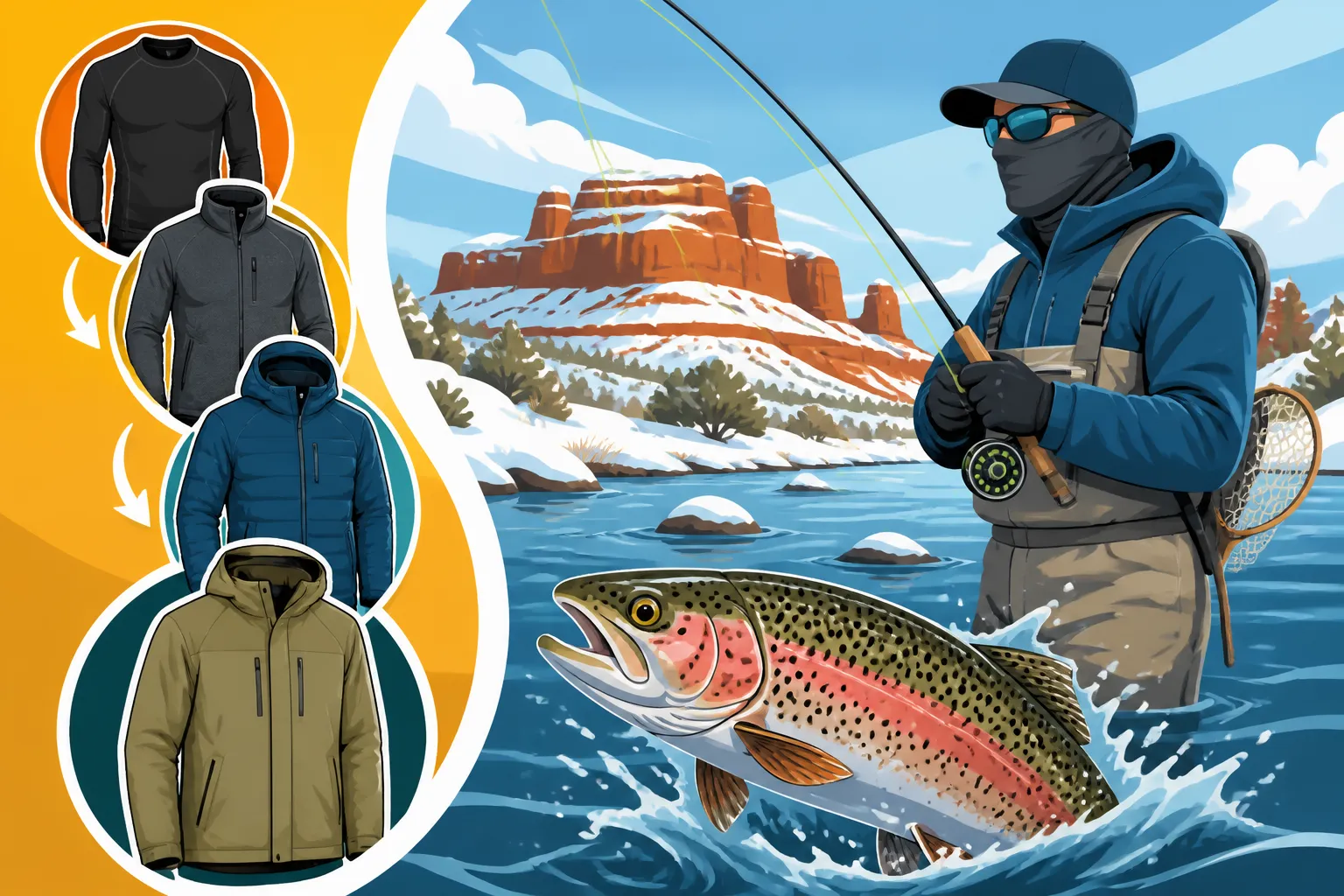
Wicking (Base Layer): Your base layer is the first line of defense against discomfort and cold. Its primary job is not to make you warm, but to manage moisture. As your body produces sweat, this layer needs to pull that moisture away from your skin and transfer it to the outer layers where it can evaporate. Why is this so crucial? Because wet skin loses heat far more rapidly than dry skin. Cotton is the absolute enemy here; it absorbs moisture and holds it against your skin, making you feel clammy and quickly chilled once you stop moving. Instead, look for materials like merino wool or synthetic fabrics (polyester blends). Merino wool excels because it insulates even when damp and has natural odor-resistant properties, which is a nice bonus if you're on a multi-day trip. Synthetics are fantastic because they dry incredibly fast and are often more affordable.
-
Insulating (Mid Layer): This is your core warmth provider. The mid layer's job is to trap warm air close to your body, creating a thermal barrier against the cold. The thicker and fluffier this layer, the more air it can trap, and thus, the warmer it will be. Common materials include fleece (which comes in various weights, from light to heavy), synthetic puff jackets, or even down vests or jackets. The key here is versatility. You might choose a lighter fleece for active days or milder cold, and a heavier, more substantial puffy jacket for bitter temperatures or extended periods of standing still, perhaps while waiting for a bite on a frozen lake. This layer is usually the one you'll add or remove most frequently as your activity level and the external temperature change throughout the day.
-
Protecting (Outer Layer): Your outer layer, often called your shell, is your shield against the external environment. Its main functions are to block wind and repel rain, snow, or splashes from the water. This layer needs to be windproof to prevent cold air from penetrating your insulation and waterproof or highly water-resistant to keep you dry from the outside in. Materials like Gore-Tex or similar proprietary waterproof/breathable membranes are excellent choices, as they allow internal moisture (sweat vapor) to escape while preventing external moisture from getting in. This maintains the integrity of your wicking and insulating layers. A good outer layer should also be durable enough to withstand snags from branches or abrasive rocks. When considering gear for very specific conditions, like New Mexico Trout Fishing Rules on a blustery day, a quality outer layer becomes non-negotiable.
Adapting to Activity Levels and Changing Conditions
One of the biggest mistakes anglers make is dressing for the coldest possible moment and then failing to adapt. New Mexico's weather, particularly in winter, demands flexibility. Think about your day: Are you hiking a mile into a remote stretch of river, or are you primarily standing still, casting from the bank?
If you're going to be hiking, you'll generate a lot of body heat, so you might start with fewer layers, or at least a lighter mid-layer, and carry your heavier insulation in your pack. Once you reach your fishing spot and settle down, that's when you layer up. Conversely, if you're primarily stationary, like ice fishing or still-water angling, you'll need more insulation from the get-go.
Consider the time of day, too. Mornings are almost always the coldest, often with frost or even ice. As the sun gets high, especially in the clear New Mexico air, temperatures can climb significantly. Being able to shed a mid-layer or even just open your outer shell for ventilation is crucial to prevent overheating and sweating. Because, as we discussed, sweat equals cold. On days when a cold front is rolling through, or the wind is predicted to pick up dramatically, you might pack an extra heavy mid-layer or ensure your outer shell is absolutely top-notch. Being prepared for a sudden shift is key, especially when you're far from your vehicle. Don't forget to account for how Fishing During a Cold Front can impact your comfort levels.
Building Your New Mexico Winter Trout Fishing Layering System (Step-by-Step)
Now that we understand the principles, let's break down each layer you'll need to stay toasty and dry while pursuing those winter trout.
Layer 1: The Foundation – Base Layers
Your base layer is in direct contact with your skin, making its material choice absolutely critical. This isn't where you want to cut corners.
-
Material Deep Dive:
- Merino Wool: This is often considered the gold standard for base layers, and for good reason. Merino wool is incredibly soft (not itchy like traditional wool), highly breathable, and can regulate body temperature efficiently. Crucially, it retains much of its insulating properties even when wet – a huge advantage if you work up a sweat or get splashed. It's also naturally anti-microbial, meaning it resists odors, which is a major plus for multi-day trips or for leaving a smaller footprint on the trail.
- Synthetics (Polyester, Polypropylene): Modern synthetic base layers are fantastic alternatives. They excel at wicking moisture rapidly and drying very quickly. They are typically more durable than merino wool and often more affordable. While they don't have the natural odor resistance of wool, many come with anti-microbial treatments.
- Avoid Cotton: I can't stress this enough: Never wear cotton as a base layer in cold weather. Cotton absorbs moisture and holds it, becoming heavy, cold, and slow-drying. It will actively draw heat away from your body, making you feel much colder than you should.
-
Weight Considerations: Base layers come in different weights: lightweight, midweight, and heavyweight.
- Lightweight: Good for highly active days or slightly milder cold, offering excellent moisture wicking.
- Midweight: The most versatile choice for general New Mexico winter fishing, providing a good balance of warmth and wicking.
- Heavyweight: Reserved for extremely cold conditions or for anglers who tend to run very cold.
-
Examples: Think long johns (bottoms) and a long-sleeve crew neck or zip-neck shirt (top). The zip-neck design is excellent for ventilation control. You can find a wide variety of quality base layers on Bass Pro Shops or Amazon, often with different blends and technologies to suit your specific needs and budget.
Layer 2: The Heart of Warmth – Mid Layers
This is your primary insulation layer, designed to trap warm air and keep it close to your body. You might even have a couple of different mid-layers to choose from, depending on the day's forecast.
-
Material Deep Dive:
- Fleece: A perennial favorite for good reason. Fleece is lightweight, breathable, and provides excellent warmth-to-weight. It also retains some insulating properties when damp. Fleece comes in various thicknesses (100-weight, 200-weight, 300-weight), with higher numbers indicating more warmth.
- Synthetic Puffers: These jackets are filled with synthetic insulation designed to mimic the loft and warmth of down, but with the added benefit of performing better when wet. They're often highly compressible, making them easy to pack.
- Down Jackets/Vests: Down offers incredible warmth for its weight and is supremely packable. However, down loses most of its insulating power when wet, so it's often best used in very dry conditions or as an interior layer with a robust waterproof outer shell.
-
Choosing Your Mid Layer: Consider the expected temperatures and your activity level. If you're going Ice Fishing in New Mexico, you might opt for a thicker fleece or a robust puffy jacket. For river wading where you're constantly moving, a lighter fleece might suffice, allowing you to stay active without overheating. The beauty of this layer is its adjustability; you can easily add or remove it as conditions demand.
Layer 3: The Shield – Outer Layers
Your outer layer is your essential protective shell. It needs to be tough, waterproof, and windproof to keep the elements at bay.
- Material Deep Dive:
- Waterproof/Breathable Shells: Look for jackets and pants (or fishing bibs) made with materials like Gore-Tex, or other advanced proprietary membranes from brands like Columbia or Simms. These fabrics are engineered with microscopic pores that are small enough to prevent water droplets from getting in but large enough to allow water vapor (sweat) to escape. This is crucial for staying dry both from rain/snow and from your own exertion.
- Insulated vs. Uninsulated Shells: For New Mexico winter trout fishing, an uninsulated shell paired with good mid-layers often offers the most versatility. This allows you to fine-tune your insulation by adjusting your mid-layers. However, if you plan to spend extensive time in truly frigid conditions and prefer fewer layers, an insulated waterproof jacket might be an option.
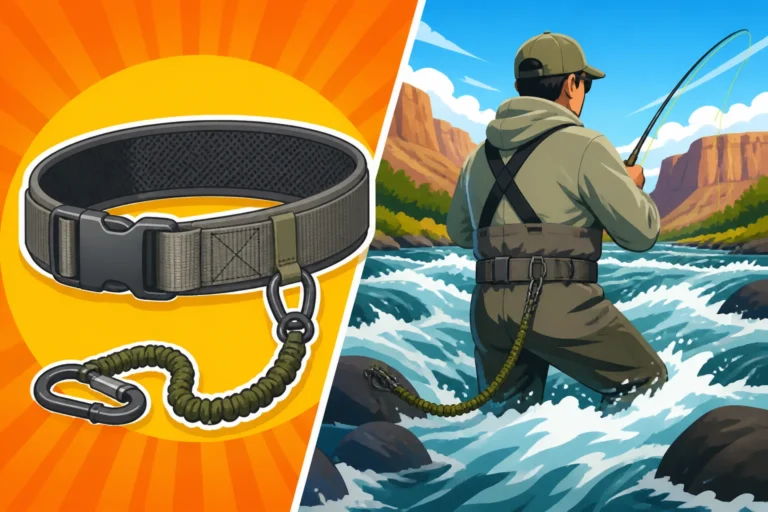
- Wading Gear: This is where specialized fishing gear comes into play. High-quality waterproof waders, often made from neoprene for insulation or breathable fabrics for versatility, form a critical part of your outer layer system from the waist down. Pair these with warm base and mid-layers beneath. A good pair of waders, combined with the right underlayers, is paramount for safety and comfort. Our guide on Best Waders for New Mexico Rivers offers some excellent advice here.
Beyond the Core: Extremities and Accessories
Don't forget the importance of protecting your head, hands, and feet. These extremities lose heat quickly and can make you miserable if not properly insulated.
- Headwear: A significant amount of body heat can escape through your head. A warm, insulated beanie or a full balaclava (especially on windy days) is essential. For days with intense sun reflecting off snow or water, combine your warm hat with a cap or a wide-brimmed hat for added sun protection – even in winter, New Mexico sun is fierce. Consider checking out Best Hat for Sun Protection on Open Reservoirs.
- Gloves: This is a tricky one for anglers. You need dexterity for tying knots and handling fish, but warmth for comfort. The best solution is often a layering approach: thin, close-fitting merino wool or synthetic liner gloves for dexterity, covered by waterproof, insulated outer gloves or mitts that can be easily pulled off for tasks. Some anglers prefer fingerless gloves with a convertible mitt cover. For extreme cold, especially if you're holding a cold fishing rod for hours, consider using chemical hand warmers. You might find our Best Cold Weather Gloves for Ice Fishing article helpful.
- Socks: Just like your base layers, cotton socks are a no-go. Opt for thick merino wool or synthetic blend socks designed for cold weather. Carry an extra pair or two in your pack; there's nothing worse than cold, wet feet.
- Footwear: If you're not wading, ensure your boots are insulated, waterproof, and have good traction. For wading, your wading boots need to accommodate thick socks and provide stability on slippery riverbeds. Best Wading Boots for New Mexico's San Juan River delves into this.
- Neck Gaiter: A simple fleece or merino wool neck gaiter can make a huge difference in sealing off heat around your neck and lower face, especially on windy days.
Practical Tips and Common Pitfalls
Even with the best gear, knowing how to use it effectively makes all the difference. Here are some seasoned angler tips to keep you comfortable.
Don't Overdress (Initially)
It sounds counterintuitive, but one of the most common mistakes is starting your fishing day too warm. If you hike to your spot already sweating, those base layers will get damp, and once you stop moving, that moisture will rapidly chill you. A good rule of thumb is to start feeling slightly cool at the beginning of your activity, knowing that your body will generate heat as you move. It's much easier to add a layer than to try and cool down when you're already sweating in the middle of nowhere. Think about that initial brisk walk to a prime spot on the Rio Grande – you'll warm up fast!
The Importance of Staying Dry
This point cannot be overstated. Your entire layering system is built around the principle of moisture management. Whether it's sweat from the inside or precipitation and splashes from the outside, getting wet is the fastest way to get cold and miserable.
- Manage your sweat: If you feel yourself getting too warm, open up your outer layers, or even shed a mid-layer, to allow moisture vapor to escape.
- Protect from external moisture: Always ensure your outer shell (jacket and waders/pants) is in good condition, with no leaks. Even a light drizzle or a misplaced step into a deeper part of the stream can quickly turn a good day bad if your gear isn't repelling water effectively. Regular cleaning and re-waterproofing (DWR treatment) of your outer layers can extend their life and effectiveness. The moisture in the air or the spray from a boat on a New Mexico lake is enough to compromise your warmth if your outer layer isn't up to snuff.
Investing in Quality Where It Counts
While you don't need to break the bank on every single piece of gear, there are certain items where investing in quality truly pays off.
- Outer Shell: Your waterproof/windproof jacket and waders are critical. These are your primary defense against the elements, and a cheap, leaky shell will undermine your entire layering system.
- Base Layers: Good base layers are worth the investment for their superior wicking, comfort, and sometimes odor-fighting properties. They are the foundation of your warmth.
- Footwear/Gloves: Cold hands and feet will end your fishing day faster than anything. Quality, insulated, and waterproof options here are essential.
You can often find great deals on reputable brands that offer fantastic performance at Bass Pro Shops or Amazon. Look for sales, but prioritize performance for these key pieces.
Pack Smart and Be Prepared
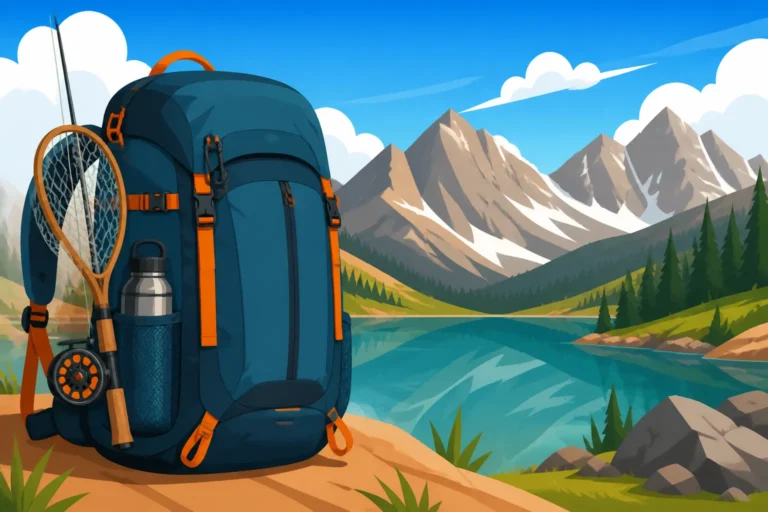
A well-packed fishing backpack can be your best friend in winter.
- Extra Extremities: Always carry an extra pair of dry socks, an extra hat, and a backup pair of gloves. If one gets wet, you have a dry replacement ready.
- Dry Bag: Consider putting your spare layers, especially any down items, inside a small dry bag within your fishing pack. This protects them from accidental splashes or unexpected rain/snow.
- Snacks and Hydration: Staying properly fueled and hydrated helps your body generate heat. Warm liquids in a thermos can be a huge morale booster.
- Emergency Gear: A basic first aid kit, a headlamp (even if you don't plan to fish into the dark), and a way to start a fire are always good ideas, especially when venturing into remote areas. For a more complete plan, refer to our Seasonal Checklist for Planning a New Mexico Fishing Trip. Staying warm and dry in winter allows you to focus on the peaceful tranquility of the water and the excitement of the catch, making for truly unforgettable angling experiences in the Land of Enchantment.
Here's a quick summary of the layering system:
| Layer Type | Function | Recommended Materials | Key Benefits | What to Avoid |
|---|---|---|---|---|
| Base Layer | Wicks moisture from skin | Merino Wool, Synthetic (Polyester) | Stays warm when damp (wool), Dries fast (synth) | Cotton |
| Mid Layer | Provides insulation/warmth | Fleece, Synthetic Puffer, Down | Traps body heat, Adds/removes easily | Bulky, non-breathable |
| Outer Layer | Protects from wind/water | Gore-Tex, Waterproof/Breathable Shell | Blocks elements, Allows sweat to escape | Non-waterproof/windproof |
| Extremities | Head, hands, feet insulation | Insulated Hat, Layered Gloves, Wool Socks, Insulated Boots | Prevents significant heat loss | Cotton socks/gloves |
Disclaimer
This article is for general informational purposes only and does not constitute professional advice. Laws, prices and regulations vary by location and change over time. Consult a qualified professional for guidance on your specific situation.