Beginner Checklist Before Your First New Mexico Fishing Trip
Stepping into the world of New Mexico fishing can feel a little daunting when you're just starting out. There's so much to learn, from what license you need to what gear to pack, and it's easy to feel overwhelmed before you even cast a line. This comprehensive guide is designed specifically for first-time anglers in the Land of Enchantment, cutting through the confusion to give you a clear, actionable checklist so you can confidently plan your initial fishing adventure.
Getting Your Permits in Order: The Absolute Essentials
Before you even think about buying a rod or picking a spot, the very first thing on your checklist must be securing the proper permits. New Mexico has a clear system, but it can be a bit different from other states, so paying close attention here will save you a headache down the road. Fishing without the correct licenses and validations is a quick way to turn a relaxing day into a costly one, and nobody wants that on their first trip.
Your Fundamental New Mexico Fishing License
The cornerstone of your fishing adventure is, of course, the New Mexico fishing license itself. This is your basic permit that grants you the privilege to fish in the state's public waters. Whether you're a resident or just visiting, you'll need one if you're over a certain age. The state offers various options, from annual licenses for those who plan to fish regularly to shorter-term choices like a New Mexico One-Day and Five-Day Fishing Licenses for tourists or folks just trying out the hobby.
Deciding which license to get often comes down to how long you plan to be fishing throughout the year. If you're going to hit the water more than a couple of times, an annual license usually makes the most financial sense. Otherwise, a shorter-term option might be perfect for that initial taste of New Mexico's incredible fisheries. You can often purchase these online, directly from the New Mexico Department of Game and Fish website, or from authorized vendors across the state.
Remember, this license is personal to you. You can't share it, and it needs to be with you whenever you're fishing. Having it readily accessible, whether on your phone or a printed copy, is crucial. For a complete rundown on how to acquire yours, check out our New Mexico Fishing License Guide.
The Required Habitat Stamp and Other Validations
Beyond the basic fishing license, New Mexico requires a few additional stamps and validations that often catch beginners by surprise. The most prominent of these is the Habitat Management & Access Validation (HMAV), which replaced what many once knew as the Habitat Stamp. This validation is generally required for anyone 18 years or older who is hunting or fishing on lands managed by the New Mexico Department of Game and Fish, Bureau of Land Management, or U.S. Forest Service. Since a vast majority of New Mexico's prime fishing spots fall under these categories, it's almost a given you'll need this.
The funds generated by the HMAV go directly towards important conservation efforts, improving wildlife habitat, and securing access for outdoor enthusiasts like us. So, while it's an extra step, it's for a good cause. Exemptions do exist, such as for certain licensed disabled anglers or those fishing during New Mexico Free Fishing Days, but for most first-timers, budgeting for this is essential.
It's vital to pair your fishing license with the correct validations. Think of it like adding extra features to your base model car – each one serves a specific purpose. Make sure to check the current regulations carefully when purchasing your license, as the requirements can sometimes be quite specific to your age and residency status. We have a detailed guide on New Mexico Habitat Stamp and Validation Requirements that can help clear up any confusion.
Deciding on Additional Fishing Validations
While the basic fishing license and the HMAV are generally non-negotiable for most adult anglers, New Mexico offers other validations that might enhance your fishing experience. One popular option for those who find themselves wanting to double their chances is the New Mexico Second Rod Validation. As the name suggests, this allows you to fish with two rods simultaneously, rather than the standard one.
For a beginner, a second rod might seem like overkill, and truthfully, it often is when you're just learning the ropes of managing one line. However, if you're planning on fishing a lake where you can sit back and let a bait soak on one rod while actively casting with another, it can be a nice luxury. Think of still-fishing for catfish with one rod while casting for bass with another. Just remember, each rod still needs to be actively attended by you.
There are also specific validations for certain activities, though they are less common for general beginner fishing. For example, if you ever decide to try snagging Kokanee salmon during their specific season, there might be a particular permit required. Always consult the official New Mexico Fishing Regulations Overview for the year you plan to fish to ensure you're fully compliant with all rules and any specific validations for the waters you intend to visit.
Outfitting Yourself: Basic Gear for New Mexico Waters
Once your paperwork is squared away, it’s time for the fun part: thinking about gear! You don't need to break the bank or buy every gadget on the market to start fishing in New Mexico. The key for a beginner is versatility and simplicity. Focus on reliable, basic equipment that will allow you to explore different types of fishing without needing a whole tackle shop.
Choosing a Versatile Rod and Reel Setup
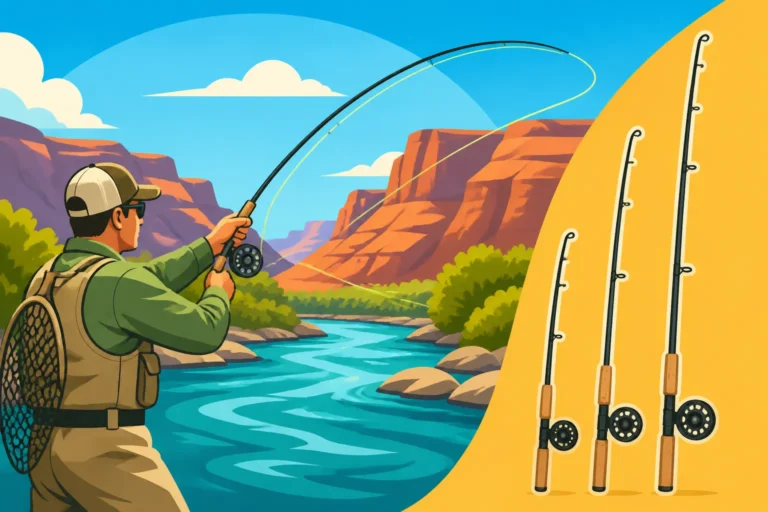
For a beginner, a medium-light to medium power spinning rod and reel combo is your best friend. This setup is incredibly versatile, allowing you to cast everything from light lures for trout to slightly heavier baits for bass or panfish. A rod length of 6 to 7 feet is a good sweet spot, offering enough casting distance without being too cumbersome, especially if you're bank fishing.
Look for a combo that feels comfortable in your hands. You don't want something too heavy or too flimsy. Reputable brands offer excellent entry-level combos that come pre-spooled with line, which is a huge convenience for beginners. You can find many great options at stores like Bass Pro Shops or even explore a wide variety online through Amazon. These places often have knowledgeable staff (or detailed reviews) that can help guide you to a good starter setup. For more specific recommendations, our guide on Best Rods and Reels for New Mexico Trout Fishing offers deeper insights.
When it comes to line, 6 to 8-pound test monofilament or fluorocarbon is a solid choice for most general-purpose fishing in New Mexico. It's strong enough for many species, forgiving for beginners, and relatively inexpensive to replace. Don't worry too much about specialized lines just yet; stick with what's easy to tie and handle.
Assembling Your First Tackle Kit
Your tackle box doesn't need to be overflowing. A small, organized box with a few key items will get you started on the right foot. Think about what fish you might realistically encounter and what lures or baits are universally effective.
- Hooks: A variety of small to medium hooks (sizes 6, 8, 10 for bait fishing, or some worm hooks for plastics).
- Weights: Split shots or small bullet weights are perfect for adding casting distance or getting your bait down.
- Bobbers: Simple clip-on bobbers are fantastic for watching bites, especially when fishing with kids or for panfish.
- Swivels and Snaps: These make changing lures quicker and can help prevent line twist.
- Lures: A few versatile lures are essential. Think about:
- Spinners: Small inline spinners (like Panther Martins or Mepps) are deadly for trout and often attract other species.
- Spoons: Casting spoons can cover a lot of water and entice various game fish.
- Soft Plastics: A bag of small grub tails or worms can be rigged in many ways and are very effective.
- Bait: For beginners, live worms, PowerBait, or corn are incredibly effective and easy to use, especially for stocked trout.
You can often find pre-made "starter kits" at places like Bass Pro Shops that contain a good mix of these essentials. While sometimes these aren't the highest quality, they provide a great base for your first few trips. For more ideas on what to stock, especially if you're targeting specific species, check out Best Tackle for New Mexico Bass Fishing or Best Lures for New Mexico Trout.
Essential Personal Comfort and Safety Items
Fishing isn't just about catching fish; it's also about enjoying your time outdoors responsibly. This means packing items for your personal comfort and safety. New Mexico's weather can be unpredictable, with intense sun, sudden storms, and fluctuating temperatures, even on the same day.
- Sun Protection: A wide-brimmed hat, polarized sunglasses (they help you see into the water!), and high-SPF sunscreen are non-negotiable. The New Mexico sun is no joke.
- Water: Staying hydrated is paramount. Always bring more water than you think you’ll need.
- Snacks: Energy bars, trail mix, or sandwiches will keep your energy up.
- Rain Gear: A lightweight rain jacket, even if the forecast looks clear, can save your day from an unexpected shower.
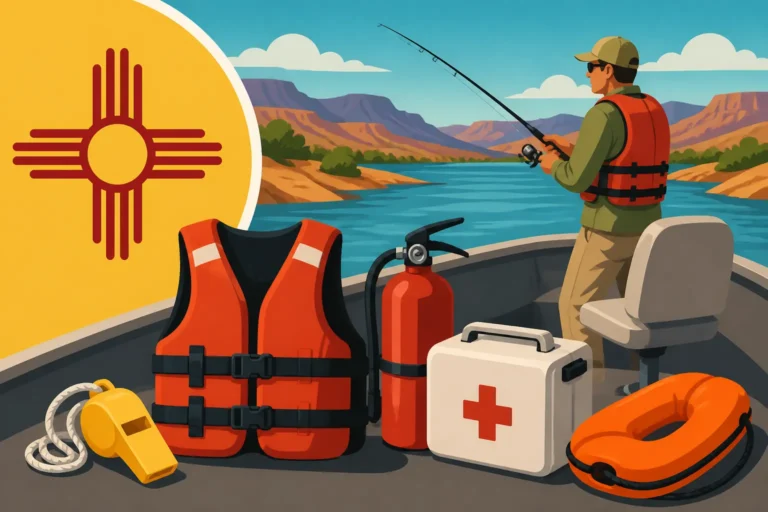
- First-Aid Kit: A small kit with band-aids, antiseptic wipes, pain relievers, and any personal medications is a must.
- Pliers/Forceps: Essential for removing hooks safely from fish (and occasionally from yourself!).
- Small Cooler: To keep your catch fresh if you plan to keep fish, and also for your drinks and snacks.
These items ensure you can focus on fishing comfortably and safely, regardless of what the New Mexico environment throws your way. Being prepared allows you to extend your time on the water and make the most of your trip.
Planning Your First Trip: Picking a Place and Time
With your license in hand and basic gear ready, the next step is deciding where and when to cast your line. For a first-timer, starting simple is key. Don't aim for the most remote or challenging waters right off the bat. Success on your first few outings will build confidence and ignite a lifelong passion.
Identifying Beginner-Friendly Fishing Locations
New Mexico boasts an incredible array of fishing locations, but some are definitely more beginner-friendly than others. For your first trip, consider urban ponds, stocked lakes, or easily accessible river sections. These spots often have amenities, clearer access, and a higher likelihood of catching something, which is a huge morale booster for a new angler.
Many community ponds and smaller lakes managed by the state are regularly stocked with rainbow trout, especially in cooler months. Places like Tingley Beach in Albuquerque, or smaller state park lakes like Storrie Lake near Las Vegas, NM, are often excellent choices. They are easy to get to, have decent bank access, and the stocked fish are generally more eager to bite. These are perfect environments to practice casting, baiting, and handling fish without the pressure of a wilderness trek. Our guide to Best Places to Fish in New Mexico can point you towards many suitable locations, highlighting accessibility and species commonly found.
When researching a spot, look for places with easy bank access. Fishing from shore is a great way to start before you consider boats or more advanced wading. Check online resources or call local bait shops – they are a treasure trove of current information on where the fish are biting and what's working best.
Understanding New Mexico's Fishing Seasons
While many popular New Mexico waters offer year-round fishing opportunities, different seasons bring different experiences and target species. For a beginner, understanding these general patterns can help you choose the best time for your first outing.
- Spring (March-May): Often considered prime time, especially for trout. As the weather warms but before the intense summer heat, trout become more active. Many lakes and rivers are heavily stocked during this period. However, be mindful of spring runoff in rivers, which can make conditions challenging.
- Summer (June-August): Can be excellent for warm-water species like bass, catfish, and crappie, especially in larger reservoirs like Elephant Butte Lake or Conchas Lake. Trout fishing often shifts to higher-elevation lakes and shaded river sections as lower waters warm up. Early mornings and late evenings are often the most productive times.
- Fall (September-November): Another fantastic season. Trout become very active again as temperatures drop, and warm-water species remain catchable. The scenery is often spectacular. Kokanee salmon also make their spawning runs in certain lakes during the fall.
- Winter (December-February): Ice fishing becomes an option in some northern lakes like Eagle Nest or Fenton Lake, but this requires specialized gear and knowledge, perhaps not ideal for a very first trip. For open water, tailwaters below dams, such as the San Juan River, offer consistent trout fishing.
For your first trip, aiming for spring or fall will generally offer the most comfortable weather and productive fishing, particularly for trout in easily accessible locations. Consult our New Mexico Fishing Season Calendar for a detailed breakdown of what to expect throughout the year.
Preparing for a Successful and Responsible Outing
A successful first fishing trip isn't just about catching fish; it's about having a positive experience and doing your part to protect New Mexico's natural resources. A little extra preparation can make a big difference in ensuring you have a great time and are ready for anything.
Staying Informed on Rules and Conditions
Even with your license and gear ready, taking a few moments before you head out to double-check current conditions and specific regulations for your chosen spot is crucial. The New Mexico Fishing Regulations Overview is updated regularly and is your ultimate source for rules, bag limits, and any special restrictions that might apply to a particular lake or river.
Conditions can change rapidly in New Mexico. Water levels at reservoirs can fluctuate, river flows can increase after rain, and local fire restrictions might impact access. Websites for the New Mexico Department of Game and Fish, U.S. Forest Service, or individual state parks often provide up-to-date information. Checking the weather forecast one last time is also vital – a sunny morning can quickly turn into a windy, chilly afternoon, especially at higher elevations.
Remember to understand the bag and possession limits for the species you intend to target. It’s also wise to learn about Catch and Release Best Practices in New Mexico if you plan to return fish to the water, which is a great practice, especially for native species or if you're fishing in special regulation waters. Knowing these details prevents accidental violations and promotes responsible angling.
Packing Smart: Sustenance and Emergencies
Beyond your core fishing gear and personal comfort items, think about what you might need for unexpected situations. Even a short day trip can present surprises, and being prepared means less stress and more enjoyment.
A small, lightweight backpack is perfect for carrying your essentials. Besides water and snacks, consider a small flashlight or headlamp, even if you plan to be back before dark—you never know when a breakdown or a longer-than-expected hike might occur. A multi-tool can be incredibly handy for quick repairs or adjustments to your gear.
If you plan on spending significant time near the water, consider wearing appropriate footwear that can handle wet conditions and provide good traction. Remember that even on sunny days, the reflection off the water can be intense, so those polarized sunglasses are truly invaluable. Lastly, always let someone know where you're going and when you expect to return, especially if you're venturing to a less-traveled spot. A quick text to a friend or family member before you lose cell service could be a lifesaver.
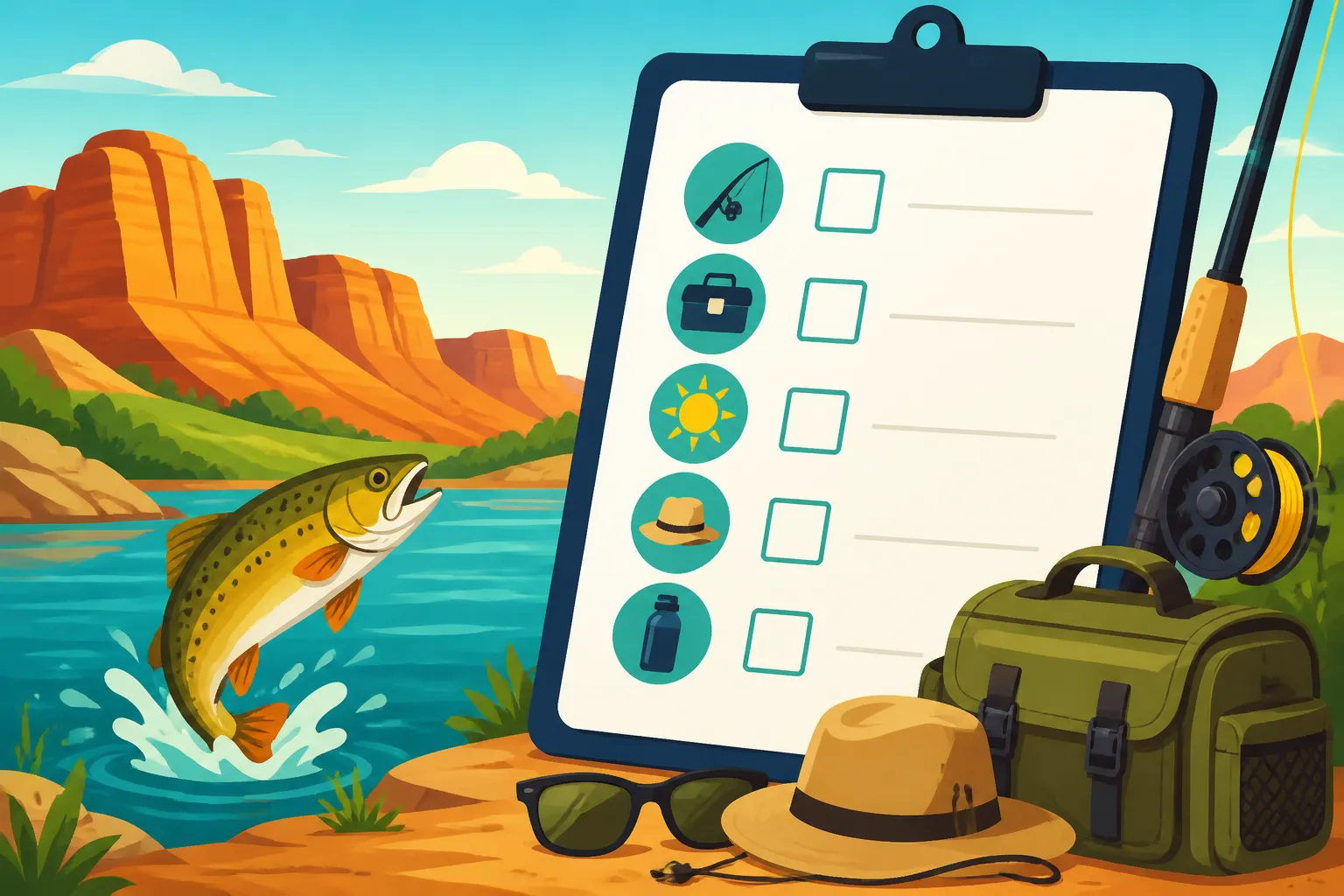
Here's a quick checklist to help you organize your first trip:
| Category | Item | Notes |
|---|---|---|
| Licenses/Permits | New Mexico Fishing License | Annual, 5-day, or 1-day, based on your plans. |
| Habitat Mgt. & Access Validation | Required for most public lands; check exemptions. | |
| Second Rod Validation (Optional) | Allows use of a second rod; purchase if desired. | |
| Rods & Reels | Medium-light to Medium Spinning Combo | 6-7 ft rod, spooled with 6-8 lb mono or fluorocarbon. |
| Tackle Box | Assorted Hooks (sizes 6, 8, 10) | For various bait presentations. |
| Split Shot/Bullet Weights | To get your bait down. | |
| Clip-on Bobbers | Great for visual bite detection. | |
| Swivels and Snaps | For quick lure changes and line twist prevention. | |
| Inline Spinners (e.g., Mepps, Panther Martin) | Effective for trout and other species. | |
| Small Spoons | Good for covering water. | |
| Soft Plastic Grubs/Worms | Versatile and effective. | |
| Bait (Worms, PowerBait, Corn) | Easy, effective starter baits. | |
| Personal Gear | Wide-brimmed Hat | Sun protection is crucial. |
| Polarized Sunglasses | Protect eyes, help spot fish. | |
| Sunscreen (High SPF) | Apply liberally and often. | |
| Ample Water | Stay hydrated! | |
| Snacks | Keep energy levels up. | |
| Rain Jacket | For unexpected showers. | |
| Small First-Aid Kit | Essential for minor scrapes or cuts. | |
| Pliers/Forceps | For hook removal and light repairs. | |
| Small Cooler with Ice | For keeping catch fresh, drinks cool. | |
| Multi-tool | Handy for various tasks. | |
| Headlamp/Flashlight | For safety, even on day trips. |
Armed with this checklist, you're not just ready to go fishing; you're ready to embrace the full experience that New Mexico's waters have to offer. From the desert lakes teeming with bass to the pristine mountain streams holding trout, the Land of Enchantment is truly an angler's paradise. Don't let the initial learning curve intimidate you. Take it one step at a time, enjoy the process, and soon you'll be sharing your own fishing tales with friends. Tight lines!
Disclaimer
This article is for general informational purposes only and does not constitute professional advice. Laws, prices and regulations vary by location and change over time. Consult a qualified professional for guidance on your specific situation.