Is the San Juan River Catch and Release Only?
Trying to navigate the precise rules for fishing the San Juan River can feel a bit like trying to read a map printed in a language you don't quite understand. You’ve likely heard a lot of talk about "catch and release only," and it’s easy to assume that applies to every inch of this world-renowned fishery. However, the truth is a little more nuanced, and understanding those subtle but critical distinctions can save you from a potential violation and ensure you’re fishing responsibly. This guide will meticulously break down the actual regulations, separate fact from common misconception, and equip you with the knowledge to enjoy one of New Mexico’s premier fishing destinations without a hitch.
Is the San Juan River Truly Catch and Release Only? Separating Fact from Fisher's Tale
This is one of the most frequently asked questions about fishing the legendary San Juan River, and it's where a lot of confusion stems from. The short answer is no, not all sections of the San Juan River are strictly catch and release only. However, the most famous and productive section, known as the Quality Waters, has regulations so stringent that they are often perceived as catch and release. It’s a subtle but important difference that every angler needs to grasp before wetting a line.
Understanding the San Juan River's Unique Zoning
The San Juan River, particularly the stretch below Navajo Dam, is managed by the New Mexico Department of Game and Fish (NMDGF) with very specific zones, each with its own set of rules. This meticulous management is precisely why the San Juan has developed into such a phenomenal trout fishery, boasting an incredible density of large, healthy trout. Ignoring these zones or misunderstanding their regulations could lead to a less-than-ideal day on the water, or even a hefty fine. Think of it like different speed limits on a highway – you wouldn't drive the same speed in a school zone as you would on the open interstate, and the same caution applies here. For a broader view of statewide rules, you can always consult the comprehensive New Mexico Fishing Regulations Overview.
The Famous Quality Waters Section Rules
When most people talk about "the San Juan River" in hushed, reverent tones, they are almost certainly referring to the "Quality Waters" section. This stretch begins at the outlet of Navajo Dam and extends approximately 3.75 miles downstream to the boundary of the Navajo Nation. This is the heart of the trophy trout fishery, renowned for its incredible numbers of rainbow and brown trout, many reaching impressive sizes. It's also where the rules are the most restrictive, leading to the widespread "catch and release only" misconception.
In the Quality Waters, anglers are indeed restricted to artificial flies and lures only, and all hooks must be barbless. Live bait, chumming, and even scented artificial baits are strictly prohibited. These gear restrictions are a cornerstone of the NMDGF's strategy to minimize harm to the fish population, particularly the larger, wilder trout that are the fishery's draw. To learn more about this specific area, check out our guide on the San Juan River Quality Waters Section. When it comes to Hook Requirement in San Juan River Special Trout Water, using barbless hooks or crimping the barbs down on your existing hooks is non-negotiable.
Now, here’s the kicker regarding "catch and release": within the Quality Waters, the daily bag and possession limit for trout is one trout 20 inches or larger. Yes, you read that right – you can keep one trophy-sized trout if you're lucky enough to catch one. However, anything under 20 inches must be immediately released. This is a crucial distinction from a true "catch and release only" fishery, but practically, because fish over 20 inches are relatively rare, most anglers end up practicing catch and release for the vast majority of their day. This careful balance allows for the occasional trophy to be taken home, while ensuring the backbone of the fishery remains robust.
Unpacking the San Juan River's Different Regulatory Zones
The San Juan River isn't a monolith of regulations; it's a river with different personalities, each governed by specific rules designed to manage its unique characteristics and fish populations. Understanding these zones is paramount for responsible and legal angling.
Special Trout Waters (Quality Waters) Detailed Regulations
As we touched on, the Quality Waters section is the most regulated, and for very good reason. This particular stretch is a tailwater fishery, meaning its water comes from the bottom of Navajo Lake, providing consistently cold, clear, nutrient-rich water that is ideal for trout year-round. This stable environment, combined with meticulous stocking and habitat management, creates an unparalleled trout habitat. The regulations for this special area are designed to protect this fragile ecosystem and maintain its status as a world-class trout destination.
Here’s a deeper dive into the specific rules for the San Juan River Special Trout Water Regulations:
- Bag and Possession Limit: The rule is one trout 20 inches or longer. Any trout smaller than this must be released immediately. This is not just a suggestion; it's a legal requirement. Releasing fish gently and quickly is paramount here.
- Tackle Restrictions: You are only permitted to use artificial flies and lures. This means no PowerBait, no worms, no salmon eggs, and absolutely no live minnows. If you're wondering Can You Use Bait on the San Juan River Quality Waters?, the answer is a definitive no.
- Hook Type: All artificial flies and lures must have barbless hooks. Many anglers simply pinch down the barbs on their existing hooks using a pair of pliers, which is perfectly acceptable. This significantly reduces harm to fish during release, increasing their chances of survival.
- Number of Flies/Lures: Anglers are permitted to use a maximum of two flies or lures attached to a single line. This is outlined in the Fly and Lure Limit on the San Juan River guidelines. This prevents anglers from using excessive rigs that could entangle multiple fish.
- Additional Validations: Beyond your standard New Mexico fishing license, you might need a New Mexico Habitat Management and Access Validation Stamp to fish these public lands. Always check the current NMDGF regulations for any updates. Many anglers find their specific fly patterns, like those useful for winter, by browsing online retailers like Amazon, ensuring they have the right tools for the job.
The success of the Quality Waters is a testament to these stringent regulations. It’s not just about catching fish; it’s about participating in a conservation effort that ensures this resource remains vibrant for generations to come.
Downstream Sections and General Regulations
Once you move downstream from the Navajo Nation boundary, the regulations shift significantly. The character of the river changes, often becoming warmer and wider, supporting a different mix of fish species beyond just trout. In these sections, the general statewide New Mexico Trout Fishing Rules typically apply, which are much less restrictive than the Quality Waters.
In these downstream areas, you’ll find:
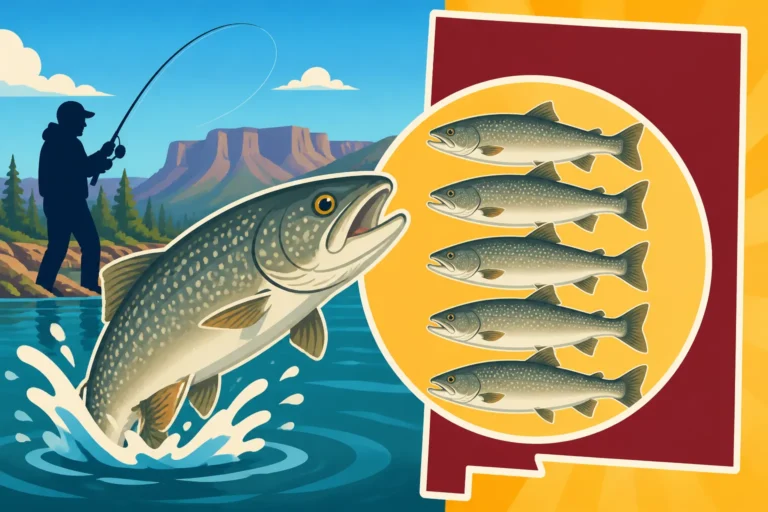
- More Liberal Bag Limits: The general statewide trout bag limit in New Mexico is often five trout per day, with specific size restrictions depending on the water. These sections often allow you to keep more fish and a wider range of sizes.
- Bait Fishing is Generally Allowed: Unlike the Quality Waters, many downstream sections permit the use of natural baits like worms, PowerBait, and salmon eggs. Always confirm the exact rules for the specific stretch you plan to fish, as some localized exceptions can exist.
- Barbless Hooks Not Always Required: While practicing catch and release with barbless hooks is always a good conservation practice, it is not legally mandated in these general regulation areas unless specifically stated.
- Targeting Other Species: Beyond trout, you might encounter other species like brown trout, catfish, or even carp in these lower stretches, offering a different angling experience.
It’s easy to see why the "catch and release only" notion can be misleading. While it’s largely true for the practice in the Quality Waters, the actual law allows for a single trophy. In contrast, the sections further downstream operate under more conventional statewide rules.
Here’s a quick overview to help clarify:
| Section of San Juan River | Primary Regulations | Bag/Possession Limit (Trout) | Tackle Type | Hook Type | Bait Allowed? |
|---|---|---|---|---|---|
| Quality Waters | Special Trout Water | One fish 20 inches or longer | Artificial Flies/Lures Only | Barbless Only | No |
| Downstream Sections | General Statewide | Often 5 fish (check specific regs) | Varies, usually open | Barbs often allowed | Yes (check specific regs) |
The Philosophy Behind San Juan River's Strict Regulations
The rigorous rules governing the San Juan River's Quality Waters aren't arbitrary; they are the result of careful scientific study and a long-term vision to create and sustain an exceptional fishing destination. These regulations serve multiple critical purposes, all aimed at preserving the health of the fishery and enhancing the angling experience.
Cultivating a Trophy Fishery
The primary goal of the Quality Waters regulations is to foster a trophy trout fishery. By limiting harvest to just one large fish (20 inches or longer) and enforcing strict gear restrictions, the NMDGF ensures that the vast majority of trout survive to grow to impressive sizes. This creates a self-sustaining population of larger, healthier fish, which in turn leads to a more exciting and rewarding experience for anglers. When you visit the San Juan, the expectation isn't just to catch a fish, but to have a legitimate shot at catching a fish of a lifetime. The Average Trout Size in the San Juan River Quality Waters is a direct reflection of these successful management practices.
This management philosophy contrasts sharply with "put-and-take" fisheries, where fish are stocked primarily for immediate harvest. The San Juan is different; it's about nurturing a wilder, more robust ecosystem where fish thrive naturally, supported by the cold, clear, nutrient-rich water flowing from Navajo Dam.
Enhancing Fish Survival Through Catch and Release
Even with the allowance of one trophy fish, the overwhelming emphasis in the Quality Waters is on responsible catch and release. The use of barbless hooks is a prime example of this commitment. A barbless hook causes less trauma to a fish's mouth, making it easier and quicker to remove, which significantly increases the fish's chances of survival after being released. This is a key component of overall New Mexico Catch and Release Regulations on sensitive waters.
Additionally, the artificial-only rule helps prevent deep hooking, which is far more likely with natural baits. When a fish swallows a worm or piece of PowerBait, the hook can often lodge in its gills or gut, leading to fatal injuries upon removal. Artificial flies and lures are more likely to hook a fish in the lip or jaw, making for a much cleaner release. Learning good Catch and Release Best Practices in New Mexico is truly essential here.
Protecting the Delicate Ecosystem
The San Juan River's ecosystem, particularly below the dam, is a delicate balance. High angler pressure could quickly deplete fish stocks if not properly managed. The strict regulations act as a buffer, allowing the fish population to flourish despite thousands of anglers visiting each year. This also helps minimize disturbance to the riverbed and aquatic insects that form the base of the trout's diet.
By understanding and adhering to these rules, anglers become active participants in the conservation effort. It’s not just about compliance; it’s about respect for the resource and ensuring that future generations can experience the same incredible fishing opportunities. For a more complete overview of this amazing waterway, our detailed San Juan River Fishing Guide is a fantastic resource.
Practical Angling Tips for the San Juan River
Fishing the San Juan River, especially the Quality Waters, requires a bit of preparation and a mindful approach. Given the strict regulations and the delicate nature of the fishery, being well-informed and well-equipped will significantly improve your experience and your contribution to conservation.
Gear Up for Success in the Quality Waters
When targeting the Quality Waters, your gear choices are critical. Forget the bait and heavy monofilament; this is primarily a finesse game. Many anglers opt for light spinning gear with 4-6 lb fluorocarbon line, or fly fishing setups ranging from 4-weight to 6-weight rods.
Here's a quick gear checklist:
- Rods and Reels: For spin anglers, a sensitive ultralight or light action rod (6' to 7') paired with a small spinning reel spooled with light line (4-6 lb test, fluorocarbon preferred for its low visibility and abrasion resistance) is ideal. Fly anglers will find a 5-weight rod to be a versatile choice for the San Juan. You can find excellent options for both spinning and fly fishing setups on platforms like Amazon.
- Line: As mentioned, fluorocarbon is a favorite for spin anglers due to its invisibility underwater. Fly anglers will need a quality weight-forward floating line for nymphing and dry fly presentations, often with long leaders and fine tippets.
- Lures/Flies: This is where you need to be precise.
- Spin Anglers: Small, barbless inline spinners (like Panther Martins or Mepps), tiny spoons, or micro jigs are effective. Remember, they must be barbless.
- Fly Anglers: The San Juan is famous for its prolific midge and annelid (worm) hatches. San Juan Worms, various midge patterns (zebra midges, larva, pupa), egg patterns, and tiny emergers are staples. During specific times, larger patterns like woolly buggers or streamers can also be effective. It’s always a good idea to check local fly shop reports for current hot patterns. If you're looking for Best Flies for the San Juan River in Winter, smaller midge patterns are often key.
- Barbless Hooks: If your chosen lure or fly isn't already barbless, carry a small pair of pliers or forceps to crimp down the barbs. This is non-negotiable and a critical part of practicing the Barbless Hook Fishing Technique for New Mexico Rivers.
- Net: A rubber or "ghost" net is highly recommended. These nets are much gentler on a fish’s slime coat and fins than traditional nylon nets, making for a safer release.
- Waders and Boots: The San Juan can be cold and slick. Good quality waders and wading boots with felt soles or studded soles will provide comfort and stability.
Practicing Responsible Catch and Release
Even with the allowance of a single trophy, the health of the San Juan fishery relies heavily on proper catch and release techniques. Every fish, whether released or kept, deserves to be handled with care and respect.
- Minimize Fight Time: Try to land fish as quickly as possible to reduce stress and exhaustion. Prolonged fights can deplete a fish's energy reserves, making it more susceptible to predation or disease after release.
- Keep Fish Wet: Avoid removing the fish from the water entirely, especially if you plan to release it. If you must lift it for a quick photo, do so quickly and support its body horizontally with wet hands. Never hold a fish by its jaw vertically unless it's a very small fish, as this can damage its spine and internal organs.
- Gentle Hook Removal: Use forceps or pliers to carefully remove the hook. Since you're using barbless hooks, this should be relatively easy. If the hook is deeply embedded, cut the line as close to the hook as possible rather than tearing the hook out, as the hook will often rust away over time.
- Revive the Fish: If the fish seems sluggish after being released, hold it gently in the current, facing upstream, allowing water to flow over its gills until it regains strength and swims away on its own.
- Respect Others: The San Juan is a popular destination. Be mindful of other anglers, give them space, and follow proper river etiquette.
By adhering to these practices and understanding the distinct regulations for the San Juan River, you contribute to the longevity and quality of this extraordinary fishery.
Disclaimer
The information provided in this guide is for general informational purposes only and is subject to change. Fishing regulations, license requirements, and local rules can be updated by the New Mexico Department of Game and Fish (NMDGF) at any time. It is the angler's sole responsibility to consult the official NMDGF fishing proclamation or website for the most current and accurate regulations before engaging in any fishing activity. Failure to do so may result in fines or penalties.