San Juan River Fishing Guide
You've heard the whispers, the legends, the stories of truly epic trout fishing. But finding a river that consistently delivers on those promises, especially one accessible yet wild, can feel like searching for a needle in a vast, arid haystack here in New Mexico. Many anglers come here hoping for that quintessential high-desert fishing experience, only to find themselves navigating tricky regulations or overfished waters. This comprehensive guide is here to cut through the confusion and lead you directly to the jewel of New Mexico's angling crown: the magnificent San Juan River.
Why the San Juan River is a New Mexico Icon
The San Juan River isn't just another fishing spot; it's a phenomenon, a vibrant, cold-water oasis cutting through the high desert landscape of northwestern New Mexico. For decades, it has held a revered status among trout anglers, attracting enthusiasts from across the globe. This river isn't famous by accident; its unique characteristics combine to create a truly exceptional fishery that consistently produces large, healthy trout. If you're looking for consistent action and the chance at a trophy, the San Juan is where you need to be.
A World-Class Trout Fishery
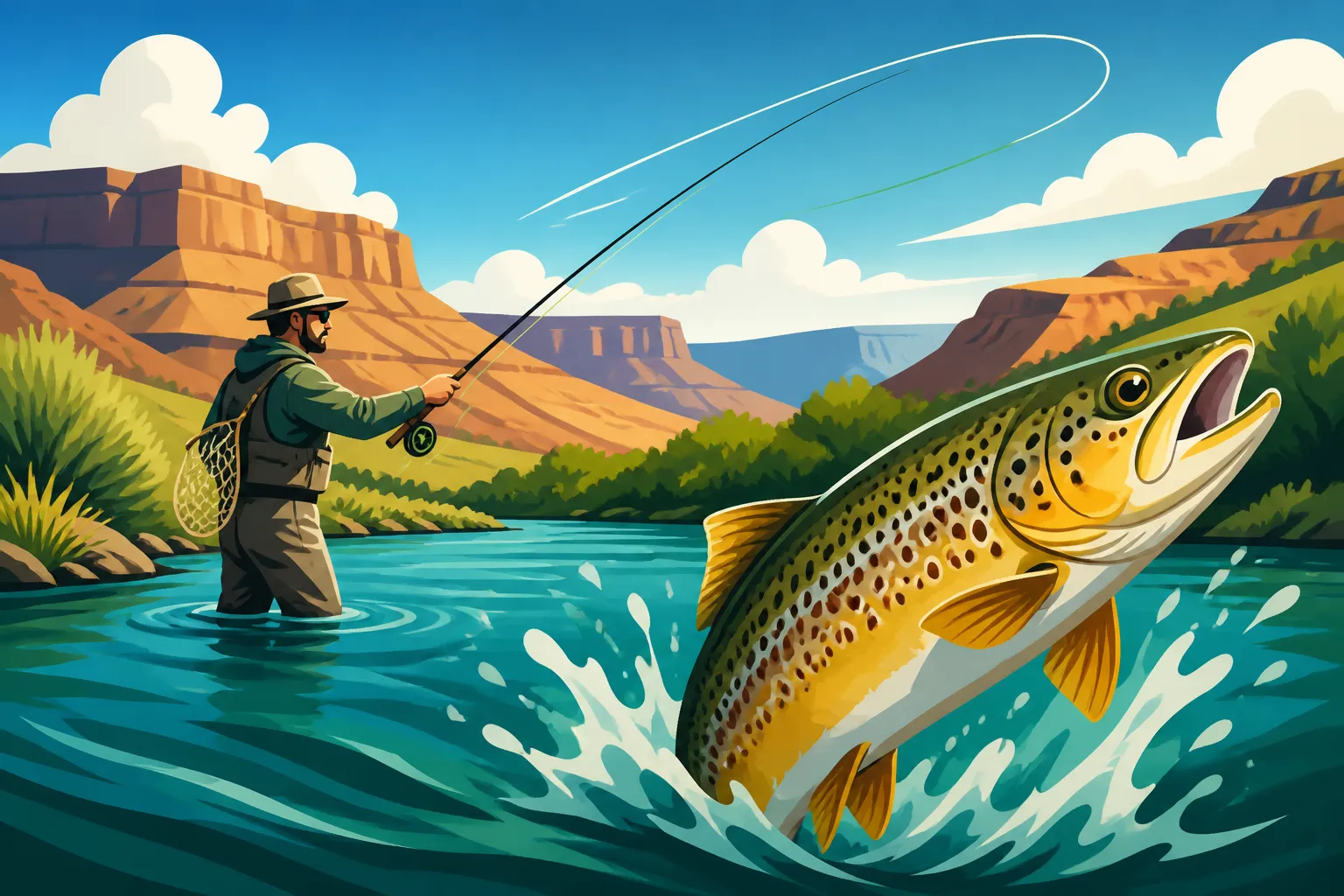
What makes the San Juan River so special, you ask? It boils down to a perfect storm of environmental factors and management practices. The river's most celebrated section, the "Quality Waters," is a highly regulated stretch flowing directly out of Navajo Dam. This dam plays a crucial role, releasing a consistent flow of cold, oxygen-rich water from the bottom of Navajo Lake. This stable environment is absolutely ideal for trout, allowing them to thrive and grow to impressive sizes. We're talking about robust rainbows and hefty brown trout that put up a serious fight, making every hook-up an exhilarating challenge. It’s not uncommon to land several fish in the 18-20 inch range on a good day, and even larger specimens are frequently caught, making it a dream destination for anyone serious about trout.
The Tailwater Advantage Explained
The term "tailwater" is key to understanding the San Juan's incredible productivity. A tailwater fishery is essentially a river section located immediately downstream from a large dam. The water released from the bottom of the reservoir is typically much colder and more consistent in temperature than a natural free-flowing river would be, especially in a warm climate like New Mexico's high desert. This stable, cold-water flow prevents extreme temperature fluctuations that can stress trout, allowing them to expend less energy coping with environmental changes and more energy feeding and growing. Furthermore, the dam acts as a massive filter, trapping sediment and nutrients, leading to crystal-clear water and a highly fertile environment for aquatic insects – the primary food source for trout. This abundance of food, combined with stable temperatures, creates an all-you-can-eat buffet for the fish, leading to their rapid growth and exceptional health. It's truly a marvel of modern water management creating an ecological hotspot.
Navigating the San Juan River's Key Sections
To truly conquer the San Juan River, you need to understand its distinct sections. While the entire river holds fish, the rules, techniques, and even the fish behavior can vary significantly as you move downstream from the dam. Knowing where you are and what to expect is paramount to a successful day on the water.
The Quality Waters
This is the crown jewel, the reason most anglers make the pilgrimage to the San Juan. The Quality Waters section stretches approximately 3.75 miles from the base of Navajo Dam downstream to the Crusher Hole. This area is designated as "Special Trout Water" and is subject to very specific regulations designed to foster a trophy fishery. Here, you'll find incredibly high fish populations, with estimates often exceeding 15,000 trout per mile! The trout here are accustomed to a constant flow and a rich diet of tiny midges and annelids, making them educated and challenging to catch. The clarity of the water, coupled with the sheer number of fish, makes sight fishing a real possibility, adding another layer of excitement. Most anglers here focus on precise nymphing techniques, often using extremely small flies and light tippet. If you're new to the area, consider starting your experience by researching the New Mexico Quality Waters Program to get a full understanding of what makes this section so unique and productive.
The Special Trout Water Rules
Fishing the Quality Waters comes with a distinct set of rules, and adhering to them is not just about legality; it's about preserving this incredible fishery. In this section, only artificial flies and lures with a single, barbless hook are permitted. This isn't just a suggestion; it's a strict regulation enforced by New Mexico Game and Fish. The goal is to minimize harm to the fish, ensuring that released trout have the best chance of survival. The daily bag and possession limit in the Quality Waters is also very specific: one trout 20 inches or larger. This means that for the vast majority of fish you catch, it will be a catch-and-release experience. It’s crucial to use proper catch and release techniques, handling fish gently and minimizing their time out of the water. For a complete understanding of these guidelines, consult the New Mexico Trout Fishing Rules. These regulations might seem restrictive, but they are precisely why the San Juan remains such a world-class destination for large, healthy trout.
Downstream of the Quality Waters
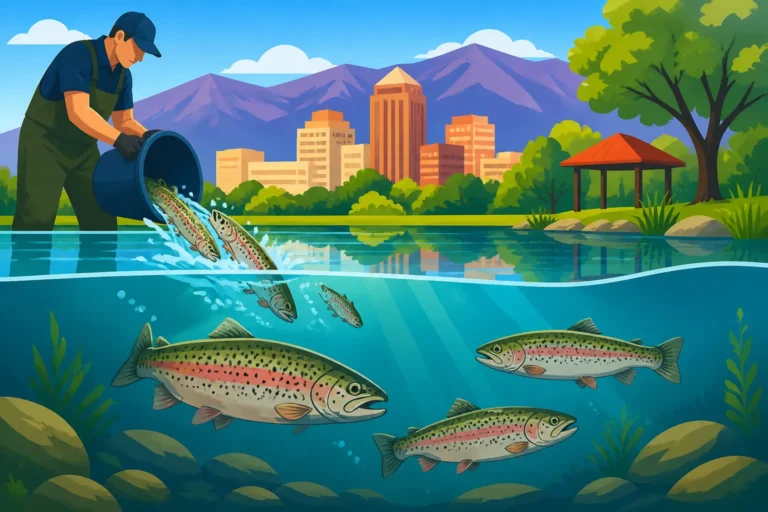
Once you move past the Crusher Hole, the river transitions into a different character, often referred to as the "bait water" or "general regulation water." This section, extending for miles downstream, offers a different angling experience. The fishing pressure is generally lighter, and the rules are less restrictive, allowing for the use of bait and multiple hooks, making it a great option for families or beginners. While the sheer density of large trout found in the Quality Waters may decrease, this doesn't mean the fishing is poor. There are still plenty of trout, often supplemented by regular stockings from the New Mexico Department of Game and Fish. You'll also encounter other species like brown trout and occasionally even warm-water species further downstream as the water warms slightly. This area can be fantastic for those who prefer spin fishing or just want to relax without the intense focus required in the Quality Waters. Access points are numerous, and the environment feels a bit more relaxed, offering a different but equally enjoyable day on the river.
Essential Gear for San Juan River Success
Approaching the San Juan River without the right gear is like trying to hike the high country in flip-flops—you're going to have a bad time. This river demands specific equipment, especially if you're targeting those elusive, educated trout in the Quality Waters. Investing in the right tools will not only increase your chances of success but also make your experience far more enjoyable and comfortable.
Fly Fishing Essentials
For the dedicated fly angler, the San Juan River is a paradise, but it's one that requires precision. A 9-foot, 5-weight fly rod is generally considered the workhorse for this river, offering enough backbone to handle large trout while still providing the sensitivity needed for delicate presentations. Pair this with a reliable disc-drag reel spooled with a weight-forward floating line. The true secret to success here often lies in your leader and tippet. Long leaders, often 9 to 12 feet, tapered down to a fine tippet (5X, 6X, or even 7X) are crucial for presenting tiny flies naturally and fooling wary fish. Don't skimp on quality fluorocarbon tippet, as its low visibility and abrasion resistance are invaluable. Beyond your rod and reel, a solid fly box filled with San Juan River staples is a must. Think small: #20-26 midges, annelids, larva, and small nymph patterns are consistently effective. You'll also want an assortment of indicators, split shot, and forceps for hook removal. For a deeper dive into techniques, explore resources like Nymph Fishing on the San Juan River.
Spin Fishing Setup for the San Juan
While fly fishing dominates the Quality Waters, spin anglers can absolutely find success on the San Juan, particularly in the sections downstream of the Crusher Hole where bait is permitted. For spin fishing, a light to medium-light action rod, around 6 to 7 feet long, paired with a small spinning reel (size 1000-2500) spooled with 4-6 pound test monofilament or fluorocarbon line, will be your best bet. When it comes to lures, smaller is usually better for trout. Inline spinners like Panther Martins or Mepps, tiny spoons such as Kastmasters, or small soft plastics can be highly effective. If you're in the bait-allowed sections, common choices include PowerBait, salmon eggs, or even small worms. Always check the current regulations for the specific section you plan to fish, as bait restrictions change dramatically between the Quality Waters and downstream. Knowing the best options is key, so consider what might be the Best Lures for New Mexico Trout when planning your tackle box.
Wading and Safety Gear
The San Juan River, especially the Quality Waters, is primarily a wade-fishing destination. Therefore, proper wading gear is non-negotiable. Breathable chest waders are essential year-round due to the cold water temperatures (around 42-48°F, even in summer). Pair these with sturdy wading boots, preferably with felt or rubber soles with studs for grip on the often-slick, algae-covered rocks. A wading staff is highly recommended for stability, especially when navigating deeper or faster sections. Beyond wading gear, a PFD (Personal Flotation Device) is a smart safety choice, particularly for those new to river wading or when flows are higher. Other crucial items include polarized sunglasses to spot fish and protect your eyes from UV rays and errant hooks, a hat for sun protection, and a fishing vest or backpack to keep your gear organized and accessible. Don't forget water, snacks, and a small first-aid kit. Knowing how to dress for varying weather and handle cold water is critical for enjoying your day safely.
Mastering San Juan River Fishing Techniques
The San Juan River isn't a place where you just cast out and hope for the best. The trout here are smart, constantly pressured, and thrive in an environment of abundant, tiny food sources. To consistently fool these fish, you need to employ specific, often subtle, techniques. It's a game of finesse, presentation, and understanding the fish's behavior.
Nymphing Strategies
Nymphing is, without a doubt, the most productive technique on the San Juan River, especially in the Quality Waters. Most of the trout's diet consists of aquatic insects drifting subsurface. Your goal is to mimic these insects perfectly. The most common setup involves a strike indicator, split shot (often multiple small pieces for precise depth control), and one or two small nymph patterns. The "San Juan Shuffle" or "Animas Rig" are popular variations here, using a tandem nymph setup. Focus on getting a drag-free drift, allowing your flies to tumble naturally with the current, just like real insects. Pay close attention to your indicator; even the slightest hesitation or twitch can signal a take. Fish often hold in seams, eddies, and behind structure where the current breaks, offering them a resting spot while food drifts by. The depth you fish is critical, so experiment with split shot placement until you're consistently bumping the bottom without getting hung up too often. This isn't just about putting a fly in the water; it's about making it look alive and irresistible.
Dry Fly Opportunities
While nymphs are the bread and butter, don't overlook the magic of dry fly fishing on the San Juan. These opportunities are often sporadic but incredibly rewarding. When a hatch is in full swing, particularly midges or tiny mayflies, the surface can come alive with rising trout. Observing what the fish are keying on is paramount. Look for consistent rises, note the size and color of the insects present, and then try to "match the hatch." Presentations need to be delicate and precise, casting upstream of a rising fish and allowing your fly to drift naturally over its feeding lane. Foam lines and slower eddies are often prime spots for fish to sip insects off the surface. Sometimes, even without an obvious hatch, a well-placed attractor dry fly, like a small Parachute Adams or Elk Hair Caddis, can entice a curious trout, especially in the evening. Don't be afraid to try a dry-dropper rig, with a small nymph suspended beneath your dry fly, as this covers both feeding zones.
Streamer Fishing Tactics
For those looking for a more aggressive take and the chance at a truly massive trout, streamer fishing can be incredibly effective, particularly for brown trout. Streamers imitate baitfish, leeches, or larger aquatic invertebrates, appealing to the predatory instincts of bigger fish. While less common in the highly pressured Quality Waters during peak times, streamer fishing can shine during low light conditions (early morning, late evening, or overcast days), after a fresh stocking, or in the faster, deeper runs. Popular patterns include Woolly Buggers, Sculpzillas, or various baitfish imitations in olive, black, or brown. Cast your streamer across or slightly downstream and strip it back with varying speeds and pauses, imitating a wounded or fleeing baitfish. Focus on covering likely holding water, such as deep pools, undercut banks, and around large rocks or submerged timber. This technique often elicits a violent strike, making it an exciting departure from the subtle world of nymphing.
Understanding San Juan River Entomology and Hatches
Understanding the insect life of the San Juan River is not just academic; it's fundamental to consistent success, especially for fly anglers. The river's stable temperatures and nutrient-rich waters create an incredibly productive ecosystem for aquatic invertebrates, which in turn fuels the robust trout population. Knowing what the fish are eating at any given time is the closest thing you'll find to a secret weapon on these waters.
Year-Round Insect Life
The San Juan River boasts a remarkably consistent and abundant food base. Unlike many freestone rivers that experience distinct seasonal hatches, the San Juan's tailwater nature allows for significant insect activity throughout the year. Midges are the undisputed kings of the San Juan, hatching almost daily in various sizes and colors, from tiny #26-28 to larger #18-20. They form the backbone of the trout's diet. Blue-Winged Olives (BWO) are another crucial food source, with several strong hatches occurring in spring, fall, and even milder winter days. Other significant insects include annelids (small worms), sowbugs (aquatic isopods), and various caddisflies, particularly in late spring and summer. Knowing these primary food sources and having patterns that imitate their larval, pupal, and adult stages will give you a significant advantage. This consistent food supply is one of the main reasons the New Mexico Fishing Season Dates and Limits are so favorable for year-round trout fishing here.
Matching the Hatch: Key Patterns
"Matching the hatch" on the San Juan often means fishing small. Here's a table of some of the most consistent hatches and the fly patterns to imitate them:
| Insect Type | Peak Season | Key Sizes | Recommended Fly Patterns | Notes |
|---|---|---|---|---|
| Midges | Year-round, especially winter | #20-28 | Griffith's Gnat (adult), Zebra Midge (larva/pupa), Miracle Nymph, Blood Midge (larva) | Most important food source. Fish larvae deep, pupae in the film, adults on surface. |
| Blue-Winged Olives (BWO) | Spring (March-May), Fall (Sept-Nov), mild winter | #18-24 | BWO Nymph, Barr's Emerger (emerger), Parachute Adams (adult), Sparkle Dun (adult) | Look for consistent cloudy days. Fish emergers just below surface. |
| Annelids (Worms) | Year-round, especially after flow changes | #12-20 | San Juan Worm (red, pink, brown), Squirmy Wormy (various) | Highly effective, particularly when flows fluctuate or water has a slight tint. |
| Sowbugs | Year-round, prevalent | #16-20 | Grey Sowbug, Ray Charles, Cream Sowbug | Imitate these small crustaceans found on the river bottom. Fish dead drift near the substrate. |
| Caddisflies | Late Spring (May-June), Summer (July-Aug) | #14-18 | LaFontaine's Sparkle Pupa (pupa), Elk Hair Caddis (adult), Goddard Caddis (adult) | Can provide exciting dry fly action during active hatches, especially in the evenings. |
| Scuds | Year-round, less common than sowbugs | #14-20 | Tan or Olive Scuds, Mercury Scud | Similar to sowbugs, these small amphipods are another consistent food source. |
While this table gives you a strong starting point, remember that observant anglers pay attention to what's happening on the water. Lift rocks to see what nymphs are present, watch for rising fish to identify surface patterns, and don't be afraid to switch flies frequently until you find what the fish are feeding on. Guides from outfits like Duranglers or float trips booked through FishingBooker often have the most up-to-date intel on current hatches.
Seasonal Fishing on the San Juan River
One of the greatest appeals of the San Juan River is its year-round fishability. Thanks to the consistent flow from Navajo Dam, you don't have to pack away your gear for several months out of the year. However, each season brings its own set of challenges, opportunities, and specific techniques that will make your trip more successful. Understanding these nuances is key to maximizing your time on the water, whether it's the crisp chill of winter or the vibrant warmth of summer.
Spring Runoff and Early Season
Spring on the San Juan, particularly in the Quality Waters, is often less about "runoff" in the traditional freestone river sense and more about consistently good fishing. While other rivers in New Mexico might be blown out with snowmelt, the San Juan's dam-controlled flows remain relatively clear and stable. Early spring (March-April) can see excellent hatches of Blue-Winged Olives, leading to some fantastic dry fly and emerger fishing, especially on cloudy days. Midges are, as always, a staple. As spring progresses into May and early June, you might also encounter caddisfly hatches, offering more surface action. The fish are typically active and feeding aggressively after the winter months. This is a time when the crowds can pick up, so planning ahead is a good idea. Fishing after runoff in New Mexico's other rivers often means a shift to larger flies and heavier weights, but the San Juan remains relatively consistent.
Summer Fishing Strategies
Summer on the San Juan can be hot, but the water in the Quality Waters remains wonderfully cold, typically in the 40s. This keeps the trout active and healthy, even when air temperatures soar. Early mornings and late evenings are often the most productive times, as the fish can be a bit more lethargic during the intense midday sun. Nymphing remains the dominant technique, with midges and various small nymphs being consistently effective. Terrestrial patterns, like ants, beetles, and small hoppers, can also become important, especially along grassy banks and during windy conditions where they might get blown into the water. The lighter crowds during the hottest part of the day can offer a more peaceful fishing experience. If you’re planning a trip during this season, consider our guide on Summer Fishing in New Mexico for broader tips, but remember the San Juan's unique characteristics.
Fall Spectacle and Productive Waters
Fall is arguably one of the most beautiful and productive seasons on the San Juan River. The cottonwoods lining the banks turn brilliant gold, and the air becomes crisp and invigorating. This is prime time for another strong Blue-Winged Olive hatch, which can bring many fish to the surface. Brown trout also become more aggressive as they prepare for their spawn, making them more susceptible to streamer patterns. The combination of active feeding fish, stunning scenery, and often pleasant weather makes fall a favorite for many anglers. While the fishing is excellent, the crowds can also be significant, especially during weekends. Booking accommodations or guide services well in advance, perhaps through platforms like FishingBooker, is highly recommended to secure your spot during this peak season.
Winter Wonderland Fishing
Don't let the thought of cold weather deter you from a winter trip to the San Juan. While it might require more layers and perhaps a thermos of hot coffee, winter can offer some of the most consistent and least crowded fishing of the year. The dam-controlled flows keep the water from freezing solid in the main river sections, and the stable cold temperatures mean the fish are always holding in predictable lies. Midges are the absolute dominant food source, hatching almost daily, often in incredible numbers. This is a time for precision nymphing with tiny flies and light tippets. The fish might not be as active or aggressive as in warmer months, but they are still feeding, often in slow, deep runs and pools. A sunny winter day on the San Juan, with snow-capped peaks in the distance and active trout, is a truly magical experience. For specific strategies, look into Fishing New Mexico's Cold Tailwaters in Winter.
Regulations and Permits You Need to Know
Fishing in New Mexico, especially on a special designation river like the San Juan, isn't just about technique and gear; it's also about understanding and respecting the rules. Navigating the myriad of licenses, stamps, and specific water regulations can feel like a headache, but it’s absolutely essential. Ignoring these rules can lead to hefty fines and a ruined fishing trip.
New Mexico Fishing License Requirements
First and foremost, everyone aged 12 and older needs a valid New Mexico fishing license to fish the San Juan River. If you're a resident, you'll find various options, including an annual license, while non-residents can opt for annual, five-day, or one-day licenses, depending on the length of their stay. These licenses contribute directly to the conservation and management of New Mexico's fisheries, so it's money well spent. You can purchase your license easily online through the New Mexico Department of Game and Fish website, at various vendors across the state, or sometimes even by phone. Always ensure your license is current and readily available, whether printed or on your phone, as wardens frequently check. For comprehensive details on purchasing, refer to our New Mexico Fishing License Guide.
Habitat Stamp and Special Validations
Beyond the basic fishing license, most anglers fishing on public lands (which includes the San Juan River) will also need a New Mexico Habitat Management & Access Validation (often referred to as a "Habitat Stamp"). This stamp helps fund access to public lands and critical habitat improvement projects. There are some exemptions, such as for youth under 18, but it's generally a requirement for adults. Additionally, if you plan to fish with a second rod, you'll need to purchase a "Second Rod Validation." This allows you to legally use two rods simultaneously, which can be useful in certain situations, though generally not necessary or practical in the tight quarters of the Quality Waters. Make sure you understand the nuances by checking out New Mexico Habitat Stamp and Validation Requirements before heading out.
Catch Limits and Hook Restrictions
The San Juan River, particularly the famous Quality Waters, has very specific catch and possession limits and tackle restrictions, designed to maintain its trophy fishery status. In the Quality Waters (from Navajo Dam downstream to the Crusher Hole), the daily bag and possession limit is one trout 20 inches or longer. This means the vast majority of fish you catch will be released. Critically, only artificial flies and lures with a single, barbless hook are permitted in this section. Barbless hooks minimize harm to the fish, increasing their survival rate after release. Downstream of the Quality Waters, general statewide regulations apply, which typically allow for bait and treble hooks, and different bag limits (e.g., a five-fish limit for trout). Always consult the current New Mexico Fishing Regulations book for the most up-to-date and precise information for the specific section you intend to fish. Understanding these rules is not just about avoiding a penalty; it's about being a responsible steward of this incredible natural resource, ensuring it remains pristine for future generations.
Planning Your San Juan River Fishing Trip
A successful San Juan River fishing trip involves more than just showing up with a rod. It requires careful planning, from where you'll stay to whether you'll hire a guide, and how you'll approach the unique challenges and etiquette of this world-renowned fishery. Taking the time to sort out these details ahead of time will significantly enhance your experience.
Lodging and Local Amenities
The San Juan River is nestled in a relatively remote part of New Mexico, but there are several convenient options for lodging. The closest community is Navajo Dam itself, which has a few small lodges and RV parks right near the river access points. These spots offer quick access to the Quality Waters, often within walking distance. Larger towns like Farmington (about an hour's drive west) and Aztec (about 45 minutes west) offer a wider range of hotels, motels, restaurants, and retail stores where you can stock up on groceries or last-minute gear. For those who prefer a more rustic experience, there are campgrounds at Navajo Lake State Park, offering beautiful scenery and easy access to the river. Many anglers find that staying directly on the river provides the most immersive experience, allowing for early morning and late evening fishing without a long commute. Before you head out, make sure to check what's available and book in advance, especially during peak season.
Guide Services and Local Expertise
For first-time visitors or those looking to significantly improve their San Juan River game, hiring a local guide is an invaluable investment. San Juan River guides are intimately familiar with the river's constantly changing currents, preferred fish lies, and the subtle nuances of fly selection for various conditions. They can teach you specific nymphing techniques, help you refine your presentation, and, perhaps most importantly, put you on fish quickly. Many guides offer both wade trips and float trips, allowing you to cover more water, particularly in the lower Quality Waters. Companies like float trips booked through FishingBooker, which can often connect you with experienced local guides, or dedicated local outfitters such as Reel Deal Fly Shop, frequently offer exceptional service. A guided trip can fast-track your learning curve and significantly increase your success and enjoyment on this challenging river. Even seasoned anglers can benefit from a guide's insights into current conditions and hot patterns.
Respecting the Environment and Fellow Anglers
The San Juan River is a high-pressure fishery, meaning there are often many anglers vying for prime spots. Practicing proper etiquette is crucial for everyone's enjoyment. Give fellow anglers ample space – don't crowd them or wade directly upstream or downstream into their fishing lane. If you see someone catching fish in a particular area, observe from a distance or move to another spot. When wading, be mindful of the delicate river bottom and avoid kicking up unnecessary sediment. Always pack out everything you pack in, leaving no trace of your visit. This includes all trash, broken line, and discarded tippet. Use proper catch-and-release techniques to ensure the survival of fish you don't intend to keep. This means minimizing their time out of the water, handling them with wet hands, and supporting them gently until they swim away strongly. By showing respect for the river and other anglers, we all contribute to maintaining the San Juan's reputation as a world-class fishing destination and protect the New Mexico Catch and Release Regulations that sustain it.
Disclaimer
Please remember that fishing regulations, license requirements, and local conditions can change. Always consult the most current New Mexico Department of Game and Fish regulations booklet or website before your trip to ensure you are up-to-date on all rules and requirements. This guide is for informational purposes only and should not replace official sources.