New Mexico Rio Grande Fishing Guide
If you're dreaming of fishing in New Mexico, you've probably heard whispers about the legendary Rio Grande. But let's be real, tackling a river that stretches for hundreds of miles, cutting through such varied landscapes, can feel incredibly overwhelming. Where do you even start? What fish can you expect to catch? And what on earth do you need to bring? This comprehensive guide is here to untangle all those questions, helping you navigate the complexities and unlock the incredible angling opportunities the Rio Grande has to offer, from its pristine trout waters to its robust warmwater fisheries.
The Mighty Rio Grande: A Fishery of Contrasts
The Rio Grande isn't just a river; it's a lifeline carving its way through New Mexico, creating a truly diverse tapestry of fishing experiences. From the cold, clear mountain streams of its headwaters to the wide, slow-moving desert sections further south, the river changes dramatically, and so do the fish that call it home. Understanding these distinct personalities is the first step to a successful fishing adventure. It’s easy to think of a river as one continuous entity, but the Rio Grande demands a more nuanced perspective.
Headwaters to Española: Wild Trout and Scenic Beauty
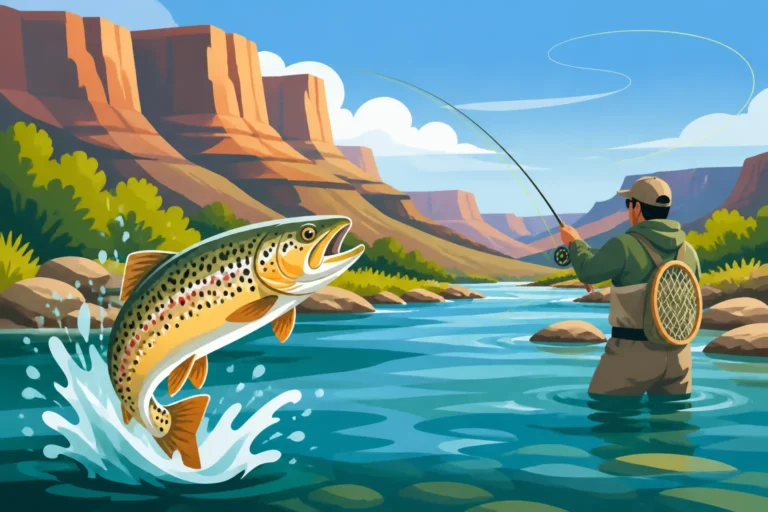
High in the Sangre de Cristo Mountains, where the Rio Grande begins its epic journey, you'll find a world apart. This upper section, particularly from the Colorado border down through the Rio Grande Gorge to near Española, is a coldwater paradise. Here, the river flows swiftly through deep canyons and open meadows, offering breathtaking scenery that almost rivals the fishing itself. The water is often clearer, colder, and oxygen-rich, providing ideal conditions for trout.
Anglers venturing into these parts are often seeking wild trout, a testament to the river's health and pristine nature. You’ll be wading through stretches that feel ancient, surrounded by dramatic cliffs and the scent of pine. It’s a place where patience and stealth are rewarded, and where the fish, while not always giants, are truly wild and incredibly strong for their size. This section is a true escape from the hustle and bustle, demanding a bit more effort to access but offering unparalleled solitude and a deep connection to nature. Think of it as high-country fishing, even at lower elevations within the gorge.
Middle Rio Grande Valley: Urban Opportunities and Warmwater Fish
As the Rio Grande flows south of Española and into the heart of New Mexico, particularly through the Albuquerque and Rio Rancho metropolitan areas, its character shifts dramatically. The river widens, slows down, and becomes much warmer, especially during the long summer months. This "Middle Rio Grande" section might not be what immediately comes to mind when you think of New Mexico fishing, but it offers fantastic, easily accessible opportunities, often right in the backyard of half the state's population.
Here, the focus moves from wild trout to a robust warmwater fishery. While trout might be stocked in certain urban ponds fed by the river or during cooler months, the main residents are species like channel catfish, various bass, and panfish. The river itself meanders through agricultural lands, bosque forests, and sometimes even directly alongside bustling city parks. It's a testament to the resilience of urban fisheries and a blessing for local anglers who might not have the time or means to drive to more remote locations. The convenience and variety of species make this section a hidden gem, often overlooked by those solely focused on trout.
Southern Reaches: Catfish, Stripers, and Desert Landscapes
Further south, below communities like Belen and Socorro, the Rio Grande continues its transformation, taking on a distinctly desert river feel. The water levels can become highly variable, influenced by irrigation demands and upstream reservoirs. Here, the river winds through wide, sandy floodplains, cottonwood bosques, and open scrublands, eventually making its way towards Elephant Butte Lake.
This section is prime territory for those targeting larger warmwater species. Catfish are king here, with channel catfish being abundant and offering excellent sport, especially on hot summer evenings. In some areas, particularly closer to Elephant Butte or during periods of strong flow, you might even encounter striped bass that have migrated upstream from the reservoir. This southern stretch of the Rio Grande is less about delicate presentations and more about robust tackle, patience, and understanding the subtle movements of fish in a dynamic, sometimes challenging, environment. It’s a rugged, beautiful landscape that offers a different kind of angling challenge, often with big rewards. For those interested in a wider variety of warm water fish, check out our guide on Fish Species Living in the Rio Grande.
Seasonal Rhythms and Optimal Fishing Windows
Just like any major river, the Rio Grande operates on a seasonal clock, and understanding its rhythms is crucial for planning a successful fishing trip. What works in April might be completely ineffective in July. New Mexico's climate brings distinct seasons, each presenting its own challenges and unique opportunities for anglers. Don't make the mistake of assuming year-round consistency; the river is a living, breathing system, constantly changing with the weather. For a broader perspective on the best times, our New Mexico Fishing Season Dates and Limits guide can offer more details.
Spring: Runoff Challenges and Post-Spawn Rewards
Spring on the Rio Grande is a time of transition, heavily influenced by the mountain snowpack. Early spring can offer some fantastic pre-runoff fishing, especially in the upper sections where trout are active as water temperatures begin to rise. However, as the snowmelt really kicks in, typically from April into June, the river can swell dramatically. This "runoff" period brings high, fast, and often muddy water, making fishing incredibly challenging, if not impossible, in many areas. Wading becomes dangerous, and visibility for fish is almost non-existent.
But don't despair! Savvy anglers know that runoff isn't the end; it's just a phase. Smart strategies involve seeking out clear tributaries that aren't as affected by the main river's surge, or focusing on slower backwater eddies and pockets where fish can escape the powerful current. As runoff subsides, usually by late May or early June, the river begins to drop and clear, entering a "post-runoff" golden period. This is when trout, having survived the high water, become incredibly hungry and active. For warmwater species in the middle and lower river, spring is also prime time for pre-spawn and spawning activity, meaning aggressive bites and good numbers of fish.
Summer: High Country Escapes and Early Morning Bites
New Mexico summers are hot, especially in the lower and middle elevations. This heat significantly warms the Rio Grande, pushing trout into higher, colder reaches or into deeper, oxygenated pockets. For the upper Rio Grande, summer is glorious. The high-country sections and tributaries are often at their prime, with excellent insect hatches and active trout. Anglers can find refuge from the heat in these cooler mountain environments, enjoying classic fly fishing conditions.
In the middle and lower Rio Grande, summer fishing shifts to a warmwater focus. The key here is to fish early in the morning or late in the evening when water temperatures are at their coolest and fish are most active. Daytime fishing during the heat of the day can be slow and less productive, not to mention uncomfortable for the angler. Night fishing for catfish, however, truly comes alive in the summer. As the sun sets and the air cools, the catfish move into shallower waters to feed aggressively, making for exciting nocturnal angling. Our guide on Best Time of Year to Fish in New Mexico might offer further insights into summer strategies.
Fall: Prime Trout Action and Migratory Species
Fall is arguably the most beloved season for many New Mexico anglers, especially those targeting trout on the Rio Grande. As air temperatures cool, so does the river, re-energizing the trout and often sparking pre-spawn activity for brown trout. The water levels generally stabilize after the summer monsoons (if they occurred), and clarity improves, making for ideal fishing conditions. The vibrant fall foliage along the riverbanks only adds to the magic.
In the upper Rio Grande, brown trout become particularly aggressive as they prepare for their spawn, often making them more willing to chase larger streamers and flies. The cooler water also means rainbows and cutthroats are actively feeding. This is a fantastic time for both fly fishing and spin fishing. Further downstream, warmwater species remain active into early fall, before the colder temperatures of winter cause them to slow down. For a brief period in the lower river, you might even get a shot at migratory striped bass before they retreat to deeper lake waters. It's a season of abundance and beauty, often cited as the "best" time to be on the water.
Winter: Tailwater Gems and Ice Fishing Alternatives
Winter fishing on the Rio Grande presents a different set of challenges and rewards. Many high-elevation sections become inaccessible due to snow and ice, and much of the river slows down dramatically. However, certain areas can offer surprisingly good fishing. Tailwaters, which are river sections immediately below a dam, often maintain more stable and warmer water temperatures than unregulated stretches, keeping trout active throughout the colder months.
The Rio Grande itself doesn't offer widespread ice fishing opportunities, but if you're keen on fishing during winter, nearby lakes fed by or connected to the Rio Grande system might. For the main stem, targeting deeper pools and slower runs in the middle and lower sections can still yield good catches of catfish and even a few stubborn bass, though their activity will be significantly reduced. For trout anglers, the key is to fish during the warmest parts of the day, often midday, and use smaller, more subtle presentations. While some might pack away their gear for winter, dedicated anglers find a unique tranquility and often solitude on the Rio Grande during the colder months, with the potential for some surprisingly good catches.
Targeting the Rio Grande's Diverse Fish Population
The Rio Grande is a veritable melting pot of fish species, each requiring its own approach and understanding. From native trout gracing pristine mountain streams to hard-fighting catfish in the desert, knowing what's biting and where to find them is key to a rewarding day. It's truly amazing how a single river system can host such a varied aquatic community.
Native and Wild Trout: Rio Grande Cutthroat and Browns
The crown jewels of the upper Rio Grande are undoubtedly its trout populations. The Rio Grande Cutthroat Trout is New Mexico's state fish, a beautiful native species with distinctive red slashes under its jaw. These trout thrive in the colder, cleaner waters of the headwaters and the iconic Rio Grande Gorge. Catching a wild Rio Grande cutthroat is a truly special experience, connecting you to the river's ecological heritage. They are often found in riffles, runs, and undercuts, always on the lookout for insect hatches or small nymphs.
Alongside the cutthroat, you'll find healthy populations of wild brown trout, especially in the more rugged, remote sections. Brown trout are known for their wariness and strength, often growing to impressive sizes in the river's deeper pools and undercut banks. They're opportunistic feeders, keying in on everything from aquatic insects to smaller baitfish. While not native, they have become a naturalized and highly prized resident of the upper Rio Grande. Anglers often employ fly fishing techniques or small spinners to entice these beautiful fish. If you're specifically targeting these beauties, our Rio Grande Cutthroat Trout in New Mexico guide is a must-read. The New Mexico Trout Fishing Rules also dictate important regulations for these sensitive fisheries.
Warmwater Favorites: Bass, Catfish, and Panfish
As the river transitions into its middle and southern reaches, the focus shifts to warmwater species that thrive in the warmer, slower currents. Bass are a popular target, with both largemouth and smallmouth bass found in various stretches. Largemouth tend to prefer areas with more cover, like submerged logs or weed beds, while smallmouth gravitate towards rocky structure and current breaks. They offer exciting topwater action in the mornings and evenings during warmer months.
But if there's one species that truly defines the warmwater Rio Grande, it's the channel catfish. Abundant throughout the middle and lower river, these whiskered fighters provide excellent sport and are fantastic table fare. They can be caught almost year-round, but truly shine in the warmer months, especially during evening and night fishing. Look for them in deeper holes, around fallen trees, and along current seams. Various panfish, like bluegill and sunfish, also call these sections home, providing easy action for kids and beginners, often found near submerged vegetation or slow-moving eddies. For more in-depth information on chasing these whiskered warriors, check out our Catfish Fishing in New Mexico guide.
Unique Opportunities: Carp and Occasionally Striped Bass
Beyond the primary game fish, the Rio Grande offers some unique and often overlooked angling opportunities. Common carp, though often disdained by some anglers, are present in large numbers throughout the middle and lower river. These powerful fish are incredibly strong fighters and can provide an exhilarating challenge on light tackle. They are bottom feeders, often found rooting around in muddy areas, and can be targeted with corn, dough baits, or even specific fly patterns. For those looking for a truly hard-fighting fish that's often readily available, carp are an excellent choice.
Occasionally, anglers in the extreme lower reaches of the Rio Grande, particularly those closer to Elephant Butte Lake, might encounter striped bass. These powerful, ocean-dwelling fish (now landlocked) can migrate upstream from the reservoir, especially during periods of high water flow or when chasing baitfish. Catching a striped bass in the river is a rare treat and a testament to their migratory instincts. While not a consistent target, it's a possibility that keeps anglers on their toes. It's another example of the unexpected diversity the Rio Grande can offer.
Essential Gear and Techniques for Rio Grande Anglers
Having the right gear and knowing how to use it is paramount for success on a river as varied as the Rio Grande. What works for delicate dry fly presentations in the gorge won't cut it for pulling a large catfish from a muddy bank. This isn't just about having any rod; it's about having the right tools for the job and the knowledge to wield them effectively.
Fly Fishing Tactics and Tackle
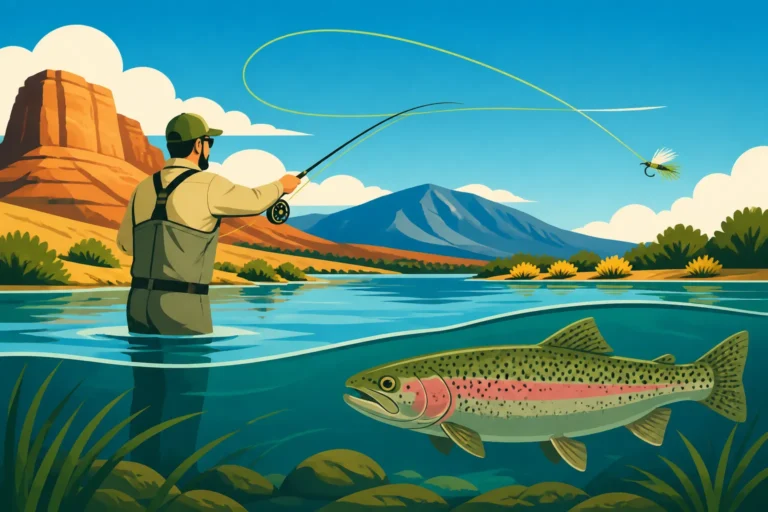
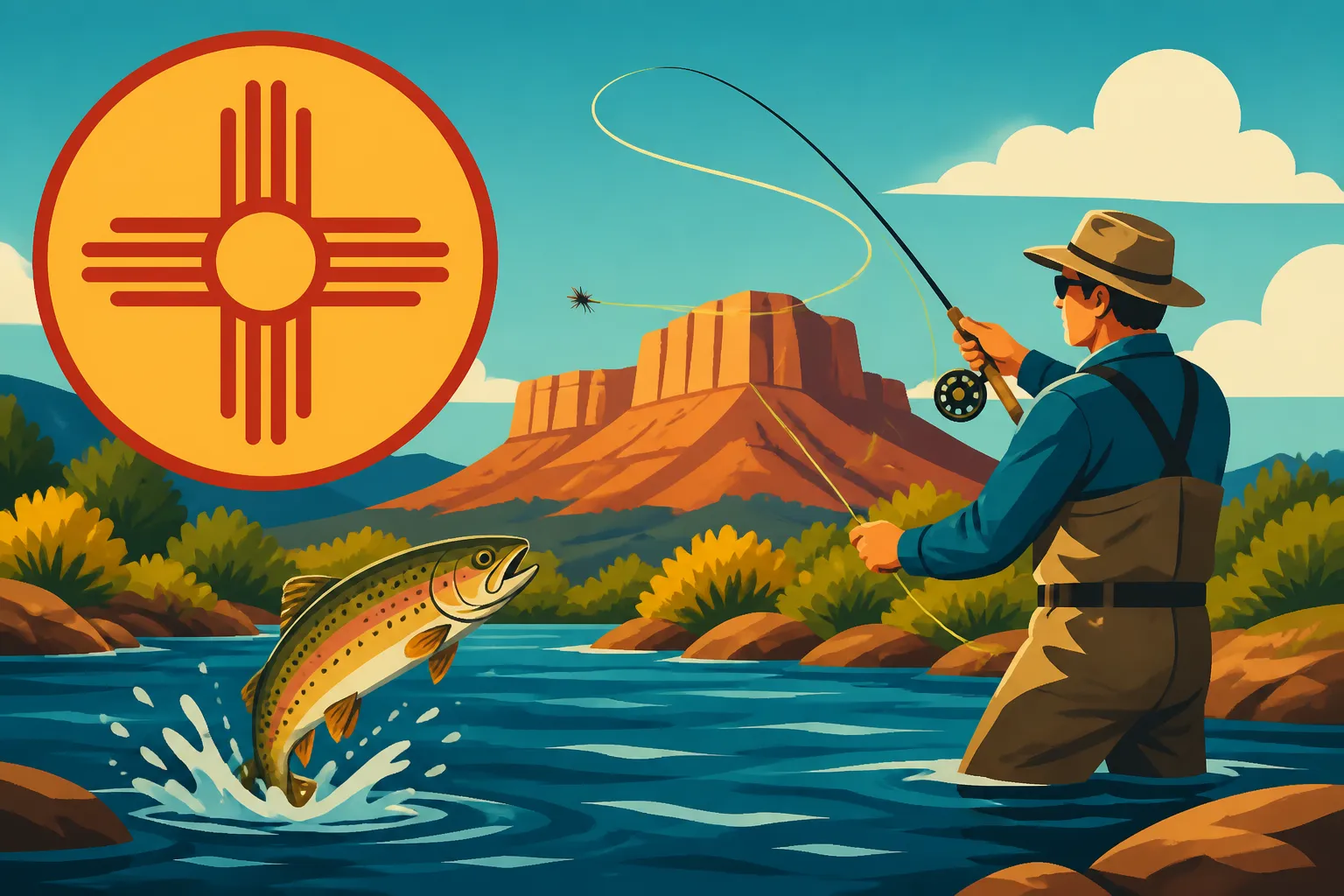
For the upper Rio Grande, fly fishing is king. The crystal-clear waters and active insect life make it an ideal setting for matching the hatch. A 9-foot, 4 or 5-weight fly rod is a versatile choice for trout, capable of handling dry flies, nymphs, and smaller streamers. Pair this with a floating line and a tapered leader (9-12 feet, 4X-6X tippet) to achieve delicate presentations. For nymphing, a New Zealand-style indicator or a dry-dropper rig often proves effective. Popular fly patterns include Parachute Adams, Elk Hair Caddis, stimulators for dry flies; Pheasant Tail Nymphs, Hare's Ear Nymphs, Copper Johns, and San Juan Worms for subsurface presentations; and small Woolly Buggers for streamers.
When the river is higher or slightly off-color, especially during or after runoff, larger streamers can be very effective for aggressive brown trout. Consider a faster action rod and perhaps a heavier tippet (2X-3X). For deeper nymphing, a sinking leader or even a short section of T-8 or T-11 sinking tip can help get your flies down quickly in the faster currents of the gorge. Don't forget a good pair of wading boots with felt or rubber soles for traction on the often-slippery riverbed. Our guide on Fly Fishing Techniques for New Mexico Rivers offers more in-depth advice.
Spinning and Baitcasting Setups
For warmwater species in the middle and lower Rio Grande, and even for trout in some sections, spinning or baitcasting gear is often the most practical and effective choice. A medium-light to medium action spinning rod, 6 to 7 feet long, paired with a matching reel spooled with 6-10 lb monofilament or braided line, is a versatile setup. This combination is strong enough to handle catfish and bass but sensitive enough for panfish.
For targeting larger catfish or any potential striped bass, a medium-heavy action rod, 7 to 8 feet long, with a reel spooled with 12-20 lb monofilament or heavy braided line (20-40 lb test) is recommended. This allows for casting heavier baits and lures and has the backbone to land bigger fish. Baitcasting setups are excellent for targeting bass with heavier lures or for precise casting in areas with dense cover. The key is to match your rod's power and action to the size of fish you expect to encounter and the type of lure or bait you'll be presenting.
Bait and Lure Recommendations
The Rio Grande's diverse fishery calls for a wide array of baits and lures. For trout in the upper river, artificial lures like small inline spinners (Mepps, Panther Martin) or spoons (Kastmaster, Daredevil) in silver, gold, or brass finishes can be highly effective, especially when fly fishing proves challenging. Soft plastics resembling worms or small minnows, fished on a light jig head, can also entice bites. Our Best Lures for New Mexico Trout guide can give you more specific ideas.
For warmwater species, the options expand significantly. Live bait is often king for catfish; nightcrawlers, stink baits, cut bait (like shad or carp), and chicken livers are all proven producers. For bass, try spinnerbaits, crankbaits, plastic worms (Texas-rigged or Carolina-rigged), and jigs. Topwater lures can be incredibly exciting during low-light conditions. Panfish will readily hit small jigs, pieces of worm, or crickets under a bobber. For carp, simple corn kernels, dough balls, or bread are often all you need. Always carry a variety of options, as fish preferences can change throughout the day and with different water conditions.
| River Section | Target Species | Recommended Gear/Technique | Key Baits/Lures |
|---|---|---|---|
| Upper Rio Grande | Rio Grande Cutthroat, Brown Trout | Fly fishing (4-5 wt), Light spin gear | Nymphs (Pheasant Tail, Copper John), Dry Flies (Adams, Caddis), Small Spinners, Spoons |
| Middle Rio Grande | Channel Catfish, Bass, Panfish | Medium spin/baitcasting (6-10lb line) | Live Worms, Stink Bait, Chicken Livers, Plastic Worms, Jigs, Crankbaits |
| Lower Rio Grande | Channel Catfish, Carp, Striped Bass | Medium-heavy spin/baitcasting (12-20lb line) | Cut Bait, Stink Bait, Corn, Large Plugs, Swimbaits |
Navigating Access, Regulations, and Conservation
Fishing the Rio Grande, like any public waterway, comes with a responsibility to understand and adhere to local rules. Ignoring these can lead to fines, but more importantly, it undermines conservation efforts crucial for the river's health. Don't let confusion about permits or access points deter you; it’s simpler than you might think once you have the right information.
Key Access Points and Public Lands
The Rio Grande offers a surprising number of public access points, though they can vary greatly depending on the section of the river. In the upper Rio Grande Gorge, several Bureau of Land Management (BLM) and State Park access points provide trails down to the river. Popular spots include the Taos Junction Bridge, Red River confluence, and various turnoffs along NM 68 and US 285. These often require a short hike down into the canyon, so be prepared for a climb back out!
In the Middle Rio Grande Valley, access is abundant. Numerous city and county parks in Albuquerque and Rio Rancho offer easy access to the river's edge, often with paved trails and parking. State Game Commission property and BLM lands also provide additional access points further south. Always look for designated parking and access areas. Be mindful of private property along the river; not all riverfront is public. A good map or a quick search for "Rio Grande public access" in your target area will yield specific locations.
Understanding New Mexico Fishing Licenses and Stamps
Before you even wet a line, you absolutely need to have a valid New Mexico fishing license. There are no exceptions for residents or non-residents over a certain age. Children under 12 typically don't need a license, but it's always best to check the current regulations, as rules can change. You can purchase your New Mexico Fishing License Guide online through the New Mexico Department of Game and Fish (NMDGF) website, at licensed vendors (like sporting goods stores or some Walmart locations), or over the phone.
In addition to your general fishing license, you'll likely need a Habitat Management and Access Validation (HMAV) stamp, commonly referred to as a "Habitat Stamp." This stamp is crucial for fishing on most public lands managed by federal or state agencies in New Mexico. There might also be additional validation requirements for specific species or waters, though less common directly on the Rio Grande itself unless targeting very specific trout species in designated areas. Always carry your license and any required stamps with you, either physically or digitally on your phone, as game wardens do patrol the river. Our guide on New Mexico Habitat Stamp and Validation Requirements covers this in detail.
Responsible Angling: Catch and Release and Bag Limits
Responsible angling is vital for maintaining the health and sustainability of the Rio Grande's fisheries. This includes understanding and adhering to bag and possession limits, which dictate how many fish of each species you can keep per day and how many you can have in your possession. These limits vary by species and sometimes by specific water, so always consult the current New Mexico Fishing Regulations Overview handbook, available online or at license vendors.
For sensitive trout populations in the upper Rio Grande, catch and release fishing is often encouraged or even mandated in certain "Special Trout Water" sections. If you're practicing catch and release, handle fish gently with wet hands, minimize their time out of water, and use barbless hooks to reduce harm. Consider a rubberized net to protect their slime coat. Even for species you plan to keep, only harvest what you'll reasonably consume. Practicing good stewardship ensures that future generations can enjoy the same incredible fishing experiences on the Rio Grande. For detailed tips, read our New Mexico Catch and Release Regulations guide.
Safety, Planning, and Making the Most of Your Trip
A great fishing trip isn't just about catching fish; it's about being prepared, staying safe, and maximizing your enjoyment of the entire experience. The Rio Grande, with its diverse terrain and conditions, demands a thoughtful approach to planning. It's not just about what's in your tackle box, but what's in your backpack and your head.
River Safety and Environmental Awareness
Safety on the Rio Grande should always be your top priority. The river can be deceptively powerful, especially during spring runoff or after heavy rains. Always check current river flows and weather forecasts before heading out. Wading can be treacherous in fast currents or on slippery rocks, so a sturdy wading staff is highly recommended, especially in the upper gorge. Wearing a personal flotation device (PFD) is a wise choice, even if you're a strong swimmer, particularly if you plan to wade in unfamiliar or swift sections.
Beyond personal safety, be environmentally aware. Pack out everything you pack in, including fishing line, bait containers, and any trash. Be cautious with campfires, especially during dry seasons, and always extinguish them completely. Respect wildlife from a distance, and never feed animals. The Rio Grande is a fragile ecosystem, and every angler plays a role in preserving its beauty and health for everyone.
Engaging Local Expertise and Charters
If you're new to fishing the Rio Grande or want to maximize your chances of success, hiring a local fishing guide or booking a charter can be an invaluable investment. Guides possess intimate knowledge of the river's ever-changing conditions, secret spots, and the most effective techniques for current fishing patterns. They can provide specialized equipment, teach you specific methods, and significantly shorten your learning curve. This is especially true for the challenging waters of the Rio Grande Gorge, where local knowledge can make all the difference.
For those looking to explore a range of options, platforms like FishingBooker connect anglers with experienced local guides and charters along the Rio Grande and its connected reservoirs. You can find guides specializing in fly fishing for trout in the north or those targeting catfish and bass in the middle and southern sections. Utilizing a service like FishingBooker allows you to compare different guides, read reviews, and book with confidence, ensuring you get the most out of your limited time on the water. A good guide can turn a confusing river into a productive and memorable experience, sharing insights you simply won't find in a book.
Accommodation and Nearby Attractions
Depending on which section of the Rio Grande you plan to fish, there's a wide array of accommodation options and nearby attractions to round out your trip. For the upper Rio Grande, towns like Taos, Española, and even Santa Fe offer hotels, motels, bed and breakfasts, and vacation rentals. Many of these towns are steeped in New Mexico culture, history, and art, providing plenty to do off the water. Camping is also popular in national forests and state parks adjacent to the upper river.
In the middle Rio Grande, Albuquerque and Rio Rancho provide all the amenities of a major city, including countless hotels, restaurants, and entertainment options. You can easily combine an urban fishing trip with exploring museums, breweries, or the historic Old Town. Further south, smaller communities like Belen and Socorro offer more modest accommodations, with opportunities to explore wildlife refuges like Bosque del Apache. No matter where you decide to drop a line, the surrounding areas often offer unique New Mexico experiences that can enhance your fishing adventure.
Special Rio Grande Destinations and Considerations
While the Rio Grande offers continuous fishing, some specific sections stand out for their unique characteristics or angling opportunities. Knowing about these special destinations can help you refine your trip planning and target very specific experiences. Each of these spots adds another layer to the Rio Grande's multifaceted identity.
Rio Grande Gorge: A High-Elevation Experience
The Rio Grande Gorge is arguably the most iconic fishing destination on the river in New Mexico. North of Taos, the river plunges into a dramatic basalt canyon, creating a wild, rugged, and incredibly scenic fishery. This section is primarily known for its wild brown trout and native Rio Grande cutthroats. The deep canyon walls provide cool, shaded waters, even on hot summer days, and the isolation makes for a truly immersive wilderness experience.
Access to the gorge typically involves a hike down steep trails, but the effort is handsomely rewarded with pristine water and challenging fish. Fly fishing is the predominant method here, with anglers often targeting riffles, runs, and the deeper pools formed by the powerful current. While the fish may not be trophy-sized in terms of length, their wildness and the sheer beauty of the surroundings make every catch feel significant. Be prepared for variable water levels, especially during spring runoff, and always be mindful of weather conditions as flash floods can be a concern during monsoon season. It's a demanding but incredibly rewarding piece of water.
Urban Fishing Parks Along the River
For those seeking convenience, especially families or beginners, several urban fishing parks dot the landscape along the Rio Grande's course, particularly in the Albuquerque metro area. While these aren't always directly on the main river itself, they are often stocked by the NMDGF and are easily accessible. These ponds provide a fantastic entry point for new anglers and consistent action for those looking for a quick outing. The NMDGF stocks these ponds with rainbow trout during the cooler months and catfish or warmwater species when temperatures rise.
These parks often feature amenities like paved paths, restrooms, and even fishing piers, making them ideal for a relaxed day of fishing. While you might not be catching wild trout from a pristine river, you'll still be enjoying the sport in a beautiful, maintained environment, often right alongside the bosque. These urban fisheries are designed to provide opportunities for everyone, making fishing accessible without having to travel far. It's a great way to introduce kids to fishing without the complexities of navigating a large river system.
Fishing Below Cochiti Dam
One specific section that deserves mention is the Rio Grande immediately below Cochiti Dam. Dams dramatically alter a river's flow and temperature, and Cochiti Dam is no exception. The water released from the bottom of the dam tends to be colder and more consistent in temperature than the free-flowing river upstream or downstream, creating a distinct tailwater environment.
This section can offer unique fishing opportunities, especially for trout that might not naturally thrive in the warmer middle Rio Grande. While not designated as a "Quality Water" like some other New Mexico tailwaters, it can still hold resident trout populations, especially during cooler periods. Anglers here might find a mix of species, from trout to bass and catfish, depending on the specific conditions. It's a dynamic area, influenced heavily by dam operations, so checking flow releases from the U.S. Army Corps of Engineers before your trip is a good idea. This specific tailwater offers a different dynamic than the wide-open river, providing a more focused fishing experience.
Disclaimer
Please remember that fishing regulations, conditions, and access points can change. Always consult the most current New Mexico Department of Game and Fish regulations before planning your trip. Be safe, respect the environment, and enjoy your time on the incredible Rio Grande.