Elephant Butte Lake Walleye Fishing
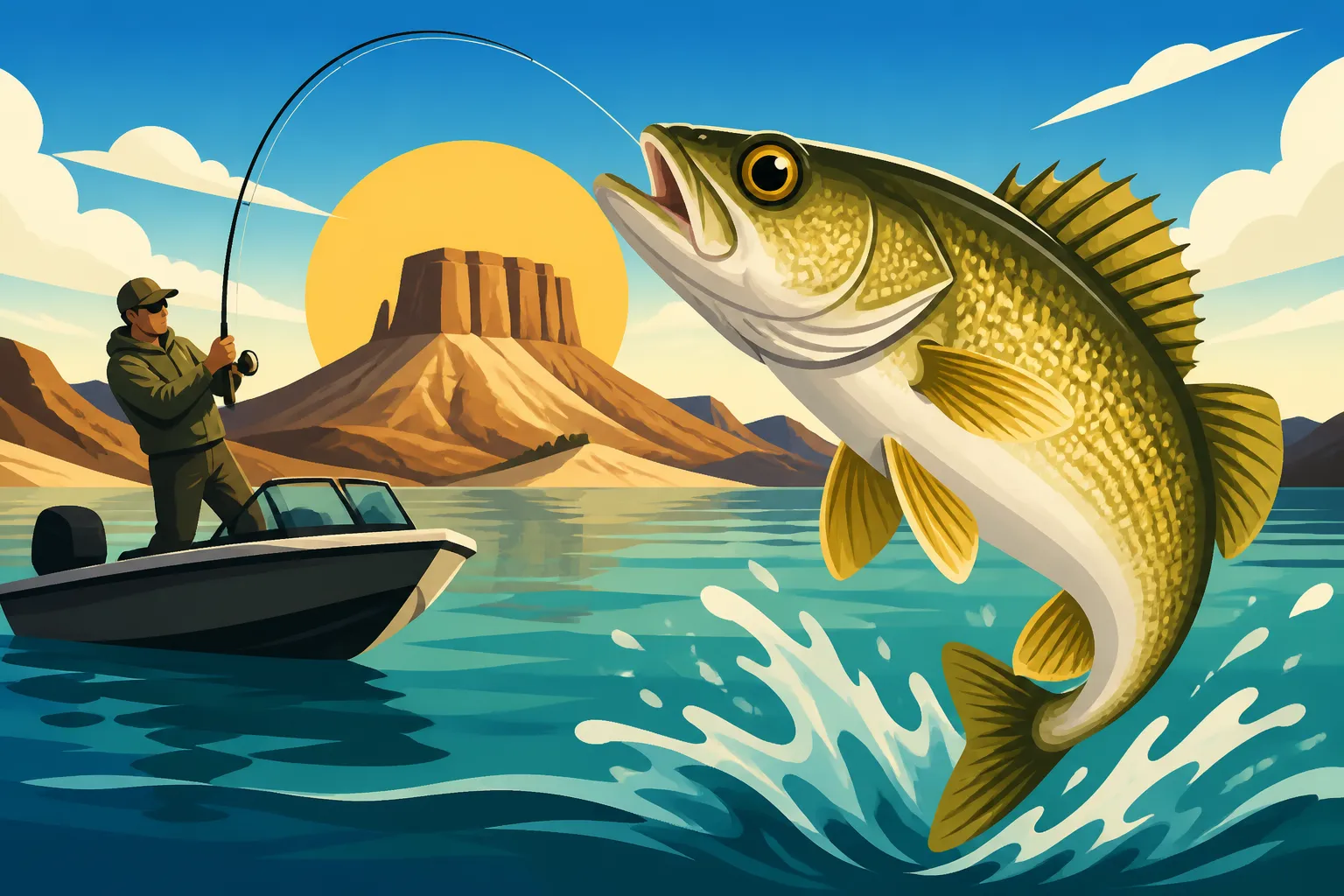
Oh, Elephant Butte Lake! It's one of those places in New Mexico that just calls to your soul, isn't it? But while many folks flock there for the famous striped bass, let's be real – trying to consistently find and hook into those elusive walleye can feel like a whole different ballgame. It’s frustrating when you hear stories of monster walleye coming out of the Butte, but your own efforts just aren't yielding those results. This guide is all about cutting through the guesswork and giving you the real scoop on how to target and successfully catch walleye in New Mexico's largest reservoir.
Understanding Elephant Butte Lake's Walleye Fishery
Elephant Butte Lake is a true gem in New Mexico, a massive impoundment of the Rio Grande that offers an incredible variety of fishing. While it's perhaps most renowned for its aggressive striped bass and burgeoning largemouth and smallmouth populations, the walleye fishery here is a hidden treasure, albeit one that demands a bit more finesse and understanding. Many anglers overlook the walleye in favor of more readily accessible species, but those who put in the effort are often rewarded with some truly magnificent catches.
Walleye Presence and Stocking History
Walleye aren't native to New Mexico, but they've found a good home in Elephant Butte Lake thanks to consistent stocking efforts by the New Mexico Department of Game and Fish (NMDGF). These efforts began decades ago, recognizing the lake's potential to support a robust population of these sought-after game fish. The goal wasn't just to add another species; it was to introduce a predator that could help manage baitfish populations and provide a fantastic sport fishing opportunity.
Over the years, the NMDGF has carefully monitored walleye populations, adjusting stocking rates to ensure a healthy, self-sustaining (to some extent) fishery. What makes Elephant Butte particularly appealing for walleye is its diverse underwater topography, ample forage, and fluctuating water levels that, despite their challenges, create dynamic feeding grounds. The walleye here can grow to impressive sizes, with the state record often coming from this very lake. It’s not uncommon to hear tales of 8-10 pound walleye, and even bigger specimens are certainly lurking in its depths. The challenges come from the sheer size of the lake and the walleye's natural inclination to hug structure and shy away from bright light, making them a more difficult target than some of their open-water counterparts.
Typical Walleye Behavior and Habitat
Walleye, often called "walleyed pike" due to their large, light-sensitive eyes, are predominantly bottom-dwelling predators. This means they're usually found closer to the lakebed, often congregating around structures that offer ambush points and shade. At Elephant Butte, this can mean anything from submerged timber, rock piles, ledges, humps, and the old river channel itself. They use these features not just for hunting, but also for protection from bright sunlight, which their eyes are not well-adapted for.
Their diet at Elephant Butte primarily consists of shad, shiners, and other smaller baitfish. Understanding this forage base is key to predicting where walleye will be. If you can locate schools of baitfish, you're often one step closer to finding the walleye that are preying on them. Walleye are also known to be schooling fish, especially the larger ones, which means when you find one, there's a good chance there are more nearby. This schooling behavior can make them incredibly rewarding to target once you dial in their location. They tend to be most active during low-light conditions – dawn, dusk, and especially at night – when their superior vision gives them an advantage over their prey. During the day, they'll retreat to deeper, darker water or thick cover.
Prime Seasons and Times for Walleye Success
One of the biggest frustrations for anglers new to walleye fishing at Elephant Butte is figuring out when to go. It's not like the stripers that might be blowing up on the surface during a summer morning. Walleye have distinct seasonal patterns that dictate their location and feeding habits. Knowing these patterns is half the battle won, turning frustrating blank days into productive outings.
Spring Spawning Run Magic
Spring is arguably the most anticipated time for walleye anglers at Elephant Butte. As water temperatures begin to climb, typically from March into April and May, walleye migrate from their deeper wintering grounds to shallower, rocky areas to spawn. This pre-spawn and spawn period offers some of the best opportunities to catch large, aggressive fish.
During the pre-spawn, when water temperatures are in the high 40s to low 50s Fahrenheit, walleye will stage in deeper water adjacent to their spawning flats. They're feeding heavily, building energy for the spawn, making them very susceptible to jigs, crankbaits, and live bait presented slowly. As the water warms further into the mid-50s, the actual spawn begins. Walleye will move onto rocky points, submerged humps, and gravel beds, particularly those with access to deeper water. Post-spawn, the fish will be somewhat lethargic but will quickly recover and start feeding aggressively again to regain strength. Focus on those same spawning areas but expand your search to slightly deeper breaks nearby. The key is slow, methodical presentations during this time.
Summer Deepwater Tactics
Once the scorching New Mexico summer heat sets in and surface water temperatures soar, Elephant Butte walleye retreat to the cooler, deeper parts of the lake. This is when anglers need to shift their focus from shallow spawning grounds to the thermal refuges in the main lake basin. It can be challenging to locate these fish, but with the right gear and approach, summer can still be incredibly productive.
During the day, walleye will often suspend in deep water, or hug the bottom along the old river channel, steep drop-offs, and deep humps. They'll be seeking out the cooler, more oxygenated water. Trolling deep-diving crankbaits or spinner rigs with nightcrawlers (often called "worm harnesses") can be highly effective during these hours. Another excellent strategy for summer walleye is night fishing. Under the cover of darkness, walleye become much more active, often moving into shallower depths (but still preferring structure) to feed. Casting stickbaits or jigging spoons around lighted docks or submerged points after sundown can yield fantastic results. Don't underestimate the power of a quiet approach and a well-placed jig during these low-light periods.
Fall Feast and Winter Slow Down
As the oppressive summer heat begins to wane and water temperatures start to cool in the fall, walleye at Elephant Butte enter a period of aggressive feeding. They know winter is coming, and they'll be packing on the pounds, making them incredibly active and willing biters. This "fall turnover" period can be fantastic, as walleye become less depth-sensitive and will roam more freely in search of baitfish.
Look for them congregating around main lake points, submerged islands, and secondary channels. Trolling crankbaits, jigging spoons, or even casting swimbaits can be very effective. This is often when some of the biggest walleye are caught, as they're actively chasing down larger prey. As winter truly sets in and water temperatures drop into the low 40s and 30s, the bite will slow significantly. Walleye will return to their deep wintering holes, becoming more sluggish and requiring extremely slow presentations. While Elephant Butte rarely freezes over enough for safe ice fishing, some anglers still manage to catch winter walleye by targeting deep structure with vertical jigs or blade baits. Patience becomes a virtue during these colder months. The most important thing is to match your retrieve speed to the fish's metabolic rate; slow and subtle is usually the way to go. You can find more specific details about the best times to target different species in New Mexico by checking out our guide on the Best Time of Year to Fish in New Mexico.
Essential Gear and Tackle for Elephant Butte Walleye
One of the biggest hurdles for any angler, especially when chasing a specific species like walleye, is knowing what gear actually makes a difference. You don't need to break the bank, but having the right tools for the job can significantly increase your success and reduce frustration. Elephant Butte is a big, open lake, and fishing for walleye often means dealing with wind, waves, and deep water, so your equipment needs to be up to the task.
Rods, Reels, and Line Choices
For walleye fishing at Elephant Butte, versatility is key. You'll likely be employing a mix of techniques, from vertical jigging to casting and trolling.
- Rods: A good all-around rod for walleye is a medium-light to medium power spinning rod, typically 6'6" to 7'6" in length, with a fast action tip. This combination provides enough backbone to fight larger fish, while the sensitive tip allows you to detect subtle bites, which walleye are notorious for. If you're planning on doing a lot of trolling, a medium power casting rod, around 7 to 8 feet, with a more moderate action, can absorb the shock of strikes and keep lures running true. For vertical jigging in deeper water, some anglers prefer shorter, more sensitive rods, around 6' to 6'6", to maximize feel.
- Reels: Pair your spinning rods with 2500-3000 series spinning reels, known for their smooth drag and reliable retrieves. For casting or trolling setups, a baitcasting reel with a good line counter can be invaluable for consistent depth control. Brands like Shimano, Daiwa, or Pflueger offer excellent options that are durable and perform well in harsh conditions.
- Line: For most walleye applications, a 6-10 lb test monofilament or fluorocarbon line is a solid choice. Monofilament offers a bit of stretch, which can be forgiving on aggressive strikes, and it floats, which is good for some presentations. Fluorocarbon, on the other hand, is nearly invisible underwater, sinks, and has much less stretch, offering superior sensitivity. Many anglers opt for a main line of 10-20 lb braided line, especially for jigging and trolling, due to its incredible sensitivity and strength-to-diameter ratio. When using braid, always tie on a 6-10 lb fluorocarbon leader of about 3-6 feet. This leader provides stealth in clear water and offers abrasion resistance around rocky structure.
Baits and Lures That Get Bites
Walleye can be picky eaters, but there are a few consistent performers at Elephant Butte that should always be in your tackle box.
- Jigs: Jigs are perhaps the most versatile walleye lure. ¼ oz to ½ oz jigs, tipped with a grub, worm, or minnow, are deadly. Colors like white, chartreuse, pumpkinseed, and black are perennial favorites. Try a jigging spoon or blade bait in deeper water, especially during colder months. The "New Mexico Fishing Regulations Overview" reminds us that while artificial lures are often preferred, live bait is generally allowed, so always check the current rules.
- Crankbaits: Deep-diving crankbaits are essential for trolling, reaching walleye holding in 15-30+ feet of water. Choose models that mimic shad, a primary forage species in Elephant Butte. Colors like chrome/blue, firetiger, pearl, and natural shad patterns are excellent. Brands like Rapala (Deep Husky Jerk, Shad Rap), Berkley (Dredger), and Strike King (Pro-Model Crankbaits) are very popular. For casting, shallow-to-medium running crankbaits can work well around points and drop-offs during low-light conditions.
- Spinner Rigs (Worm Harnesses): These are incredibly effective, especially when trolled slowly. A spinner rig typically consists of a clevis with a blade (Colorado, Willow Leaf), beads, and two snelled hooks, often tipped with a live nightcrawler. The flash and vibration attract walleye, while the natural scent and action of the worm seals the deal. Try different blade colors and sizes.
- Live Bait: Don't underestimate the power of live bait. Finesse presentations with live minnows (shiners are fantastic), nightcrawlers, or leeches (where legal) can often entice even the most finicky walleye. Use a slip bobber rig, a simple weighted jig head, or a bottom bouncer rig.
Electronics and Boat Setup
Fishing Elephant Butte without proper electronics is like trying to navigate a maze blindfolded. This is a vast, often deep lake, and locating walleye requires technology. If you're considering buying new gear, our guide on Best Fishing Gear for New Mexico Anglers offers some great insights.
- Fish Finders/Sonar: A quality fish finder with Down Imaging and Side Imaging capabilities is crucial. Brands like Humminbird (Helix, Solix series) and Lowrance (HDS, Elite Ti2) are popular choices. These units allow you to not only see fish arches but also visualize underwater structure, brush piles, and contours in incredible detail, helping you identify prime walleye habitat. The ability to mark waypoints for productive spots is invaluable.
- GPS/Mapping: Integrated GPS with detailed lake mapping (Navionics, C-MAP) is essential for navigating Elephant Butte safely and efficiently. It helps you identify depth changes, old creek channels, and humps that are walleye magnets. Marking waypoints where you catch fish or see promising structure is critical for repeatability.
- Trolling Motor: A bow-mount electric trolling motor with GPS-controlled spot-lock (like a Minn Kota Terrova or Ulterra with i-Pilot, or a Lowrance Ghost) is a game-changer for walleye fishing. It allows you to precisely hold your boat over a specific piece of structure, troll at exact speeds, or quietly move along a contour without spooking fish. This is almost a necessity for effective walleye fishing, especially when jigging or working subtle break lines.
- Boat Considerations: Elephant Butte can get windy and produce significant waves. A stable, comfortable boat is important. Consider models like a deep-V aluminum boat or a fiberglass bass boat, generally 17 feet or longer, to handle the conditions. For those who don't own a boat, there are options for Where to Rent a Boat at Elephant Butte Lake, which can be a great way to experience the lake's walleye fishing. You can also explore options for Best Boats for New Mexico Reservoir Fishing if you're looking to purchase.
Mastering Walleye Techniques at Elephant Butte
Catching walleye consistently isn't about luck; it's about understanding and applying the right techniques for the conditions. Walleye are often subtle biters, and learning how to present your lure effectively and detect those faint takes is critical. It's a skill that takes practice, but the rewards are well worth the effort.
Effective Jigging and Casting Strategies
Jigging and casting are hands-on, active ways to target walleye, and they can be incredibly effective when done correctly. These methods allow you to pinpoint specific pieces of structure where walleye might be holding.
- Vertical Jigging: When walleye are concentrated on deep structure or tight to the bottom, vertical jigging is often the most productive method. Position your boat directly over the structure using your trolling motor and electronics. Drop a jig (tipped with bait or a soft plastic) straight down to the bottom. Slowly lift your rod tip a few inches, then let the jig fall back on a semi-slack line, allowing it to "dance" on the bottom. Most bites will occur on the fall or just as you lift it. Pay close attention to your line; a slight twitch, a feeling of "mushiness," or even just the line stopping before it hits the bottom can indicate a bite. This technique is often discussed in our guide on Jigging for Walleye in New Mexico.
- Pitching Jigs: For shallower water (under 15 feet) or when fish are scattered along a breakline, pitching jigs can be very effective. Cast your jig past the target area, let it sink to the bottom, and then slowly retrieve it with short hops or drags along the bottom. Experiment with different retrieve speeds and jig weights until you find what the fish prefer. This method works well around rocky points, submerged timber, and along the edges of weed beds (if present).
- Casting Crankbaits/Stickbaits: During low-light periods (dawn, dusk, night) or when walleye are actively chasing bait near shallower cover, casting crankbaits or stickbaits can trigger aggressive strikes. Focus on areas where you see baitfish or where structure comes up from deep water, like main lake points. A slow, steady retrieve or a "twitch, twitch, pause" retrieve can often be the ticket.
Trolling for Deepwater Walleye
Trolling is perhaps the most popular and often most effective method for covering large areas of Elephant Butte and locating scattered walleye, especially during the summer and fall months when they're in deeper water. It allows you to present multiple lures at different depths and speeds until you find the fish.
- Lure Selection and Depth Control: As mentioned, deep-diving crankbaits are your go-to for trolling. Understanding how deep your particular crankbait runs at a given speed and with a certain line type is crucial. Utilize resources (like manufacturer dive charts or online calculators) to estimate running depths. Experiment with different colors and sizes until you find what triggers bites.
- Speed and Direction: Walleye typically prefer slower trolling speeds, usually between 1.0 to 2.5 mph. However, sometimes a slight increase or decrease in speed can make all the difference. Don't be afraid to make subtle turns; these changes in speed and lure action can often provoke a strike from following fish. Troll along contours, across humps, and through old river channels. Pay close attention to your electronics to identify potential fish-holding structure.
- Planer Boards and Lead Core: For wider coverage, especially in clear water where fish might be spooky, inline planer boards are invaluable. They allow you to run multiple lines away from the boat, covering a broader swath of water. For extremely deep walleye (30+ feet), or when you want precise depth control without heavy weights, lead core line can be used, although it requires specific trolling setups.
Using Live Bait and Slip Bobbers
Sometimes, nothing beats the natural appeal of live bait. Walleye are predators, and they instinctively respond to the scent and movement of a struggling baitfish or worm.
- Bottom Bouncer Rigs: This is a classic walleye live bait setup for covering water. A bottom bouncer is a weighted wire arm that keeps your bait elevated just off the bottom while preventing snags. You attach a snelled hook (often a "worm harness" with a spinner blade) to the bottom bouncer, tip it with a nightcrawler or minnow, and slowly troll or drift it along contours. The bouncer taps the bottom, creating commotion, while your bait trails behind, enticing walleye.
- Slip Bobber Rigs: For precise presentations over specific pieces of deep structure, a slip bobber rig is incredibly effective. This rig allows you to fish live bait at a precise depth, often suspended just above fish you've marked on your sonar or right in their strike zone. Set your bobber stop at the desired depth, cast your rig (often a small jig head or plain hook with a split shot, tipped with a minnow or leeches) over the structure, and let it drift naturally. The natural movement of the live bait can be irresistible to finicky walleye.
- Still Fishing: In calmer conditions, or when targeting a specific school of fish you've located, simply anchoring or spot-locking and presenting live bait directly to them can be deadly. This is especially true during colder water periods when walleye are less willing to chase. Just make sure you understand the regulations regarding bait use; for instance, the New Mexico Fishing Regulations Overview will outline what kinds of live bait are permissible in particular waters.
Key Walleye Hotspots and Structure
Elephant Butte Lake is a huge body of water, and trying to find walleye without understanding where they prefer to hang out can be incredibly daunting. It's not enough to just know the techniques; you need to know where to apply them. Walleye are creatures of habit and structure, and once you start identifying these key features, your success rate will soar.
Productive Coves and Channels
Elephant Butte is riddled with coves, points, and the remnants of the old Rio Grande river channel, all of which can be prime walleye habitat. Focusing your efforts on these areas can save you a lot of time and fuel.
- Longpoint and Rock Canyon: These areas, located on the western side of the lake, are legendary for a reason. They feature significant underwater topography, including rocky points that drop off into deeper water, submerged humps, and access to the old river channel. Walleye will stage on these points during the spawn and retreat to deeper water nearby during the summer. Trolling along the breaklines here or jigging the ledges can be very productive.
- Monticello Canyon and Kettle Top Area: On the eastern side, Monticello Canyon offers similar characteristics, with steep rock walls and deep water. The Kettle Top area, an iconic submerged feature, is a known walleye magnet, acting as a deepwater refuge and ambush point. These areas are fantastic for vertical jigging or slow trolling. The varying depths and structures here provide consistent habitat throughout the year, making them reliable spots to check.
- Creek Channels and Inlets: Pay close attention to any areas where creeks or washes feed into the lake, especially after rain. These can create natural channels and bring in nutrients, attracting baitfish and subsequently, walleye. The mouths of larger coves often have subtle depth changes that can hold fish.
The Importance of Submerged Structure
Walleye are masters of camouflage and ambush, and they rely heavily on submerged structure for both protection and hunting. Learning to "read" your electronics and identify these features is perhaps the single most important skill for consistent walleye success at Elephant Butte.
- Old River Channel: The remnants of the old Rio Grande river channel wind through the deepest parts of Elephant Butte. This channel, with its distinct drops, humps, and ledges, acts as a superhighway and primary habitat for deepwater walleye. Learn to follow its contours on your map and sonar, and target the edges and any associated structure within it. This is a prime trolling avenue in summer and a jigging paradise in winter.
- Humps and Points: Any isolated hump or submerged point that rises from deeper water is a potential walleye hotspot. These features act as gathering points for baitfish and provide excellent ambush opportunities for walleye. Use your Side Imaging to scan around these features, looking for fish marks or schools of bait. Then, deploy your trolling motor's spot-lock feature and meticulously fish them with jigs or slip bobbers.
- Brush Piles and Timber: While Elephant Butte can be relatively clear of standing timber in its deeper sections, submerged brush piles, especially in the upper arms of the lake or in coves with old tree lines, are walleye magnets. These provide excellent cover and shade. Fish these carefully with weedless jigs or vertical presentations to avoid snags. Be aware of varying water levels; a brush pile that was deep one year might be exposed the next.
- Rocky Ledges and Rubble: Walleye love rocks! Rocky ledges, rubble fields, and transitions from hard bottom to soft bottom are all prime areas. These provide hiding spots and are often where baitfish graze. Crankbaits that "bang" off the rocks can trigger reaction strikes, while jigs slowly worked through them can be incredibly effective.
For a broader perspective on productive fishing spots in the state, consider our comprehensive guide on the Best Places to Fish in New Mexico, which highlights Elephant Butte and many other fantastic locations.
Navigating Regulations and Conservation
Fishing for walleye at Elephant Butte is a privilege, and it comes with the responsibility of understanding and adhering to New Mexico's fishing regulations. These rules are put in place to ensure the sustainability of the fishery for generations to come. Nothing is more frustrating than unknowingly violating a rule, so staying informed is crucial.
Understanding New Mexico Walleye Regulations
The New Mexico Department of Game and Fish (NMDGF) regularly updates its fishing proclamations, and it's your responsibility to know the current rules before you hit the water. These regulations cover everything from daily bag and possession limits to size restrictions and gear requirements.
- Bag and Possession Limits: Walleye at Elephant Butte generally fall under the statewide warm water fish regulations, but specific changes can occur. Currently, the daily bag limit for walleye is generally generous, but there might be specific size restrictions (e.g., only one fish over a certain length) or slot limits designed to protect larger spawning fish. Always double-check the latest NMDGF rules, especially for Elephant Butte. You can usually find these in the annual fishing proclamation or on the NMDGF website. Our guide on New Mexico Warm Water Fish Bag Limits can provide some general information, but direct consultation with the NMDGF resources is always recommended.
- Fishing License and Stamps: Remember, a valid New Mexico fishing license is required for anyone 12 years of age or older. Depending on where you fish (e.g., federal lands), you might also need a Habitat Management & Access Validation or a New Mexico Habitat Stamp. Our New Mexico Fishing License Guide or the article on New Mexico Habitat Stamp Cost and Requirement can give you all the details you need to ensure you're fully compliant before you cast a line.
- Bait and Tackle Restrictions: While live bait is generally allowed, certain restrictions may apply in specific areas or for certain species. Always ensure your chosen bait and tackle comply with the general statewide regulations and any lake-specific rules for Elephant Butte. Barbless hooks are not typically required for walleye at Elephant Butte, but they are a good conservation practice if you plan on releasing fish.
It’s easy to get caught up in the excitement of fishing, but taking a few minutes to review the current New Mexico Fishing Regulations Overview is non-negotiable. Ignorance of the law is not an excuse, and penalties for violations can include hefty fines and loss of fishing privileges.
Practicing Responsible Angling
Beyond just following the rules, truly great anglers embrace a mindset of conservation and respect for the resource. Practicing responsible angling ensures that Elephant Butte's walleye fishery remains vibrant for everyone to enjoy for years to come.
- Catch and Release Best Practices: If you plan on releasing walleye, especially larger breeding-age fish, handle them with care. Minimize their time out of the water, use a rubberized landing net to protect their slime coat, and avoid touching their gills. If a fish is bleeding or deeply hooked, it's often best to cut the line as close to the hook as possible. Always use wet hands when handling fish to avoid removing their protective slime.
- Respecting the Environment: Always pack out everything you pack in. This includes old fishing line, bait containers, and any trash. Leave no trace. Also, be mindful of other anglers and boaters on the lake. Elephant Butte is a popular spot for many recreational activities, so courtesy goes a long way.
- Reporting Violations and Observing: If you observe any suspicious activity or blatant violations of fishing regulations, report it to the NMDGF Operation Game Thief program. Protecting our fisheries is a collective effort. Your observations can help combat poaching and other harmful practices that threaten the health of the walleye population.
By staying informed and practicing ethical angling, you contribute to a positive fishing experience for everyone and help safeguard the fantastic walleye opportunities that Elephant Butte Lake offers. It's a challenging but incredibly rewarding pursuit, and with the right knowledge and a respectful approach, you'll be well on your way to consistent success. If you're looking for local expertise or want to try a guided trip to learn the ropes, consider checking out platforms like FishingBooker, where experienced guides specializing in Elephant Butte walleye can provide invaluable insights and put you on the fish.
| Season | Key Characteristics | Best Baits/Lures | Typical Depths | Notes |
|---|---|---|---|---|
| Spring | Pre-spawn, spawning, post-spawn activity. Water temps 45-60°F. Fish moving to shallower rocky areas. | Jigs (tipped with minnows/grubs), shallow/medium crankbaits, slow-trolled worm harnesses. | 5-20 feet (pre-spawn/spawn), 10-30 feet (post-spawn) | Aggressive bites, often larger fish. Focus on rocky points and humps. |
| Summer | Deepwater refuge from heat. Water temps 70-85°F. Fish retreat to cooler, deeper water. | Deep-diving crankbaits (trolled), vertical jigs, live bait on bottom bouncers, night fishing with stickbaits. | 20-50+ feet (day), 10-30 feet (night) | Focus on main lake basin, old river channel, deep humps. Night fishing can be excellent. |
| Fall | Aggressive feeding before winter. Water temps 55-70°F. Fish more active, roam widely. | Trolled crankbaits, jigs, swimbaits, spinner rigs. | 15-40 feet | Often best for trophy walleye. Look for baitfish schools. |
| Winter | Slow metabolism, deep staging. Water temps 35-45°F. Fish tight to deep structure, less active. | Vertical jigs, blade baits, extremely slow live bait presentations. | 30-60+ feet | Requires patience and precise electronics. Target deep humps and channel edges. |
Disclaimer
Please remember that fishing regulations, water levels, and fish behavior can change rapidly. Always consult the official New Mexico Department of Game and Fish (NMDGF) website or their current year's fishing proclamation for the most up-to-date and accurate regulations before you go fishing. This guide provides general information and recommendations, but personal verification of all rules and conditions is your responsibility. FishingBooker is a third-party service, and its use is subject to its own terms and conditions.