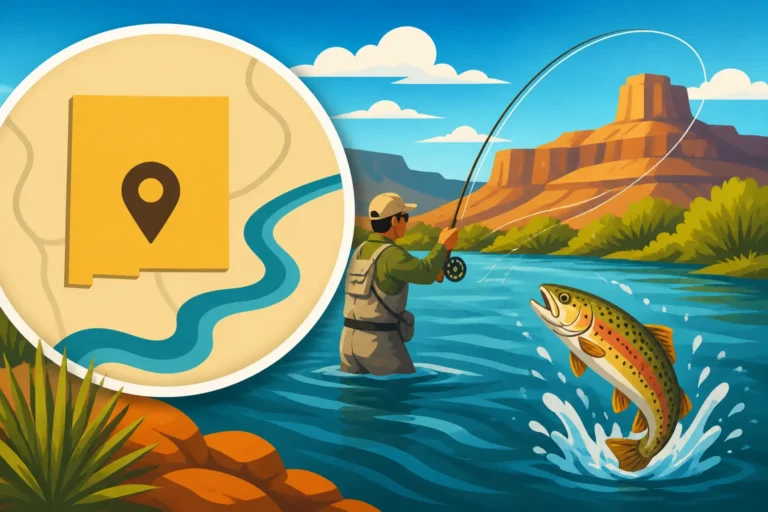
Gila River Wild Trout Fishing
For many anglers, the dream of hooking into a truly wild trout, far from the crowds and stocked waters, is what drives their passion. But finding these elusive fish, especially the native Gila trout in the rugged, remote canyons of the Gila River, can feel like searching for a needle in a haystack. This guide is dedicated to revealing the secrets of Gila River wild trout fishing, offering comprehensive insights into where to go, what to expect, and how to successfully and responsibly pursue these magnificent fish in their natural habitat.
Understanding the Gila River's Unique Wild Trout Ecosystem
The Gila River, especially its headwaters and tributary streams within the vast Gila National Forest, holds a special place in the hearts of New Mexico anglers. This isn't your typical easy-access, heavily stocked trout fishery. What makes the Gila truly stand out is its commitment to conservation and the presence of the native Gila trout (Oncorhynchus gilae), a species with a remarkable comeback story. This isn't just about catching fish; it's about connecting with a pristine environment and a part of New Mexico's natural heritage.
The Gila National Forest encompasses over 3.3 million acres, much of it designated wilderness, including the Gila Wilderness and Aldo Leopold Wilderness. This rugged landscape, characterized by deep canyons, volcanic plateaus, and ponderosa pine forests, provides the perfect secluded environment for wild trout populations to thrive. The sheer remoteness often deters casual anglers, preserving the delicate ecosystem and ensuring a true wilderness experience for those willing to venture deep. Understanding this unique geography is key to successful Gila River wild trout fishing. The streams are typically smaller, colder, and clearer than larger rivers, flowing through canyons that require significant hiking to reach. These aren't the broad, easy-to-wade rivers you might find elsewhere; they demand respect and preparation.
Perhaps the biggest draw to the Gila is the opportunity to pursue the Gila trout, New Mexico's state fish. This beautiful, olive-gold trout with distinct spotting was once on the brink of extinction but has made a remarkable recovery thanks to dedicated conservation efforts. Beyond the Gila trout, you might also encounter wild brown trout and rainbow trout, especially in stream sections outside the specific Gila trout recovery areas or in lower, less protected reaches. However, the primary focus for most venturing into the Gila wilderness is the Gila trout. Knowing how to identify a Gila trout from a rainbow trout is crucial, especially since specific regulations apply to these native fish. Their delicate nature and protected status mean that responsible angling practices are paramount, making this more than just a fishing trip – it's an educational and conservation experience rolled into one. You might find resources on platforms like FishingBooker that highlight guides specializing in native trout conservation fishing, offering ethical approaches to targeting these species.
The Comeback Story of the Gila Trout
The Gila trout’s journey from near extinction to a thriving population is a testament to dedicated conservation work. Historically, these trout were found in the headwaters of the Gila River and the Verde River systems in Arizona. Overfishing, habitat degradation from logging and grazing, and hybridization with non-native rainbow trout drastically reduced their numbers. By the mid-20th century, they were rarely seen, leading to their listing as an endangered species in 1973. This dire situation spurred intense recovery efforts by state and federal agencies, including the New Mexico Department of Game and Fish, U.S. Fish and Wildlife Service, and the U.S. Forest Service.
These efforts focused on stream restoration, removal of non-native fish species through electrofishing or chemical treatment, and the establishment of barrier waterfalls or dams to prevent non-native fish from re-entering Gila trout habitat. Reintroduction of pure-strain Gila trout from isolated populations in remote tributaries was also a critical component. For example, populations from the Diamond Creek drainage have been vital to restocking other waters. Over decades, these painstaking efforts paid off. In 2012, the Gila trout was downlisted from endangered to threatened, a significant milestone that opened up limited, regulated fishing opportunities, further fueling interest in Gila Trout in New Mexico. Anglers now have the unique privilege of fishing for a species that was almost lost forever, reinforcing the need for strict adherence to catch-and-release practices and respectful engagement with their habitat.
Prime Gila River Fishing Zones
The Gila River system is vast, but for wild trout, especially Gila trout, you need to focus on specific, often high-elevation tributary streams within the Gila National Forest. These streams are typically located within the Gila Wilderness or the Aldo Leopold Wilderness areas. Key areas to explore include the headwaters of the Gila River itself, as well as tributaries like Mineral Creek, Iron Creek, and the East Fork of the Gila River. These are often designated as "Gila Trout Recovery Waters" and have specific, sometimes more restrictive, regulations to protect the native population.
Another prominent area is the Black Range, where streams like Black Canyon and Diamond Creek flow. The journey to these locations is often an adventure in itself, involving long hikes, sometimes through rough terrain, and occasionally requiring stream crossings. It's not uncommon for these remote sections to require a full day of hiking just to reach the prime fishing grounds, meaning overnight camping is often a necessity. This dedication is exactly what preserves the wild character of the fishery. Before heading out, it's essential to consult the latest New Mexico Department of Game and Fish regulations booklet or website to confirm current stream conditions, access restrictions, and special rules for specific Gila trout waters, as these can change. You can also look for experienced local guides on platforms like FishingBooker who can offer up-to-date information on the most productive and accessible wild trout streams within the Gila National Forest.
Accessing the Remote Gila River Wild Trout Waters
Venturing into the Gila River wilderness for wild trout fishing is not for the faint of heart or the unprepared. This isn't a place you just drive up to and start casting. The beauty of the Gila lies in its rugged, undeveloped nature, which means access often involves significant effort and planning. Expect to trade paved roads for dirt tracks, and then those dirt tracks for hiking trails, or even cross-country navigation in some cases. The reward, however, is an unparalleled sense of solitude and the chance to fish waters untouched by heavy human pressure.
Accessing these remote waters requires more than just knowing where the fish are; it demands a deep respect for the wilderness, excellent navigational skills, and a commitment to self-sufficiency. Cell service is virtually nonexistent in most of the wilderness areas, so don't count on your smartphone for directions or emergencies. A map, compass, or a reliable GPS device is absolutely essential. Furthermore, understanding the specific access points and trailheads is critical. Many streams flow through deep canyons, meaning even if you get close, you might need to descend steep, unmaintained paths to reach the water. Being physically prepared for strenuous hikes, often with gear on your back, is a must for anyone planning a Gila wild trout adventure.
Essential Wilderness Permits and Regulations
Before even lacing up your hiking boots, you need to ensure you have all the necessary permits and understand the specific regulations for fishing in the Gila National Forest and its wilderness areas. First and foremost, a valid New Mexico Fishing License Guide is required for anyone 12 years or older. This is non-negotiable, and failing to have one can result in hefty fines. Beyond the standard fishing license, you'll need to be aware of the "Habitat Management & Access Validation" (HMAV), which is typically required to fish on Forest Service or BLM lands. This validation helps fund projects that improve access and habitat for wildlife across New Mexico.
For fishing specifically in Gila trout recovery waters, there might be additional, highly specific rules. For example, many of these waters are strictly catch-and-release, often requiring the use of artificial flies or lures with barbless hooks only. Knowing New Mexico Trout Fishing Rules that apply to these special areas is paramount. It’s also important to check if you need a free permit to fish for Gila trout, as some specific recovery waters might have this requirement to help the New Mexico Department of Game and Fish monitor angler use and Gila trout populations. Always consult the current New Mexico Fishing Regulations Overview before your trip, as these rules can change annually or for specific seasons. Many experienced anglers find it helpful to connect with local outfitters or leverage platforms like FishingBooker to find guides who are intimately familiar with the most current regulations for these sensitive areas.
Trailheads and Entry Points
The main entry points into the Gila National Forest for wild trout fishing generally involve driving to trailheads located off state highways or well-maintained forest roads. Popular starting points include areas near Silver City, Glenwood, Mimbres, and Reserve. From these larger towns, you’ll often take less-traveled forest roads, which can range from smoothly graded dirt to rough, rocky paths requiring high-clearance 4×4 vehicles, especially after rain or snow. Always check road conditions with the Forest Service ranger district offices before heading out.
Once at a trailhead, your journey truly begins. Trails can range from well-marked paths to faint, overgrown routes that require careful navigation. Some of the most productive Gila trout waters are found deep within the wilderness, meaning hikes of 5 to 10 miles (or more) one-way are common. For instance, accessing portions of the East Fork of the Gila River might involve trails descending into the canyon from high mesas, presenting challenging elevation changes. Similarly, reaching remote sections of Mineral Creek or Black Canyon often requires a multi-day backpacking trip. This is where a detailed topographical map and a GPS become your best friends. Pack light but wisely, and always let someone know your itinerary before heading into these remote Best Fishing Spots in the Gila National Forest areas. It's a true wilderness experience, demanding respect for its wildness and preparation for its challenges.
Essential Techniques and Gear for Gila River Wild Trout
Fishing for wild trout in the Gila River system is a departure from many other trout fisheries. These fish are wary, their habitats are often tight and brushy, and the streams themselves are typically small. This means you need to adjust your approach and gear significantly to be successful and, more importantly, to ensure the well-being of these precious fish. Ultra-light tackle, stealth, and a focus on presentation are far more important than brute force or casting distance.
Because of the delicate nature of the Gila trout and their typically small size, catch and release is not just encouraged, it's often mandated. Therefore, your techniques and gear choices should prioritize minimal impact on the fish. This includes using appropriate line strength, barbless hooks, and proper fish handling. The remote, rugged environment also dictates what gear you can realistically carry, so versatility and durability are key considerations. Remember, you’ll likely be hiking for hours, so every ounce counts.
Fly Fishing Strategies for Gila Trout
Fly fishing is by far the most popular and effective method for wild trout in the Gila River, especially for the native Gila trout. The small stream environments, often characterized by short casting lanes and dense riparian vegetation, lend themselves perfectly to a precise, delicate fly-fishing approach. When considering Fly Fishing Techniques for New Mexico Rivers, stealth is your greatest ally here. Wild Gila trout are extremely skittish, and heavy footsteps, bright clothing, or clumsy casting will send them darting for cover. Approach pools and runs slowly, staying low and out of the fish's line of sight as much as possible.
Your setup should be light: a 2-weight or 3-weight fly rod, 6 to 7.5 feet long, is ideal for navigating tight spaces and making accurate, short casts. Pair this with a matching small reel and a weight-forward floating line. Leaders should be relatively long, 7.5 to 9 feet, tapered down to a fine tippet (5X or 6X, sometimes even 7X) to ensure a natural drift. Given the abundance of insects in these pristine environments, a variety of small dry flies and nymphs will generally work well. Think small parachute Adams, Elk Hair Caddis, or attractor patterns in sizes 16-20 for dries, and Pheasant Tail Nymphs, Hare's Ear Nymphs, or Copper Johns in similar small sizes for subsurface work. Often, terrestrial patterns like ant or beetle imitations can be deadly during warmer months when they inadvertently fall into the water. Presenting your fly with a gentle, accurate cast is more important than distance; often, you'll be making casts of only 10-20 feet. This kind of precise, technical fly fishing is a deeply rewarding experience.
Spin Fishing for Wild Trout
While fly fishing tends to be the preferred method for the Gila, spin fishing can also be effective, particularly for those new to fly fishing or in areas where casting space is exceptionally tight. However, the same principles of stealth and light tackle still apply. You'll want an ultra-light spinning rod, ideally 5 to 6 feet long, paired with a small spinning reel spooled with 2 to 4-pound test monofilament or fluorocarbon line. The goal is to cast small lures with minimal disturbance.
Tiny inline spinners, such as Panther Martins or Mepps, in sizes 0 to 1, or small spoons like Kastmasters or Daredevles (1/16 to 1/8 ounce), are excellent choices. Micro-jigs tipped with small plastics can also be surprisingly effective. The key is to use lures that imitate natural prey items and that can be presented subtly. Avoid anything with heavy vibrations or splashy landings. Always crimp down the barbs on your hooks to facilitate easy and safe release, adhering to the spirit of Catch and Release Best Practices in New Mexico. Remember, the aim isn't to just catch a fish, but to do so with the least amount of stress on the wild population. Using light line also means you'll get a more sporting fight from these smaller, but feisty, wild trout.
Table of Recommended Gear for Gila River Wild Trout
To help you prepare for your Gila River wild trout adventure, here’s a quick overview of essential gear, especially for fly anglers:
| Gear Item | Recommendation | Why It's Essential |
|---|---|---|
| Fly Rod & Reel | 2-3 weight, 6-7.5 ft length, lightweight reel | Precision in tight spaces, delicate presentation, minimal fish stress |
| Fly Line & Leader | WF Floating Line, 7.5-9 ft tapered leader, 5X-7X tippet | Natural drift, stealth, strong enough for fight but fine for presentation |
| Flies | Small dry flies (Parachute Adams, Caddis, Ant), Nymphs (Pheasant Tail, Hare's Ear) | Imitate prevalent insects, small sizes (16-20) are key |
| Waders/Wading Boots | Lightweight, breathable waders, studded or felt-soled boots | Navigating slippery stream beds, staying dry and warm |
| Backpack | Durable, comfortable daypack (or multi-day pack for longer trips) | Carrying water, food, first aid, extra layers, fishing gear |
| Water Filter/Purifier | Sawyer Squeeze, Katadyn BeFree, or purification tablets | Essential for safe drinking water, minimizes carried weight |
| Navigation | Topo map, compass, fully charged GPS device (or satellite communicator) | No cell service, vital for safety and finding spots |
| First Aid Kit | Comprehensive kit for wilderness injuries, snake bite kit | Self-sufficiency is paramount in remote areas |
| Bear/Wildlife Safety | Bear spray, bear bag/canister for overnight trips | Gila National Forest is home to black bears and other wildlife |
| Sun Protection | Hat, sunglasses (polarized), sunscreen, long-sleeve shirt | High elevation, strong New Mexico sun |
| Landing Net | Small, rubberized net (knotless) | Protects fish slime coat, aids in quick, safe release |
Conservation and Responsible Angling on the Gila
Fishing for wild trout, especially a native, recovering species like the Gila trout, carries a significant responsibility. The fragile ecosystem of the Gila River and its pristine tributaries depends on every angler adhering to strict conservation ethics. This isn't just about following the rules; it's about being a steward of these unique waters, ensuring that future generations can experience the same wild beauty and the thrill of catching a native Gila trout.
The allure of the Gila is its wildness, and maintaining that character means practicing minimal impact techniques both on and off the water. Every decision, from how you approach a fishing hole to how you handle a caught fish, contributes to the overall health and sustainability of this precious resource. It’s important to remember that these fish have survived against incredible odds, and our presence as anglers should contribute to their continued recovery, not hinder it.
Catch and Release Ethic
The vast majority of Gila trout waters, particularly those designated as recovery streams, are strictly catch-and-release. This means that every fish caught must be returned to the water unharmed. This regulation is crucial for allowing the population to continue to grow and for protecting the genetic integrity of this native species. To ensure a successful release, several best practices should be followed. Use a small, knotless, rubberized landing net; these nets are gentler on a fish's delicate scales and slime coat than traditional nylon nets. Avoid handling the fish with dry hands, as this can remove their protective slime layer, making them susceptible to disease. Instead, keep the fish in the water as much as possible, using wet hands if you must handle it.
Use barbless hooks, or crimp down the barbs on any barbed hooks you might be using. Barbless hooks make removal much quicker and less traumatic for the fish. A good pair of hemostats or long-nosed pliers will aid in this process. Try to minimize the time the fish is out of the water – a quick photo is fine, but prioritize getting the fish back into the oxygenated water. If the fish seems sluggish, hold it gently in the current until it regains its strength and swims away on its own. These small actions collectively make a huge difference in the survival rate of released fish and are fundamental to the New Mexico Fishing Regulations Overview concerning native trout. Some guides listed on FishingBooker specifically focus on educating anglers about these crucial catch-and-release techniques.
Leave No Trace Principles
Beyond the direct interaction with fish, responsible angling in the Gila wilderness extends to practicing Leave No Trace principles. This means minimizing your impact on the entire environment. Pack out everything you pack in, including all trash, food scraps, and even fish waste if you’re fishing in a designated "keep" area (though most Gila trout areas are strictly C&R). Human waste should be buried in a cathole 6-8 inches deep and at least 200 feet from water, trails, and campsites.
Camping should occur on durable surfaces, away from sensitive vegetation or riparian zones. Minimize campfire impacts by using existing fire rings or a small, self-contained stove, and ensure any fires are completely extinguished and cold to the touch before leaving. Respect wildlife by observing them from a distance and never feeding them. Avoid disturbing stream banks or wading unnecessarily through sensitive spawning areas. The goal is to leave the area as, or even more, pristine than you found it, allowing the wildness of the Gila to persist for all who seek it.
Protecting Gila Trout Populations
The recovery of the Gila trout is an ongoing process, and protecting these populations requires constant vigilance. This includes adhering to specific Gila Trout Bag Limit in New Mexico rules, which are often zero (catch and release). It also means being aware of water conditions. During periods of drought or extremely high water temperatures, Gila trout can become stressed, and fishing during these times can be detrimental. Some streams may even be closed to fishing during critical periods to protect the population. Always check for current conditions and closures with the New Mexico Department of Game and Fish before planning your trip.
Additionally, preventing the spread of aquatic invasive species is a vital responsibility. Thoroughly clean and dry all your fishing gear, including waders, boots, and nets, before moving between different watersheds. This prevents the transfer of harmful bacteria, viruses, or non-native species that could threaten Gila trout habitat. By being informed, respectful, and proactive, anglers can play a critical role in the long-term success of Gila trout conservation efforts, ensuring that these incredible native fish continue to thrive in their wild New Mexico home.
Disclaimer
The information provided in this guide is for general informational purposes only and is subject to change. Fishing regulations, license requirements, and access to specific areas in New Mexico can vary seasonally and annually. Always consult the official New Mexico Department of Game and Fish website or current printed regulations guide before planning your trip. Adhering to all local, state, and federal laws is the sole responsibility of the angler. Fishing in remote wilderness areas carries inherent risks; proper preparation, navigation skills, and safety precautions are essential.