Best New Mexico Rivers for Catfish
There’s a special kind of thrill that comes with chasing catfish, especially in New Mexico's winding rivers. Many anglers, myself included, have spent countless hours wondering where those whiskered beauties really hang out, getting frustrated with barren spots and unclear advice. If you're tired of guessing and want to know the absolute best spots to tangle with Channel and Flathead cats in the Land of Enchantment, you've come to the right place. This guide is your in-depth look at New Mexico’s premier river systems for catfish, helping you land that trophy or simply enjoy a fantastic day on the water.
Understanding Catfish in New Mexico's Rivers
Before we dive into specific locations, let's get acquainted with the catfish species you're likely to encounter in New Mexico's rivers and what makes a particular stretch of water ideal for them. Understanding their habits and preferred habitats is half the battle won, truly.
Common Catfish Species in New Mexico Rivers
When you're casting your line in New Mexico's river systems, you're primarily targeting two main species of catfish, each with its own characteristics and charm. Knowing which one you're after can help tailor your approach.
First up, the Channel Catfish. These are by far the most abundant and widespread catfish in New Mexico's rivers. They're identifiable by their slender bodies, deeply forked tails, and a smattering of small black spots on their sides, though these spots can fade with age. Channel cats are incredibly adaptable, thriving in a variety of river environments, from slow, murky stretches to moderately flowing waters. They're aggressive eaters, hitting everything from cut bait to prepared stink baits, and they put up a respectable fight, making them a favorite among many anglers. A good-sized channel cat in New Mexico can range from a couple of pounds to well over twenty, offering both quantity and quality. They're also excellent table fare, which is a big bonus.
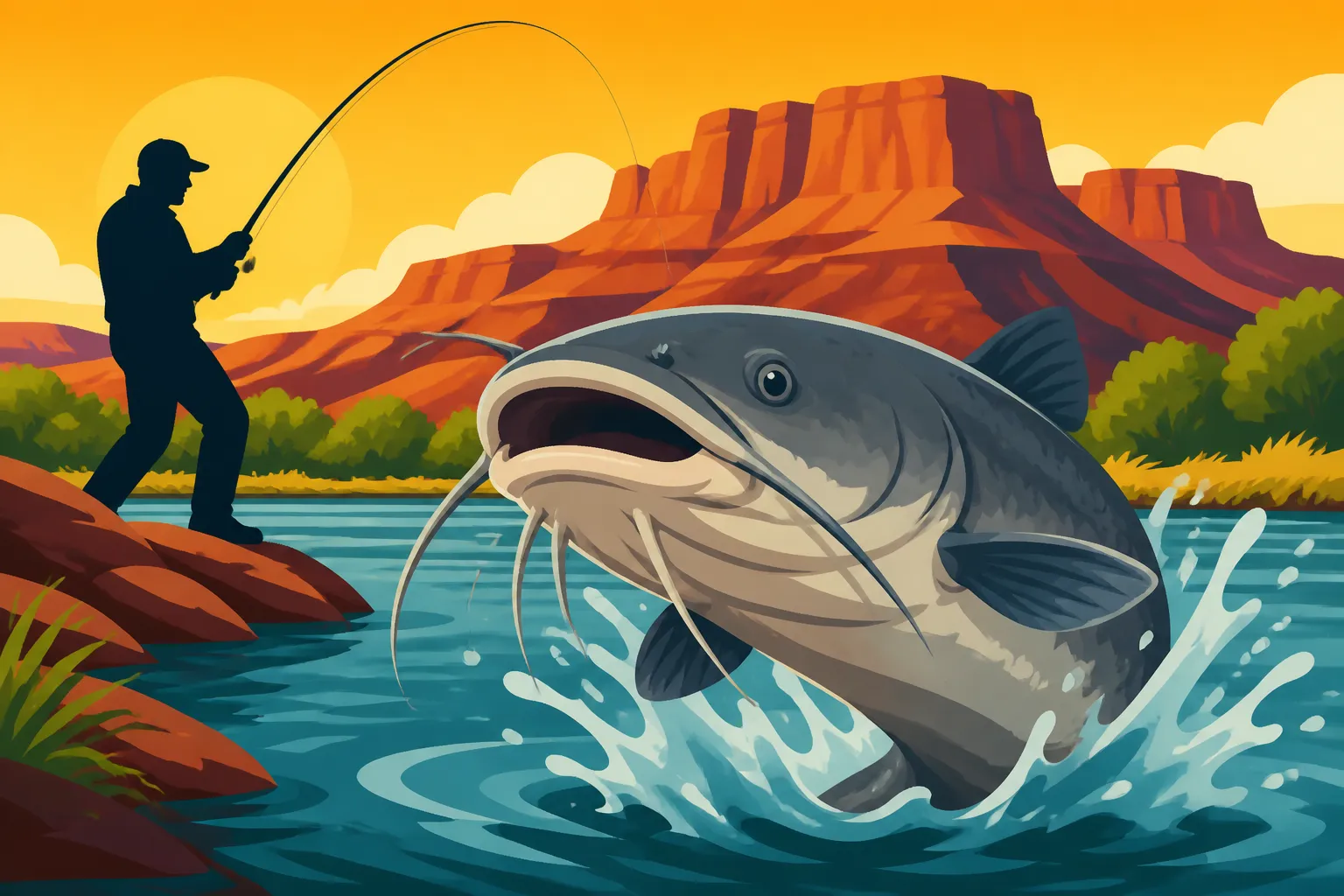
Then we have the magnificent Flathead Catfish. These are the true river monsters of New Mexico. Flatheads are easily distinguished by their flat, broad heads (hence the name), small eyes, and a square or slightly notched tail, quite different from the channel cat's fork. Their coloration is typically mottled brown and yellow, offering superb camouflage in the rocky, log-strewn bottoms they favor. Unlike the opportunistic Channel Cat, Flatheads are ambush predators that prefer live bait and can grow to truly enormous sizes, often exceeding 50 pounds in the right conditions. Finding a flathead means a serious battle, often in gnarly structure, but the reward of landing one of these giants is unmatched. They tend to stick to deeper holes, log jams, and undercut banks, waiting for an unsuspecting meal to swim by.
While some anglers might wonder about other species, like Blue Catfish, they are generally not found in New Mexico's river systems in any significant, self-sustaining populations. Your focus will overwhelmingly be on Channel and Flathead catfish when river fishing here.
Ideal River Conditions for Catfish
Catfish aren't just found anywhere in a river; they have definite preferences that guide their movements and feeding patterns. Understanding these can help you pinpoint the most productive spots, saving you valuable fishing time.
Catfish, especially Channel Cats, often favor muddy or turbid water. While not always the case, periods of rain or runoff that stir up the river bottom can actually make fishing better. The reduced visibility works to their advantage, allowing them to hunt by scent and feel, and it also makes them feel more secure. Look for areas where sediment collects or where feeder creeks bring in murkier water. Flatheads, while preferring clearer water sometimes, still appreciate some turbidity if it offers cover for their ambush tactics.
Structure is paramount for catfish. This means anything that breaks up the current or offers cover and ambush points. Downed trees, log jams, rock piles, deep holes, and undercut banks are prime real estate. These spots not only provide shelter from strong currents but also concentrate baitfish and other food sources. Catfish will often hold just out of the main current, waiting for food to drift by into their strike zone. Pay close attention to bends in the river where erosion creates deeper pockets and where debris tends to accumulate.
Finally, current and food sources play a critical role. Catfish prefer slower currents, eddies, and slack water areas adjacent to the main flow. These spots allow them to conserve energy while still having easy access to passing food. Feeder creeks entering the main river are also hotspots, as they often bring in nutrients, baitfish, and insects, creating a buffet. Think about what catfish eat—small fish, crayfish, insects, and carrion—and where those items would naturally be found or washed into a river system. Targeting these areas greatly increases your chances of a successful outing.
Top Catfish Rivers in New Mexico
Now that we understand the 'what' and 'why' of New Mexico catfish, let's get to the 'where.' The state boasts a few river systems that stand out as prime destinations for both Channel and Flathead catfish.
The Rio Grande: A Catfish Haven
The mighty Rio Grande, flowing right through the heart of New Mexico, is undoubtedly the state's most iconic and productive river for catfish. Its vastness and varying character offer incredible opportunities for anglers. From the urban stretches near Albuquerque to the more remote sections, the river is teeming with catfish.
The Rio Grande offers a diverse range of habitats. In the northern, cooler sections, you might find catfish, but as you move south and the water warms, their populations really explode. Near Albuquerque, there are numerous accessible spots for bank fishing, especially in the slower-moving sections and eddies. Anglers often target areas where the river widens, or around bridge pilings and downed trees. While it might not feel like a wilderness experience right in the city, the fishing can be surprisingly good. For more specific local tips, you might want to read up on Fishing the Rio Grande in Albuquerque.
Further south, particularly below Elephant Butte Lake and through areas like the Bosque del Apache National Wildlife Refuge, the Rio Grande becomes even more of a catfish haven. Here, the river meanders through agricultural lands and wildlife areas, offering deep holes, dense bank vegetation, and plenty of submerged structure. This is prime territory for both Channel and larger Flathead catfish. Bank fishing is popular, but a boat or kayak can open up even more productive, less pressured areas. Night fishing during the warmer months can be especially rewarding in these southern stretches, as the big cats become more active under the cover of darkness. Many anglers use services like FishingBooker to find local guides who can navigate these expansive waters effectively and put them on the best spots.
For baits, the Rio Grande's catfish are not particularly picky. Common choices include traditional nightcrawlers, chicken liver, hot dogs, and various prepared stink baits for Channel Cats. For those targeting Flatheads, live sunfish or shad are often the bait of choice, fished on a stout bottom rig. The sheer size and length of the Rio Grande mean that consistent effort and exploring different stretches will eventually pay off with impressive catches.
The Pecos River: Eastern New Mexico's Gem
Flowing down through eastern New Mexico, the Pecos River offers a distinct and often overlooked catfishing experience. While perhaps not as famous as the Rio Grande for catfish, it holds a strong, healthy population, especially of Channel Catfish, and can provide excellent fishing, particularly in its middle and lower sections.
The Pecos River's character changes significantly along its course. In its upper reaches, it's a colder, faster-flowing trout stream. However, as it travels south, especially past Santa Rosa and Fort Sumner, the river widens, slows down, and warms up considerably, becoming prime catfish territory. Here, the Pecos winds through more arid landscapes, often with sandy or muddy bottoms, offering numerous opportunities for bank anglers to set up. Access can be found at various public points and state parks, though some stretches flow through private land, so always be mindful of signage. For a broader look at the river's potential, consider checking out resources on Pecos River Fishing.
Anglers often find success targeting the Pecos's deeper bends, scour holes, and any visible structure like fallen trees or brush piles. The river can be quite turbid at times, which the Channel Cats absolutely love. During the summer, fishing into the evening and night can be particularly productive as the water cools slightly and catfish come out to feed more actively. The Pecos provides a more relaxed fishing atmosphere compared to some of the busier stretches of the Rio Grande, making it a great option for a weekend trip.
Common baits on the Pecos mirror those of the Rio Grande for Channel Cats: chicken liver, cut bait, and various pungent prepared baits work wonders. A simple Carolina rig or slip-sinker setup is often all you need. While Flatheads are less common or generally smaller here than in the lower Rio Grande, they are present in deeper holes, and persistent anglers using live bait might be rewarded with a surprising catch.
The Gila River: Wilderness Catfishing
For the adventurous angler seeking a more rugged and wild catfishing experience, the Gila River in southwestern New Mexico stands out. Known more famously for its wild trout, the lower and warmer sections of the Gila and its tributaries also hold good numbers of Channel Catfish, offering a unique opportunity to combine wilderness exploration with fishing.
The Gila River flows through some of New Mexico's most pristine and remote wilderness, particularly within the Gila National Forest. Access often requires hiking, making it a perfect destination for those who enjoy backpacking and spending multiple days in the backcountry. While the upper, high-elevation sections are cold-water trout havens, as the river drops in elevation and broadens, the water warms up, creating suitable habitat for Channel Catfish. These are truly wild fish, offering a rewarding challenge for those willing to put in the effort. For general information on the area, including its fishing prospects, articles like Gila River Fishing can provide a good starting point.
The catfish in the Gila tend to be found in the deeper pools and slower runs, especially where there's overhead cover from trees or undercut banks. The clear water of the Gila means that stealth can be more important here than in the murkier Rio Grande. Early mornings, late evenings, or even night fishing (if you're prepared for a wilderness overnight) can be the most productive times. Because of the remote nature of the Gila, you'll encounter less fishing pressure, and the fish you catch will be truly wild.
Standard catfish baits like worms, cut bait, or even small pieces of hot dogs can work well here. Using a lightweight spinning setup that you can easily carry on a hike is recommended. While Flatheads are not commonly targeted or reported in the main Gila River, the Channel Catfish present provide ample opportunity for a memorable trip. Just be sure to carry out everything you pack in, and respect the pristine environment of the Gila Wilderness.
Smaller Tributaries and Warmer Sections
Beyond the "Big Three" rivers, New Mexico has numerous smaller tributaries and warmer sections of otherwise cold-water rivers that can surprise you with their catfish populations. These hidden gems often require a bit more local knowledge or exploration but can yield excellent results, particularly for Channel Catfish.
Consider the lower reaches of rivers that eventually feed into larger reservoirs or the main stem of the Rio Grande. For example, while the Chama River is renowned for its trout fishing, its lower stretches, particularly where it warms up before joining the Rio Grande, can hold catfish. The key is to look for the same conditions: slower flows, deeper holes, and any sort of natural or artificial structure. These smaller waters might not hold giant Flatheads, but they can be incredibly productive for numbers of feisty Channel Cats.
Many of these spots are perfect for a quick afternoon outing or for introducing kids to fishing, as the fish are often more cooperative. Public access points, county parks, or even roadside pull-offs near bridges can offer entry to these less-traveled spots. Always check local regulations and land ownership before venturing out. What these smaller waters lack in grand scale, they often make up for in convenience and consistent action, proving that you don't always need a vast river to find good catfishing.
Essential Gear and Techniques for River Catfishing
Having the right gear and knowing how to use it is crucial for a successful catfishing trip on New Mexico's rivers. Catfish, especially the bigger ones, demand robust equipment and effective strategies.
Rods, Reels, and Line
When you're targeting catfish in the currents and snags of New Mexico's rivers, you need tackle that can handle the abuse and the powerful pull of these fish. Forget delicate ultralight setups; this is where you bring out the heavy hitters.
For rods, think medium-heavy to heavy power, typically 7 to 9 feet in length. The longer rod provides better casting distance, especially from the bank, and helps absorb the shock of a hard-fighting fish in current. A strong backbone is essential to steer large cats away from submerged obstacles and to set hooks firmly in their tough mouths. Sturdy spinning or baitcasting reels, rated for lines in the 15-30 pound test range, are ideal. Look for reels with a smooth, reliable drag system, as even Channel Cats can make powerful runs. Reels like the Penn Battle or Shimano Sedona are popular choices for their durability and performance without breaking the bank.
Line choice is also critical. Many seasoned catfishermen opt for monofilament line in the 15-25 pound test range due to its stretch, which can act as a shock absorber, and its abrasion resistance against rocks and logs. However, braided line is increasingly popular for its incredible strength-to-diameter ratio, zero stretch (which provides excellent sensitivity for detecting subtle bites), and superior abrasion resistance. If using braid, a 30-50 pound test is common, and many anglers add a monofilament or fluorocarbon leader to provide a bit of shock absorption and make the bait look more natural. For more detailed insights into line choices, check out Best Line Test for Catfish Fishing in New Mexico. Regardless of your choice, regularly inspect your line for nicks and fraying, especially after fishing around heavy cover.
Baits and Rigs
Catfish are known for their voracious appetites and keen sense of smell, making bait selection incredibly important. While they can be opportunistic, certain baits and rigs consistently outperform others on the rivers.
For Channel Catfish, a wide array of pungent baits are effective. Classic choices include chicken liver, known for its potent scent and blood trail, though it can be messy and hard to keep on the hook. Nightcrawlers are always a solid choice, especially when fished in a juicy wad. Cut bait from local forage fish like shad or bluegill, cut into strips or chunks, is also highly effective, mimicking injured prey. Then there are the various prepared stink baits (like those from Catfish Charlie or Sonny's), often dough-like or dip baits, specifically formulated to attract channel cats with their strong odors. For a detailed rundown on what works best, you can refer to Best Bait for Catfish in New Mexico Rivers.
When it comes to Flathead Catfish, the rule is often "live bait is best." Their predatory nature means they prefer to ambush live prey. Live sunfish, small carp, or shad are prime choices. These should be hooked through the back or lips to keep them lively and appealing. Make sure to check local regulations on using live bait; some areas may have restrictions on species or origin.
As for rigs, the Carolina rig (or slip sinker rig) is a perennial favorite for river catfishing. It consists of a sliding egg sinker, a bead (to protect the knot), a barrel swivel, and a leader (typically 12-24 inches) tied to a hook. This rig allows the fish to take the bait without feeling the weight of the sinker, and the sliding sinker helps your bait stay on the bottom in current. Another effective option is the three-way swivel rig, especially in heavier currents or when you want to suspend your bait slightly off the bottom. This rig uses a three-way swivel, with one eye for the main line, one for a leader to your sinker, and one for a leader to your hook. Hook choice is also crucial; use strong, sharp hooks appropriate for the bait size, such as wide gap or circle hooks. Circle hooks are particularly good for catfish as they tend to hook the fish in the corner of the mouth, reducing gut-hooking and making for easier release if desired.
Best Times to Fish for Catfish
Timing plays a significant role in successful catfishing. While catfish can be caught throughout the day, certain periods offer a distinct advantage, especially on New Mexico's rivers.
Generally, the warmer months of late spring, summer, and early fall are the most productive for river catfishing in New Mexico. As water temperatures rise, catfish become more active, feed more aggressively, and are more likely to be found in shallower areas or on the edges of currents. During these seasons, you'll often find that the best fishing occurs during the evening, throughout the night, and into the early morning hours. Catfish are largely nocturnal feeders, using their superior sense of smell and touch to navigate and hunt under the cover of darkness. This means packing a good headlamp, a sturdy chair, and plenty of bug spray for your night excursions. For those specifically interested in after-dark strategies, How to Catch Channel Catfish at Night offers excellent tips.
Beyond the time of day and year, environmental factors can also influence catfish activity. Periods leading up to a storm or immediately after a rain shower can often trigger a feeding frenzy. The dropping barometric pressure before a storm can make fish more active, and the runoff after a rain often washes new food sources into the river while also increasing turbidity, which provides a sense of security for the cats. Conversely, during periods of extreme heat in the middle of the day, catfish will often retreat to deeper, cooler water or seek heavy shade, making them harder to entice. Learning to read these natural cues will dramatically improve your success rate.
Navigating Regulations and Planning Your Trip
No matter how well you understand the fish or the best spots, a successful and responsible fishing trip in New Mexico hinges on understanding the rules and preparing for a safe outing.
Understanding New Mexico Catfish Regulations
The New Mexico Department of Game and Fish (NMDGF) sets specific regulations to manage fish populations and ensure sustainable fishing for everyone. Before you even think about casting a line, it is absolutely essential to familiarize yourself with these rules. Ignoring them can lead to hefty fines and a ruined day on the water.
Firstly, you'll need a valid New Mexico fishing license. Whether you're a resident or a non-resident, annual, short-term, or even a specialized senior license, make sure you have the correct one for your situation. Beyond the license, pay close attention to bag and possession limits for catfish. These limits specify how many fish of a certain species you can keep in a single day and how many you can have in your possession at any given time (which includes fish at home in your freezer). For example, the Catfish Limit in New Mexico details these numbers, which can change based on species (Channel, Flathead), specific waters, or even time of year. Always consult the most current NMDGF fishing proclamation, available online or at license vendors.
The regulations also cover other crucial aspects, such as legal fishing methods, bait restrictions (especially concerning live bait species), and special rules for certain waters (like "Special Trout Waters," which generally don't apply to catfish but are important to be aware of if you're fishing a mixed-species river). Understanding these regulations is not just about avoiding penalties; it's about being a responsible angler and contributing to the conservation of New Mexico's incredible natural resources. For a complete picture of all the statewide rules, definitely take a look at the New Mexico Fishing Regulations Overview. FishingBooker also often has helpful summaries of local regulations available for the areas where their guides operate, which can be a good quick reference.
Access and Safety on New Mexico Rivers
New Mexico's rivers offer diverse fishing experiences, from easily accessible city parks to remote wilderness areas. Planning your access and prioritizing safety are non-negotiable for an enjoyable and incident-free trip.
Access to New Mexico's rivers can vary greatly. Many stretches of the Rio Grande, Pecos, and other rivers flow through publicly accessible lands managed by state parks, the Bureau of Land Management (BLM), or the U.S. Forest Service. These areas often have designated parking, trails, and sometimes even amenities. However, significant portions of all rivers also run through private property. It is crucial to respect private land boundaries and only fish where you have legal access. Always look for signage, consult maps (like those often provided by the NMDGF or online mapping tools), and if in doubt, choose another spot. Obtaining permission from landowners is the only legal way to fish private waters.
Safety on the river cannot be overstated. Rivers, even seemingly calm ones, can be dynamic and pose risks.
- Wading: If you plan to wade, know your limits. River bottoms can be uneven, slippery, and currents can be stronger than they appear, especially after recent rains. Always use a wading staff for stability and wear appropriate wading boots with good grip.
- Water Levels: Always check current river flows and water levels before heading out. High water can create dangerous currents and make wading impossible, while extremely low water can concentrate fish and increase pressure.
- Wildlife: New Mexico is home to diverse wildlife. Be aware of your surroundings, especially in remote areas. Carry bear spray if in bear country, and always keep a respectful distance from all animals.
- Weather: New Mexico's weather can change rapidly. Be prepared for sudden thunderstorms, especially during monsoon season, and carry adequate sun protection (hat, sunscreen, polarized sunglasses) and hydration, as temperatures can soar.
- Night Fishing: If you're night fishing for catfish, carry multiple light sources, inform someone of your plans, and exercise extra caution as visibility is severely limited.
For those less familiar with New Mexico's rivers or seeking to explore more remote or productive stretches, considering a guided trip is an excellent option. Services like FishingBooker can connect you with experienced local guides who know the rivers intimately, can provide access, ensure safety, and teach you the best techniques for catching catfish in their specific areas. They often have boats, gear, and invaluable knowledge of current conditions that can make all the difference.
New Mexico River Catfish Comparison
To help you visualize the differences and choose your next catfish adventure, here's a quick comparison of the top rivers:
| River | Primary Catfish Species | Typical Conditions | Best Techniques | Access Level | Notes |
|---|---|---|---|---|---|
| Rio Grande | Channel Catfish, Flathead Catfish | Slow to moderate, often murky to turbid; plenty of structure. | Bottom fishing with cut bait or live bait; bank or boat. | Easy to moderate, good accessibility near cities. | The most consistent, all-around choice for river catfish. |
| Pecos | Channel Catfish, Flathead Catfish | Slower, warmer; can be turbid; some bends & current. | Bottom fishing with cut bait or prepared baits. | Moderate, sometimes difficult depending on flow. | Good numbers of Channel cats, also holds some large Flatheads. |
| Gila | Channel Catfish | Clear, wild, mountainous, some deeper sections. | Primarily bank fishing; natural bait or cut bait. | Difficult, requires hiking, wilderness conditions. | Offers a genuine wilderness adventure. Focus on lower, warmer sections. |
| Gila | Channel Catfish | Clear, wild, mountainous, some deeper sections. | Bottom fishing; live bait or natural bait. | Difficult, often requires hiking/backpacking. | For serious adventurers seeking an authentic wilderness experience. |
| Other rivers | Primarily Channel Catfish | Varies by location; typically smaller, warmer streams or sections. | Bottom fishing with natural or prepared baits. | Varies; often good public access near roads/bridges. | Explore local maps and talk to locals for hidden gems. |
| Minor Tributaries | Channel Catfish | Primarily in slower, warmer flows; often near agricultural areas. | Bottom fishing, often with simple setups. | Local access (sometimes private), less effort. | Good for smaller, active Channel Catfish and for exploration. |
| Minor Tributaries | Channel Catfish | Primarily in slower, warmer flows; often near agricultural areas. | Bottom fishing, often with simple setups. | Local access (sometimes private), less effort. | Good for smaller, active Channel Catfish and for exploration. |
| Other rivers | Channel Catfish | Primarily in slower, warmer flows; often near agricultural areas. | Bottom fishing, often with simple setups. | Local access (sometimes private), less effort. | Good for smaller, active Channel Catfish and for exploration. |
| Minor Tributaries | Channel Catfish | Primarily in slower, warmer flows; often near agricultural areas. | Bottom fishing, often with simple setups. | Local access (sometimes private), less effort. | Good for smaller, active Channel Catfish and for exploration. |
| River | Primary Catfish Species | Typical Conditions | Best Techniques | Access Level | Notes |
| Other rivers | Channel Catfish | Primarily in slower, warmer flows; often near agricultural areas. | Bottom fishing, often with simple setups. | Local access (sometimes private), less effort. | Good for smaller, active Channel Catfish and for exploration. |
| Minor Tributaries | Channel Catfish | Primarily in slower, warmer flows; often near agricultural areas. | Bottom fishing, often with simple setups. | Local access (sometimes private), less effort. | Good for smaller, active Channel Catfish and for exploration. |
| Other rivers | Channel Catfish | Primarily in slower, warmer flows; often near agricultural areas. | Bottom fishing, often with simple setups. | Local access (sometimes private), less effort. | Good for smaller, active Channel Catfish and for exploration. |
| Other rivers | Channel Catfish | Primarily in slower, warmer flows; often near agricultural areas. | Bottom fishing, often with simple setups. | Local access (sometimes private), less effort. | Good for smaller, active Channel Catfish and for exploration. |
| Other rivers | Channel Catfish | Primarily in slower, warmer flows; often near agricultural areas. | Bottom fishing, often with simple setups. | Local access (sometimes private), less effort. | Good for smaller, active Channel Catfish and for exploration. |
| Other rivers | Channel Catfish | Primarily in slower, warmer flows; often near agricultural areas. | Bottom fishing, often with simple setups. | Local access (sometimes private), less effort. | Good for smaller, active Channel Catfish and for exploration. |
| Other rivers | Channel Catfish | Primarily in slower, warmer flows; often near agricultural areas. | Bottom fishing, often with simple setups. | Local access (sometimes private), less effort. | Good for smaller, active Channel Catfish and for exploration. |
| Other rivers | Channel Catfish | Primarily in slower, warmer flows; often near agricultural areas. | Bottom fishing, often with simple setups. | Local access (sometimes private), less effort. | Good for smaller, active Channel Catfish and for exploration. |
| Other rivers | Channel Catfish | Primarily in slower, warmer flows; often near agricultural areas. | Bottom fishing, often with simple setups. | Local access (sometimes private), less effort. | Good for smaller, active Channel Catfish and for exploration. |
| Other rivers | Channel Catfish | Primarily in slower, warmer flows; often near agricultural areas. | Bottom fishing, often with simple setups. | Local access (sometimes private), less effort. | Good for smaller, active Channel Catfish and for exploration. |
| Other rivers | Channel Catfish | Primarily in slower, warmer flows; often near agricultural areas. | Bottom fishing, often with simple setups. | Local access (sometimes private), less effort. | Good for smaller, active Channel Catfish and for exploration. |
| Minor Tributaries | Channel Catfish | Primarily in slower, warmer flows; often near agricultural areas. | Bottom fishing, often with simple setups. | Local access (sometimes private), less effort. | Good for smaller, active Channel Catfish and for exploration. |
Disclaimer
The information provided in this guide is for general informational and educational purposes only and should not be considered as professional or legal advice. Fishing conditions, regulations, and access can change without notice. Always consult the most current New Mexico Department of Game and Fish regulations and local authorities before engaging in any fishing activities. Adhere to all safety guidelines and respect private property. The author and website are not responsible for any outcomes resulting from the use of this information.