Best Fishing Spots on the Pecos Wilderness
The Pecos Wilderness in New Mexico is a dream destination for anglers, but the sheer vastness and rugged terrain can make finding those prime fishing spots feel like searching for a needle in a haystack, especially if you're not familiar with its unique challenges. This guide is here to cut through the confusion, offering a comprehensive look at the best fishing locations, essential gear, and crucial planning tips to help you experience an unforgettable high-country fishing adventure.
Understanding the Pecos Wilderness Fishery
Venturing into the Pecos Wilderness for a fishing trip isn't like heading to your local stocked pond. This is true high-country fishing, demanding respect for nature and a solid understanding of the unique environment. The rewards, however, are unparalleled: pristine waters, stunning scenery, and the chance to catch wild trout in their natural habitat.
The Unique Challenge of High-Altitude Fishing
Fishing in the Pecos Wilderness means dealing with altitudes that often exceed 10,000 feet. This isn't just about breathing harder; it affects everything from water temperatures to fish behavior. Snowmelt fuels many of the streams and lakes, keeping the water refreshingly cold, which is ideal for trout. However, spring runoff can make rivers turbulent and difficult to fish well into early summer. When the water clears, usually by July, the fishing truly comes alive. The thin air means UV radiation is stronger, so sunscreen and good hats are non-negotiable. Furthermore, weather can change in an instant, shifting from sunny skies to hailstorms within hours. Being prepared for all four seasons in one day is just part of the experience.
Another factor unique to the high country is accessibility. Most prime spots require a hike, ranging from moderate treks to strenuous multi-day backpacking excursions. This means packing light but smart, bringing only essential gear. The effort invested in reaching these remote waters often translates directly into less crowded fishing and more active fish, which is a big part of the allure for many anglers.
Dominant Fish Species You'll Encounter
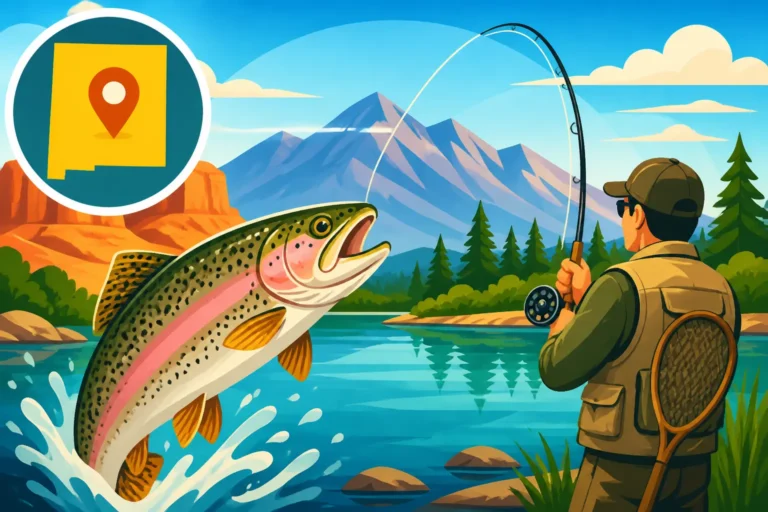
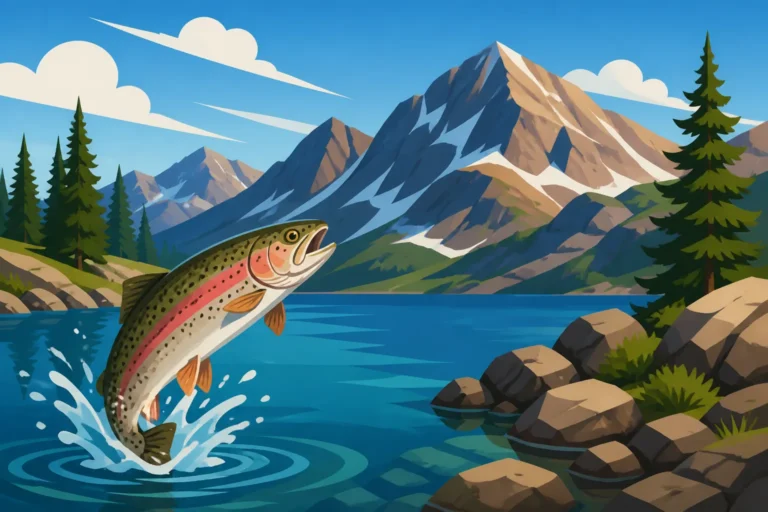
The Pecos Wilderness is primarily a trout fishery, and you'll find a few distinct species thriving in its cold, clear waters. The true stars here are the native Rio Grande Cutthroat Trout. These beautiful fish, with their distinctive red slash under the jaw, are highly prized by anglers. Catching one is a significant accomplishment and a testament to the wilderness experience. You’ll also find plenty of wild Brown Trout and Rainbow Trout, particularly in the lower elevations and more accessible streams.
While Rio Grande Cutthroat Trout are native and protected, you'll also encounter brook trout in some higher elevation lakes and streams. Sometimes, you might even find populations of lake trout in deeper, colder lakes, though these are less common within the designated wilderness area itself. Knowing your target species helps in choosing the right flies and techniques, but honestly, in these waters, any trout is a welcome sight. Understanding the local populations helps you decide where to focus your efforts. For a deeper dive into the different species, you might find our guide on Trout Species in New Mexico helpful.
Regulations and Special Considerations
Fishing in the Pecos Wilderness falls under the regulations of the New Mexico Department of Game and Fish. This means you absolutely need a valid New Mexico fishing license, along with a Habitat Management and Access Validation (HMAV) stamp, and potentially a Second Rod Validation if you plan to fish with two rods. Always consult the most current New Mexico Fishing Regulations Overview before your trip, as rules, bag limits, and special waters designations can change.
Many waters within the Pecos Wilderness are designated as "Special Trout Waters" or have specific restrictions, such as catch-and-release only, fly-and-lure only, or barbless hook requirements. These regulations are in place to protect the fragile native trout populations, especially the Rio Grande Cutthroat Trout. For instance, some areas may have zero retention limits for cutthroats, meaning they must be immediately released unharmed. It's not just about compliance; it's about being a responsible steward of this incredible natural resource. Always double-check specific rules for the exact stream or lake you plan to visit, as the consequences for violations can be steep. You can also review our detailed information on New Mexico Trout Fishing Rules for more specifics.
Top Trout Streams and Lakes in the Pecos Wilderness
The Pecos Wilderness offers a diverse array of fishing opportunities, from meandering mountain streams to high-alpine lakes. Each spot has its own character and charm, and choosing where to go often depends on your desired level of adventure and the type of fishing experience you're seeking.
Iconic Rivers for Wild Trout
The Pecos River itself is the namesake and lifeline of the wilderness, offering fantastic fishing opportunities, especially in its upper reaches. Above the village of Pecos, as it enters the national forest and then the wilderness boundary, the river transforms into a pristine trout stream. Here, you'll find a healthy population of brown, rainbow, and native Rio Grande Cutthroat Trout. Access points like Jack's Creek or the Terrero Fish Hatchery area (though the hatchery itself is outside the wilderness boundary, it's a popular starting point) can lead to excellent stretches of water. The key is to hike a bit away from the immediate trailheads to find less pressured fish. This part of the Pecos River is perfect for fly fishing with small nymphs, dry flies, or even small spinners.
Another excellent river system is the Rio Mora and its tributaries, often accessible from the Mora Flats area. These smaller, more intimate streams are textbook mountain trout waters: clear, cold, and full of eager fish, often smaller but feisty. The challenge here is navigating dense riparian vegetation, which can make casting tricky but also provides excellent cover for trout. These waters are often where you'll find some of the most vibrant wild populations, rewarding patient and stealthy anglers.
Serene Alpine Lakes and Their Secrets
For those willing to put in the effort, the high-alpine lakes of the Pecos Wilderness offer some of the most breathtaking scenery and rewarding fishing. Stewart Lake, nestled high in the mountains, is a classic example. It's a challenging hike to get there, but the lake is known for its strong populations of cutthroat and rainbow trout. The fishing here is often best with small dry flies during hatches or by stripping streamers near drop-offs. The solitude you find at a lake like Stewart is truly special.
Spirit Lake and Lake Katherine are other notable high-altitude destinations. Spirit Lake is a gem, offering incredible views and consistent trout action. Lake Katherine, one of the highest lakes in New Mexico, requires a significant trek but offers truly wild fishing for hardy trout. These lakes often fish well with traditional wet flies, nymphs, and sometimes even small spoons or spinners for spinning anglers. The deeper, colder waters allow trout to grow to impressive sizes, making the journey well worth it. You can learn more about how fishing varies through the year by checking our New Mexico Fishing Season Calendar.
Hidden Gems for Solitude
Beyond the well-known spots, the Pecos Wilderness holds countless smaller, unnamed streams and ponds that offer incredible solitude and surprisingly good fishing. These often require significant bushwhacking and navigation skills but can yield untouched populations of native trout. Tributaries feeding into the larger rivers, such as Holy Ghost Creek or the upper reaches of the Rio Santa Barbara, often hold robust fish populations that see less pressure.
Finding these hidden gems often means poring over topographical maps, looking for areas with perennial water sources away from established trails. It's a true adventure, a test of your wilderness skills, and a chance to experience the Pecos in its purest form. When planning such a trip, consider using a service like FishingBooker to find local guides who specialize in these remote, less-traveled areas. They can provide invaluable insight and ensure a safe, productive trip to places you might never find on your own.
| Fishing Spot | Type | Primary Species | Accessibility | Key Characteristics |
|---|---|---|---|---|
| Upper Pecos River | River | Brown, Rainbow, Cutthroat | Moderate Hike | Classic mountain stream, diverse water, good hatches. |
| Rio Mora | Stream | Brown, Rainbow, Cutthroat | Moderate Hike | Smaller, intimate water, dense cover, stealth required. |
| Stewart Lake | Alpine Lake | Cutthroat, Rainbow | Strenuous Hike | Stunning scenery, deep water, can hold larger fish. |
| Spirit Lake | Alpine Lake | Cutthroat, Rainbow | Strenuous Hike | Beautiful views, consistent action, good for dry flies. |
| Holy Ghost Creek | Stream | Brown, Rainbow, Cutthroat | Easy to Moderate | Accessible sections, good for beginners, can be crowded. |
| Lake Katherine | Alpine Lake | Rainbow, Cutthroat | Very Strenuous Hike | Highest lake, truly wild fish, ultimate solitude. |
Essential Gear and Techniques for Pecos Fishing
Preparing for a Pecos Wilderness fishing trip means selecting gear that is both effective for mountain trout and durable enough for the backcountry. Lightweight and versatile are key attributes.
Recommended Rods, Reels, and Line
For fly fishing, a 7'6" to 9' fly rod in a 3- to 5-weight is ideal for most situations. A 3-weight is perfect for small streams and delicate presentations to wary cutthroats, while a 5-weight offers more versatility for larger flies, wind, and potentially larger fish in lakes or the main Pecos River. Pair this with a reliable, lightweight reel that has a smooth drag system. A floating weight-forward line is standard, and having an extra spool with sinking-tip line can be beneficial for deeper lakes or faster river sections. For detailed advice, our guide on Best Rods and Reels for New Mexico Trout Fishing can offer more specific recommendations.
Spinning anglers will do well with a light-action rod, 5'6" to 6'6" in length, paired with a small, ultralight spinning reel spooled with 4-6 lb test monofilament or fluorocarbon line. This setup allows for accurate casting of small lures and handles the spirited fights of mountain trout. Remember, many special waters require artificial lures only, so live bait is often not an option.
Must-Have Flies and Lures
When it comes to flies, "match the hatch" is always good advice, but a selection of reliable patterns will serve you well. For nymphs, consider bringing a variety of sizes and colors of:
- Pheasant Tail Nymphs
- Hare's Ear Nymphs
- Prince Nymphs
- Copper Johns
- San Juan Worms (especially after rain or during runoff). You can even learn how to tie a How to Tie a San Juan Worm Fly.
For dry flies, focus on general attractor patterns and common hatches:
- Elk Hair Caddis
- Parachute Adams
- Humpy
- Various Ant and Beetle patterns for terrestrial season (late summer/early fall).
Streamers like small Woolly Buggers (black, olive, brown) are also excellent for aggressive fish in both rivers and lakes.
Spinning anglers should pack a variety of small lures:
- Mepps Aglia or Rooster Tail spinners (size 0-2) in silver, gold, or brass.
- Small Kastmaster or P-Line Lazer Minnow spoons for casting to deeper sections of lakes.
- Tiny Panther Martin spinners are also very effective.
- Soft plastics like PowerBait or Gulp! Dough are popular for stocked fish, but always confirm if bait is allowed in your chosen spot.
Wading and Hiking Essentials
Your footwear is paramount in the Pecos Wilderness. You'll be doing a lot of hiking, often on uneven terrain, before you even reach the water. Sturdy, broken-in hiking boots are a must. Once at the water, wading boots with felt or rubber soles (often studded for extra grip) are essential for navigating slippery riverbeds. If you plan to spend significant time in the water, lightweight, breathable chest waders are preferable to keep you dry and comfortable. If you're primarily bank fishing or only making short forays into the stream, quick-drying hiking pants and wading sandals might suffice in warmer months, but be prepared for cold water.
Beyond fishing-specific gear, remember your backcountry essentials: a reliable backpack for carrying all your gear, food, and water (or a filter/purifier); a map and compass or GPS device; a first-aid kit; layers of clothing (including rain gear, even on a sunny day); and bear spray if you're traveling in areas known for bear activity. Sun protection, like a wide-brimmed hat and polarized sunglasses, is also crucial at high altitudes. A quality Best Fishing Backpack and Wading Gear for New Mexico can make all the difference for comfort and carrying capacity.
Planning Your Pecos Wilderness Fishing Trip
A successful and safe fishing trip into the Pecos Wilderness hinges on thorough planning. The remote nature of the area means you can't just wing it.
Access Points and Trailheads
Access to the Pecos Wilderness is available from several points, primarily along its western and eastern boundaries.
- From the west (near Pecos village/Santa Fe): Popular trailheads include Jack's Creek Campground, Cowles, and Terrero. These provide access to the upper Pecos River, Pecos Baldy Lake trails, and various high-country routes. The drive up Highway 63 from Pecos is scenic but can be winding.
- From the east (near Mora/Las Vegas): Access points like the Mora Flats trailhead or those off Highway 518 near Peñasco lead into other parts of the wilderness, often towards the Rio Mora or the northern high-country lakes.
Always check current road conditions before you go. Forest Service roads can be rough and sometimes impassable, especially early in the season due to snow or after heavy rains. Many popular trailheads have designated parking areas, but always ensure your vehicle is secure.
Backcountry Camping and Permits
Most fishing within the Pecos Wilderness involves backcountry camping. Dispersed camping is generally allowed throughout the wilderness, but there are specific regulations to follow to minimize impact and ensure safety.
- Leave No Trace principles are critical: Pack out everything you pack in, bury human waste at least 200 feet from water sources, and minimize your campfire impact (or forgo fires altogether, especially during dry periods).
- Camp at least 200 feet from water sources and trails.
- Food storage: Bears are present. Always use bear-resistant canisters or hang your food and scented items properly to protect both yourself and the wildlife.
- Permits: While general wilderness entry usually doesn't require a permit, specific areas or activities might. For example, some heavily used areas may require special permits, or if you're using a commercial outfitter (which is a great idea for deeper wilderness treks), they will handle any necessary permits.
Always research the specific regulations for the part of the Pecos Wilderness you intend to visit. If you're looking for an experienced guide to navigate the wilderness and handle logistics, consider checking out FishingBooker to find a local expert who can arrange a multi-day backcountry fishing adventure.
When to Visit for the Best Results
The fishing season in the Pecos Wilderness is relatively short due to its high elevation and harsh winters.
- Spring (May-June): Can be hit or miss. Lower elevations might start to warm up, but higher streams and lakes are often still under snowmelt runoff, making fishing challenging. However, late spring can offer some good dry fly action on lower, clearer stretches of river.
- Summer (July-August): This is prime time. As snowmelt subsides, water levels stabilize, and temperatures are perfect for trout. Hatches are prolific, and fish are actively feeding. This is also the busiest time on trails and at popular fishing spots. Be prepared for afternoon monsoon thunderstorms during July and August.
- Fall (September-October): Many consider fall the absolute best time. Crowds thin out, the weather is cooler and often more stable (though snow can fall anytime after late September), and trout become very active, feeding heavily before winter. Brown trout, in particular, become aggressive as they prepare to spawn. The fall colors are also spectacular.
Always check the current conditions, including snowpack levels, river flows, and fire restrictions, before heading out. Early season access can be delayed by heavy snow years, and late season can see early snowfalls. For up-to-date information on seasonal patterns, our guide on the Best Time of Year to Fish in New Mexico can provide more context.
Disclaimer
The information provided in this guide is for general informational purposes only and does not constitute professional advice. Fishing regulations, conditions, and access can change rapidly. Always consult the official New Mexico Department of Game and Fish regulations and local land management agencies (e.g., U.S. Forest Service) for the most current and accurate information before planning any trip. Safety in the wilderness is paramount; be prepared for changing weather, wildlife encounters, and potential emergencies.