Best Lures for New Mexico Trout
The sheer variety of fishing opportunities for trout in New Mexico can be a double-edged sword: exhilarating for the endless possibilities, but utterly confusing when you're standing in front of the tackle shop wall, trying to figure out which lure will actually work. From the high mountain streams to the expansive lakes and renowned tailwaters, each body of water, and even different times of year, demands a unique approach. This comprehensive guide is here to cut through that confusion, helping you choose the best lures to consistently catch trout across the Land of Enchantment.
Understanding New Mexico's Diverse Trout Fisheries
New Mexico truly offers a kaleidoscope of trout fishing experiences, and what works wonders in one spot might fall flat in another. To effectively choose your lures, it's crucial to understand the distinct characteristics of the state's trout habitats. Ignoring these nuances is like showing up to a five-star restaurant with a fast-food menu – you might get something, but it won't be optimal.
Stocked Ponds and Lakes
Many of New Mexico's urban ponds, community fishing waters, and smaller lakes are regularly stocked by the New Mexico Department of Game and Fish. These waters are often the first place many anglers, especially families and beginners, wet a line. The trout here are typically hatchery-raised rainbow trout, accustomed to a pellet diet and generally less wary than their wild counterparts. They're often schooling, looking for easy meals, and respond well to presentations that imitate their former food or are simply easy to spot and consume. These environments are fantastic for high-volume fishing, making them ideal for refining your technique and building confidence. Lakes like Tingley Beach in Albuquerque or even larger, frequently stocked spots like Fenton Lake often fall into this category, at least in part. Understanding the local stocking schedules can significantly boost your success here. For more details on where trout are stocked, check out the New Mexico Fishing Season Dates and Limits information.
Wild Trout Streams and Rivers
Venture into the more remote corners of New Mexico's national forests, and you'll discover pristine streams and rivers teeming with wild trout. These fish, which include species like brown trout, rainbow trout, and the cherished native Rio Grande cutthroat trout and Gila trout, are survivors. They've grown up fending for themselves, feeding on natural insects, baitfish, and crustaceans, and are incredibly astute. Waters such as the upper Pecos River, certain stretches of the Rio Chama, or the pristine high-country creeks in the Gila National Forest are prime examples. Here, subtle presentations, natural-looking lures, and a keen understanding of trout behavior in flowing water are paramount. These trout are often spread out, holding in specific current breaks, behind rocks, or under overhanging vegetation, making careful presentation key to avoid spooking them.
Special Trout Waters and Quality Fisheries
New Mexico boasts several "Special Trout Waters" or "Quality Waters" regulations designed to create premier fishing opportunities, often focusing on larger fish or specific species. The most famous of these is undoubtedly the San Juan River Quality Waters below Navajo Dam, known globally for its abundance of large, finicky rainbow and brown trout. Other waters like sections of the Cimarron River also have special regulations. These areas often have restrictions on bait (fly and lure only, barbless hooks required), and sometimes on bag limits or minimum sizes. The trout in these waters are often pressured, highly educated, and demand specialized lures and precise techniques. They've seen it all, so your approach needs to be incredibly refined, mimicking natural food sources with exceptional accuracy. To fully navigate these specific regulations, you’ll want to review the New Mexico Special Trout Water Rules and even more specifically the San Juan River Quality Waters Section guides.
Essential Lure Categories for New Mexico Trout
Before we dive into specific lure recommendations, let's break down the fundamental types of lures that consistently fool trout in New Mexico. Each category has its strengths and weaknesses, making it more or less suitable for different fishing scenarios and trout temperaments. Having a diverse selection in your tackle box will prepare you for whatever New Mexico's waters throw at you.
Spinners and Spoons
These are arguably the most iconic and widely used trout lures, and for good reason. Spinners, like a classic Mepps or Panther Martin, feature a blade that rotates around a central shaft when retrieved, creating flash and vibration that mimics a fleeing baitfish or insect. They come in various sizes and colors, and the flash is incredibly attractive to trout, especially newly stocked ones or aggressive wild fish. Their action is immediate upon retrieve, making them excellent search baits.
Spoons, on the other hand, are typically curved pieces of metal designed to wobble and flutter as they're retrieved or dropped. They imitate wounded baitfish or even larger insects. Popular spoon brands include Kastmaster and Thomas Buoyant. Spoons are particularly effective for longer casts in open water or when trout are feeding on larger prey. Their erratic action can trigger reaction strikes from hesitant fish. Both spinners and spoons are relatively easy to use, making them great for beginners, but their effectiveness extends to seasoned anglers as well. They're reliable workhorses that every New Mexico trout angler should have.
Small Jigs and Soft Plastics
This category might seem more at home in bass fishing, but downsized jigs and soft plastics are incredibly effective for trout, especially in situations where a more subtle presentation is required. Micro jigs, often weighing 1/32 to 1/8 ounce, can be tipped with tiny soft plastic bodies resembling larvae, worms, or small baitfish. Popular choices include small grub tails, tube jigs, or even specialized trout worms. The beauty of jigs lies in their versatility: they can be retrieved steadily, bounced along the bottom, or suspended under a bobber.
Soft plastics, used either on a jig head or wacky-rigged, offer incredible realism and a natural feel that trout often hold onto longer. Brands like Berkley PowerBait Power Worms or Gulp! Minnows are infused with scent, adding another layer of attraction, especially for less active or pressured fish. These lures excel in clear water, slower currents, or when trout are being finicky and require a more delicate offering. Their slower fall rate and lifelike movement can be irresistible.
Plugs and Crankbaits
While less common for everyday trout fishing, small plugs and crankbaits can be absolute game-changers, particularly when targeting larger, predatory trout. These lures are designed to imitate baitfish, often featuring a lip or bill that causes them to dive to a specific depth when retrieved. They come in a variety of shapes, sizes, and colors, from shallow-diving models to deep-diving versions. Rapala's Original Floater or Countdown series, and similar lures from other manufacturers like Rebel or Yo-Zuri, are excellent choices.
Plugs create a distinct swimming action and often have rattles inside, generating both visual and auditory attraction. They are especially effective in larger lakes and reservoirs where trout are preying on larger baitfish. They can be cast and retrieved, trolled behind a boat, or even twitched and paused to mimic an injured fish. While they might not catch as many numbers as a spinner in some scenarios, they often entice the biggest fish in the system, making them a worthy addition to your New Mexico trout arsenal.
Top Lures for Stocked Trout in New Mexico
Stocked trout, particularly the rainbows fresh from the hatchery, often behave differently than their wild cousins. They're less wary, more eager for an easy meal, and frequently congregate in accessible areas. This means your lure selection can often lean towards highly visible, scented, or easily presented options that grab their attention quickly.
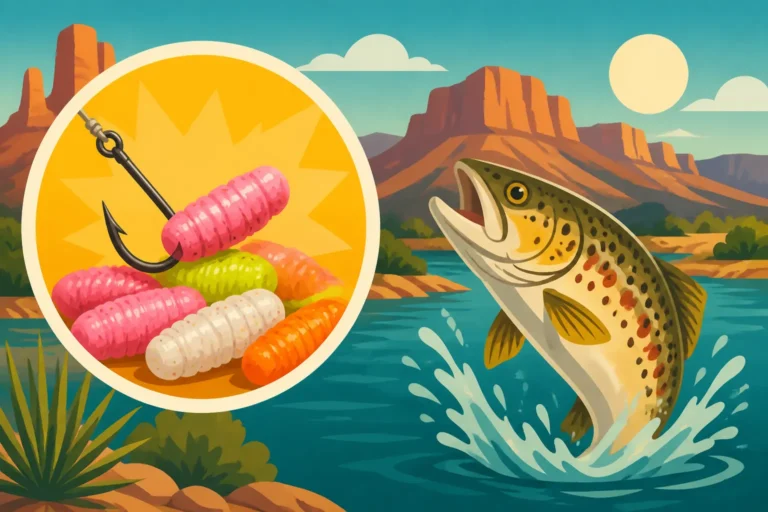
PowerBait and Dough Baits
When it comes to stocked trout in New Mexico's community ponds and lakes, PowerBait is practically synonymous with success. This soft, moldable bait comes in a dizzying array of colors, often infused with glitter and strong scents that hatchery trout find irresistible. It floats, allowing you to present it off the bottom away from weeds and debris by using a small weight a foot or two above your hook. The key is to mold it into a small ball, ensuring your hook point is completely covered.
Other dough baits, like those from Pautzke Bait Company, also perform exceptionally well. These baits mimic the pellets the fish were fed in the hatchery, making them a familiar and comforting meal. Experiment with colors – fluorescent green, orange, rainbow, and chartreuse are often top producers. A simple Carolina rig setup with a small treble hook (or a single salmon egg hook for better hookups) and a sliding sinker is incredibly effective. These baits allow anglers of all skill levels to consistently catch trout, which is why they are a staple in many New Mexico tackle boxes, readily available at retailers or online through platforms like Amazon.
Inline Spinners for Ponds and Lakes
Inline spinners are another absolute must-have for stocked trout. Their flashing blade and vibrating action are like a beacon to hungry hatchery fish. Brands like Mepps (especially the Aglia or Comet series) and Panther Martin are perennial favorites. The size #1 or #2 spinners are generally perfect for the average 10-14 inch stocked trout, while a #3 or #4 might entice larger holdovers.
The retrieve for spinners is straightforward: cast it out and reel it back at a steady pace, just fast enough to get the blade spinning. Experiment with retrieve speeds and depths. Sometimes a slow roll along the bottom is best, while other times a faster retrieve just below the surface will draw strikes. Colors can vary, but silver, gold, and copper blades often work well, sometimes paired with chartreuse, red, or black dressings. In clear waters, natural tones might be better, while in murkier ponds, brighter colors provide better visibility. These versatile lures are effective whether fishing from the bank or from a small boat.
Small Spoons for Casting Distance
For stocked trout in larger lakes where casting distance is a factor, or when the fish are schooling deeper, small spoons shine. The 1/8 oz to 1/4 oz Kastmaster, Acme Little Cleo, or Thomas Buoyant spoons are excellent choices. Their compact, dense design allows for incredibly long casts, letting you reach fish that might be holding further offshore.
Spoons have a unique wobbling and fluttering action on the retrieve, mimicking a wounded baitfish, which can trigger aggressive strikes. They also flutter enticingly on the fall, making them effective for vertical jigging if you're fishing from a boat or a pier. Silver and gold are classic spoon colors, but don't shy away from brightly colored options like fluorescent orange or green, especially if the water is stained. The key is to experiment with your retrieve: a steady retrieve, a stop-and-go retrieve, or even jigging it back can all be effective. Their robust design also means they stand up well to repeated use, an important factor when you're catching a lot of fish.
Best Lures for Wild Trout in Rivers and Streams
Wild trout are a different beast entirely. They are often more sensitive to pressure, highly aware of their surroundings, and feed opportunistically on what's naturally available in their environment. This means your lure choices for New Mexico's wild trout streams and rivers need to be more subtle, more realistic, and presented with greater finesse.
Micro Jigs and Streamer Flies
When targeting wild trout in smaller streams or rivers, micro jigs are incredibly effective. These are tiny jigs, often 1/64 to 1/32 ounce, rigged with small soft plastic bodies that mimic nymphs, scuds, or tiny baitfish. Think offerings like a tiny grub, a small tube jig, or even specially designed trout worms in natural colors like olive, brown, black, or white. The light weight allows for a very natural drift in the current, which is crucial for fooling wary trout. They can be fished effectively under a small strike indicator or simply drifted freely.
For more aggressive fish, or when targeting larger wild trout, streamer flies can be deadly. While technically a fly, many spinning anglers successfully fish small streamers like Woolly Buggers (in black, olive, or brown) on ultralight spinning gear. Cast them upstream or across the current and retrieve them with a slow, erratic twitching motion, imitating a small baitfish or leech. This often provokes a territorial or predatory strike from larger browns and rainbows. These lures demand a light touch and thoughtful presentation to fool the discerning wild trout.
Ultralight Spinners for Current
Even wild trout can be enticed by the flash and vibration of an inline spinner, but the key here is ultralight and natural presentation. Smaller spinners, typically size #0 or #1, are much more appropriate for wild trout streams. Brands like Mepps, Panther Martin, and Roostertail all offer excellent small spinners. Consider subdued blade colors like copper or black in very clear water, or a dull gold. The dressings (the hackle or skirt on the hook) in natural colors like brown, olive, or black can also make a big difference.
When fishing spinners in a stream or river, the technique is critical. Cast slightly upstream and across, letting the current carry the spinner downstream while you retrieve just fast enough to keep the blade spinning. This "swing" across current often presents the lure in a natural way to trout holding in eddies or behind structure. Pay close attention to current seams, undercut banks, and large rocks – these are prime holding lies for wild trout. A poorly presented, overly large or brightly colored spinner can easily spook these sensitive fish.
Small Plugs and Jerkbaits
For larger wild trout, especially brown trout known for their predatory nature, small plugs and jerkbaits can be incredibly effective. Look for mini crankbaits or suspending jerkbaits in the 1 to 2-inch range. Rapala's Ultra Light Minnow or Countdown series are excellent examples, as are some of the smaller Rebel Minnow or Wee-Crawfish patterns. Natural baitfish patterns (silver/black, brown trout, rainbow trout) or crayfish imitations work best.
These lures are fantastic for targeting deep pools, undercut banks, or larger rock structures where trophy-sized wild trout might be lurking. Cast them out and retrieve with a series of twitches and pauses, imitating an injured baitfish. The pause is often when the strike occurs, as the lure sits tantalizingly in the current. In rivers like the Rio Grande or sections of the Pecos, where bigger wild trout are found, these lures can draw strikes from fish that ignore smaller offerings. Their diving lip helps them get down to depth in faster currents, covering water where trout are actively feeding.
Selecting Lures for Specific New Mexico Waters
New Mexico's waters are incredibly diverse, from the famed tailwaters to high-altitude lakes. Optimizing your lure selection for these specific environments is key to consistent success. Generic "trout lures" might work sometimes, but targeted choices will dramatically increase your catch rates.
San Juan River Quality Waters Lure Selection
The San Juan River Quality Waters below Navajo Dam is a world-class trout fishery, known for its prolific numbers of large, educated rainbow and brown trout. However, it's also notorious for its strict regulations and the fish's discerning palates. This section is primarily a fly-fishing destination, but if you're using spin gear, understanding the "fly and lure only" and "barbless hooks" rules is paramount. Live bait is prohibited.
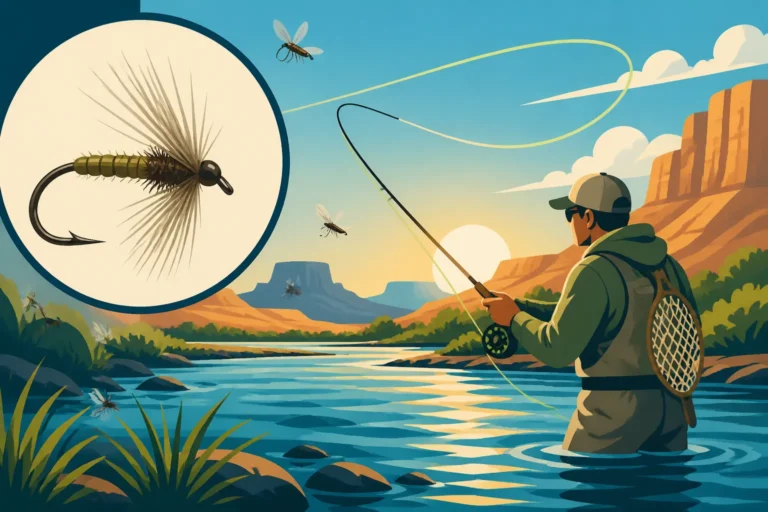
For spin anglers, micro jigs are king here. Think tiny 1/64 to 1/32 ounce jigs rigged with a small nymph-like soft plastic or a scud imitation. Colors like tan, olive, grey, or black, mimicking midges, an worm, or scuds, are incredibly effective. Fish these under a small float (like a Thingamabobber) with minimal weight, allowing for a dead-drift presentation that mirrors how actual insects would float downstream. Small, natural-colored inline spinners (size #0 or #1) with single barbless hooks can also work, especially if the fish are active. The key is stealth and mimicking the natural food sources that make this river so rich. Anglers often spend a full day in the San Juan River Quality Waters Section focusing on these subtle techniques.
High Mountain Lake Lure Strategies
New Mexico's high mountain lakes, often nestled in stunning alpine environments like those in the Pecos Wilderness or the Latir Wilderness, offer breathtaking scenery and pristine trout fishing. These lakes are typically home to wild brook trout, cutthroat trout, and sometimes rainbow trout. The fishing here can be feast or famine, heavily dependent on the season and time of day.
Small spoons like the Thomas Buoyant (1/16 to 1/8 oz) in gold, silver, or copper are excellent choices for covering water and mimicking baitfish or even larger aquatic insects. Their compact size allows for long casts from shore, and their fluttering action is irresistible to trout cruising the shallows or deeper drop-offs. Ultralight inline spinners (size #0 or #1) in natural colors are also effective. In these clear, cold waters, a subtle presentation is often best. Try a slow, steady retrieve, or a stop-and-go action. Tipping your lure with a small piece of worm or grub (if permitted) can sometimes enhance attraction for less aggressive fish. Remember that these lakes can be incredibly sensitive, so practice Catch and Release Best Practices in New Mexico to preserve them.
Tailwaters and Deep Reservoir Lures
Beyond the San Juan, New Mexico has other productive tailwaters (rivers flowing out of dams) and large, deep reservoirs that hold significant trout populations. Lakes like Heron Lake and Eagle Nest Lake, known for their kokanee salmon and trout, or the tailwater below El Vado Dam, require different approaches. In these deeper, often colder waters, fish can be suspended at various depths or holding close to structure.
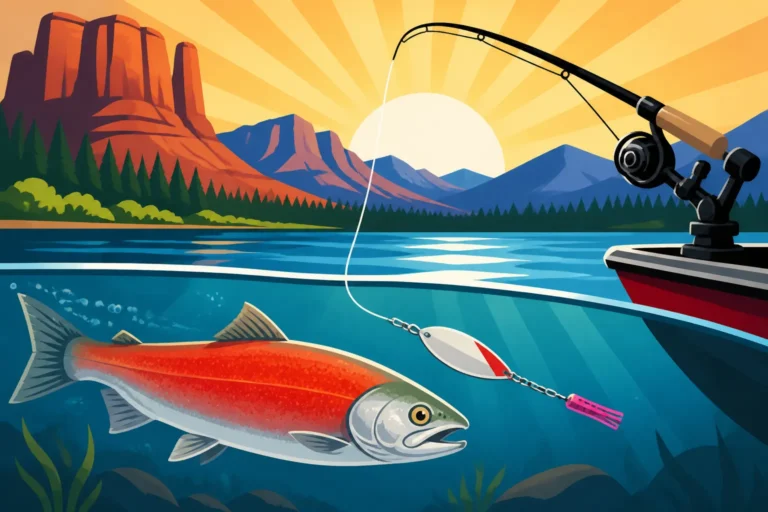
For tailwaters with decent current, such as below El Vado, small inline spinners and micro jigs can still be effective, similar to other river scenarios. However, for larger lakes and reservoirs, trolling or deep jigging often becomes the most productive method. Trolling with small crankbaits (like Rapala countdowns or small jointed shad baits) or specialized trolling spoons (e.g., Needlefish, Triple Teazer) can cover vast amounts of water and entice suspended fish. Experiment with different depths using downriggers or lead core line. Vertical jigging with small spoons or blade baits over submerged structure or fish schools located on a fish finder can also be incredibly effective, especially for kokanee salmon.
Here's a quick comparison of common trout lures:
| Lure Type | Best Use Case | Pros | Cons | Recommended Sizes/Colors |
|---|---|---|---|---|
| PowerBait/Dough | Stocked ponds, still water | Highly attractive scent, floats off bottom, easy to use | Not effective in current, messy, less active presentation | Various, often bright |
| Inline Spinners | All-around, active fish, rivers/streams | Flash & vibration, versatile, good search bait | Can twist line, less effective for finicky fish | #0-3, silver, gold, black |
| Spoons | Open water, casting distance, deeper lakes | Long casts, erratic flutter, simple retrieve | Can foul in weeds, sink quickly, less subtle | 1/16-1/4 oz, silver, gold |
| Micro Jigs | Finesse, clear water, slow current, San Juan | Subtle, realistic, good for finicky fish | Light weight limits casting, requires careful presentation | 1/64-1/8 oz, natural colors |
| Small Plugs | Predatory trout, baitfish imitator, deeper water | Strong swimming action, dives to depth, catches bigger fish | Can snag easily, fewer bites than smaller lures | 1-2 inch, baitfish patterns |
Color, Size, and Presentation Strategies
Choosing the right lure is only half the battle; knowing how to present it effectively is the other, equally critical, component. Trout are highly visual and sensitive creatures, and understanding how they perceive your lure will drastically improve your success. This involves adapting to the environment and the trout's mood.
Matching the Hatch and Forage Base
This concept, commonly associated with fly fishing, is incredibly relevant for lure anglers too. "Matching the hatch" means using a lure that closely resembles the insects, crustaceans, or baitfish that trout are currently feeding on. For example, if you see caddisflies buzzing around a stream, a small brown or olive jig that mimics a caddisfly larva or pupa might be more effective than a bright, flashy spinner. Similarly, if you notice schools of minnows in a lake, a small plug or spoon in a silver or iridescent finish, imitating a wounded baitfish, will be more productive.
In New Mexico, this might mean using small olive or tan jigs on the San Juan River to imitate midges and scuds, or silver spoons in Elephant Butte Lake if trout are feeding on shad. Observe your surroundings: What insects are flying? Are there any baitfish visible? What color is the water? Clear water often calls for more natural, subdued colors, while stained or murky water might benefit from brighter, higher-contrast lures to be seen. A key part of How to Catch Trout in New Mexico is paying attention to these details.
Adjusting Lure Size for Water Conditions
The size of your lure should directly correlate with the size of the available forage and the conditions of the water. In general, smaller lures are more effective in clear, low-flow conditions, or when trout are feeding on tiny insects. For instance, a 1/64 oz micro jig might be perfect for a small, clear mountain stream, whereas a 1/8 oz spoon would be too large and possibly scare fish.
Conversely, in larger bodies of water, higher flows, or when targeting bigger, more aggressive trout, you can often size up. A #2 or #3 spinner might be ideal for a river with moderate current, while a 1/4 oz spoon or a 2-inch crankbait could be the ticket in a large reservoir like Navajo Lake. If the water is off-color due to rain or runoff, a slightly larger, more vibrant lure can offer better visibility to the fish. Always start with a conservative size and then increase or decrease based on fish activity and environmental factors.
Mastering Retrieve Techniques
Even the best lure won't catch fish if retrieved incorrectly. Each lure type has an optimal retrieve, but mastering it means also knowing when to deviate and experiment. For inline spinners, a steady retrieve is often all that's needed to get the blade spinning and attract attention. However, adding small twitches or brief pauses can make the lure appear more injured and erratic, triggering reaction strikes.
With spoons, a traditional cast and retrieve works, but also consider a "lift and drop" technique, especially if fishing deeper water or near structure. Let the spoon flutter down, then lift your rod tip to pull it up, allowing it to flutter again. Jigs are incredibly versatile: they can be bounced along the bottom, slowly dragged, or suspended under a bobber with minimal movement. Plugs and crankbaits excel with a stop-and-go retrieve, punctuated by sharp twitches (known as "jerking" or "ripping") to mimic a panicked baitfish. Varying your retrieve speed, adding pauses, and changing depths are all critical elements of effective lure presentation. Don't be afraid to experiment until you find what the trout are responding to on any given day.
Rigging and Setup for Lure Fishing
Having the best lures is fantastic, but they're useless without the proper rigging and equipment. Your rod, reel, line, and terminal tackle all play a critical role in how your lure performs, how far you can cast it, and ultimately, whether you land that trophy trout. Precision in your setup directly translates to greater success.
Ultralight Spinning Gear for Trout
For most New Mexico trout fishing with lures, an ultralight spinning setup is your best friend. A good ultralight rod is typically 5 to 6.5 feet long, with a fast action and a light power rating. This type of rod allows you to cast tiny, lightweight lures a significant distance and provides the sensitivity needed to detect subtle bites from wary trout. The flexible tip protects light lines from snapping and makes fighting smaller trout incredibly fun, while still having enough backbone to handle a surprising lunker.
Pair your ultralight rod with a small spinning reel, typically in the 1000 to 2000 size range. This reel should have a smooth drag system, which is crucial for fighting strong trout on light line without breaking off. Look for reels from reputable brands like Shimano, Daiwa, or Pflueger, which offer reliability and performance. This balanced setup provides the finesse required for trout fishing while offering enough power to land good-sized fish. For a deeper dive into choosing your rod and reel, check out our guide on Best Rod Setup for New Mexico Trout Fishing.
Leader and Line Selection
The line you spool onto your reel is a critical component. For ultralight trout fishing, 2 to 6 lb test monofilament or fluorocarbon is generally ideal. Monofilament is more forgiving, has stretch, and is easy to tie knots with, making it a good choice for beginners. Fluorocarbon is less visible underwater, has less stretch for better sensitivity, and sinks, which can be advantageous for some lure presentations.
Regardless of your main line choice, a fluorocarbon leader is often a game-changer, especially in clear New Mexico waters. Trout are incredibly line-shy, and the low visibility of fluorocarbon can make a huge difference. Attach a 2-4 foot section of 2 to 4 lb test fluorocarbon leader to your main line using a small swivel or a line-to-line knot like a blood knot or an Alberto knot. This leader material helps present your lure more naturally and gives you an invisible connection to your bait. The lighter the leader, the more natural the presentation, but also the more easily it can break on snags or large fish. Finding the right balance for the conditions is key.
Swivels and Snaps for Lure Action
While some anglers prefer to tie their lures directly to their leader for maximum stealth, incorporating a small swivel or snap swivel can offer distinct advantages, especially when fishing with lures that tend to twist your line. Inline spinners are notorious for line twist, and a good quality barrel or ball bearing swivel will prevent this issue, keeping your line healthy and reducing tangles.
If you like to change lures frequently, a small snap swivel allows for quick and easy lure changes without having to re-tie knots. When choosing swivels and snaps, always opt for the smallest size possible that can handle the breaking strength of your line. Large, clunky terminal tackle can detract from your lure's action and make wary trout suspicious. A small black or matte-finished snap swivel (size #10 to #14) is usually unobtrusive enough for trout fishing while providing the convenience you need to quickly adapt to changing conditions.
Maintenance and Storage of Trout Lures
You've invested in a killer set of lures for New Mexico trout, but their effectiveness can quickly diminish if they're not properly cared for. Rust, dull hooks, and tangled tackle boxes are not only frustrating but can actively reduce your chances of success. A little preventative maintenance goes a long way in ensuring your lures are always ready for action.
Cleaning and Rust Prevention
After a successful day on the water, especially if you've been fishing in brackish or even slightly mineralized waters, your lures need a little TLC. Saltwater fishing is infamous for rust, but even freshwater can cause corrosion, particularly on hooks and split rings. The best practice is to rinse all your lures in fresh, clean water after each trip. A light spray of fresh water or a quick dip in a bucket is usually sufficient.
After rinsing, make sure your lures are completely dry before storing them. Lay them out on a towel or hang them up in a well-ventilated area. Many anglers even give a quick spray of a silicone-based lubricant or a rust preventative like WD-40 Specialist Corrosion Inhibitor (ensure it doesn't leave a strong scent if trout are sensitive) on metal components, especially hooks and swivels. This simple step can dramatically extend the life of your lures and prevent frustrating rust spots. Dull or rusty hooks are a guaranteed way to miss fish, as they won't penetrate properly.
Organized Tackle Storage
A messy tackle box is a fisherman's nightmare, leading to tangled hooks, lost lures, and wasted time on the water. Investing in a good tackle storage system will save you headaches and keep your lures in prime condition. Look for tackle boxes or utility trays with adjustable compartments. These allow you to separate different lure types, sizes, and colors, preventing hooks from tangling and delicate finishes from getting scratched.
Plastic containers specifically designed for lures, often available through retailers like Amazon, come with dividers and sometimes even rust-inhibiting features. Consider using clear containers so you can quickly see what's inside without opening every box. Keep your frequently used lures in easily accessible compartments, and less-used or specialized lures in dedicated boxes. An organized tackle box not only protects your investment but also allows you to quickly select the right lure for the conditions, minimizing downtime when the fish are biting.
Replacing Worn-Out Lures
Lures aren't meant to last forever, and knowing when to retire or refurbish a worn-out lure is crucial. Inspect your lures regularly. Are the hooks bent, dull, or rusty? Are the split rings stretched or weak? Is the paint chipped to the point where the lure's intended color pattern is gone? Is a spinner blade no longer spinning freely? These are all signs that a lure is past its prime.
Dull or rusty hooks can be sharpened with a small hook file, but if they're severely bent or corroded, it's best to replace them. You can often replace just the hooks and split rings, giving a favorite lure a new lease on life. However, if a lure's body is severely damaged, cracked, or missing critical components, it's probably time to discard it. Continuously fishing with damaged or ineffective lures will only lead to frustration and missed opportunities. Keep your arsenal fresh and ready for the next adventure.
Disclaimer
Fishing conditions and regulations in New Mexico can change frequently. Always consult the latest New Mexico Department of Game and Fish regulations guide before heading out on the water. This guide provides general information and recommendations, but it is your responsibility to be aware of and comply with all current local and state fishing laws, including New Mexico Fishing Regulations Overview and specific bag and possession limits like the New Mexico Trout Bag and Possession Limits.