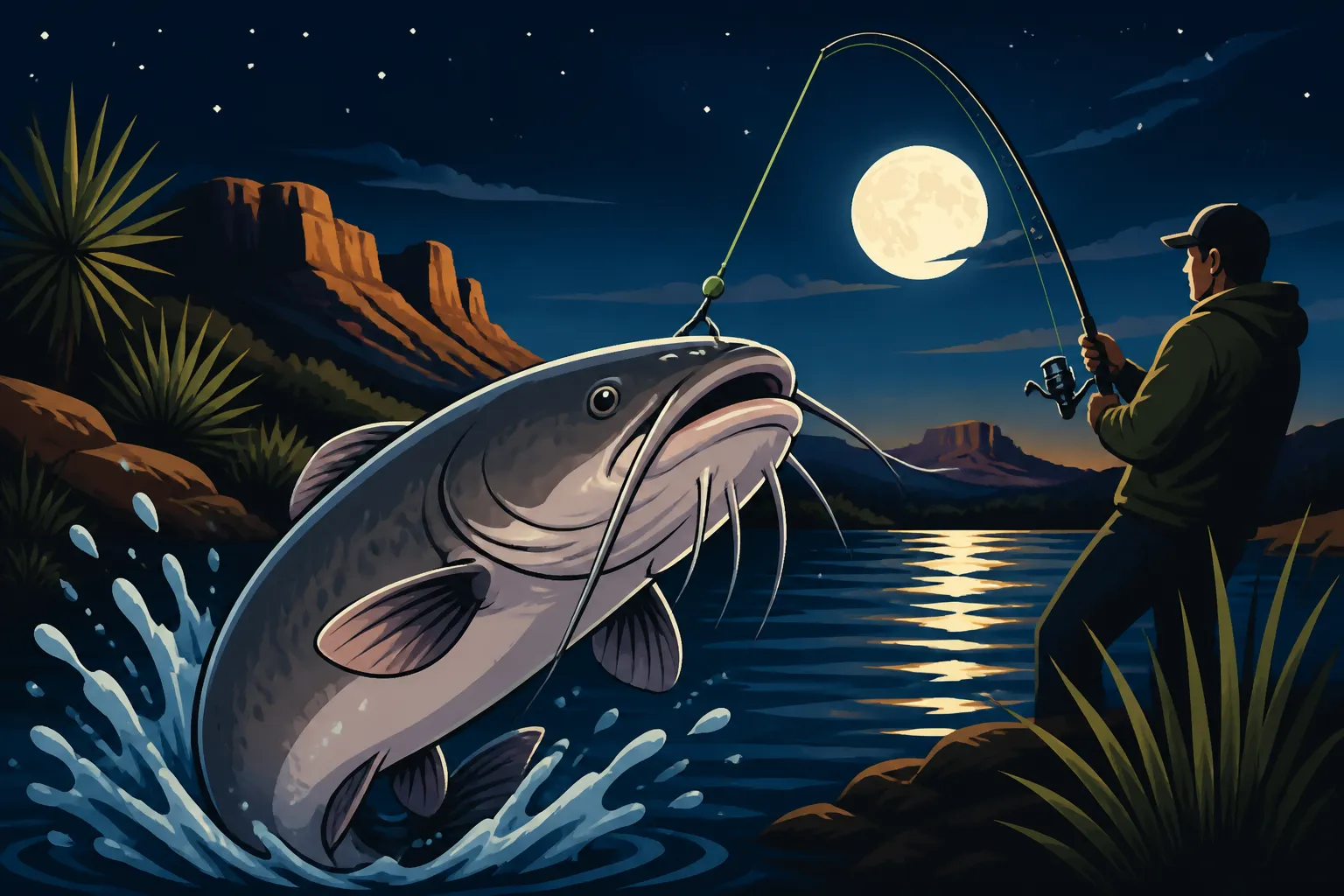
How to Catch Channel Catfish at Night
There’s nothing quite as frustrating as heading out to your favorite New Mexico fishing spot during the day, baking in the relentless sun, and watching your bait sit untouched while other anglers seem to pull in fish after fish. It can feel like you're missing some secret ingredient or special trick. But what if I told you the best time to target one of New Mexico’s most abundant and delicious fish is often after the sun goes down? If you're eager to fill your cooler and experience a whole new side of fishing, then learning How to Catch Channel Catfish at Night is absolutely your next adventure. This guide is all about equipping you with the knowledge to make those nocturnal excursions truly count.
Why Night Fishing is a Game Changer for Channel Catfish in New Mexico
When the sun beats down on those New Mexico waters, many fish species seek deeper, cooler refuges, making them harder to reach and tempt. But for channel catfish, the fading daylight is like ringing the dinner bell. Their entire biology is geared for nighttime foraging, turning the tables in your favor.
Understanding Catfish Behavior After Dark
Channel catfish are primarily nocturnal feeders, and this isn't just a preference; it's a finely tuned survival strategy. During the day, especially in our often-clear New Mexico waters, they are more vulnerable to predators and bright light, so they tend to stay in deeper, darker areas or under dense cover. But once dusk settles in, their world truly comes alive.
Their senses are incredibly acute, perfectly adapted for hunting in low-light conditions. Their barbels, those whisker-like protrusions around their mouths, are packed with taste buds that allow them to "taste" the water, picking up even the faintest scent of food. Coupled with a highly developed sense of smell and a sensitive lateral line system that detects vibrations, they can pinpoint prey with remarkable accuracy even in pitch blackness. This means that while you might struggle to get a bite from a bass in the middle of a hot summer afternoon, a channel catfish is actively prowling for a meal. The cooler night air also translates to cooler surface water, which can trigger more aggressive feeding behavior as they become more comfortable moving into shallower areas.
The Advantages of Cooler, Quieter Waters
Beyond the catfish's natural tendencies, night fishing offers a vastly different angling experience that's often more productive. One of the most immediate benefits is the sheer lack of competition and disturbance. During daylight hours, popular New Mexico lakes like Elephant Butte Lake or Conchas Lake can be bustling with recreational boaters, jet skis, swimmers, and other anglers. This constant activity spooks fish, pushing them away from prime feeding grounds and making them cautious.
As night falls, the crowds dissipate. The water quiets down, and the fish, particularly channel catfish, feel much safer venturing into the shallows to feed. This often means you can cast to spots that are completely unapproachable during the day, giving you access to prime ambush points. The reduced noise and boat traffic not only make the fish more comfortable but also make for a much more peaceful and enjoyable fishing experience for you. You'll find yourself able to relax, enjoy the sounds of nature, and focus entirely on the subtle tugs that signal a catfish has found your bait. Plus, those New Mexico summer nights, while still warm, are a welcome reprieve from the scorching daytime temperatures.
Essential Gear and Bait for New Mexico Night Catfishing
To truly maximize your success when targeting channel catfish at night, having the right setup and the most enticing bait is crucial. You're not just throwing any old rig out there; you're leveraging specific tools designed to exploit the catfish's nocturnal habits.
Rods, Reels, and Line for the Night Shift
When it comes to tackle for channel catfish, especially the bigger ones that lurk in New Mexico's larger reservoirs and rivers, you need gear that can handle a fight. Forget those ultralight setups; we’re talking about serious pulling power.
- Rods: Opt for a medium-heavy to heavy power rod, typically between 7 and 9 feet in length. The extra length helps with longer casts, especially when fishing from shore, and provides leverage to control larger fish. A fast or moderate-fast action will give you enough sensitivity to detect subtle bites while still offering plenty of backbone for setting the hook and horsing in a feisty catfish. Brands like Ugly Stik are popular for their durability, which is a big plus when you're fumbling around in the dark.
- Reels: Depending on your preference, either a robust spinning reel or a baitcasting reel will do the job. Look for reels with a good drag system and strong gears. For spinning reels, a size 4000 to 6000 is generally suitable. For baitcasters, ensure it has a smooth retrieve and a reliable clicker if you like to fish with your reel in free spool. The key is line capacity – you want enough space for 150-200 yards of line.
- Line: Monofilament line in the 15 to 30-pound test range is a classic choice. It has good abrasion resistance, which is important when fishing around submerged structure, and enough stretch to act as a shock absorber during powerful runs. Braided line, in similar test strengths, offers incredible sensitivity and no stretch, which can be advantageous for detecting light bites. However, it requires a leader (fluorocarbon or monofilament) to prevent fish from seeing the line and for abrasion resistance.
Here’s a quick comparison of common rod and reel setups for channel catfishing:
| Setup Type | Rod Power/Length | Reel Size/Type | Line Test (lbs) | Pros | Cons |
|---|---|---|---|---|---|
| Heavy Spinning | Medium-Heavy, 7-8 ft | 4000-6000 Spinning | 15-25 Mono/Braid | Versatile, easy to cast, good for larger fish. | Less precise for heavy bait, can feel clunky. |
| Heavy Baitcasting | Heavy, 7.5-9 ft | Conventional/Baitcast | 20-30 Mono/Braid | Excellent power, precise casting, good for heavy weights. | Learning curve for beginners, can backlash if not managed. |
| Surf Rod (Shore) | Heavy, 9-12 ft | Large Spinning/Baitcast | 25-40 Mono/Braid | Long casting distance, ideal for large lakes/rivers from shore. | Very heavy, less sensitive, requires more effort to cast. |
The Scent Trail: Best Baits for Night Catfish
This is where you truly tap into the catfish's incredible sense of smell. Forget delicate presentations; catfish want something stinky and irresistible. They are opportunistic scavengers, so anything that emits a strong scent trail in the water is going to get their attention.
- Cut Bait: This is a perennial favorite for a reason. Freshly cut pieces of oily baitfish like shad, carp, or even perch (check local regulations on using game fish as bait) are highly effective. The blood and oils create an irresistible scent plume that travels far, drawing in catfish from a distance. Just make sure your bait is fresh; rancid bait is less effective.
- Chicken Livers: A classic for a reason, chicken livers are cheap, readily available, and incredibly smelly. The soft texture can be a challenge to keep on the hook, but many anglers swear by them. Using a bait holder hook or wrapping the liver with a small piece of nylon stocking can help.
- Prepared "Stink" Baits: There's a huge variety of commercially available stink baits, often in dough or dip form, designed specifically for catfish. Brands like Catfish Charlie or Secret 7 have been popular for generations. These are formulated with powerful attractants that catfish find hard to resist. You can apply them to sponge hooks or special bait holders.
- Other Options: Don't be afraid to experiment! Hot dogs, particularly those soaked in garlic or Kool-Aid, can be surprisingly effective. Shrimp (peeled and left to sit out for a bit to get nice and smelly), and even small chunks of bar soap have been known to tempt a hungry cat. The key is strong odor. Before heading out, always double-check the New Mexico Fishing Regulations Overview for any bait restrictions in your chosen fishing area.
Lighting, Safety, and Comfort in the Dark
Night fishing is a unique experience, but it requires a few extra considerations for safety and comfort. You're not going to see much, so reliable lighting is paramount, and being prepared for the elements is essential.
- Lighting: A good headlamp is non-negotiable. Look for one with a red light setting. Red light preserves your night vision, meaning you won't blind yourself or your fishing buddies when you flip it on, and it's less likely to spook fish. A small lantern or camp light to illuminate your immediate fishing station is also incredibly helpful for rigging up, re-baiting, or managing your catch. Don't rely solely on your phone's flashlight – its battery will die, and it's not hands-free.
- Bug Spray: New Mexico nights, especially near water, can come with an unwelcome squadron of mosquitoes and other biting insects. A good quality bug spray with DEET or picaridin is an absolute must. Trust me, nothing ruins a peaceful night of fishing faster than being eaten alive.
- Comfort Items: Even during summer, New Mexico nights can get surprisingly cool, especially in the northern parts of the state or at higher elevations. Bring layers of clothing, a comfortable folding chair, snacks, and plenty of water or a warm drink. A small cooler to keep your bait fresh and later, your catch, is also essential. You can find many of these essentials, from headlamps to durable chairs, readily available on Amazon.
- Safety First: Always, always let someone know where you're going and when you expect to be back. Fish with a buddy if possible. Familiarize yourself with the area during daylight hours so you know the terrain, potential hazards, and access points. A basic first-aid kit is a smart addition to your gear bag. Ensure your phone is charged, and consider a portable power bank. Fishing at night adds an extra layer of challenge, so preparedness is key. Remember to have your New Mexico Fishing License Guide readily accessible, even if it's just digitally on your phone.
Prime Locations and Techniques for Night Catfishing in New Mexico
New Mexico offers a fantastic array of waters where channel catfish thrive, and knowing where to cast your line and how to present your bait can make all the difference between a slow night and a successful one.
Identifying Prime Night Catfish Haunts
Channel catfish are widespread throughout New Mexico, inhabiting many of our rivers and reservoirs. During the day, they might be scattered, but at night, they tend to move into more predictable feeding areas. The key is to think like a catfish: where would you find an easy meal in the dark?
- Rivers and Streams: The Rio Grande is a prime example of a New Mexico river holding excellent populations of channel catfish. Look for deeper holes adjacent to shallower riffles or sandbars, inside bends, and areas where feeder creeks or irrigation ditches enter the main flow. These spots often concentrate baitfish and wash in detritus, creating a buffet for catfish. The currents will also help disseminate the scent of your bait. For more detailed insights, check out Best Rivers for Catfish in New Mexico.
- Large Reservoirs: Our big lakes like Elephant Butte Lake, Caballo Lake, Sumner Lake, Ute Lake, and Conchas Lake are fantastic night catfishing destinations.
- Creek Mouths and Inflow Areas: These are catfish magnets. The inflowing water often carries food, and the slightly cooler water can be attractive.
- Submerged Structures: Old river channels, brush piles, submerged trees, and rock piles provide cover and ambush points. Catfish will patrol these areas looking for unsuspecting prey.
- Points and Humps: Any underwater structure that breaks up the bottom contour can be a holding area. Catfish will often stage on the deeper side of a point or hump during the day and move up onto the shallower top at night.
- Wind-Blown Banks: On breezy nights, the wind can push baitfish and other food sources towards specific shorelines. These wind-blown banks can be incredibly productive.
- Old Roadbeds or Foundations: If you know of any historical structures submerged in the lake, these are almost guaranteed to hold fish.
When fishing these areas at night, focus on the transition zones where deep water meets shallow water. These are natural highways for catfish on their nocturnal hunts. Knowing the current water levels can significantly influence where fish are holding, so it's always good to check those if possible. For detailed info on these spots, explore resources like the Elephant Butte Lake Fishing Guide or the Conchas Lake Fishing Guide.
Rigging and Presentation for Nocturnal Success
Simplicity and effectiveness are the names of the game when rigging for night catfishing. You want a rig that's easy to tie in the dark, presents your bait naturally, and signals bites clearly.
- The Slip Sinker (Carolina) Rig: This is perhaps the most popular and versatile rig for channel catfish. It consists of a barrel swivel, a leader (12-24 inches of monofilament or fluorocarbon), and a hook. The main line goes through a slip sinker (egg sinker or no-roll sinker work great), then ties to one end of the swivel. The leader ties to the other end of the swivel, and the hook is tied to the end of the leader. This setup allows the fish to pick up the bait and run without feeling the weight of the sinker, leading to more confident bites. When fishing with chicken livers, a larger circle hook, size 4/0 to 6/0, is often ideal.
- The Three-Way Swivel Rig: Excellent for current or when you want to suspend your bait slightly off the bottom. Tie your main line to one eye of the three-way swivel, a short leader (6-12 inches) with a sinker to another eye, and a longer leader (18-36 inches) with your hook and bait to the third eye.
- Float Rig (Bobber Rig): While less common for deep-water catfishing, a float rig can be very effective in shallower areas or when fishing over submerged weeds where you want to keep your bait just above the vegetation. Use a large, lighted bobber (easily found on Amazon) so you can see it in the dark. This is also a great option when teaching kids How to Catch Channel Catfish at Night.
- Hook Types and Sizes: Circle hooks are highly recommended for channel catfish. They are designed to hook the fish in the corner of the mouth when the fish swims away, typically resulting in fewer gut hooks and making catch and release much easier if you're not keeping your fish. Sizes 2/0 to 6/0 are good starting points, depending on the size of your bait and the catfish you expect to encounter.
- Presentation: Once your bait is in the water, resist the urge to constantly reel it in and check it. Catfish often take their time to find and commit to a bait. Cast your rig out, let it settle, and then reel in any slack until your line is reasonably tight.
- Tight-Lining: Many anglers prefer a "tight-line" approach, where they keep just enough tension to detect bites. This is where clip-on bells or small, clip-on LED lights attached to your rod tip become invaluable. When that rod tip starts to bounce or dip, you know you've got action!
- Fan Casting: If you're fishing from shore, fan cast your lines across a wide area to cover more ground. Set each rod in a rod holder (again, Amazon has great options) with its own bell or light. This allows you to present multiple baits at different depths or distances, increasing your chances. Don't forget to review the Catfish Limit in New Mexico before you start keeping fish.
Tips for a Successful and Safe Night Catfishing Experience
Getting out there in the dark with your rods and stinky bait is an adventure in itself, but a few extra tips can truly make your night fishing trips both more productive and enjoyable.
Enhancing Your Chances for a Big Catch
There are always those little tricks that seasoned anglers pick up over the years, and when it comes to night catfishing in New Mexico, these can make a real difference.
- Pre-Baiting (Chumming): If allowed in your chosen water body (always check regulations!), pre-baiting an area a few hours before you plan to fish can draw catfish in and get them feeding actively. Simple ingredients like soured corn, range cubes, or even chopped hot dogs can work wonders. Just sprinkle a moderate amount in the area you plan to fish. This creates a lasting scent trail that attracts more fish to your spot.
- Using Attractants and Dips: Beyond your primary bait, applying a commercial catfish attractant or dip to your bait can significantly amplify its scent profile. These liquids or pastes are packed with powerful odors that catfish find irresistible. They are especially useful with less pungent baits like hot dogs or prepared dough balls, giving them that extra kick. Again, a quick search on Amazon will show you a huge variety of options available.
- Be Quiet and Minimize Light Disturbance: While catfish rely heavily on smell, they aren't deaf or blind. Excessive noise (loud talking, banging gear) and bright, constant lights can still spook them, especially in shallower water. Use your headlamp sparingly, ideally on its red light setting, and try to keep your movements smooth and quiet. Let their natural curiosity and hunger draw them in.
- Focus on Peak Feeding Times: While catfish feed all night, there are often periods of increased activity. The first few hours after sunset and the hour or two before dawn are often the most productive. These are transition times when fish are most actively moving and foraging. It's smart to set up before sunset so your lines are in the water as the catfish start their nocturnal rounds. Keeping an eye on the New Mexico Fishing Season Calendar can also help you understand seasonal feeding patterns.
- Moon Phases and Weather: Many anglers swear by moon phases impacting fish activity. A full moon can sometimes make catfish more active due to the increased ambient light, while a new moon can mean deeper darkness, making them rely even more on scent. Pay attention to how different weather patterns (stable weather, approaching fronts) might influence their behavior – catfish often bite well before a storm.
Night Fishing Safety and Etiquette
Embracing the tranquility of night fishing also means taking extra precautions to ensure a safe and respectful experience for everyone.
- Fish with a Buddy: As mentioned, fishing with a friend or family member at night provides an extra layer of safety. In case of an accident, a fall, or simply needing help with a big fish, having someone else there is invaluable.
- Be Aware of Your Surroundings: Even if you scouted the area in daylight, the dark changes everything. Watch your footing, be mindful of uneven terrain, drop-offs, or submerged obstacles. New Mexico is home to various wildlife, so be aware of snakes, coyotes, or other animals that might also be out foraging.
- Know Local Regulations: Always double-check the specific regulations for the body of water you're fishing. Some areas may have restrictions on night fishing, specific bait usage, or limits on the number of rods you can use. Having the most up-to-date information is crucial, so a quick visit to the New Mexico Department of Game and Fish website is always a good idea. This is especially true for specific areas like those outlined in the New Mexico Trout Fishing Rules, which may have different regulations even for incidental catfish catches.
- Practice Leave No Trace: This is paramount. Pack out everything you pack in, and then some. This includes all bait containers, fishing line scraps, food wrappers, and anything else. Let's keep New Mexico's beautiful fishing spots pristine for everyone.
- Be Courteous to Other Anglers: Even at night, you might encounter other anglers. Be mindful of their space, keep your lights pointed down or away from their lines, and keep noise levels respectful. A quiet "hello" is fine, but avoid disruptive conversations or loud music. Showing respect helps ensure that everyone can enjoy their time on the water. Following these guidelines helps maintain a positive fishing community, whether you're targeting Channel Catfish in New Mexico or any other species.
Disclaimer
Please note that fishing regulations in New Mexico can change. Always consult the latest New Mexico Department of Game and Fish regulations booklet or website before heading out. This guide provides general information and recommendations, but it is the angler's responsibility to adhere to all current laws and safety guidelines.