Best Time of Day to Catch Trout in Summer Heat
Ah, summer in New Mexico! While the sun is glorious for so many outdoor adventures, it can turn our beautiful trout streams and lakes into a real head-scratcher for anglers. You're out there, rods in hand, ready to hook into some feisty trout, but the midday sun seems to have sent them all into hiding, leaving you wondering if it's even worth casting. This guide is all about cracking the code: finding the sweet spot in the day when those trout are still willing to bite, even when the mercury is rising. It's about adjusting your schedule and your tactics to make the most of those precious cooler hours.
Understanding Trout Behavior in New Mexico's Summer Heat
Before we dive into when to fish, it’s really helpful to understand why trout behave the way they do when temperatures climb. It’s not just about them being shy; it’s a matter of survival. New Mexico summers, especially in our lower elevation rivers and lakes, can bring some seriously warm water. Trout are cold-water fish, and these conditions put a lot of stress on them.
Imagine yourself trying to run a marathon in the middle of a scorching desert afternoon. You’d probably prefer to do it at dawn or dusk, right? That’s pretty much how trout feel. Their metabolism is highly dependent on water temperature, and when it gets too warm, they become lethargic, seek refuge, and their feeding activity drops dramatically. This basic biological reality shapes our entire strategy for summer trout fishing.
Why Trout Seek Cooler Water
Trout have evolved to thrive in cool, well-oxygenated water, typically below 68°F (20°C). As water temperatures rise above this threshold, trout become increasingly stressed. They’re not just trying to escape the heat; they’re trying to stay alive. Cooler water holds more dissolved oxygen, which is absolutely critical for their survival. When water warms up, its capacity to hold oxygen decreases, effectively making it harder for trout to breathe.
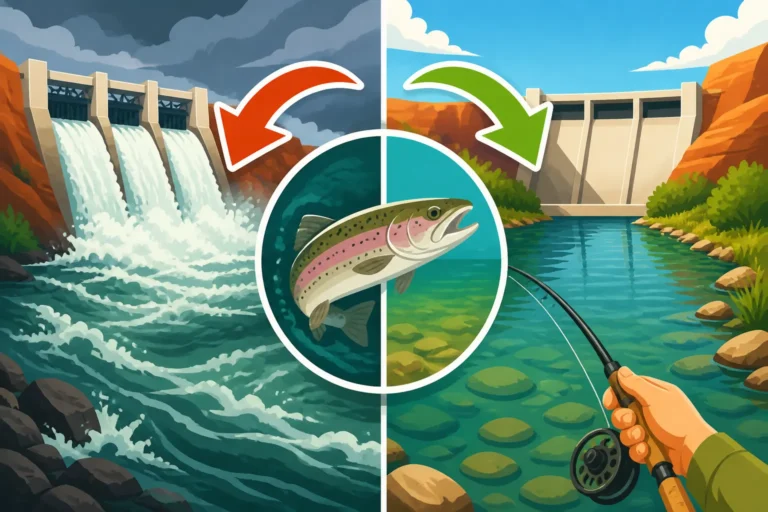
Because of this, you’ll find trout migrating to specific areas where they can find relief. This often means seeking out deeper pools, areas with strong springs or feeder creeks bringing in colder water, or the deep shade of overhanging banks and vegetation. Think of places like the shaded bends of the Pecos River or the cool depths of a high-mountain lake. Knowing these thermal refuges exist is key to locating fish during hot periods.
Oxygen Levels and Trout Activity
Beyond temperature, dissolved oxygen (DO) is a huge factor in trout activity. Cold, fast-moving water typically has high DO levels, which is why trout love riffles and rapids. In stagnant, warm water, oxygen levels plummet, and trout become sluggish. Their need for oxygen directly impacts their willingness to chase a lure or fly. They conserve energy, often hunkering down in the coolest, most oxygen-rich spots they can find.
This also means that ethical angling practices become even more important. A trout fought in warm, low-oxygen water is already under immense stress. Landing it quickly and minimizing its time out of the water are vital for its survival if you intend to release it. Always consider the fish's well-being, especially when you encounter New Mexico Trout Fishing Rules or New Mexico Catch and Release Regulations that emphasize careful handling.
The Early Bird Catches the Trout: Morning Magic
Without a doubt, the absolute best time to catch trout in New Mexico during the summer heat is in the early morning. This isn't just an old angler's tale; it's backed by science and countless successful trips. The overnight hours allow water temperatures to drop to their lowest point, and oxygen levels recover, bringing trout out of their lethargic state.
As the sun begins to peek over the Sangre de Cristo Mountains or glint off the surface of a reservoir, the trout become more active, moving out from their deeper hiding spots to feed. This is often when you'll see hatches of insects, triggering a feeding frenzy that can make for incredible fishing. It requires a bit of dedication to get out there before the world fully wakes up, but the rewards are often well worth it.
Pre-Sunrise to Mid-Morning: Prime Time
The window for prime morning fishing typically begins about an hour before official sunrise and can extend for two to three hours after. Once the sun climbs high enough to begin directly heating the water, especially in shallower areas, the trout will start retreating. This means you need to be on the water, geared up, and making your first casts as the light starts to break.
For rivers like the San Juan River Quality Waters, the first hour of daylight can be phenomenal for nymphing. On a high-mountain lake, you might find trout cruising the shallows or hitting topwater flies as the insects become active. This is the period when trout are most comfortable and actively seeking food, making them much more receptive to your offerings. Don't be surprised if the bite suddenly shuts off as the sun gets higher and brighter.
Gear and Tactics for Early Starts
Being prepared for an early start is crucial. You'll need a good headlamp to navigate in the dim light, especially if you're hiking to a remote spot. For rivers, light to medium action spinning rods or a 4-5 weight fly rod are usually sufficient for trout. On the gear front, consider light leaders and tippets to remain stealthy in the still-clear morning waters. Soft plastics, small spinners like Mepps or Panther Martins, and natural baits like worms can be highly effective for spin fishermen. Fly anglers should focus on emerger patterns, small nymphs, and even dry flies if a hatch is evident.
When fishing in the twilight hours, don't forget practical items like a good pair of polarized sunglasses to cut through the glare once the sun does rise – an essential piece of equipment for spotting fish. Many anglers find great deals on these kinds of accessories, along with their favorite fishing vests and small tackle boxes, on platforms like Amazon, ensuring they're ready for any early morning adventure. Having your gear organized and ready the night before will save you precious minutes when that alarm goes off before dawn.
The Evening Bite: Twilight Tactics
If mornings just aren't your thing, or you want to extend your fishing day, the late afternoon and evening offer a second chance at summer trout success. Just as the morning sees temperatures fall, the evening provides a similar reprieve as the sun begins its descent and ambient temperatures cool. The water might not get as cold as it does overnight, but the drop in direct sunlight and overall heat can spark a renewed period of activity for trout.
This "evening bite" often kicks off an hour or two before sunset and can last until full darkness sets in. It's a fantastic time to be on the water, often less crowded than the midday hours, and the lighting can make for some truly beautiful fishing experiences, especially in scenic areas like the Gila River.
Late Afternoon to Dusk: A Second Wind
As the long shadows stretch across the water, trout that have been hunkered down in deep pools or under cover will start to move. This is their second major feeding window of the day. You might observe increased insect activity, with caddis, mayflies, or even terrestrials like grasshoppers falling onto the water, prompting trout to look up. This can lead to exciting dry fly action or aggressive strikes on streamers and lures.
The transition from late afternoon to dusk is key. Pay attention to changes in the light and any signs of rising fish. On lakes, trout might move closer to the banks or into shallower coves to forage. In rivers, they'll often venture out from their mid-day holding lies into riffles and runs. This renewed energy and willingness to feed can offer fantastic opportunities for anglers who stick around until the stars begin to emerge.
Adjusting Your Approach for Evening Success
For evening fishing, stealth is still important, but trout might be a bit less skittish than in the bright midday sun. For fly anglers, consider larger dry fly patterns, especially those imitating caddis or grasshoppers, or swing streamers through deeper runs. Spin fishermen can have great success with small spoons, soft jerkbaits, or even nightcrawlers fished under a bobber.
As darkness falls, consider using scented baits or lures that create a lot of vibration, as trout will rely more on their other senses. A reliable headlamp (again, great options can be found on Amazon) is indispensable for rigging up, landing fish, and navigating your way back to your vehicle safely. Remember to bring insect repellent too, as the evening calm can often bring out the mosquitoes! Knowing how to best approach the water and select your presentations can really make the difference, just as detailed in comprehensive guides like New Mexico Trout Fishing Rules or general advice on Trout Fishing Techniques for New Mexico.
Midday Strategies: When You Can't Avoid the Heat
Let's be real: sometimes, despite all the best intentions, you just can't get out there at dawn or wait until dusk. Maybe you're on a family vacation, or your schedule simply doesn't allow for those prime hours. Fishing for trout in the scorching midday sun is tough, no two ways about it. The trout are stressed, the water is warm, and success rates drop considerably. However, it's not entirely impossible if you adjust your expectations and employ very specific strategies.
The most important thing to remember when fishing in the heat of the day is the well-being of the fish. If water temperatures are high enough to stress the trout, it's often best to put the rod down. Check local conditions or regulations for guidance, as some areas may even impose restrictions during extreme heat. But if you do decide to fish, make every effort to minimize stress on any fish you catch, especially those intended for release. For more on this, check out How to Keep Trout Cool and Alive for Catch and Release.
Targeting Deep Water and Shade
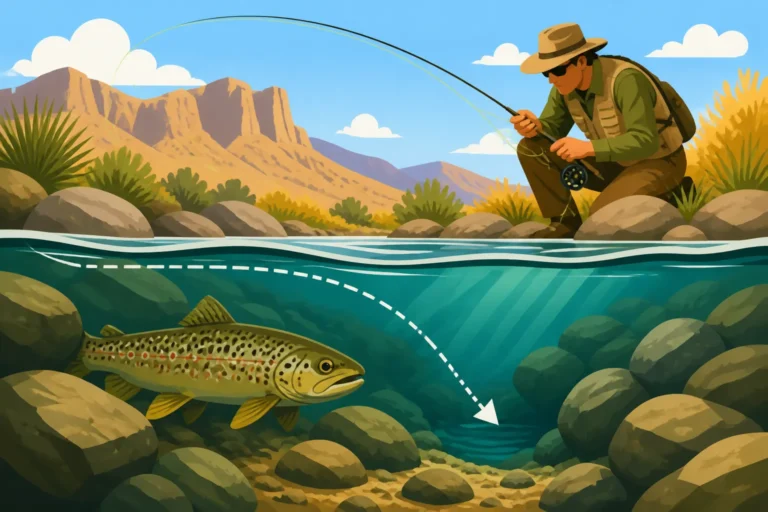
When the sun is high and bright, trout will retreat to their strongest thermal refuges. This means targeting deep pools, areas with cold spring inputs, or heavily shaded sections of a river or lake. On a river like the Rio Chama, look for the deepest, slowest moving water, often under cut banks or dense canopy. On lakes, focus on drop-offs, submerged structures, or areas where cool water feeds in.
Presentation needs to be subtle and precise. Cast well upstream and let your bait or lure drift naturally into these deeper, cooler zones. Slow retrieves are generally more effective, as a lethargic trout isn't going to chase a fast-moving target. Bottom-bouncing rigs with natural bait like power bait or worms can sometimes coax a bite from a trout hugging the bottom in a deep pool. Fly anglers might try heavily weighted nymph rigs or small streamers fished deep and slow.
Safety and Ethical Considerations
Beyond the challenge of catching fish, fishing in the midday summer heat presents significant safety concerns for you and serious ethical concerns for the fish. For yourself, remember to stay hydrated, wear sun-protective clothing, and use plenty of sunscreen. New Mexico's sun is no joke, and heatstroke or severe sunburn can quickly ruin a trip. A wide-brimmed hat and good UPF-rated clothing, available from reputable outdoor retailers or even on Amazon, are crucial.
For the trout, warm water fishing can be lethal. If the surface water temperature is consistently above 68°F, consider calling it a day. If you do fish, use barbless hooks to minimize damage, land fish as quickly as possible, and keep them in the water as much as you can. Avoid taking photos that keep fish out of the water for extended periods. If a fish looks exhausted or isn't recovering quickly before release, it's often better to just cut the line. These practices align with good Catch and Release Best Practices in New Mexico. Always prioritize the health of New Mexico's precious fish populations.
Strategic Scheduling: Planning Your Summer Trout Outings
Successfully targeting trout in New Mexico during the summer months is all about smart planning. It means embracing the rhythm of the day, understanding the trout's biological needs, and making adjustments to your approach. While the early morning and late evening are universally recognized as the best times, knowing why they are the best helps you refine your tactics and increase your chances of success.
By focusing on these cooler periods, you not only improve your fishing success but also contribute to the ethical treatment of our trout populations. Summer fishing is challenging, but with the right mindset and strategies, it can still be incredibly rewarding. Remember that being flexible and willing to adapt to the conditions are hallmarks of a truly skilled angler, especially when faced with the heat of the New Mexico summer.
| Time of Day | Water Temperature | Trout Activity | Recommended Tactics | Ethical Considerations |
|---|---|---|---|---|
| Pre-Sunrise to Mid-Morning | Lowest | High | Nymphing, dry flies (if hatch), small spinners, worms (fished deep initially, then shallow) | Minimal stress on fish, ideal for catch & release |
| Mid-Morning to Late Afternoon | Rising | Low | Target deep pools, heavy shade, spring inputs. Slow, subtle presentations, bottom fishing. | High stress on fish. Consider not fishing if temps are too high. Maximize quick release. |
| Late Afternoon to Dusk | Falling | Moderate to High | Larger dry flies, streamers, small spoons, soft plastics (after sun drops). | Moderate stress, good for catch & release, but still be mindful of fight time. |
| Night (Full Dark) | Cool | Varies | Scented baits, noisy lures, glow-in-the-dark baits (where permitted). | Increased personal safety concerns, still good for fish if water is cool. |
For those looking to explore more specific seasonal advice, you might find valuable insights in articles discussing Summer Fishing in New Mexico or delving into New Mexico Fishing Season Dates and Limits to plan your trips around the most opportune times. No matter when you go, remember to always check the latest New Mexico Fishing Regulations Overview before heading out, as rules and conditions can change.
Disclaimer
This article is for general informational purposes only and does not constitute professional advice. Laws, prices and regulations vary by location and change over time. Consult a qualified professional for guidance on your specific situation.