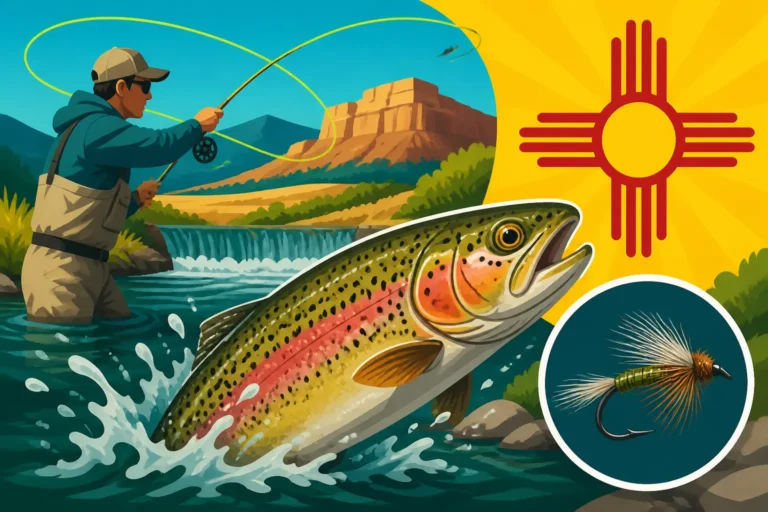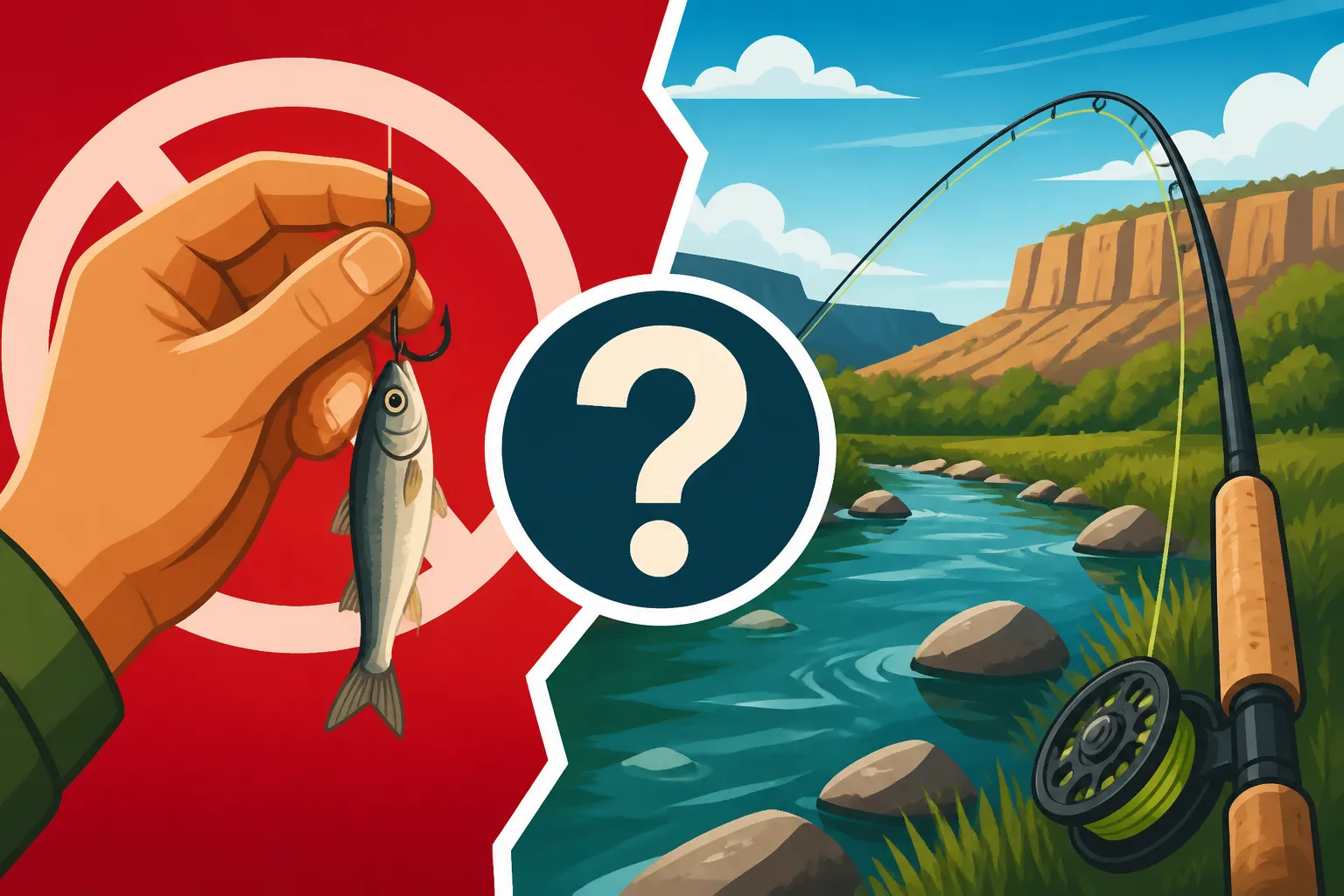
Can You Use Live Bait on the San Juan Quality Waters?
One of the most common questions I hear from anglers heading to New Mexico, especially those dreaming of fishing the legendary San Juan River, revolves around bait. There's often a bit of confusion, and frankly, some frustration, when people realize that what works in their local pond might not cut it on certain pristine waters here. Specifically, many wonder, "Can you use live bait on the San Juan Quality Waters?" This guide will clear up that question once and for all, diving deep into the regulations and what it means for your fishing adventure.
Understanding the San Juan Quality Waters Designation
The San Juan River below Navajo Dam is globally renowned as a blue-ribbon trout fishery, and a significant portion of it is designated as "Quality Waters." This isn't just a fancy name; it comes with very specific rules designed to protect and enhance this incredible resource. It's a special place, one that offers some of the best trout fishing anywhere, but it demands respect for its unique ecosystem.
What Makes "Quality Waters" Unique?
The "Quality Waters" stretch of the San Juan River is a unique segment that extends from the base of Navajo Dam downstream for about 3.75 miles. This designation isn't arbitrary; it reflects a conscious decision to manage this section for exceptional trout fishing, focusing on large, healthy fish that often grow quite robust due to the consistent cold water flows from the dam and an abundant food source. Unlike many other rivers where you might find more flexible rules, the San Juan Quality Waters are managed under stricter guidelines to maintain this high standard.
These stricter guidelines cover everything from gear choices to catch limits, all aimed at fostering a thriving wild trout population. The idea is to create an environment where the trout can grow to impressive sizes, offering a truly world-class angling experience. It's a testament to conservation efforts and a model for how a fishery can be preserved and nurtured for future generations. If you're planning a trip, understanding the specific New Mexico Special Trout Water Rules for this area is absolutely critical to having a successful and legal outing.
Why Specific Gear Restrictions Exist
The primary reason for the gear restrictions, particularly the ban on live bait, in the San Juan Quality Waters is conservation. Live bait, while incredibly effective, can often lead to deeper hooking of fish, especially trout, which have delicate internal organs. When a fish swallows a bait, it significantly reduces its chances of survival upon release, even if handled carefully. Since the Quality Waters thrive on a robust catch-and-release ethic for many anglers, minimizing mortality is paramount.
Beyond deep hooking, there's also the concern about introducing invasive species or diseases through live bait. Imagine bringing worms from one ecosystem to another; they could carry parasites or bacteria that the native fish have no immunity to. By restricting anglers to artificial flies and lures, the state aims to mitigate these risks, ensuring the health and integrity of the San Juan River's ecosystem. These rules are in place not to make fishing harder, but to safeguard the very qualities that make this stretch of river so special for both fish and anglers alike. This commitment to maintaining a healthy fishery is a cornerstone of New Mexico Fishing Regulations Overview.
The Rules on Live Bait for the San Juan Quality Waters
Let's get straight to the point: the regulations for the San Juan River Quality Waters are very clear about live bait. They prioritize the health of the fish and the quality of the angling experience, which means some common fishing practices are simply not allowed in this specific stretch.
Defining "Live Bait" in New Mexico Regulations
When the New Mexico Department of Game and Fish talks about "live bait," they are referring to a broad category of natural offerings that are alive or were recently alive, and often emit natural scents. This includes common items like worms (earthworms, nightcrawlers), minnows, crayfish, grasshoppers, salmon eggs, or even corn and marshmallows which, while not "alive," are still natural food sources and fall under the general definition of bait in many regulations.
On the San Juan Quality Waters, the rule against live bait is absolute. You cannot use any of these natural, scent-emitting substances to entice a bite. This means leaving your trusty worm containers and bait buckets at home if you plan to fish this specific, protected stretch of river. The intent is to encourage fish to strike out of aggression or curiosity at artificial presentations, rather than simply consuming an easily digestible food source, which in turn helps reduce the risk of deeply hooked fish.
Permitted vs. Prohibited Baits and Lures
In the San Juan River Quality Waters, the rules explicitly state that only artificial flies and lures with a single, barbless hook may be used. This is a critical distinction that every angler needs to understand before wetting a line here.
Prohibited:
- Live Bait: As discussed, absolutely no worms, minnows, salmon eggs, or any other natural, organic, or scent-emitting bait. This includes prepared baits that might mimic natural food sources but are not artificial.
- Scented Lures/Plastics: Even artificial lures or soft plastics that have scent impregnated or added to them are generally prohibited within the spirit of the "artificial flies and lures only" rule. The emphasis is on sight and action, not smell.
- Multi-hook Lures: Lures with treble hooks or multiple single hooks are not allowed.
- Barbed Hooks: Any hook with a barb, even a small one, is strictly forbidden. All hooks must be completely barbless.
Permitted:
- Artificial Flies: This is the realm of fly fishing, covering everything from nymphs and dry flies to streamers and emergers. These are crafted imitations of insects or small baitfish.
- Artificial Lures: Spinners, small spoons, jigs, and some hard-bodied crankbaits are generally acceptable, provided they only have a single, barbless hook. The key is "artificial" – made of synthetic materials, with no natural scent.
| Category | Allowed on San Juan Quality Waters | Examples |
|---|---|---|
| Live Bait | No | Worms, minnows, salmon eggs, corn, marshmallows, PowerBait, scented soft plastics |
| Artificial Flies | Yes (Barbless Hook Only) | Nymphs (e.g., San Juan Worm, Pheasant Tail), Dry Flies (e.g., Elk Hair Caddis, Adams), Streamers (e.g., Woolly Bugger), Emergers |
| Artificial Lures | Yes (Single, Barbless Hook Only) | Spinners (e.g., Mepps, Rooster Tail), Spoons (small), Jigs (e.g., Gulp! artificials if unscented and barbless, though general rule favors non-scented), some small hard-bodied plugs/crankbaits (check hook type) |
The requirement for a Hook Requirement in San Juan River Special Trout Water is not just a suggestion; it's a fundamental part of the conservation strategy. If you're coming from an area where bait fishing is common, this might require a shift in your approach, but it's a rewarding challenge. Many anglers even go so far as to pinch the barbs on their hooks, even if they originally came barbed, to comply with the rules and ensure minimal harm to the fish.
Practical Implications for Anglers
These strict regulations, while challenging for some, have profound positive impacts on the fishery and the overall angling experience on the San Juan Quality Waters. They shape how you prepare for your trip, what gear you bring, and the techniques you'll employ.
The Challenge for Bait Anglers
For those accustomed to bait fishing, transitioning to artificial-only, barbless hook rules can feel like a significant hurdle. Many anglers grew up tossing a worm under a bobber, and the idea of carefully selecting a nymph pattern or precisely presenting a small spinner can seem daunting. It requires a different mindset, a new set of skills, and often, new gear.
You might find yourself needing to invest in fly fishing equipment or a dedicated spinning rod setup for lighter lures, rather than your standard baitcasting outfit. Learning to read the water, understand insect hatches, or work a spinner through current effectively takes practice. However, this challenge is part of the allure for many who frequent the San Juan Quality Waters. It pushes you to become a more skilled angler, and the reward of hooking a magnificent trout on a carefully chosen artificial is incredibly satisfying. It's an opportunity to truly immerse yourself in the art of angling, rather than relying on the fish's instinct to consume an easy meal. Many seasoned anglers consider the San Juan River Fly Fishing experience to be unparalleled.
Benefits of Artificial-Only Rules
The benefits of these artificial-only rules are manifold and directly contribute to the San Juan River's status as a premier fishery. Firstly, and most importantly, it significantly reduces fish mortality. Fish that are caught on artificial lures or flies, especially with barbless hooks, are much less likely to suffer internal injuries and are easier to unhook quickly, increasing their chances of survival after being released. This is crucial for a fishery that relies heavily on New Mexico Catch and Release Regulations for maintaining its large trout populations.
Secondly, these rules foster a more engaged and respectful angling community. Anglers who choose to fish the Quality Waters are often passionate about conservation and the art of fishing, creating a shared sense of stewardship. The focus shifts from simply "catching fish" to understanding fish behavior, mastering casting techniques, and appreciating the intricate ecosystem. This leads to a more sustainable fishery, where trophy-sized trout are common, and the health of the aquatic environment is consistently protected. The overall health and vitality of the fish are why places like the San Juan River earn the distinction of being What a Quality Water Trout Fishery Means.
Stocking and Natural Reproduction in the Quality Waters
While the San Juan Quality Waters are famed for their large, healthy trout, it's a common misconception that the river relies heavily on stocking to maintain its fish populations in the artificial-only section. In reality, the conditions below Navajo Dam are so ideal that the trout, primarily rainbow and brown trout, reproduce naturally and thrive remarkably well. The constant cold water, rich aquatic insect life, and the protection offered by the regulations create a perfect environment for trout to spawn, grow, and perpetuate their own populations.
The New Mexico Department of Game and Fish does manage stocking in other areas of the state to enhance fishing opportunities, but the Quality Waters itself is largely a self-sustaining wild fishery. This natural reproduction is a testament to the effectiveness of the strict regulations, including the live bait ban, which ensure that the juvenile trout have a chance to grow into the magnificent fish that draw anglers from around the world. It’s a delicate balance that allows anglers to enjoy incredible fishing while supporting a truly wild and vibrant ecosystem. The health of these fish, from small parr to large adults, is a direct result of these careful management practices.
Exploring Alternatives to Live Bait
If you're making the trip to the San Juan Quality Waters, leaving the live bait at home doesn't mean you're out of options. In fact, it opens up a world of engaging and highly effective artificial techniques that can be incredibly rewarding.
Effective Artificial Lures and Flies
For those who are new to artificial-only fishing, the sheer variety of flies and lures can feel overwhelming. However, focusing on a few key types can get you started.
For Fly Anglers:
- Nymphs: These are imitations of aquatic insect larvae and pupae, which make up the vast majority of a trout's diet. Patterns like the San Juan Worm, Pheasant Tail, Hare's Ear, and various midge patterns (like tiny zebra midges) are absolute staples on the San Juan. Nymphing involves getting your fly down to the fish's feeding zone near the bottom, often with the aid of an indicator and split shot. Learning to "read the water" and understand drift is key here. The proper selection of these little wonders is crucial, and you can find a huge variety online, perhaps even browsing for them on Amazon. For specific advice, checking a guide like Fly Selection for New Mexico's San Juan River can be invaluable.
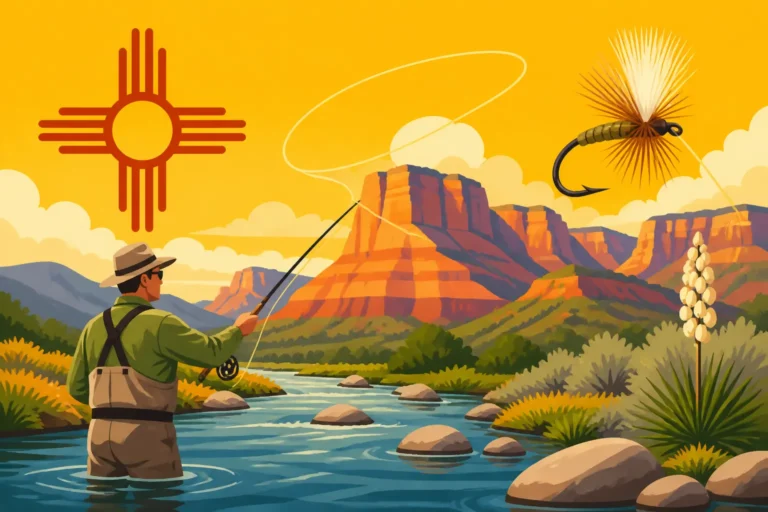
- Dry Flies: When trout are actively feeding on insects hatching on the surface, nothing beats a dry fly. Caddis, mayflies, and stoneflies are common hatches. Presenting a dry fly requires a delicate touch and accurate casting, but the sight of a trout rising to your imitation is unforgettable.
- Streamers: These larger flies imitate baitfish or leeches and are effective for targeting larger, more aggressive trout. Stripping streamers through deeper pools or along current seams can provoke a powerful strike.
For Spin Anglers (using artificial lures):
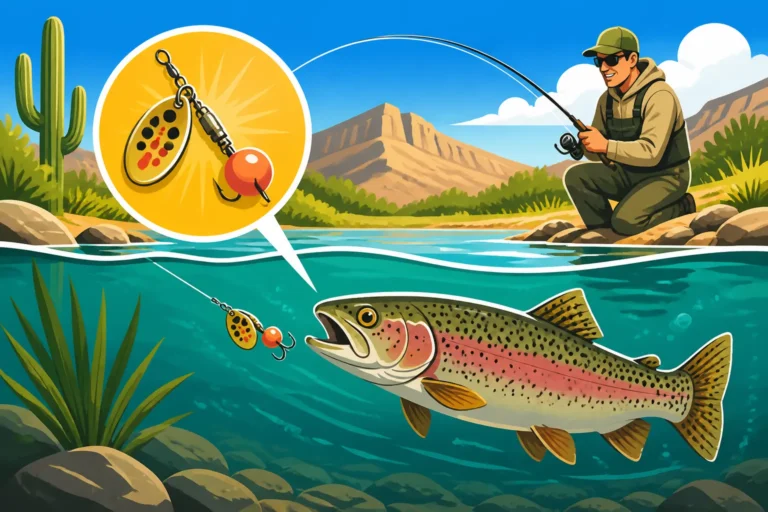
- Spinners: Small inline spinners, such as Mepps or Rooster Tail, are very effective. They create flash and vibration that can attract trout from a distance. Experiment with different blade colors and sizes, always ensuring you've replaced any treble hooks with a single, barbless hook.
- Jigs: Small jigs (1/32 to 1/8 ounce) tipped with artificial soft plastics (unscented!) can be deadly. Grubs, tubes, or small worm imitations worked slowly along the bottom often trigger strikes. Again, ensure the jig has a single, barbless hook.
- Small Spoons: Tiny casting spoons, like Kastmasters or similar designs, can imitate injured baitfish and are good for covering water.
The key with all artificial presentations is to make them look as natural as possible. Pay attention to retrieve speed, drift, and how your lure or fly moves through the water. Learning these techniques will not only make you a more successful angler on the San Juan but also broaden your skills for other fisheries. Mastering the art of Nymph Fishing on the San Juan River is a game-changer for many who visit.
Where You Can Use Live Bait on the San Juan River
It's important to remember that the live bait ban applies specifically to the "Quality Waters" section of the San Juan River, which is roughly the first 3.75 miles downstream from Navajo Dam. The good news is that outside of this designated stretch, the regulations ease up considerably, and you absolutely can use live bait in many other parts of the San Juan River, as well as in other New Mexico waters.
Below the Quality Waters, as the river flows further downstream, the general statewide fishing regulations typically apply. This means that if you prefer fishing with worms, PowerBait, or other natural baits, you'll have plenty of opportunities elsewhere on the San Juan River or at other fantastic spots like Elephant Butte Lake or many of New Mexico's other reservoirs and rivers. Always double-check the specific regulations for the particular section of water you plan to fish, as rules can vary even along the same river system. The general New Mexico Fishing Regulations Overview provides comprehensive details for the entire state, so you're never caught off guard. It's truly a state that offers diverse fishing experiences for every preference, whether you're a strict fly-only angler or someone who enjoys the simplicity of a worm and bobber.
Disclaimer
This article is for general informational purposes only and does not constitute professional advice. Laws, prices and regulations vary by location and change over time. Consult a qualified professional for guidance on your specific situation.