Fishing New Mexico During a Cold Front
There’s nothing quite like waking up to crisp, clear New Mexico skies, ready for a day of fishing, only to realize a biting cold front has just swept through. Suddenly, those eager fish you were dreaming about seem to vanish, and the waters feel… empty. It’s a frustrating scenario many anglers face, turning a promising outing into a puzzling ordeal. This guide is here to equip you with the knowledge and strategies you need to tackle fishing New Mexico during a cold front, helping you adapt your approach and still find success when the weather takes a turn.
Understanding How Cold Fronts Impact New Mexico Fishing
A cold front isn't just about a drop in air temperature; it's a complete shift in atmospheric conditions that profoundly affects everything from water temperature to barometric pressure. And trust me, fish feel every single change, often reacting in ways that can make them seem to disappear entirely. Understanding these core impacts is the first step to outsmarting them.
The Sudden Shift: Barometric Pressure and Fish Behavior
When a cold front rolls in, one of the most significant changes, often unseen by the naked eye, is the rapid increase in barometric pressure. Think of it like this: fish are accustomed to a certain atmospheric weight pressing down on the water and, by extension, on their swim bladders. When that pressure suddenly spikes, it’s like someone put a heavy blanket on them. This change can be quite disorienting and uncomfortable.
Fish, especially those in shallower waters, become incredibly lethargic. Their activity levels drop significantly, and their natural instincts tell them to seek refuge. This often means moving to deeper water where the pressure changes are less drastic and the environment is more stable. They’re not actively feeding; they’re trying to stabilize and conserve energy, hunkering down until conditions improve. For an angler, this means the active, aggressive bites you might expect on a fair-weather day are simply not going to happen. You’ll be casting into what feels like an empty void if you don't adjust.
Water Temperature Fluctuations and Fish Metabolism
While barometric pressure is a sudden shock, the drop in air temperature that accompanies a cold front has a more gradual, but equally impactful, effect on the water itself. Shallow areas, in particular, will cool down much faster than deeper sections of a lake or river. This immediate cooling of their primary habitat cues fish that winter is coming, or at least a temporary harsh period.
As water temperatures fall, fish metabolism slows down considerably. Imagine trying to run a marathon in freezing temperatures – you’d conserve energy, move slower, and probably wouldn't feel much like eating a huge meal. Fish are no different. Their digestive processes slow, and their need to consume large amounts of food diminishes. This is why a big, flashy lure that might work wonders on a warm day will often be completely ignored during a cold front. They're just not in the mood for a heavy meal or a high-speed chase. This metabolic slowdown applies to everything from trout in the mountain streams to bass in the desert reservoirs, albeit with varying degrees of sensitivity depending on the species.
Strategic Approaches for Fishing During a Cold Front
Okay, so the fish are hunkered down, lethargic, and not keen on eating a feast. Does that mean you should just pack up and go home? Absolutely not! It means you need to get strategic. Fishing during a cold front is less about power and speed, and more about finesse, patience, and understanding where these reluctant fish might be hiding.
Targeting Deeper, More Stable Waters
When a cold front hits, fish immediately look for stability. This means they’re heading to the deepest, most thermally stable water they can find. For lake anglers, this translates to focusing on main lake channels, deep points, significant ledges, and submerged humps or brush piles. These areas offer a more consistent environment in terms of both temperature and pressure, providing a sanctuary until conditions normalize. Places like Elephant Butte Lake or Navajo Lake, with their vast deep expanses, will see fish dropping into the basin or congregating along steep underwater cliffs.
Your approach here needs to be methodical and slow. Think vertical jigging right over structure, or slowly dragging bottom-hugging baits. Instead of casting widely, use your fish finder (if you have one) to pinpoint concentrations of fish, or rely on maps to locate known deep structure. Present your bait directly to them, almost putting it in front of their noses, because they aren't going to expend much energy chasing it down. This is where patience truly pays off; you might have to work a small area thoroughly for a single bite.
Downsizing Baits and Slowing Your Presentation
Because fish are less aggressive and have a reduced appetite, big, flashy presentations are often counterproductive. This is the time to downsize everything. Think tiny jigs, micro-plastics, and small worms for just about any species. For trout, this might mean switching from large streamers to almost microscopic nymphs or even a single kernel of corn on a tiny hook. For bass, forget the big spinnerbaits and crankbaits; instead, opt for finesse techniques like a drop shot rig with a small worm or a Ned rig.
The retrieve is equally, if not more, critical. Slow down. And then slow down some more. Fish aren't going to chase. You need to present your bait in a way that makes it seem like an easy, effortless meal. Long pauses between twitches, barely moving your bait along the bottom, or letting a jig sit motionless for extended periods can often trigger a reaction strike from a lethargic fish that wouldn't commit to a fast-moving target. This requires a lot of focus and sensitivity to detect those incredibly subtle bites that feel more like a sponge than a fish.
Adapting to Specific Fish Species
Different fish species react to cold fronts in slightly different ways, so tailoring your approach further based on your target is crucial.
Trout
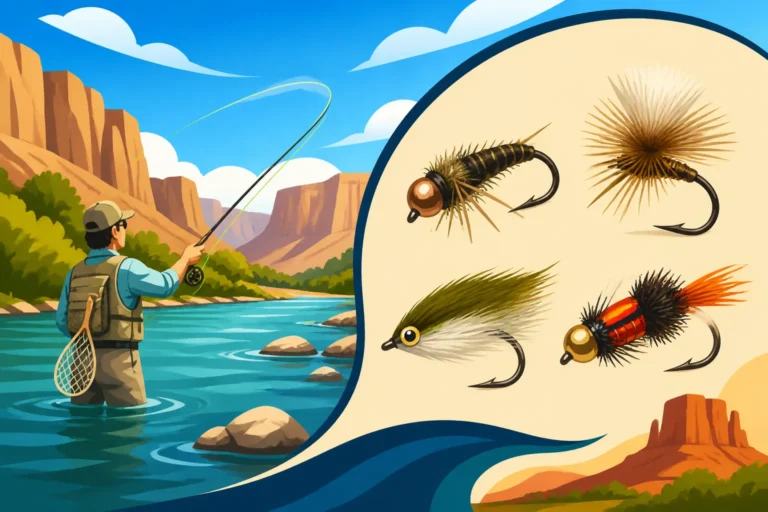
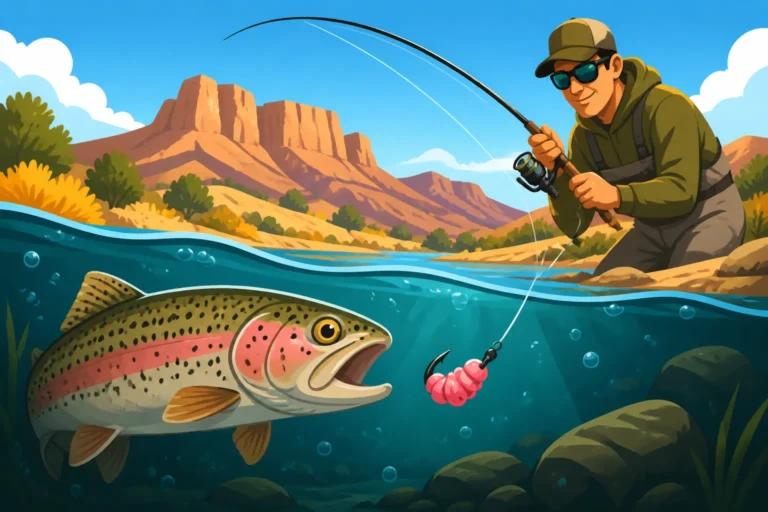
New Mexico's trout, especially those in our cold, clear rivers like the San Juan River Quality Waters, are particularly sensitive to sudden changes. During a cold front, they'll often stack up in deep pools, current seams, and behind large structure that breaks the current. Your best bet is to go ultra-light and focus on very small, natural-looking baits or flies. Think tiny midge patterns, small Pheasant Tail nymphs, or delicate egg patterns for fly anglers. If you're spin fishing, a small piece of PowerBait in a bright, visible color like chartreuse or white, fished dead still on the bottom with minimal weight, can be very effective. The key is presenting it in a way that requires zero effort from the trout.
When fishing for these colder-water residents, remember that their strikes will be incredibly subtle. Use a sensitive rod and watch your line carefully for any unnatural movement. For more detailed insights, check out our guide on Trout Fishing Techniques for New Mexico and Best Lures for New Mexico Trout.
Bass
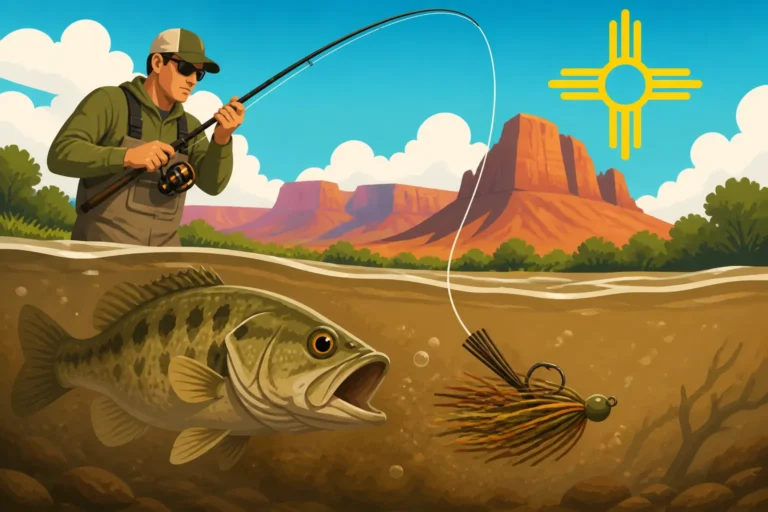
Largemouth and smallmouth bass in New Mexico's larger reservoirs like Elephant Butte or Ute Lake will often drop off deeper ledges or tuck into submerged brush and rock piles. They become very reluctant to chase. This is prime time for finesse techniques. A shaky head worm, a Ned rig, or a drop shot with a small plastic worm or creature bait fished painstakingly slow are your best friends. Sometimes, a suspended jerkbait, twitched very slowly with long pauses, can also entice a reaction strike, especially if the bass are suspended just off structure.
Focus on vertical presentations directly over known fish-holding structure. Don't be afraid to leave your bait motionless for what feels like an eternity. Bass fishing during a cold front is a true test of patience and your ability to feel even the slightest "tick" on your line. For more tips on targeting these fish, read our Bass Fishing Techniques for New Mexico Lakes article.
Walleye and Crappie
These species are already known for inhabiting deeper water, so a cold front often just pushes them a bit deeper or makes them even more finicky. Walleye will hug the bottom, particularly on sharp breaklines, submerged humps, or old creek channels. Vertical jigging with small spoons or blade baits, tipped with a minnow head or a piece of nightcrawler, can be productive. Slow trolling with deep-diving crankbaits or spinner rigs along contours is another effective method, but the trolling speed needs to be significantly reduced.
Crappie will often stack up tight to brush piles, standing timber, or bridge pilings in deeper water. Using tiny jigs (1/32 oz or smaller) tipped with a minnow or a small plastic tube, suspended directly in the structure, is often the most consistent technique. Light line and a very sensitive bobber can help detect those almost imperceptible bites.
Post-Front Fishing: When Things Start to Improve
While fishing during a cold front can be challenging, the good news is that conditions eventually stabilize. Knowing when to capitalize on the rebound can make all the difference, turning a tough trip into a rewarding one.
The Waiting Game: When Fish Rebound
It’s tempting to hit the water the moment the sun peeks out after a cold front has passed, but often, the fishing can still be tough for a day or two. The barometric pressure might have stabilized, but the fish are still recovering from the shock. Their metabolism needs to get back up to speed, and they need to feel safe and comfortable enough to start actively feeding again. Generally, you’ll see the best improvements after about 24-48 hours of stable post-front weather, even if it’s still cold.
Look for a period of consistent weather – consistent air temperature, consistent sunshine (or cloud cover), and most importantly, stable barometric pressure. This stability, rather than just the absence of the front, is what signals to the fish that it's safe to resume normal activities. This is also why checking a detailed New Mexico Fishing Season Calendar and local weather forecasts is so vital.
Capitalizing on Warming Trends and Sun Exposure
Once the initial shock wears off and stable weather returns, especially if it brings some sunshine, fish will start to become more active. Look for areas that receive direct sunlight throughout the day, as these will warm up slightly faster. Shallow, dark-bottomed coves, rock banks, or mud flats that absorb solar radiation can become temporary feeding grounds. Fish will move into these areas to "sunbathe," absorbing warmth to kickstart their metabolism.
During these warming trends, you can gradually start to speed up your retrieves and even experiment with slightly larger baits. Bass might move to sun-warmed north-facing banks in the afternoon, while trout might become more active in shallow riffles as the water temperature ticks up a degree or two. This transition period is often a great time to experiment; start with your slow, finesse presentations, and if you're not getting bites, gradually try speeding things up or upsizing your lures until you find what they want.
Gear and Comfort for Cold Front Conditions
Fishing during or after a cold front isn't just about what the fish are doing; it's also about your own comfort and preparedness. Cold temperatures can make it miserable, and if you’re shivering, you’re not focused on those subtle bites. Layering is paramount: start with a good moisture-wicking base layer, add insulating layers like fleece, and finish with a waterproof and windproof outer shell. Don't forget a warm hat, gloves, and even hand warmers, which you can find readily on Amazon to stick in your pockets or gloves.
Having the right gear extends to your tackle, too. A sensitive rod and reel combination is non-negotiable. Graphite rods, with their excellent sensitivity, help you detect those incredibly light takes from sluggish fish. Pair it with a smooth reel spooled with fluorocarbon line, which offers less stretch and greater sensitivity than monofilament, allowing you to feel every bump and whisper of a bite. Being comfortable and having gear that transmits even the slightest nibble will drastically increase your chances of success during these challenging conditions. You can find more comprehensive advice in our Best Fishing Gear for New Mexico Anglers guide.
Essential Cold Front Fishing Checklist & Pro Tips
Successfully navigating a cold front fishing trip in New Mexico boils down to preparation, adaptation, and an unwavering commitment to patience. You can't control the weather, but you can control your response to it.
Pre-Trip Planning and Weather Monitoring
Before you even think about heading out, become a meteorologist for a day. Obsessively check detailed weather forecasts, paying particular attention to barometric pressure trends. A rapidly dropping pressure before a cold front can often trigger an aggressive feeding frenzy, as fish sense the change and try to gorge themselves. This "pre-front bite" is a golden opportunity. Conversely, a rapidly rising pressure during or immediately after the front is a red flag for tough fishing.
Have a backup plan. If your usual spot involves shallow, exposed areas, consider heading to a deeper lake or a river section with more stable flows and cover. The Elephant Butte Lake Fishing Guide or Navajo Lake Fishing Guide might give you ideas for deeper water options. Sometimes, accepting that fishing will be slow and choosing a location known for its deep structure can make the day more manageable. Remember, even a short window of activity can lead to success, so be ready to capitalize if the fish decide to cooperate for an hour or two.
Terminal Tackle Adjustments and Live Bait Considerations
Making smart adjustments to your terminal tackle is a game-changer. Here’s a quick comparison to keep in mind:
| Factor | Normal Conditions | Cold Front Conditions |
|---|---|---|
| Bait/Lure Size | Standard to large | Small to micro-sized |
| Retrieve Speed | Moderate to fast, aggressive | Ultra-slow, long pauses, barely perceptible movement |
| Line Type | Mono, Fluoro, Braid (depending on technique) | Mostly Fluorocarbon (for sensitivity and invisibility) |
| Hook Size | Standard | Smaller, finer wire |
| Weighting | Moderate to heavy (for casting/depth) | Minimal, just enough to get to depth |
| Approach | Covering water, active search | Targeted, meticulous, presenting to fish directly |
When fish are sluggish, live bait often has an undeniable advantage. A wriggling worm, a struggling minnow, or even a grasshopper can sometimes entice a strike when artificial lures fail. The natural movement and scent can be irresistible to a fish that’s otherwise uninterested. Just be sure to check the New Mexico Fishing Regulations Overview for any rules regarding live bait in specific waters. For trout, consider using small live worms or salmon eggs, especially if you're not on designated "artificial lure only" waters. If you’re targeting catfish, a nightcrawler or cut bait can be effective even in cooler conditions. For more ideas, see our guide on the Best Bait for New Mexico Trout.
Patience and Persistence: The Angler's Mindset
Perhaps the most crucial piece of gear you can bring to a cold front fishing trip is a heavy dose of patience and a resilient mindset. It’s easy to get frustrated when the fish aren't biting, and it can feel like you're doing everything wrong. Remember, it's not you; it's the weather. The fish are there, but they’re just not in their usual mood.
Embrace the challenge. See it as an opportunity to refine your finesse techniques, to truly slow down and connect with the subtle nuances of angling. Every little bump, every slight hesitation in your line, could be that elusive cold front bite. If you’re fishing with others, swap tips, try different depths, and remember that even a single fish caught under these challenging circumstances feels like a trophy. Persistence, coupled with strategic adjustments, is the ultimate key to success when New Mexico’s weather turns cold.
Disclaimer
This article is for general informational purposes only and does not constitute professional advice. Laws, prices and regulations vary by location and change over time. Consult a qualified professional for guidance on your specific situation.