Best Technique for Fishing New Mexico’s Small Farm Ponds
Many anglers dream of battling trophy fish in vast lakes or chasing elusive trout in wild rivers, but there's a quiet charm and immense satisfaction to be found in New Mexico's often-overlooked small farm ponds. These intimate waters, however, require a slightly different approach than their larger counterparts, and knowing the best techniques can turn a slow day into an incredibly rewarding fishing experience. This guide will walk you through everything you need to know to unlock the potential of these hidden gems, from understanding their unique ecosystems to mastering the art of the subtle presentation.
Understanding the Unique Challenges and Opportunities of Farm Ponds
Stepping up to a small farm pond, you might feel a mix of excitement and uncertainty. These aren't your expansive reservoirs where you can motor around and cover miles of water. They're often smaller, more enclosed, and can sometimes feel a bit like fishing in a bathtub if you don't know how to approach them. But that intimacy is precisely what makes them so special. They offer a chance for focused, often highly productive fishing, far from the crowds.
Why Farm Ponds Are Different
Farm ponds, by their very nature, are distinct from natural lakes and rivers. They are often man-made, dug out for irrigation, livestock, or simply for aesthetic appeal, meaning their topography can be quite different. They usually have less complex bottom structures than large natural bodies of water, but don't let that fool you into thinking there's no cover. Instead, you'll often find subtle humps, old creek beds, submerged brush from when the pond was built, or aquatic vegetation that provides crucial hiding spots for fish. The water itself might be murkier due to agricultural runoff or simply shallower and more prone to temperature fluctuations. This means fish behavior can be highly dependent on weather conditions and time of day.
The small size also means fish can be easily spooked. A heavy footfall on the bank, a boat dropped too loudly, or a poorly cast lure can send every fish scattering. It demands a stealthy approach and an understanding that every movement matters. On the flip side, their contained nature means fish can't just swim away to another part of the lake, making them more predictable once you crack the code of their current location and mood. Plus, many of these ponds are privately managed, sometimes offering a more consistent fish population due to responsible stocking practices.
Common Fish Species in New Mexico Farm Ponds
You might be wondering what kind of fish you'll actually encounter in these smaller waters. While New Mexico boasts a diverse range of species across its larger lakes and rivers, farm ponds tend to house a more concentrated selection, often chosen for their hardiness and growth potential in a confined environment. Knowing what to expect helps you tailor your approach.
One of the most common inhabitants, especially in privately stocked ponds, is the ubiquitous Rainbow Trout. Often stocked for recreational angling, these fish can thrive in cooler, well-maintained ponds, especially during the spring and fall. For those interested in pursuing them, understanding the Best Bait for New Mexico Trout can be a game-changer. Beyond trout, you're almost guaranteed to find Largemouth Bass, which absolutely love the structure provided by weeds, submerged timber, and even culverts often found in farm ponds. These aggressive predators offer thrilling fights.
Then there are the "panfish" — Bluegill and other sunfish species are practically a staple in every New Mexico farm pond. They're excellent for introducing kids to fishing and are often found in large numbers. Don't underestimate them; a big bluegill can put up a surprisingly strong fight! And, of course, many ponds are home to Channel Catfish, especially those managed for warm-water species. These bottom-dwelling powerhouses can grow quite large and are a fantastic target for a relaxing evening of fishing. For tips on catching them, you might look into techniques typically used for Best Bait for Catfish in New Mexico Rivers. Depending on the pond's specifics, you might even encounter Crappie or Walleye, though these are less common than bass, trout, and catfish. Many of these fish are also considered the Easiest Fish to Catch in New Mexico for Beginners, making farm ponds an ideal training ground.
Essential Gear for Farm Pond Fishing
One of the beautiful things about fishing small farm ponds is that you often don't need a boatload of specialized, expensive gear. In fact, keeping it simple and efficient is usually the best approach. You're not casting hundreds of yards or fighting massive currents, so a focused setup will serve you well. However, having the right basic components can make all the difference in turning bites into landed fish.
Rod, Reel, and Line Selection
For farm ponds, versatility and sensitivity are key. A medium-light to medium-action spinning rod, typically in the 6 to 7-foot range, is often ideal. This length gives you enough casting distance for most pond scenarios without being cumbersome in tight quarters or snagging on overhead branches. The medium-light action provides enough backbone to fight a decent bass or catfish, but it's sensitive enough to detect subtle bites from smaller panfish or even cautious trout. For a good all-around setup, you can often find affordable and effective combos on platforms like Amazon.
Pair your rod with a small to medium-sized spinning reel (something in the 1000 to 2500 series). This size is lightweight and balances well with lighter rods. Spool it with 6 to 10-pound monofilament or fluorocarbon line. Monofilament is a great all-around choice due to its stretch and knot strength, while fluorocarbon offers less stretch for increased sensitivity and is nearly invisible underwater. If you're looking for a solid starting point, consider what's recommended for a Best Rod Setup for New Mexico Trout Fishing, as many principles apply. For absolute beginners, a simple push-button spincast reel can also be incredibly effective and easy to use, making it perfect for family outings, especially when kids are involved in Fishing Ponds Near Albuquerque for Kids.
Must-Have Baits and Lures
This is where the fun begins, and often, simplicity reigns supreme. You don't need a huge tackle box overflowing with every lure imaginable. A few tried-and-true options will cover most of your bases in a farm pond.
For natural bait, you can't go wrong with live worms or nightcrawlers. Seriously, they catch everything from panfish to trout to catfish, and are readily available. Crickets are also excellent for bluegill and smaller trout. For catfish, stink baits or cut bait can be incredibly effective. Consider a simple bobber and hook setup, allowing the bait to suspend just off the bottom or near cover.
When it comes to artificial lures, think small and versatile. Small inline spinners (like a classic Mepps or Rooster Tail, easily found on Amazon) are deadly for trout and aggressive panfish. Crappie jigs, tiny grub tails, or micro-spoons are also fantastic for panfish and smaller bass. For bass, soft plastic worms (Texas-rigged or wacky-rigged), small spinnerbaits, or shallow-diving crankbaits work wonders. You won't typically need heavy, deep-diving lures in these shallower waters. Having a small selection of these will ensure you're prepared for whatever the pond throws at you. Don't forget, a quick search on Amazon can reveal a plethora of affordable and effective options for your Best All-Around Combo for a First New Mexico Fishing Trip.
| Fish Species | Recommended Baits | Recommended Lures | Best Presentation |
|---|---|---|---|
| Rainbow Trout | Worms, PowerBait, Corn | Small inline spinners, Micro-spoons, Dry flies | Bottom rig, Bobber, Slow retrieve |
| Largemouth Bass | Live minnows, Frogs, Worms | Soft plastic worms (Texas/Wacky rig), Spinnerbaits, Small crankbaits | Near cover, Slow retrieve, Jerk-pause |
| Bluegill/Sunfish | Worms, Crickets, Bread | Small jigs, Micro-grubs, Dry flies | Under bobber, Sight fishing, Tiny twitches |
| Channel Catfish | Stink bait, Cut bait, Liver, Worms | Heavy jigs with bait, Slip sinker rigs | On bottom, Near deeper holes |
Top Techniques for Success on Small Farm Ponds
Fishing a small farm pond isn't just about what gear you bring; it's about how you use it. Your approach, presentation, and ability to read the water are far more critical here than in larger, more forgiving environments. Think of it as a chess match where every move counts.
Stealth and Approach
Because farm ponds are smaller and more confined, fish are often highly aware of their surroundings. Any sudden movement or loud noise on the bank can send them into hiding. This is especially true for larger, wary fish that have learned to avoid anglers.
Walk softly and carry a small stick (or rod, in this case). Approach the water's edge quietly, avoiding heavy footsteps or crunching leaves. If possible, stay low, using any natural cover like bushes or tall grass to break up your silhouette. Think like a hunter stalking prey. Make your first casts from a little distance if the bank allows, rather than marching right up to the water's edge and spooking everything within eyesight. Sometimes, even the shadow of your rod waving in the sun can put fish off. If you're on a private pond with permission, consider where you park your vehicle – a car visible from the water can sometimes cast a long shadow or signal your presence.
Targeted Presentations for Different Species
Once you've approached stealthily, your presentation needs to be precise. In small ponds, fish often have less area to roam, meaning they'll hold tight to specific pieces of cover or structure.
-
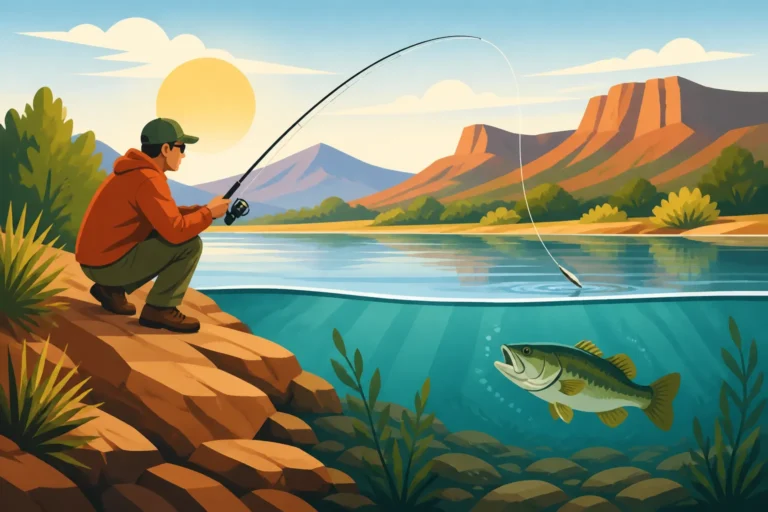
For Bass: Largemouth bass are ambush predators, so focus your casts around any visible cover: submerged logs, dense weed beds, overhanging branches, or even the shadows of the bank. A Texas-rigged worm or a small jig pitched right into these spots and allowed to sink slowly can be irresistible. Work it slowly, with pauses, mimicking an injured baitfish or insect. If you see a bass cruise by, a quick, accurate cast a few feet ahead of its path can often draw a strike.
-
For Trout: If the pond is stocked with trout, they'll often cruise open water or suspend at certain depths, especially in cooler conditions. A light bobber setup with PowerBait or a worm, allowing your bait to drift naturally, is a classic. For active trout, casting and retrieving a small inline spinner with a steady, moderate retrieve can be incredibly effective. Pay attention to the depth at which you get bites; trout might be shallower in the morning or deeper as the sun gets higher. Remember to check local New Mexico Trout Fishing Rules as some ponds might have specific regulations.
-
For Panfish (Bluegill, Sunfish): These guys are often found schooling up, especially around vegetation or shallow structure. A tiny worm or cricket under a small bobber is the ultimate panfish slayer. Look for dimples on the surface or subtle movements in the water – those are often panfish feeding. Use ultralight gear and light line for maximum fun. A simple mealworm on a tiny hook, fished patiently, can lead to non-stop action, which is perfect for anglers of all ages.
-
For Catfish: Catfish are bottom feeders and often hang out in the deepest parts of the pond or near any influx of water. A slip-sinker rig with stink bait, cut bait, or a big nightcrawler fished directly on the bottom is usually best. Cast it out, let it sink, and be patient. Night fishing can be particularly productive for catfish, as they become more active after dark.
Reading the Water: Where to Find Fish
You don't need a fancy fish finder on a small pond, just your eyes and a little common sense. Learning to "read the water" is a skill that will serve you well in any fishing scenario, and it's particularly rewarding in smaller, more intimate settings. Even if you're an experienced angler who typically fishes larger bodies of water like Elephant Butte Lake or the San Juan River, the principles of observation are still paramount here.
Look for visible structure: This is your first clue. Overhanging trees, submerged logs, rock piles, cattails, lily pads, or even a noticeable change in the bank's contour can all hold fish. Fish use these features for cover, ambush points, or protection from the sun. Cast your lure or bait to these spots, not just near them.
Observe surface activity: Are there ripples or splashes? This could be a fish rising to eat an insect (trout or panfish) or a bass chasing baitfish. Watch for jumping fish, baitfish scattering, or even turtles and frogs, which can indicate a healthy ecosystem. Small bubbles rising from the bottom might mean catfish are rooting around in the mud.
Pay attention to depth changes: Even subtle changes in depth can concentrate fish. If you see a point extending into the water, or a section of the bank that drops off more steeply, that's a prime target. Inlets or outlets, even small ones, can also be fish magnets, especially after a rain. Sometimes, the deepest part of the pond is right in the middle, or it might be closer to the dam. You might have to make a few exploratory casts with a jig or weighted bait to find these unseen depressions.
Consider light and shadow: Fish, especially bass and trout, often seek refuge in shaded areas during bright, sunny days. This could be under an overhanging tree, the shadow of a dock, or even the shade cast by the bank itself. Conversely, on overcast days, fish might be more willing to cruise in open, shallower areas. Learning How to Read Water on the San Juan River involves similar observational skills, just on a grander scale.
Practical Tips for Maximizing Your Farm Pond Experience
Beyond the gear and techniques, there are a few other considerations that can really elevate your farm pond fishing adventure. These tips focus on responsible angling and making the most of these unique opportunities.
Catch and Release Considerations
Many farm ponds, especially those privately managed, rely on catch and release practices to maintain a healthy fish population. Even if you plan to keep some fish, practicing proper catch and release for others is crucial for ensuring good fishing for years to come. This is especially true if you are fishing in ponds that might be part of a community program or a friend's private property.
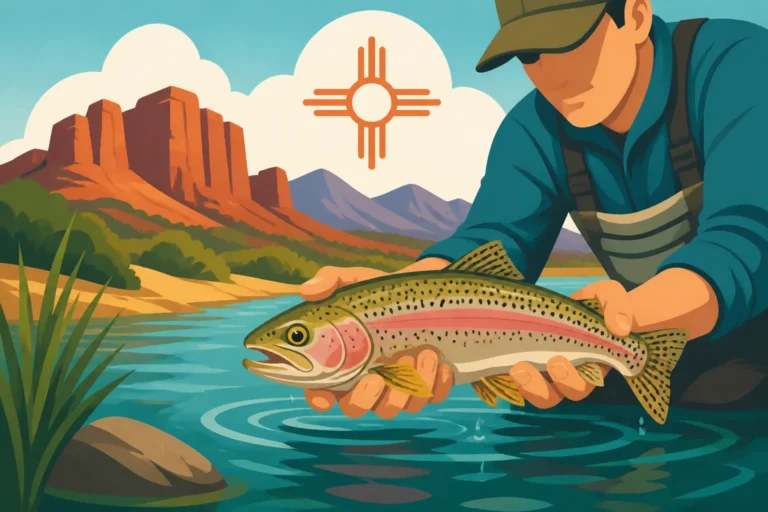
When handling fish you intend to release, minimize their time out of water. Use a net to land them quickly, and handle them with wet hands to protect their slime coat, which is their primary defense against disease. If using lures, consider crimping down the barbs on your hooks or using barbless hooks – this makes removal much easier and less damaging to the fish. A good pair of long-nosed pliers or a hook remover (easily found on Amazon) is invaluable. Understand the local New Mexico Catch and Release Regulations if you are unsure about specific rules, though private ponds might have their own guidelines. If the fish is deeply hooked, it's often best to cut the line as close to the hook as possible rather than tearing the fish's insides trying to remove it.
Respecting Private Property and Pond Etiquette
It cannot be stressed enough: most farm ponds are on private land. Always, always, always obtain explicit permission from the landowner before fishing. Showing up unannounced, even if the pond looks inviting, is trespassing and can quickly lead to losing your fishing privileges, or worse. A simple knock on the door and a polite request can go a long way. Many landowners are happy to share their ponds, especially if you offer to share your catch or help with pond maintenance.
Once you have permission, practice good etiquette:
- Leave no trace: Pack out everything you pack in, including fishing line, bait containers, and any other trash. Leaving litter is a surefire way to get uninvited.
- Be mindful of livestock and property: Close gates, avoid disturbing animals, and stay away from farm equipment. These are working properties, not just fishing holes.
- Share the bounty (if allowed): If you catch a lot, offer some fish to the landowner. It's a great gesture of appreciation.
- Adhere to any specific rules: The landowner might have specific rules about bait, lures, catch limits, or even times of day you can fish. Respect them.
- Consider a New Mexico Fishing License Guide: Even on private ponds, a state fishing license is typically required unless the pond is entirely self-contained and has no natural inflow or outflow to public waters. It's always best to check with the New Mexico Department of Game and Fish. Don't forget, if you're bringing the little ones, you'll need to know Do Kids Need a Fishing License in New Mexico?
Fishing small farm ponds in New Mexico offers a unique, tranquil, and often very productive angling experience. By understanding their characteristics, using appropriate gear, and employing stealthy, targeted techniques, you can enjoy some truly memorable days on the water.
Disclaimer
This article is for general informational purposes only and does not constitute professional advice. Laws, prices and regulations vary by location and change over time. Consult a qualified professional for guidance on your specific situation.