Crappie Fishing in New Mexico
There’s nothing quite like the thrill of feeling that gentle tap, tap, tap on your line, setting the hook, and reeling in a feisty crappie. Yet, for many anglers in the Land of Enchantment, figuring out where these delicious panfish hide and how to consistently catch them can feel like a mystery. If you've ever spent a day on the water wondering why everyone else seems to be pulling them in while your bucket remains empty, you're not alone. This guide is here to demystify crappie fishing in New Mexico, offering you the insights, locations, and techniques you need to fill your cooler and enjoy some fantastic angling.
Unveiling New Mexico's Crappie Population
Crappie are a beloved panfish across the country, and New Mexico is no exception. These tasty, eager-to-bite fish provide excellent recreation for anglers of all skill levels, from seasoned veterans to those just starting out with a cane pole. Understanding a little bit about what makes crappie tick and what they look like can significantly improve your chances of finding and catching them.
The Distinctive Black and White Crappie
When we talk about crappie in New Mexico, we're primarily referring to two distinct species: the Black Crappie and the White Crappie. While they share a family resemblance and similar behaviors, there are subtle differences in their appearance and preferred habitats that can help you target them more effectively.
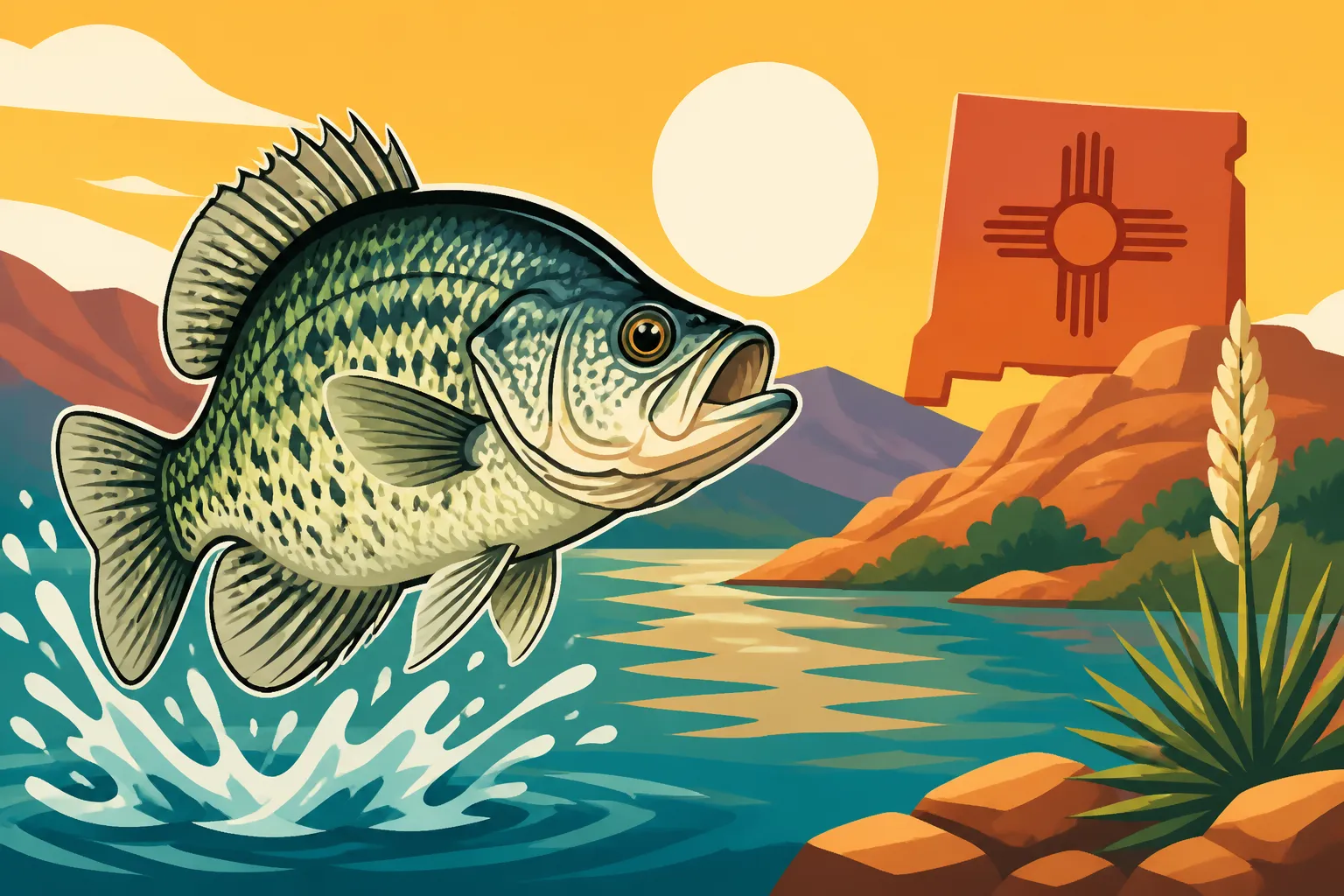
Black Crappie ( Pomoxis nigromaculatus ) tend to have a deeper body profile, giving them a somewhat rounder appearance. Their coloring is typically darker, often marked with irregular, scattered black spots, which gives them their name. A key identifier is the number of dorsal fin spines; Black Crappie usually have 7 or 8. These fish generally prefer clearer, cooler water with abundant submerged vegetation or brush piles. They are often found in areas with a lot of natural cover, where they can ambush smaller prey. If you're fishing a lake with lots of standing timber or thick weed lines, you're likely in prime Black Crappie territory.
White Crappie ( Pomoxis annularis ), on the other hand, typically have a more elongated, slender body shape. Their coloration is usually lighter, with more defined, vertical bars or stripes along their sides rather than scattered spots. You can usually identify a White Crappie by counting 5 or 6 dorsal fin spines. These crappie are often more tolerant of murkier, warmer waters and are frequently found in larger, more open reservoirs, especially near submerged creek channels, rock piles, or bridge pilings. They might be a bit more nomadic, moving in schools across open water following baitfish. Knowing these differences, as discussed in Difference Between Black and White Crappie, can help you fine-tune your approach based on the type of water you're fishing.
Why Crappie Hold a Special Place in Anglers' Hearts
Crappie are incredibly popular, and for good reason. They're often considered one of the best-eating freshwater fish, offering tender, flaky white meat that’s perfect for frying or grilling. This alone makes them a prime target for many who fish with the intention of bringing home a meal. Imagine a quiet evening after a successful day on the lake, the smell of fresh crappie sizzling in the pan – that's a memory many anglers cherish.
Beyond their culinary appeal, crappie are also a joy to catch. They tend to school, meaning when you find one, you've often found a whole group. This can lead to fast-paced action, where you're pulling in fish after fish, which is incredibly exciting, especially for kids or new anglers. Their fight, while not as powerful as a bass or a trout, is spirited and fun on light tackle. They can be a bit finicky at times, requiring precise presentations, but when they're on, they can be caught with surprising regularity. This combination of deliciousness, accessibility, and enjoyable angling makes crappie a perennial favorite across New Mexico's diverse fishing landscapes. They are truly one of the best species to target if you're looking for Best Lakes for Family Fishing Trips in New Mexico.
Navigating New Mexico's Top Crappie Waters
New Mexico might be known for its high desert and mountains, but it also boasts an impressive array of lakes and reservoirs that are home to thriving crappie populations. Finding the right spot is often half the battle when it comes to consistently catching crappie.
Premier Lakes for Crappie Action
Several of New Mexico's larger impoundments offer excellent crappie fishing, with some standing out as perennial hotspots. These lakes provide the habitat and forage necessary for crappie to thrive, offering anglers opportunities for both quantity and quality fish.
One of the most renowned crappie fisheries is Conchas Lake. Located in eastern New Mexico, this sprawling reservoir is known for its extensive submerged structure, including old timber, rock formations, and brush piles, all of which are crappie magnets. Anglers often find success targeting crappie in the quieter coves and along the main lake points where structure congregates. The crappie here can grow to impressive sizes, making it a favorite for those seeking a trophy slab. Our detailed Conchas Lake Fishing Guide provides even more specifics on this fantastic destination.
Ute Lake, also in eastern New Mexico, is another consistent producer of crappie. While perhaps less talked about for crappie than Conchas, Ute Lake offers excellent opportunities, especially in its numerous coves and along ledges that drop into deeper water. Crappie here are often found relating to submerged cedar trees and brush. It’s a great lake for both boat anglers who can cover ground and target structure, and bank anglers who can find success in accessible coves. Learn more about its potential in our Ute Lake Fishing guide.
While famous for its giant striped bass and catfish, Elephant Butte Lake in southern New Mexico also holds a healthy crappie population. Targeting crappie at Elephant Butte often means looking for brush piles, submerged islands, and deep timber, especially in the larger coves and near the dam area. The sheer size of Elephant Butte means crappie can be spread out, but when you locate a school, the action can be furious. It's often a lake where crappie anglers might have to put in a bit more searching, but the rewards can be significant. Dive deeper into this lake's offerings with our Elephant Butte Lake Fishing Guide.
Other notable mentions include Sumner Lake, which can be fantastic for crappie during certain seasons, and several smaller urban ponds that get stocked, providing easier access for families. For those specifically targeting the darker-hued species, you'll want to explore Best Lakes for Black Crappie in New Mexico to find spots where they prefer to hang out.
Unlocking Crappie Hotspots: Structure and Depth
Crappie are masters of relating to structure. They aren't typically open-water roamers in the same way some other species are, preferring to stick close to cover for ambush points and protection. Learning to identify and target these structural elements is crucial for consistent success.
Think about what crappie need: food, cover, and comfortable water temperatures. Structure provides all three. This could be anything from natural features like submerged trees, brush piles, rock formations, ledges, and creek channels, to man-made structures like bridge pilings, docks, and even old submerged foundations. In the spring, when crappie move shallow to spawn, they'll often be found around any accessible brush or reeds in 2-10 feet of water. As the water warms in summer, they'll retreat to deeper, cooler water, often suspending over deep channels or holding tight to structure at depths of 15-30 feet or more.
Using electronics like a fish finder can be a game-changer for locating these submerged structures and the crappie holding to them. Look for distinct changes in bottom contour, dark blobs on your screen that indicate brush piles, or even schools of baitfish, as crappie are usually not far behind. A good sonar unit can literally show you where the fish are hiding. Without electronics, focus on visible cues: old stumps along the shoreline, points that extend into the lake, or the shadows cast by docks. Understanding How to Find Crappie in New Mexico Reservoirs often comes down to deciphering these underwater clues and knowing how crappie use them throughout the day and year.
Gearing Up for Crappie Success
Having the right tackle isn't about spending a fortune; it's about matching your gear to the size of the fish and the techniques you'll be using. Crappie are not massive fish, so light, sensitive gear is key to detecting their subtle bites and enjoying the fight.
Selecting the Right Rod, Reel, and Line
For crappie fishing, the emphasis is on sensitivity and finesse. You want to feel those light taps and twitches that indicate a crappie has mouthed your bait.
Rods: A light to ultralight action spinning rod, typically 5 to 7 feet in length, is ideal. Longer rods (7-9 feet) can be beneficial for spider rigging or reaching out from the bank. The ultralight action allows for maximum feel and makes even a small crappie feel like a trophy. A fast-action tip will help you detect bites quickly, while the backbone of the rod will give you enough power to set the hook. While our Best Rods and Reels for New Mexico Trout Fishing guide focuses on trout, many of the principles for light tackle and sensitive rods apply directly to crappie fishing. Look for rods specifically designed for panfish or crappie fishing; they often have extremely sensitive tips.
Reels: Pair your ultralight rod with a small spinning reel (size 500 to 1000). A smooth drag system is essential, especially when a larger crappie takes your bait. You don't need a heavy-duty reel for these fish, but reliability and smooth operation will enhance your experience.
Line: Light line is crucial for crappie. Monofilament fishing line in 4 to 6-pound test is a popular choice due to its stretch (which can be forgiving) and knot strength. However, some anglers prefer braided line in the same breaking strength for its superior sensitivity and no-stretch properties, allowing them to feel even the lightest bite. If using braid, consider adding a fluorocarbon leader of about 2-4 feet for invisibility, as crappie can be line-shy, especially in clear water.
The Best Baits and Lures for Crappie
Crappie aren't overly picky, but certain baits and lures consistently outperform others. Having a good selection in your tackle box will prepare you for various conditions.
Live Bait: The undisputed king of crappie bait is the minnow. Small live minnows, hooked lightly through the lip or just behind the dorsal fin, are incredibly effective. Their natural movement is often irresistible to crappie. You can fish them under a bobber, tight-line them, or even slow troll them. Worms, particularly small pieces of nightcrawlers, can also work, especially when crappie are very active.
Jigs: Small artificial jigs are incredibly versatile and effective. Soft plastic jigs, ranging from 1/32 to 1/8 ounce, are favorites. Think tiny grubs, tube baits, curly tails, and small paddle tail swimbaits. Colors can vary with water clarity and light conditions, but chartreuse, white, pink, black, and various glitter combinations are perennial producers. Having a variety of sizes and colors from a vendor like Amazon will allow you to experiment until you find what the crappie are hitting on that particular day. Marabou jigs are also excellent, offering a natural pulsing action in the water.
Crankbaits and Spinners: While jigs and minnows dominate, small crankbaits that dive to crappie depths can be effective, especially when trolling or casting for active, suspended fish. Small inline spinners or spinnerbaits with a small blade can also entice a bite, especially in slightly stained water or when the crappie are aggressive. These are less common but can be a secret weapon when other methods fail. For terminal tackle, always carry a selection of small, sharp hooks (Aberdeen hooks are popular as they bend out easily if snagged, saving your line), small split shot weights, and slip bobbers for precise depth control.
Mastering Crappie Fishing Techniques
Once you've got your gear, it's time to put it to use. Crappie fishing offers a variety of techniques, from active jigging to passive bobber fishing, each effective in different situations.
Strategic Approaches: Vertical Jigging and Trolling
These two techniques are often favored by boat anglers who can effectively cover water and target specific submerged structures.
Vertical Jigging: This is perhaps the most precise way to fish for crappie. It involves positioning your boat directly over a known crappie hotspot – a brush pile, a submerged tree, or a school of fish located with your fish finder – and dropping a jig or a live minnow straight down into the strike zone. The key is to present your bait at the exact depth where the crappie are holding. Once your bait is down, use subtle movements: a gentle lift and fall, a slow wiggle, or simply holding it still. Crappie often hit on the pause or on the fall, so pay close attention to your line. This technique requires good boat control, either with a trolling motor or by anchoring precisely. It's incredibly effective when crappie are schooled tightly around structure.
Trolling (or "Spider Rigging"): Trolling for crappie involves moving slowly, often with multiple rods extended from the boat (like spider legs, hence the name "spider rigging"), each rigged with a different bait or jig at varying depths. This allows you to cover a wider area and determine the crappie's preferred depth and bait. You might use small jigs, minnows, or a combination of both. Speed is critical; crappie typically prefer a very slow presentation, often just enough to give your lure a natural action. This method is particularly effective for suspended crappie in open water or along deep channel edges, as it helps you locate scattered schools.
Simple Yet Effective: Bobber Fishing and Casting
These techniques are excellent for both boat and bank anglers, and are particularly well-suited for beginners or when fishing with children.
Bobber Fishing: This classic method is incredibly straightforward and often highly productive for crappie. A simple slip bobber setup allows you to present a live minnow or a small jig at a precise depth. The bobber suspends your bait, and when a crappie bites, the bobber dips, signaling a strike. This is fantastic for targeting crappie that are holding at a consistent depth around docks, brush piles, or along weed lines. It’s a very visual and relaxing way to fish, and because crappie often hold at predictable depths, it allows for easy adjustments until you find the fish.
Casting: Casting jigs or small spinnerbaits to visible structure, such as submerged timber, rock outcroppings, or shoreline vegetation, can also be very effective. Work your lure slowly, allowing it to sink to the desired depth, and retrieve it with a slow, steady retrieve or a series of gentle twitches. This technique is often used to probe new areas or to target crappie actively feeding near the surface or along shallow breaks. Pay attention to areas with shade or current breaks, as crappie often use these as ambush points. The key with casting, much like jigging, is a subtle presentation; crappie don't usually chase down fast-moving baits.
Seasonal Strategies and Regulations for Crappie
Crappie behavior changes throughout the year, largely influenced by water temperature and their spawning cycle. Understanding these seasonal patterns will allow you to predict where they'll be and what they'll be biting on.
Crappie Through the Seasons: A Behavioral Guide
Knowing what crappie are doing at different times of the year is arguably the most important factor in consistent success. Our New Mexico Fishing Season Calendar gives a broader overview, but here's how crappie typically behave:
Spring (Pre-Spawn and Spawn): This is often considered the prime time for crappie fishing. As water temperatures begin to rise, typically into the high 50s and low 60s Fahrenheit, crappie move from their deeper wintering grounds into shallower water to feed heavily in preparation for spawning. They'll often be found in protected coves, creek arms, and shallow flats with submerged brush, reeds, or timber. The actual spawn occurs when temperatures reach the mid-60s, and male crappie will guard nests in very shallow water. During this time, they are aggressive and relatively easy to catch on jigs and minnows, often in just 2-10 feet of water.
Summer: As the scorching New Mexico summer temperatures set in and surface waters warm significantly, crappie retreat to deeper, cooler water. They often suspend over deep channels, congregate around deep brush piles, or hold tight to submerged structures at depths of 15-30 feet or more. Night fishing can be incredibly productive during the summer, as crappie move shallower under the cover of darkness to feed. Trolling deep-diving jigs or live minnows, or vertical jigging over deep structure, are the go-to techniques.
Fall: As water temperatures begin to cool in the autumn, crappie become very active again. They move out of their deep summer haunts and often return to shallower to mid-depth areas, feeding aggressively to build up fat reserves for the winter. Look for them around points, creek channels, and submerged timber at depths of 8-20 feet. This can be another fantastic time for fast action, as they often school up and are eager to strike a variety of baits.
Winter: In winter, crappie move to their deepest haunts, often suspending in deep water or holding tight to bottom structure near channels or ledges. Their metabolism slows down, and they become less active, requiring a much slower, more subtle presentation. Vertical jigging with tiny jigs or dead-sticking (holding a bait still) with a minnow is usually the most effective approach. In some of New Mexico's northern lakes, when ice forms, crappie can be targeted through the ice using small jigs or minnows fished slowly near the bottom.
Understanding New Mexico's Crappie Rules and Limits
Like all game fish in New Mexico, crappie are subject to specific regulations designed to manage their populations and ensure sustainable fishing for future generations. It's every angler's responsibility to know and abide by these rules. You can find comprehensive details in the New Mexico Fishing Regulations Overview.
Key regulations to be aware of typically include:
- Bag Limit: This specifies the maximum number of crappie you can keep in a single day.
- Possession Limit: This is the maximum number of crappie you can have in your possession at any given time, which often includes fish at your home or in your vehicle.
- Size Limits: While not always in place for crappie, some waters may have a minimum length requirement, meaning any fish shorter than that must be immediately released.
These limits can vary by specific lake or river, so always consult the most current New Mexico Department of Game and Fish regulations handbook before heading out. This handbook will also specify the general New Mexico Warm Water Fish Bag Limits, which crappie fall under. Adhering to these rules not only keeps you compliant with the law but also plays a vital role in conservation efforts, ensuring that crappie populations remain healthy and plentiful for everyone to enjoy for years to come.
Here’s a quick overview of seasonal crappie behavior and common techniques:
| Season | Water Temperature (Approx.) | Typical Depth | Key Behaviors | Recommended Techniques |
|---|---|---|---|---|
| Spring | 50s – 60s F | 2-10 feet | Moves shallow for pre-spawn feeding & spawning | Bobber fishing, casting jigs |
| Summer | 70s F and above | 15-30+ feet | Retreats to deep, cool water; often suspends | Vertical jigging, trolling |
| Fall | 60s – 50s F | 8-20 feet | Active feeding, moves to mid-depths | Casting jigs, trolling |
| Winter | Below 50s F | 25-40+ feet | Slow metabolism, holds deep near structure | Slow vertical jigging |
Remember, these are general guidelines. The best crappie anglers are always observing, adapting, and experimenting to crack the code on any given day. With the right knowledge, gear, and a bit of patience, you'll be well on your way to becoming a crappie master in New Mexico.
Disclaimer
This article is for general informational purposes only and does not constitute professional advice. Laws, prices and regulations vary by location and change over time. Consult a qualified professional for guidance on your specific situation.