White Bass Fishing in New Mexico
Many anglers coming to New Mexico often focus on our legendary trout waters or the impressive trophy potential of largemouth and striped bass. But if you haven't discovered the thrill of white bass fishing, you're missing out on some incredibly fun, fast-paced action that can make for a memorable day on the water and a delicious meal. This guide aims to pull back the curtain on this often-overlooked species, offering a comprehensive look at where to find them, what they bite, and how to reel them in.
Unraveling the Enigma of White Bass in New Mexico
White bass are energetic, schooling fish that can offer incredible sport, especially when they're actively feeding. They might not get the same press as a monster largemouth, but their willingness to strike and their sheer numbers make them a fantastic target for anglers of all skill levels. Understanding their behavior and preferred habitats is the first step to a successful white bass outing.
Identifying New Mexico's White Bass
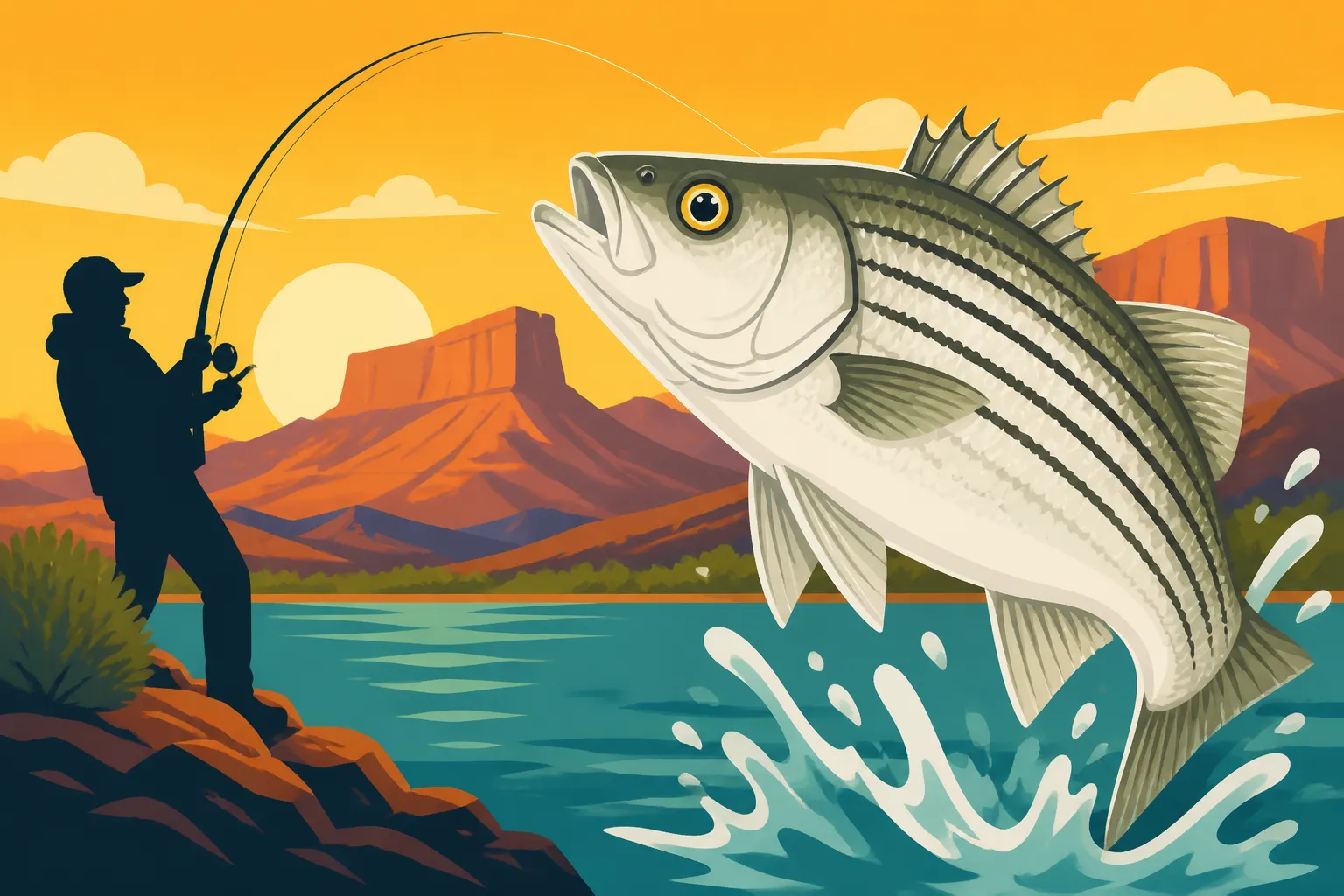
Often mistaken for other species, white bass have distinct features that help differentiate them. They're a silvery fish with several dark, horizontal stripes running down their sides. Unlike striped bass, which tend to have broken or irregular stripes below their lateral line, the stripes on a white bass are usually solid and uninterrupted. They also possess a deeper body profile compared to their striped cousins. Knowing what you're looking for helps you correctly identify your catch and adhere to specific regulations. When you find a school, it's often a frenzied feeding event, with multiple fish hitting your lure on successive casts. This energetic behavior is precisely why they're so much fun to target!
Preferred Habitats and Behavior
White bass are primarily found in large reservoirs and deeper rivers throughout New Mexico. They thrive in open water environments, particularly where there are expansive flats, submerged humps, and points where they can ambush baitfish. These fish are highly nomadic, constantly moving in schools to locate and corner their prey. This means that while they might be in one spot today, they could be miles away tomorrow, following baitfish like shad. They are particularly active during low-light conditions, such as dawn and dusk, and during cloudy weather. Keep an eye on your fish finder for large schools of baitfish and arches below them – that's often where the white bass will be lurking, ready to strike. Understanding these nuances will significantly improve your chances of locating and catching them.
Prime White Bass Fishing Locales in New Mexico
New Mexico's diverse waterways offer several excellent spots for white bass, each with its own character and peak seasons. Knowing these hotspots can help you plan your next angling adventure, ensuring you're targeting the right places at the right time.
Elephant Butte Lake
Without a doubt, Elephant Butte Lake is a premier destination for white bass fishing in New Mexico. Its vast expanses of open water, numerous coves, and varying depths create an ideal environment for large schools of white bass to thrive. Anglers often find success here by focusing on prominent points, submerged islands, and main lake humps, especially during the spring and fall. The white bass at Elephant Butte are often chasing shad, so keeping an eye out for surface activity – birds diving, fish busting the surface – can lead you directly to a school. When the bite is on, it's not uncommon to catch dozens of fish in short order, making it an incredibly exhilarating experience. Consider checking out our Elephant Butte Lake Fishing Guide for more detailed information on this fantastic fishery.
Conchas Lake
Another jewel for white bass enthusiasts is Conchas Lake. Located in eastern New Mexico, Conchas offers excellent opportunities, particularly in its river arms and main lake basin. The lake's structure, with its rocky banks, brushy coves, and ample baitfish populations, creates a perfect habitat for white bass. Springtime is especially productive here when white bass move into shallower areas to spawn, often congregating in river channels or near inflows. During the summer, they tend to move to deeper, cooler waters, often found schooling over submerged structure. If you're looking for consistent action and a chance to fill your cooler, Conchas Lake should be high on your list. Our Conchas Lake Fishing Guide provides a deeper dive into this unique spot.
Ute Lake
Ute Lake, near Logan, New Mexico, is another fantastic option for white bass. This long, narrow reservoir on the Canadian River is known for its abundant walleye and smallmouth bass, but its white bass population is equally impressive and often overlooked. Like other large reservoirs, white bass here will follow schools of baitfish, often holding around rocky points, drop-offs, and creek channels. Early mornings and late evenings during the warmer months can see explosive surface activity as white bass push shad to the top. The narrow nature of Ute Lake can sometimes make it easier to pinpoint schooling fish, as they are somewhat confined compared to the wider expanses of Elephant Butte. For a comprehensive overview of New Mexico's diverse angling opportunities, our Best Places to Fish in New Mexico guide is an excellent resource.
| Lake | Primary White Bass Season | Key Features for White Bass | Best Fishing Methods |
|---|---|---|---|
| Elephant Butte Lake | Spring, Summer, Fall | Open water, large flats, humps, main lake points | Trolling, casting jigs/spinners, vertical jigging |
| Conchas Lake | Spring, Summer | River arms, rocky points, brushy coves, inflows | Casting small crankbaits/spinners, jigging |
| Ute Lake | Spring, Summer, Fall | Rocky points, drop-offs, creek channels, narrow main lake | Casting jigs, spoons, small crankbaits, trolling |
Mastering the Techniques for Catching White Bass
Catching white bass is often about finding the school, and once you do, it can be non-stop action. Their aggressive nature means they'll hit a variety of lures, but some techniques are consistently more effective than others.
Lures and Baits That Entice White Bass
White bass are opportunistic feeders, and they love small, flashy lures that imitate the baitfish they prey upon. Think shiny, quick-moving presentations. Popular choices include small inline spinners like a Rooster Tail or Mepps, which create both flash and vibration in the water. Small spoons, such as Kastmasters or Slabs, are also incredibly effective, especially when jigged vertically or cast long distances to busting schools. Lipless crankbaits, particularly those in shad or chrome colors, can also draw violent strikes. For those looking to stock up, sites like Amazon offer a huge selection of these types of lures, often in multi-packs, making it easy to experiment with different sizes and colors without breaking the bank. Don't forget soft plastics like small grub tails rigged on a lightweight jig head; these can be deadly when retrieved steadily through a school. If you're exploring Best Lures for New Mexico Bass, many of those suggestions will cross over to white bass.
Effective Fishing Methods
The key to consistent white bass success lies in matching your presentation to their feeding behavior.
- Casting to Breaking Fish: This is perhaps the most exciting way to catch white bass. When you see gulls diving or white bass actively busting the surface, creating a "boil" of feeding fish, cast your lure directly into the commotion. They are in a feeding frenzy, and almost anything that moves will get hit. Retrieve quickly to keep the lure in the strike zone.
- Trolling: When fish aren't showing on the surface, trolling can be a highly effective way to locate scattered schools. Small crankbaits, spoons, or even weighted spinner rigs can be trolled at moderate speeds, covering a lot of water until you find where the fish are holding. Once you get a strike, mark the spot and consider casting in the area or circling back.
- Vertical Jigging: This method is excellent when white bass are suspended deeper or holding tight to underwater structure. Use spoons, blade baits, or heavy jigs and drop them directly over the marked fish on your fish finder. Jig with sharp lifts and drops, allowing the lure to flutter on the fall. This technique can be especially productive during the hotter summer months when fish retreat to deeper, cooler water.
Seasonal Strategies for White Bass Fishing
Knowing when and where to find white bass throughout the year is crucial for consistent success. Their movements are largely dictated by water temperature and spawning cycles, offering distinct opportunities in each season. Our overall New Mexico Fishing Season Calendar can give you a general idea, but let's dive into specifics for white bass.
Springtime Spawning Runs
Spring is arguably the best time to target white bass, especially for shore anglers. As water temperatures rise into the 50s and 60s (Fahrenheit), white bass begin their annual spawning migration. They push upstream into the inflowing rivers and creek channels of major reservoirs. During these runs, fish congregate in large numbers, making them relatively easy to locate and catch. Look for them in areas with moving water, current breaks, and gravel bottoms. Small jigs, grubs, and inline spinners cast upstream and retrieved through the current are deadly. This is a time when the action can be absolutely furious, offering high catch rates and plenty of excitement.
Summer Deeper Water Tactics
Once the spawn is over and water temperatures really climb in the summer, white bass disperse and often move to deeper, cooler sections of the main lake. They'll typically suspend over submerged humps, deep points, and along old river channels, usually following schools of shad. This is when your boat's electronics become invaluable. Look for dense baitfish schools and the characteristic arches of white bass beneath them. Trolling crankbaits at specific depths or vertical jigging spoons and blade baits directly over the fish are prime tactics. Early mornings and late evenings can still bring fish to the surface for brief feeding frenzies, so always keep an eye out for surface commotion, especially during a calmer Summer Fishing in New Mexico day.
Fall and Winter Concentrations
As fall approaches and water temperatures begin to drop, white bass once again become highly active, feeding aggressively to build up fat reserves for winter. They will often school up tightly and chase shad in open water, creating dramatic surface boils similar to spring but often more widespread. This is a fantastic time for casting spoons, jigs, and lipless crankbaits into active schools. As winter sets in, white bass will typically move to deeper, more stable water, often congregating in large schools in the deepest parts of the main lake or protected channels. While the bite might slow down, these schools can be enormous, and if you find them, you can still experience some excellent fishing using vertical jigging techniques. Don't underestimate Winter Fishing in New Mexico for these feisty fish!
Essential Gear and Tackle for White Bass
You don't need highly specialized gear to catch white bass, but having the right setup can make a significant difference in your enjoyment and success. Their aggressive strikes and fighting power on light tackle are what make them so much fun.
Rods, Reels, and Line
For white bass, lighter tackle is generally preferred, as it maximizes the sporting experience and allows for better feel of those subtle taps.
- Rods: A 6 to 7-foot light to medium-light action spinning rod is ideal. This length provides good casting distance and enough backbone to handle a feisty white bass, while the lighter action ensures you feel every head shake. You can find excellent value options on Amazon that are perfect for this type of fishing.
- Reels: Pair your rod with a small spinning reel (size 1000-2500) that has a smooth drag system. White bass pull surprisingly hard, so a reliable drag is crucial to prevent line breaks.
- Line: Spool your reel with 6-10 lb monofilament or braided line. Monofilament offers a good balance of castability and stretch, while braid provides superior sensitivity and strength, which can be advantageous when fishing jigs in deeper water. If using braid, a fluorocarbon leader (6-8 lb) can reduce visibility and help with abrasion resistance. For general trout fishing, you might opt for even lighter line, but white bass can be tougher fighters. For more on rod and reel choices, check out Best Rods and Reels for New Mexico Trout Fishing which also has some crossover insights.
Tackle Box Essentials
Your white bass tackle box doesn't need to be overflowing, but a few key items will ensure you're ready for action.
- Jig Heads: A variety of jig head weights (1/8 oz to 1/2 oz) and sizes to match your soft plastics and adapt to different depths and currents.
- Soft Plastics: Small grub tails, swimbaits, and tube jigs in white, chartreuse, and clear with glitter patterns are perennial favorites.
- Inline Spinners: Keep a selection of small (size 0-2) inline spinners with silver, gold, and chartreuse blades. Brands like Mepps and Rooster Tail are classics.
- Spoons: Casting spoons (1/4 oz to 3/4 oz) like Kastmasters or Johnson Silver Minnows, and vertical jigging spoons like Slab Spoons, are essential.
- Lipless Crankbaits: Small, shallow-diving lipless crankbaits in chrome, silver, or shad patterns are excellent for covering water quickly.
- Terminal Tackle: Swivels, snap swivels, and a few small bobbers (if you plan to float bait).
- Tools: Pliers for hook removal (white bass have small, sharp teeth!), a line cutter, and perhaps a small measuring tape if you want to track your catches. A compact tackle box or fishing backpack can help keep everything organized, and you can find great options on Amazon.
Navigating Regulations and Responsible Angling
Responsible angling is vital for maintaining healthy fish populations and ensuring everyone can enjoy New Mexico's fantastic fisheries for years to come. White bass are prolific, but adhering to regulations helps manage their numbers sustainably.
Bag and Possession Limits
Like all game fish, white bass in New Mexico are subject to specific bag and possession limits. These limits are designed to allow anglers to keep a reasonable number of fish for consumption while protecting the overall population. It's crucial to consult the most current New Mexico Fishing Regulations booklet, which you can usually find online on the New Mexico Department of Game and Fish website or at license vendors. Limits can change, so always double-check before you head out. These regulations ensure that the incredible white bass action we enjoy today will continue for future generations. For a general overview, you can refer to New Mexico Statewide Bag Limit for Bass, but specific white bass limits should always be confirmed.
Conservation Best Practices
Even with a healthy population, practicing good conservation habits is important for white bass. If you're planning to keep fish, only take what you need and can realistically consume.
- Handle Fish Gently: If you intend to release fish, handle them as little as possible. Use a net to land them quickly and unhook them gently while they are still in the water if possible.
- Avoid Excessive Stress: During warmer months, fish released after a long fight in warm water can have a lower survival rate. Consider focusing on catch-and-release during these times or moving to cooler, deeper areas.
- Dispose of Waste Properly: Always pack out what you pack in. Leave no trash, fishing line, or bait containers behind.
- Know Your Regulations: Understanding rules about live bait, specific lure restrictions, and slot limits (if any) ensures you are fishing legally and ethically. Keeping up-to-date with the New Mexico Fishing Regulations Overview is always a good idea.
Being a thoughtful angler not only contributes to the health of the fishery but also enhances the experience for everyone who shares our beautiful New Mexico waterways.
Disclaimer
This article is for general informational purposes only and does not constitute professional advice. Laws, prices and regulations vary by location and change over time. Consult a qualified professional for guidance on your specific situation.