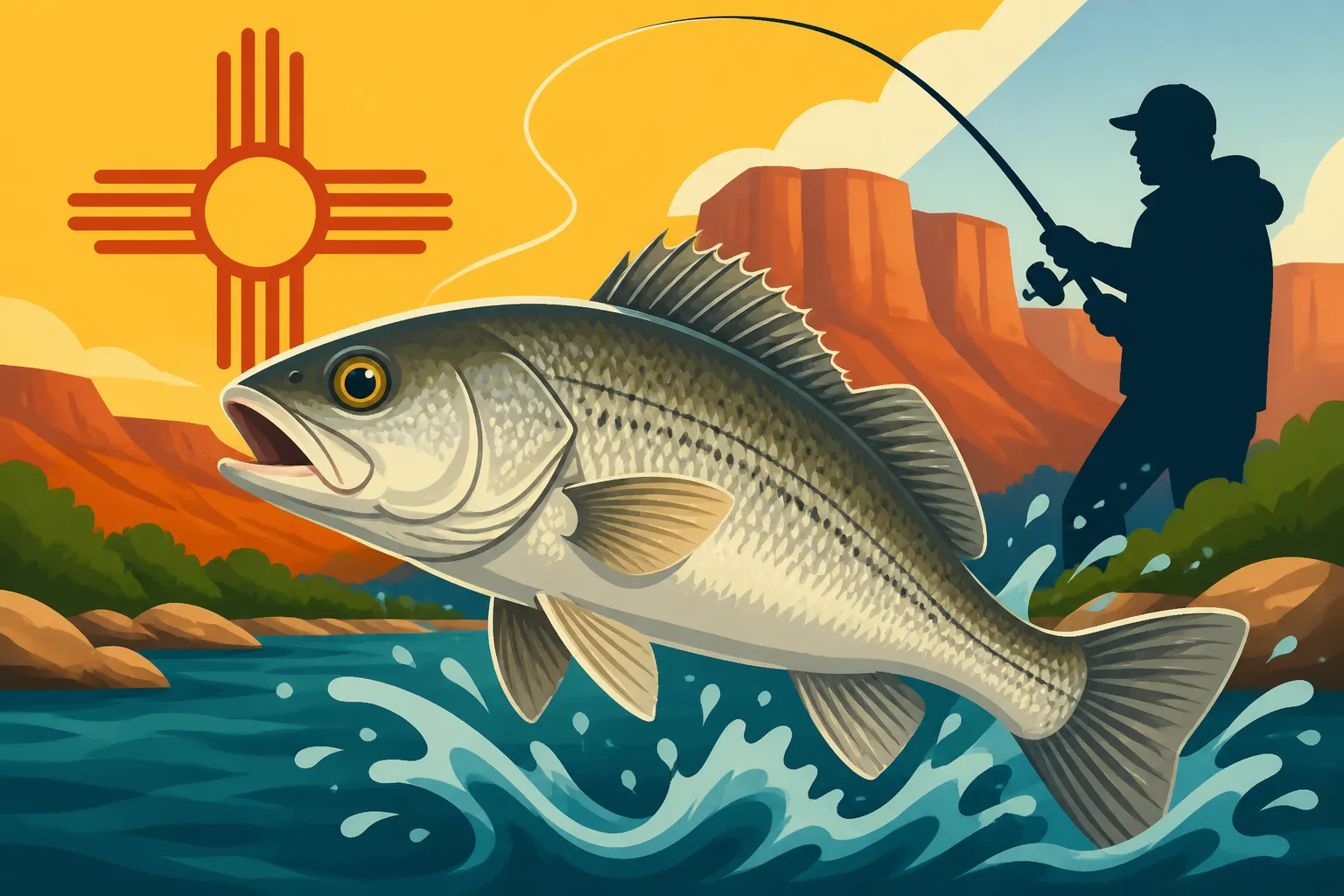
Freshwater Drum in New Mexico
Many anglers in New Mexico spend their days dreaming of a feisty trout or a hard-fighting bass, and sometimes, when something entirely different takes their bait, they're left scratching their heads. If you've ever reeled in a broad-shouldered, silvery fish with a distinctive hum, you've likely encountered the freshwater drum – a common, yet often overlooked, resident of our state's warmer waters. This guide aims to pull back the curtain on this mysterious fish, helping you understand where to find them, how to catch them, and even how to appreciate them for the tough fighters and decent table fare they can be.
Understanding the Freshwater Drum: An Introduction for New Mexico Anglers
The freshwater drum, often affectionately called "sheepshead" by some, is a fascinating and widespread fish that many New Mexico anglers encounter by surprise. Unlike the cold-water trout or predatory bass that often get all the attention, drum prefer the warmer, often murkier waters of our larger reservoirs and slower-moving rivers. They might not be the flashiest fish in the pond, but they offer a unique angling experience and play an important role in our aquatic ecosystems.
What is a Freshwater Drum? Distinctive Features and Habitat
When you catch a freshwater drum, you'll notice a few key features that set it apart. They typically have a deep, compressed body, a silvery-gray color, and a high-arched back. Their most striking feature, though, is their mouth, which is located on the underside of their head, perfectly adapted for rooting around on the bottom. This bottom-feeding habit is a huge clue to how you might target them, but more on that later! They also have rather large, crushing teeth in their throats, designed for grinding up mollusks and crustaceans. Many anglers are surprised by the sheer strength and weight of a good-sized drum, making for a memorable fight.
In terms of habitat, freshwater drum are quite adaptable. They thrive in large rivers and lakes, particularly those with soft, silty, or sandy bottoms where they can forage for their preferred food sources. They’re less common in fast-flowing, clear mountain streams that trout love, preferring the calmer, warmer waters where they can truly spread out. Because they're not a primary target for many anglers, they often go unnoticed, simply showing up as a "bonus" catch while someone is fishing for walleye or catfish. They are an integral part of the Fish Species Found in New Mexico.
A Native Resident: Origin and Distribution in New Mexico
It's a common misconception that every unusual fish is an invasive species, but the freshwater drum is actually a native North American fish, including within New Mexico's waters. They’ve been part of the aquatic landscape for a very long time, evolving alongside other native species. Their widespread distribution across the eastern and central United States, extending into parts of Mexico, speaks to their hardiness and ability to adapt to various water conditions.
In New Mexico, their presence is concentrated in the larger, warmer reservoirs that are part of river systems like the Rio Grande or Pecos. They’re perfectly at home here, forming part of the complex food web. Understanding that they are a native species can help us appreciate their place in our waters rather than viewing them as an accidental catch or a nuisance. Their ecological role, as we'll discuss later, is quite significant, helping to keep invertebrate populations in check.
Where to Find Freshwater Drum in New Mexico
Finding freshwater drum isn't usually about seeking out specific "drum holes" like you might for trout or bass. Instead, it's about fishing in the right type of water, particularly where other warm-water species thrive. Our larger reservoirs are prime locations, offering the expansive, diverse habitats that drum prefer. They’re not hiding in plain sight; rather, they’re just another part of the rich tapestry of fish life beneath the surface.
Prime Reservoirs: Elephant Butte, Conchas, and Ute Lake
When you think of fishing for Warm Water Game Fish in New Mexico, reservoirs like Elephant Butte Lake, Conchas Lake, and Ute Lake immediately come to mind. These large impoundments, known for their bass, walleye, and catfish, are also excellent places to encounter freshwater drum. They provide the vast, open water, deeper channels, and varied bottom structures that drum utilize.
At Elephant Butte Lake, for instance, drum can be found throughout the main lake body, particularly in areas with deeper channels and softer bottoms where they can dig for food. Anglers targeting striped bass or catfish often pull in surprisingly large drum here. Similarly, Conchas Lake offers extensive areas of suitable habitat, especially in the deeper, open water sections and along submerged points where food collects. Conchas Lake Fishing Guide provides more insights into the general fishing opportunities there. Ute Lake also boasts a healthy drum population, again in the larger, main lake basin areas. If you're out fishing for Ute Lake Striped Bass Fishing or other warm-water species, keep an eye out for these solid fighters.
River Systems: Slower Stretches and Backwaters
While reservoirs are hotspots, don't overlook the slower, deeper stretches of New Mexico's larger river systems, particularly parts of the Rio Grande and the Pecos River, especially where they feed into or flow out of reservoirs. These areas often have the calmer currents and silty or sandy bottoms that drum prefer.
Backwater areas, oxbows, and deeper holes in these rivers can hold good numbers of drum. They're less likely to be found in the swift, rocky currents preferred by some other species, but rather in places where the water slows and allows sediments to settle. Think about areas with submerged logs, undercut banks, or slow, deep pools where detritus and invertebrates accumulate – these are ideal feeding grounds for drum. Anglers exploring these less-traveled spots might find themselves tangling with some truly impressive drum, especially if they're using baits that mimic what drum naturally forage for.
| Location Type | Typical Drum Habitat | Common Fishing Companions |
|---|---|---|
| Large Reservoirs | Deep channels, silty/sandy flats, submerged points | Catfish, Walleye, Striped Bass, Bass, Crappie |
| Slow River Stretches | Deeper holes, backwaters, oxbows, areas with soft bottom | Catfish, Carp, Sunfish |
Targeting Freshwater Drum: Techniques and Tackle
While drum might be caught as a secondary species, if you actively want to target them, you’ll find they aren’t particularly picky. They're strong fighters, so you don't want to go too light on your gear, but specialized tackle isn't usually necessary. The key is understanding their feeding habits: they're bottom feeders, so presenting your bait right on the bottom is paramount.
Baits and Rigs: Appealing to a Bottom Feeder
Freshwater drum are primarily insectivores and molluscivores, meaning they love insects, crustaceans, and shellfish. This preference makes them relatively easy to tempt with natural baits. The absolute classics that work wonders include nightcrawlers, earthworms, and red wigglers. A good, juicy worm presented near the bottom is often irresistible. If you're after something a bit bigger, cut bait, like small strips of shad or sunfish, can also be very effective, especially for larger drum. Even shrimp, either fresh or frozen, can be a potent attractant.
For rigging, simplicity is best. A standard bottom rig, often called a "Carolina rig" or a simple "fish finder rig," works perfectly. This involves a sinker (like an egg sinker or a pyramid sinker) that slides freely above a swivel, to which you tie a leader (perhaps 12-24 inches) and then a hook. This setup allows the fish to pick up the bait and move off without immediately feeling the weight of the sinker, leading to a more confident bite. You can find a wide assortment of these terminal tackle components on Amazon, making it easy to stock up for your next outing. Keep your hooks on the smaller side, perhaps a size 1 or 1/0, to accommodate their mouths.
Rods, Reels, and Lines: Equipment for a Strong Fight
While drum aren't known for blazing runs, they are incredibly strong for their size, especially when hooked in deeper water. They'll use their broad bodies to pull hard, often circling and thumping, making for a surprisingly good fight. You don't need heavy saltwater gear, but a medium to medium-heavy spinning or baitcasting rod will serve you well. A rod in the 6-foot 6-inch to 7-foot range with a moderate action provides enough backbone to handle a good-sized drum while still offering some sensitivity for those softer bites.
Pair that rod with a reliable spinning reel in the 3000-4000 series or a baitcasting reel spooled with 10-15 pound monofilament or fluorocarbon line. Braided line in a similar strength can also be excellent, offering superior sensitivity to detect subtle bites on the bottom. When you're fishing for other species like New Mexico Statewide Bag Limit for Walleye or catfish, your existing medium-duty gear is likely perfectly suitable for drum. Remember that a sturdy rod and reel combo that can handle the unexpected pull of a larger drum can often be found with a quick search on Amazon, ensuring you're ready for anything.
Locating Feeding Zones: Reading the Bottom
Successful drum fishing, much like successful catfish or walleye fishing, often comes down to reading the bottom. Since drum are bottom feeders, understanding where their food congregates is key. Look for areas where a soft, silty bottom transitions to a harder, rocky bottom, or along the edges of deeper channels. Submerged points, humps, and ledges can also be productive as they create current breaks where food settles.
If you have a fish finder, pay attention to depth contours and look for subtle changes in bottom composition. Often, large schools of drum will appear as dense blobs close to the bottom. Even without electronics, understanding that these fish graze the bottom means focusing your efforts where they can easily find and consume their preferred diet of invertebrates. Patience is often rewarded, as drum can be slower to pick up a bait than some more aggressive predators.
The Fight and the Plate: Experiencing Freshwater Drum
The freshwater drum often gets a bad rap, but those who take the time to appreciate them usually find they offer a surprisingly robust fight and, when handled correctly, can be quite good on the dinner table. It’s all about managing expectations and understanding how to make the most of this unique species.
The Thrill of the Fight: Strong Pulls and Thumping Runs
When you hook into a freshwater drum, especially a larger one, be prepared for a fight! They might not jump or make blistering runs like a rainbow trout, but they are incredibly strong. Their broad, deep bodies allow them to leverage the water, making powerful, thumping pulls that feel like you're reeling in a brick. Many anglers describe it as a "bulldog fight" – a steady, strong resistance that will test your tackle and your forearms.
They often stay deep, trying to wallow on the bottom, and can make repeated head shakes and short, powerful bursts. This tenacious fighting style is a big reason why many anglers, once they've experienced it, gain a newfound respect for the species. It's a great fish for teaching younger anglers about the strength of fish, or for just enjoying a solid tug on the end of your line. A good quality net, which you might also find readily available on Amazon, will definitely come in handy for landing these stubborn fighters.
Underrated Table Fare: Cleaning and Cooking Drum
Perhaps the biggest misconception about freshwater drum is that they aren't good to eat. While they do have a reputation for being "rough fish" in some circles, when properly cared for and cooked, drum can be quite delicious. The key is to keep them cool immediately after catching them and to clean them promptly. Their flesh is firm, white, and has a mild flavor, especially from fish caught in cooler, cleaner waters.
To clean a drum, fillet them as you would any other game fish. Many anglers recommend removing the darker red lateral line meat, as this can sometimes contribute to a stronger, more "fishy" flavor. Once filleted, you can prepare drum in a variety of ways: pan-fried, baked, grilled, or even smoked. They hold up well to various seasonings and can be a fantastic, lean protein source. Don't knock it until you've tried it – you might be surprised by how good a New Mexico drum can taste!
Conservation and Management: Drum in the New Mexico Ecosystem
The freshwater drum, like all species in our waters, plays a specific role in the delicate balance of the ecosystem. While not typically a primary target for conservation efforts in the same way as, say, Rio Grande Cutthroat Trout in New Mexico, understanding their ecological position helps appreciate their presence and ensures we continue to manage our fisheries responsibly.
Ecological Role: Bottom Feeders and Forage Base
Freshwater drum are true bottom dwellers, and their primary ecological role is that of a scavenger and molluscivore. They use their specialized mouths and powerful pharyngeal teeth to crush and consume a variety of bottom-dwelling invertebrates, including snails, clams, crayfish, and aquatic insects. This feeding habit makes them vital for controlling populations of these organisms, helping to keep the aquatic environment in balance.
They also contribute to the overall food web as a forage fish, particularly for larger predators. While adult drum are quite formidable, juvenile drum and smaller adults can become a food source for species like large catfish, striped bass, or even osprey and eagles. Their presence indicates a healthy, functioning warm-water ecosystem, even if they aren't the most glamorous species in our Best Places to Fish in New Mexico. They represent a substantial biomass that contributes to the overall productivity of our reservoirs and rivers.
Regulations and Status: What New Mexico Anglers Need to Know
Given their widespread nature and generally healthy populations, freshwater drum typically fall under the general New Mexico Fishing Regulations Overview rather than having specific, targeted rules. Unlike species with strict bag limits or size restrictions, drum often have very liberal or no specific limits in many waters, which allows anglers to harvest them for food without significant constraint. However, it is always crucial to consult the most current New Mexico Department of Game and Fish fishing proclamation before heading out, as regulations can change.
For most general fishing licenses, such as the New Mexico Resident Annual Fishing License Cost or New Mexico Nonresident Annual Fishing License Cost, you will be legally covered to fish for drum. They are not considered a threatened or endangered species within New Mexico. Their robust populations and adaptability mean that they are not currently a species of conservation concern in the same way as some of our native trout species. This makes them an excellent target for anglers looking for consistent action and the opportunity to take home some fresh fillets without impacting a sensitive population.
Summary of Freshwater Drum Characteristics and Fishing Tips
To help you quickly reference key information about freshwater drum in New Mexico, here's a brief table summarizing their characteristics and some effective fishing strategies. This should serve as a handy guide for your next trip to one of New Mexico's larger reservoirs or slower river stretches.
| Feature | Description | Fishing Tip |
|---|---|---|
| Appearance | Silvery-gray, deep body, arched back, subterminal mouth, crushing throat teeth | Identify them correctly to appreciate the catch! |
| Habitat | Large, warm reservoirs (Elephant Butte, Conchas, Ute), slow river stretches | Focus on silty/sandy bottoms, deeper channels, submerged structure |
| Preferred Food | Mussels, clams, crayfish, aquatic insects | Use natural baits: worms, cut bait, shrimp |
| Best Rigs | Simple bottom rigs (Carolina rig, fish finder rig) with a sliding sinker | Let the fish take the bait without feeling the weight |
| Tackle | Medium to medium-heavy spinning/baitcasting rod (6'6"-7'), 10-15 lb line | They fight hard, so don't go too light! |
| Fighting Style | Strong, thumping pulls; deep, stubborn fight | Be ready for a good workout and keep steady pressure |
| Edibility | Firm, white, mild flesh; best when kept cool and cleaned quickly | Remove red lateral line meat for best flavor; pan-fry or bake |
| Regulations | Generally liberal or no specific bag/size limits; check current proclamation | Good choice for harvest where permitted; not a conservation concern |
| Ecological Role | Bottom scavenger, controls invertebrate populations, forage for predators | Appreciate their role in the ecosystem's balance |
Disclaimer
This article is for general informational purposes only and does not constitute professional advice. Laws, prices and regulations vary by location and change over time. Consult a qualified professional for guidance on your specific situation.