Difference Between Rainbow and Brown Trout
For those of us who love chasing trout across New Mexico’s incredible landscapes, it's pretty common to find ourselves pausing for a moment after a catch, wondering, "Is this a rainbow or a brown?" It's not always obvious, especially when they're fresh out of the water and flashing in the sun. Understanding the key differences between these two beloved species isn't just about satisfying curiosity; it can genuinely inform your fishing approach and help you comply with specific regulations. This guide is all about helping you confidently tell the difference so you can better enjoy your time on the water.
A Tale of Two Trout: Why Distinguishing Them Matters
Let's be honest, when you're out there, reeling in a fish, the last thing you want to do is play guessing games. But knowing whether you've landed a rainbow or a brown trout is more than just a fun fact; it's a fundamental aspect of responsible and successful angling. These two species, while both charismatic and widely found in our New Mexico waters, have distinct characteristics that influence everything from where they live to what they eat, and even the regulations governing their harvest.
More Than Just Appearance: Understanding Their Behavior
It's true that their markings are the most immediate giveaway, but the differences run deeper than just spots and stripes. Rainbow trout, for instance, are generally considered more aggressive biters, often found in faster, oxygen-rich currents. They're typically quite acrobatic once hooked, known for their thrilling jumps. Brown trout, on the other hand, tend to be more wary and nocturnal, often preferring slower, deeper pools, and offering a more subtle, powerful fight that hugs the bottom. If you're consistently catching one type in a particular spot, it might tell you something about the water's characteristics that favors that species. This behavioral distinction can guide your choice of Best Time of Day to Catch Trout in Summer Heat or even your approach to Trout Fishing Techniques for New Mexico.
Impact on Your Fishing Strategy
Imagine you're targeting a specific species, but you're using gear and techniques better suited for the other. You'd likely be less successful, right? Knowing if you're in prime rainbow territory or a brown trout stronghold can completely change your strategy. For rainbows, bright, flashy lures or power bait might be incredibly effective, especially in stocked waters. Brown trout, however, often prefer more natural presentations, subtle fly patterns, or baitfish imitations, especially in wilder streams. If you’re planning a trip to the San Juan River Fishing Guide area, for instance, you'll find both, but understanding their habits will help you fish more effectively. Even your choice of Best Rod Setup for New Mexico Trout Fishing might be subtly different depending on which species you're primarily after.
The Vibrant Rainbow Trout: A New Mexico Favorite
The rainbow trout is arguably the most recognizable trout species, especially across the United States. They’re a true favorite for many anglers in New Mexico, thanks to their widespread stocking and willingness to bite. They're often the first trout many new anglers catch, providing that initial thrill that hooks you on fishing for life.
Identifying the Rainbow: Colors, Spots, and That Iconic Stripe
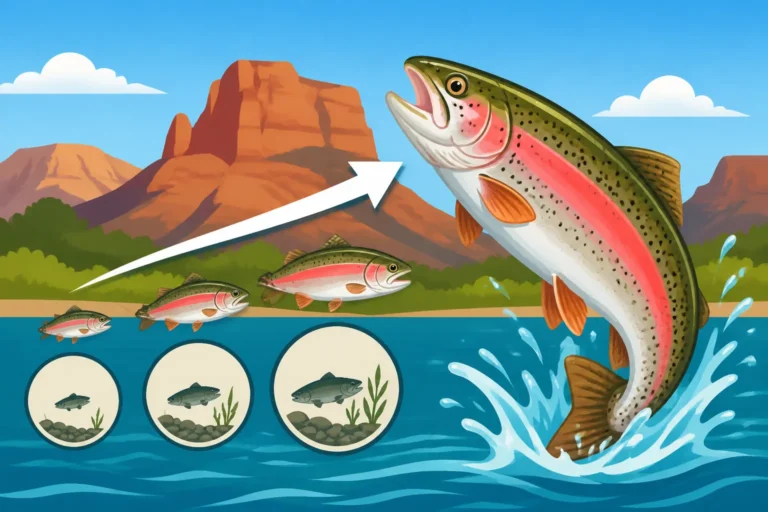
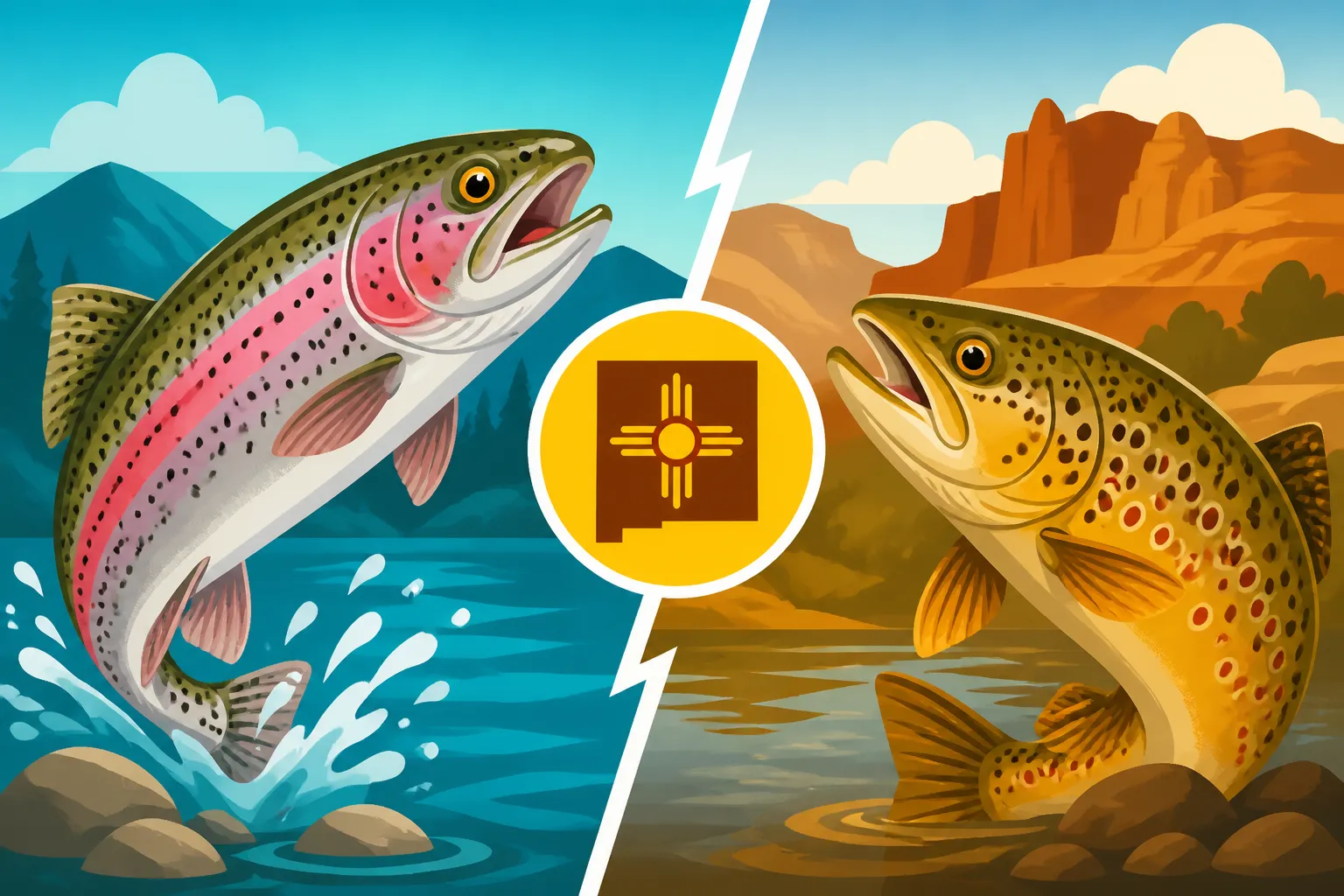
When you pull a rainbow trout from the water, the first thing that often catches your eye is that beautiful, iridescent pink or reddish stripe running along its lateral line, from gill plate to tail. It’s what gives them their name! Their bodies are generally more silvery or olive green, fading to a white belly. They are covered in small, distinct black spots that extend onto their dorsal fin and tail fin. These spots are usually evenly distributed and fairly uniform in size. The tail fin itself is typically square or slightly forked. Their mouth is relatively small, and their jaw usually doesn't extend beyond the back of their eye. This distinct coloration and spotting pattern is usually a dead giveaway, even for an excited angler.
Where Rainbows Thrive in New Mexico
Rainbow trout are incredibly adaptable, which is why they're so popular for stocking programs. In New Mexico, you'll find them in a vast array of waters, from high mountain lakes and clear, cold rivers to many urban ponds. They do particularly well in waters with good oxygen levels and moderate temperatures. Many of our state’s stocked lakes and rivers, like parts of the Rio Grande or many community fishing ponds, are regularly filled with rainbow trout, making them accessible to a wide range of anglers. They're a common sight in places like Fenton Lake Fishing or even some of the smaller ponds near cities, where they provide fantastic opportunities for families and beginners.
Fishing for Rainbows: Techniques and Habits
Rainbows are generally less finicky than their brown trout cousins. They are opportunistic feeders, meaning they'll take a variety of baits and lures. They feed actively during the day, making them a great target for casual outings. Spin fishermen often have great success with corn, worms, PowerBait (those bright, colorful dough balls are killer!), and small, flashy spinners or spoons. Fly anglers will find them eager to take nymphs, dry flies, and streamers, depending on the hatch. When hooked, rainbows are known for their spirited fight, often leaping clear out of the water in an attempt to shake the hook. They're exciting to catch and provide a dynamic fishing experience. For those looking for quick action, focusing on recently stocked areas is often a good bet, and you can find many great options for tackle, including various PowerBait styles and colorful spinners, easily on Amazon.
The Elusive Brown Trout: A Challenge for Anglers
Brown trout are a different beast altogether – and I say that with the utmost respect. These fish are often the target of more seasoned anglers due to their cunning nature and impressive size potential. They're not always easy to find, but the reward of landing a big, beautiful brown is truly something special.
Identifying the Brown: Distinctive Spots and Subtle Hues
When identifying a brown trout, you'll notice a more subdued, earthy coloration. Their bodies typically range from golden brown to olive green, with a cream or yellowish belly. What truly sets them apart are their spots: they have a mix of black spots and prominent reddish-orange spots, often surrounded by lighter halos. These spots are usually found on their sides, dorsal fin, and adipose fin, but generally not on their tail fin, which is a major difference from rainbows. The tail fin is typically square or slightly emarginate (slightly indented). Brown trout also have a larger mouth, with the jaw extending well past the eye, particularly in larger specimens. Their overall appearance tends to be more robust and streamlined, built for power.
Where Browns Make Their Home in New Mexico
Brown trout prefer colder, more pristine waters than rainbows, and they have a strong preference for cover. You'll often find them lurking under undercut banks, submerged logs, large rocks, or in deep pools – anywhere they can hide and ambush prey. They are less tolerant of warmer water temperatures, so they tend to thrive in our higher-elevation streams and rivers. While you might find them in many of the same waters as rainbows, they’ll typically be in different sections or holding in different types of structure. The Rio Chama Fishing and various tributaries within national forests are prime examples of places where you can encounter healthy populations of wild brown trout, offering a more challenging and rewarding experience.
Fishing for Browns: Stealth, Strategy, and Patience
Fishing for brown trout requires a different mindset. They are warier, more cautious, and often feed more actively during low light conditions – dawn, dusk, or even at night. Stealth is key; a heavy footfall on the bank or a shadow cast over their holding spot can send them scurrying. Spin fishermen might use small, drab colored lures that imitate baitfish, or natural baits presented subtly. Fly anglers often target browns with larger streamers that mimic minnows or sculpins, or with well-presented nymphs that drift naturally. Browns are known for their powerful, stubborn fight, often diving for cover and trying to rub the line on rocks. Landing a large brown is a test of skill and patience. If you're looking to delve deeper into the nuances of brown trout fishing, many excellent regional fishing guides are available on Amazon that focus specifically on Trout Fishing Techniques for New Mexico brown trout.
Key Distinctions at a Glance
Sometimes, seeing the differences laid out side-by-side really helps. Here's a quick comparison of the most common visual and behavioral traits for rainbow and brown trout. Remember, fish can vary, so use these as general guidelines, but they'll get you pretty far!
| Feature | Rainbow Trout | Brown Trout |
|---|---|---|
| Lateral Line | Distinct pink/reddish stripe | No prominent stripe, often subtle, dark lateral line |
| Body Color | Silvery, olive-green back, white belly | Golden-brown, olive-green back, yellowish/cream belly |
| Spots | Small, distinct black spots, evenly distributed, extends onto tail fin | Mix of black and reddish-orange spots (often with halos), generally not on tail fin |
| Tail Fin | Square or slightly forked, often spotted | Square or slightly emarginate, usually unspotted |
| Mouth/Jaw | Smaller mouth, jaw typically not past eye | Larger mouth, jaw often extends past eye |
| Behavior | More aggressive, acrobatic, often jumps | Wary, nocturnal, powerful fight, stays deep |
| Preferred Habitat | Faster currents, well-oxygenated water, often stocked in lakes/ponds | Deeper pools, undercut banks, woody debris, wilder streams |
| Common Diet | Insects, crustaceans, small fish, PowerBait, corn | Larger insects, baitfish, crayfish, worms, flies |
Practical Tips for Anglers: Knowing Your Catch
Even with a table, sometimes in the moment, it can still be tricky. The light might be bad, or the fish might just be particularly colorful that day. But with a bit of practice and keen observation, you'll become an expert at identifying your trout.
Observing Subtle Clues on the Water
It's not just about what you see when you land the fish. Pay attention to how the fish bites and fights. Does it jump repeatedly, thrashing on the surface? That’s often a rainbow. Does it make powerful, determined runs, hugging the bottom and trying to rub your line on obstacles? You might have a brown on your hands. Also, observe the environment: if you're in a heavily stocked, easily accessible pond, chances are good for a rainbow. If you've hiked miles into a remote, rocky stream, the odds shift towards wild brown trout or even native species like the Rio Grande Cutthroat Trout in New Mexico. Consider the time of day too – early morning or late evening often brings out the brown trout. For those interested in studying fish behavior more, waterproof guides and fish identification cards can be found on Amazon, perfect for a quick reference on the bank.
The Role of Regulations: Why Identification is Crucial
This is perhaps the most important reason to know your trout. New Mexico, like many states, often has different regulations for different species, particularly for wild, native, or special trout waters. For example, some areas might have a slot limit for brown trout, meaning you can only keep fish within a certain size range, or a lower bag limit for browns compared to rainbows. Conversely, rainbows, especially stocked ones, might have more liberal limits. Misidentifying a fish could lead to unintentional violations, which none of us want. Always consult the New Mexico Fishing Regulations Overview for the most current rules. Understanding these regulations is key to ethical and legal fishing, ensuring these fantastic fish populations remain healthy for generations to come. This is particularly true for New Mexico Trout Fishing Rules which can vary significantly by water body.
Equipment Considerations for Each Species
While a good all-around trout setup will catch both, you can fine-tune your gear for better success. For rainbows, especially stocked ones, a lighter action rod, smaller hooks, and a good selection of colorful PowerBait, worms, or small spinners will usually do the trick. A 4-6 lb test monofilament or fluorocarbon line is often sufficient. For brown trout, especially larger ones in wilder waters, you might consider a slightly heavier action rod, stronger leader material, and larger lures or flies that imitate their natural prey. A good pair of polarized sunglasses, also easily found on Amazon, can be a game-changer for spotting these wary fish in their often camouflaged environments, especially when you're trying to read the water in search of their preferred hiding spots.
Remember, both rainbow and brown trout offer incredible fishing experiences in New Mexico. By learning to distinguish between them, you not only enhance your knowledge but also become a more effective and responsible angler. Happy fishing, friends!
Disclaimer
This article is for general informational purposes only and does not constitute professional advice. Laws, prices and regulations vary by location and change over time. Consult a qualified professional for guidance on your specific situation.