Trophy Walleye Size in New Mexico
Oh, the quest for a trophy walleye in New Mexico! If you've spent any time on our high desert lakes, you know the feeling – that quiet anticipation, the hope for a tug that feels different, heavier, more deliberate. Many anglers dream of landing that wall-hanger, but often wonder, "What exactly is a trophy walleye here in the Land of Enchantment?" This guide is all about setting those expectations, revealing where these giants hide, and sharing the tactics that might just put one of those elusive beauties on the end of your line.
Defining a New Mexico Trophy Walleye
When we talk about "trophy" fish, it's easy to immediately think of state records. But for most of us, a true trophy walleye is often more about personal achievement – a fish that stands head and shoulders above the average catch. New Mexico's waters hold some impressive walleye, and understanding what makes a "trophy" here can help shape your fishing goals.
Understanding "Trophy" Metrics
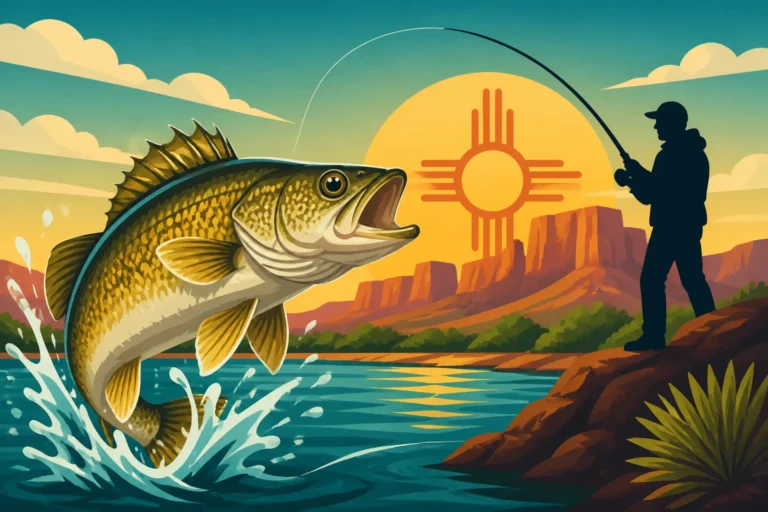
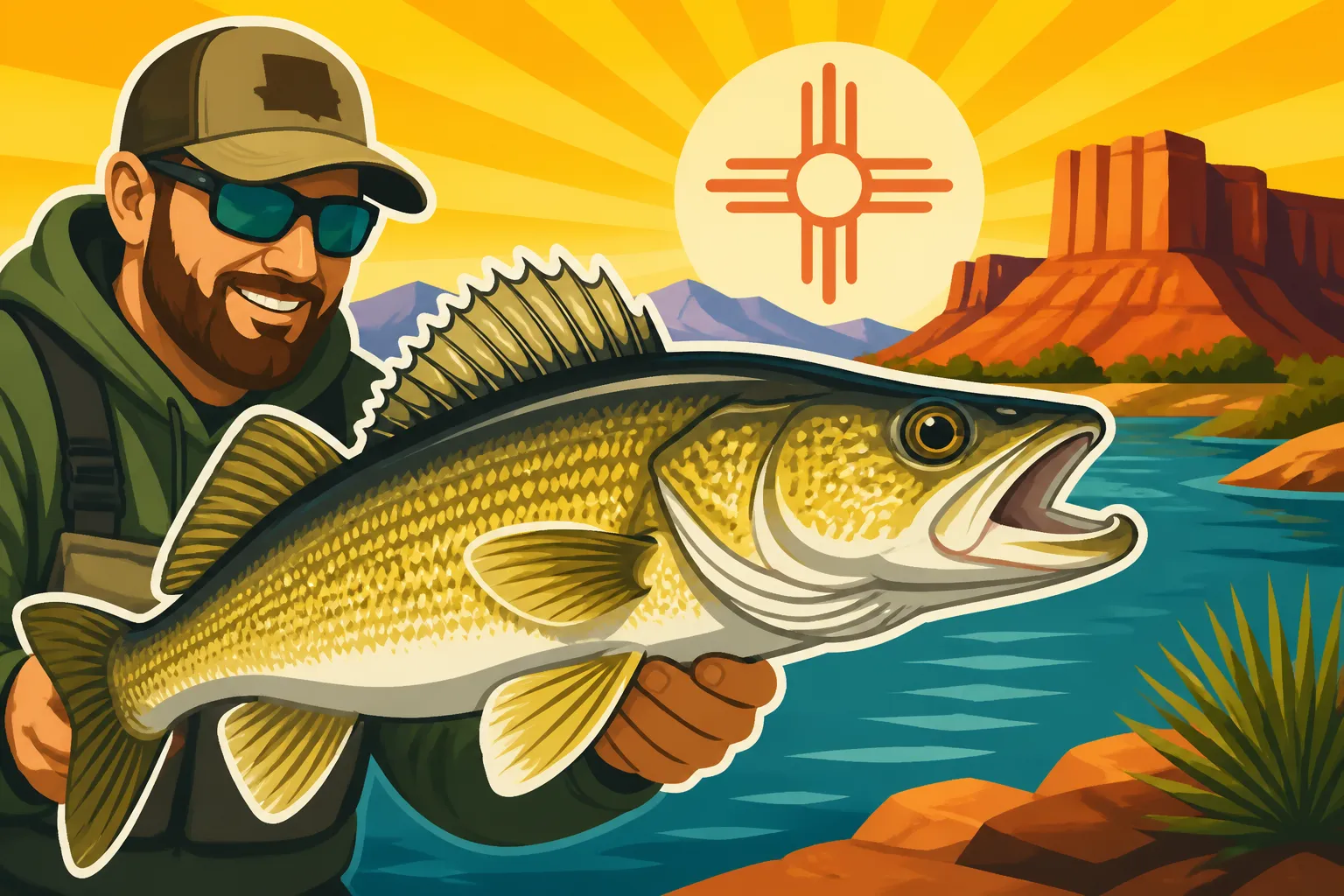
In New Mexico, a walleye might be considered a trophy not just by its sheer weight, but also by its length, girth, and the sheer effort it took to bring to the boat. While the average walleye you'll encounter might be in the 16 to 20-inch range, a trophy fish is typically much larger. We're talking about walleye that break the 25-inch mark, pushing well into the upper 20s or even touching 30 inches. These fish have lived a long time, outsmarting countless anglers and surviving harsh conditions. Their bodies are usually broader, their heads more prominent, and they possess an undeniable presence when they come into view.
For many, catching a walleye over 8 pounds is a significant milestone, while hitting double digits, say 10 pounds or more, truly puts you in "trophy" territory. It's not just about the numbers, though. It's the story behind it – the countless hours spent on the water, the adjustments to bait and technique, and the pure excitement of feeling that heavy thump on your line. A fish that makes your heart pound and your knees weak at the sight of it qualifies as a trophy in my book.
The Elusive State Record and Its Significance
While setting a new state record is a rare and monumental achievement, knowing what the current record stands at gives you a benchmark for the truly colossal fish that swim in New Mexico's waters. These records are held by absolute monsters, fish that have grown to incredible sizes. The official state record for walleye is a testament to the potential of our lakes to produce truly exceptional specimens. While I can't give you the exact current figures, I can tell you that these fish typically weigh well over a dozen pounds and stretch to lengths that would make any angler gasp.
Chasing the state record is a different game altogether, requiring extreme dedication, specialized equipment, and often a lot of luck. It’s about being in the right place at the right time with the right presentation, when that one-in-a-million fish decides to bite. Even if you don't break a record, understanding that such giants exist fuels the passion and hope that every cast might be the cast. For the most up-to-date information on record fish, you'd want to consult the New Mexico Department of Game and Fish's official records, which are usually part of their annual fishing rule guide. It’s a great way to put the potential size of these fish into perspective.
Where the Giants Lurk: Top New Mexico Walleye Waters
New Mexico is blessed with several fantastic reservoirs that consistently produce quality walleye, and occasionally, those truly monstrous trophy fish. Knowing which waters hold the potential for these giants is the first step in your quest.
Premier Walleye Reservoirs
When serious walleye anglers talk about trophy potential in New Mexico, a few names consistently rise to the top. These aren't just good walleye lakes; they are proven producers of substantial fish.
-
Ute Lake: Located in eastern New Mexico, Ute Lake Fishing is often considered the state's walleye factory. It's known for having a healthy population of walleye, and while many are respectable eaters, it also kicks out some true beasts. The lake's deep structure, submerged timber, and ample forage base contribute to the growth of large walleye. Anglers here often report multiple fish over 20 inches, with a real chance at a 25-plus incher, especially during the spring and fall. The sheer volume of fish means more opportunities to encounter those larger, older individuals.
-
Conchas Lake: Further south, Conchas Lake is another powerhouse for walleye. This lake boasts excellent water quality and a diverse forage base, including gizzard shad, which helps walleye pack on the pounds. Anglers often find success here with larger baits and by focusing on specific structure. It's a lake where patience often pays off with a genuinely memorable catch. The lake's irregular shoreline and submerged features create perfect ambush points for big walleye.
-
Elephant Butte Lake: While often lauded for its striped bass, Elephant Butte Lake Walleye Fishing should not be underestimated for its walleye potential. This massive reservoir holds a surprisingly robust walleye population, including some very large individuals. The key here is often finding them in such a vast body of water. Walleye in Elephant Butte tend to be migratory, following baitfish, so understanding their seasonal movements is crucial. Targeting deeper points, humps, and submerged canyons can often lead to encounters with walleye of impressive size.
Identifying Productive Hotspots
Simply knowing the lake isn't enough; you need to understand where the biggest walleye are likely to be within those waters. Trophy walleye are survivors, and they often gravitate towards areas that offer an optimal combination of food, cover, and favorable temperatures.
Look for areas with significant underwater structure. This includes submerged creek channels, old roadbeds, rock piles, humps, and ledges. These features provide ambush points where walleye can hide and dart out to intercept unsuspecting baitfish. Deep breaks and transitions from shallow flats to deeper water are also prime areas. Walleye, especially larger ones, tend to prefer deeper, cooler water during the warmer months, only moving shallower during low light conditions or to spawn.
Another critical factor is the presence of forage. If you can locate schools of baitfish, you're likely to find walleye nearby. Modern fish finders are invaluable tools for identifying these schools and the structure they relate to. Pay attention to main lake points that drop off quickly, humps in open water, and even old river bends that are now submerged. When the wind picks up, don't shy away from choppy banks; the waves can dislodge baitfish and create a feeding frenzy for walleye.
Strategies for Landing Your Wall-Hanger Walleye
Catching a truly massive walleye isn't usually an accident. It often requires specific strategies, specialized gear, and a willingness to adapt. These fish are older, wiser, and more cautious than their smaller counterparts.
Specialized Gear for Big Walleye
To consistently target and land trophy walleye, your gear needs to be up to the task. You're not just looking for something that can catch a fish, but something that can handle a potential double-digit brute in deep water.
For rods, consider a medium-heavy power spinning or baitcasting rod, typically 6'6" to 7'6" in length, with a fast action. This provides the backbone needed to set a hook firmly in a walleye's bony mouth and the sensitivity to detect subtle bites. Pair this with a reliable reel spooled with 10-15 pound braided line, which offers incredible sensitivity and strength. A fluorocarbon leader of 8-12 pounds is essential for its invisibility and abrasion resistance, especially when fishing around rocks or timber. For those interested in upping their gear game, you can find a huge selection of specialized rods and high-performance braided lines on platforms like Amazon.
When it comes to lures and baits, "go big or go home" often applies to trophy walleye. Larger profile crankbaits, swimbaits, and even substantial jigging spoons are often necessary to attract the attention of bigger fish. These bigger meals are what they're looking for to maintain their size. Don't forget sharp, strong hooks. Many factory hooks on lures can be bent or broken by a powerful walleye, so consider upgrading them to stronger, sharper versions. A good selection of these heavy-duty hooks and quality leader material can also be easily sourced from Amazon.
Advanced Techniques for Targeting Lunkers
Trophy walleye often require a more refined approach than simply casting a worm. These fish have seen it all, and they're not easily fooled.
-
Deep Trolling: This is a highly effective method for covering large areas of water and presenting baits at precise depths where big walleye are holding. Using planer boards can help spread out your lines and cover even more water. Downriggers are also fantastic tools for accurately presenting crankbaits or spinner rigs at specific depths in the water column. Understanding Trolling Techniques for New Mexico Lakes is crucial for success here, including speed, lure selection, and how to read your electronics to stay on fish. Vary your trolling speed and direction to trigger bites; sometimes a sudden turn or acceleration is all it takes.
-
Vertical Jigging: When you've located schools of walleye or prime structure on your fish finder, vertical jigging can be incredibly effective. This involves positioning your boat directly over the fish or structure and dropping a heavy jig or jigging spoon straight down. The technique involves sharp lifts and drops, allowing the lure to flutter enticingly. This is a tactic often employed for Jigging for Walleye in New Mexico and requires a sensitive rod to detect those light "thumps" that big walleye often deliver. Sometimes the bite is simply a feeling of weightlessness as the fish inhales the jig on the fall.
-
Night Fishing: Walleye are known to be more active during low-light conditions, and trophy-sized fish are no exception. Night fishing can be incredibly productive, especially during the warmer months when big walleye move into shallower water to feed. Large stickbaits, lipless crankbaits, or even a simple jig-and-minnow combination can work wonders. Just remember to prioritize safety with proper lighting and knowing your surroundings on the water.
-
Live Bait Rigs: While artificials are popular, sometimes nothing beats live bait for a cautious trophy walleye. A large shiner, chub, or even a substantial nightcrawler presented on a bottom bouncer or slip sinker rig can be irresistible. Be patient and let the walleye mouth the bait before setting the hook. Always check New Mexico Fishing Regulations Overview for any rules regarding live bait in specific waters.
The hunt for a trophy walleye is a journey of patience, learning, and persistence. There will be days when you feel like you're doing everything right and still come up empty-handed. But those are the days that make the eventual reward even sweeter. Each trip is an opportunity to learn more about the water, the fish, and your own abilities as an angler.
Here's a quick look at some general walleye characteristics:
| Characteristic | Average Walleye (New Mexico) | Trophy Walleye (New Mexico) |
|---|---|---|
| Length Range | 16-20 inches | 25-30+ inches |
| Weight Range | 1-3 pounds | 8-15+ pounds |
| Age | 2-5 years | 7-12+ years |
| Habitat | Varied structures, moderate depth | Deep structure, ample forage, specific thermal layers |
| Preferred Forage | Shad, minnows, crayfish, insects | Larger shad, white bass, smaller game fish |
| Temperament | Active feeder | More cautious, opportunistic |
The Hunt for a Lifetime: Beyond the Catch
Pursuing trophy walleye is about more than just the fish; it's about the experience, the dedication, and the respect you gain for these incredible creatures.
Patience and Persistence in Trophy Pursuit
It's no secret that fishing for big walleye demands a level of patience that can test even the most seasoned angler. You might spend hours, or even days, without a single bite from a fish of significant size. This isn't like fishing for stocked trout where bites might be more frequent. Trophy walleye are not only fewer in number, but they are also warier. They didn't get big by being reckless. You'll need to remain focused, confident in your presentation, and willing to experiment.
Sometimes, it's just a matter of making one more cast, trying one more spot, or waiting for that brief window of prime feeding activity. The mental game is as crucial as the physical act of fishing. Don't get discouraged by slow periods. Instead, use that time to refine your technique, observe the water, and adapt your approach. Pay attention to subtle changes in wind, light, or temperature. The anglers who consistently catch big walleye are often those who are the most persistent and have an unwavering belief that their next cast could be the one. This persistence is a quality that defines dedicated anglers, much like a good angler ensures they have all the necessary paperwork, like their New Mexico Fishing License Guide, before heading out.
Conservation and Catch-and-Release for Big Fish
When you're fortunate enough to land a trophy walleye, the decision to keep it or release it is an important one. While it's certainly a justifiable desire to keep such a magnificent fish for a mounted replica or a celebratory meal, consider the long-term health of the fishery. These large walleye are often the best spawners, contributing significantly to the population's genetics and future generations. Releasing them, especially if they are healthy, ensures they can continue to reproduce and help maintain the quality of the walleye fishery for years to come.
If you choose to release, handle the fish with extreme care. Minimize its time out of the water, support its body horizontally, and avoid handling it by the gills or eyes. Use a large, knotless rubber landing net to reduce stress and injury. Make sure the fish is fully revived and can swim away strongly before letting it go. Many anglers now opt for high-quality photos and even replica mounts, which capture the essence of the trophy without removing the fish from the ecosystem. Understanding New Mexico Statewide Bag Limit for Walleye is also vital, as different lakes may have special regulations for larger fish to promote trophy management.
Ultimately, the pursuit of a trophy walleye in New Mexico is a rewarding journey. It connects you deeply with the rich fishing traditions of our state and allows you to appreciate the wild beauty and challenges of our desert lakes. So gear up, stay patient, and remember that every cast holds the promise of that next great fish. You can easily find high-quality nets and fish handling tools on Amazon to ensure responsible catch and release practices.
Disclaimer
This article is for general informational purposes only and does not constitute professional advice. Laws, prices and regulations vary by location and change over time. Consult a qualified professional for guidance on your specific situation.