How New Mexico Handles Invasive Fish Removal
It can be incredibly disheartening to visit your favorite fishing hole in New Mexico, only to find it overrun with non-native species, crowding out the beautiful trout and bass you came to catch. This isn't just an annoyance for anglers; it's a serious ecological threat that New Mexico takes very seriously. This guide will walk you through exactly how the state approaches invasive fish removal, the methods they employ, and how you, as a responsible angler, can play a crucial role in protecting our precious waters.
Understanding the Threat: Why Invasive Fish are a Problem in New Mexico
When we talk about invasive fish, we're not just talking about fish that aren't from here. We're talking about species that have been introduced, either accidentally or intentionally, into an ecosystem where they don't belong and where they can cause significant harm. New Mexico's unique and often fragile aquatic environments are particularly vulnerable to these disruptions.
Ecological Impact on Native Species
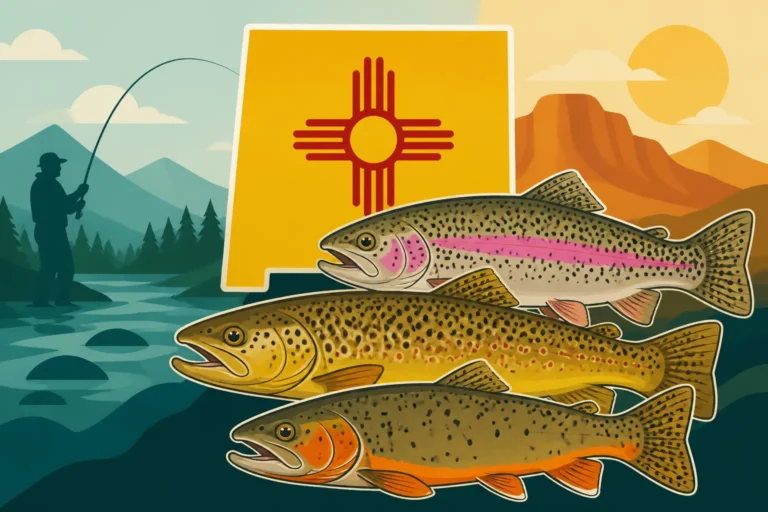
The primary concern with invasive fish is the devastating impact they can have on native fish populations. New Mexico is home to several unique species, like the Rio Grande cutthroat trout and the Gila trout, which have evolved over millennia to thrive in specific conditions. When an invasive species shows up, it often outcompetes native fish for food, habitat, and spawning grounds. Imagine a group of bullies moving into a peaceful neighborhood – that's often what happens. They might eat the eggs or young of native fish, introduce diseases they're immune to, or simply alter the water quality and habitat in ways that make it impossible for the original inhabitants to survive. This can lead to a decline, or even outright extinction, of native populations, which is a tragedy for biodiversity and for the unique heritage of our state's waters. For a deeper dive, you can learn more about Native Fish Species of New Mexico.
Economic and Recreational Consequences
Beyond the ecological harm, invasive fish can have a very real impact on our economy and recreational opportunities. Our state's fisheries support a vibrant tourism industry, drawing anglers from all over who want to experience the beauty and challenge of New Mexico fishing. When desirable game fish populations decline due to invasive species, it directly affects tackle shops, guide services, hotels, and restaurants in fishing communities. Think about a lake that used to be a hotspot for trout but now primarily yields carp – it changes the entire dynamic. This shift can lead to decreased angler visitation, reduced license sales, and a general loss of revenue that supports conservation efforts. Nobody wants to spend their hard-earned money and vacation time struggling with undesirable fish species, especially when they're using gear they bought on Amazon specifically for trout or bass. The frustration is palpable, and the economic ripple effect is real.
Specific Invasive Species of Concern
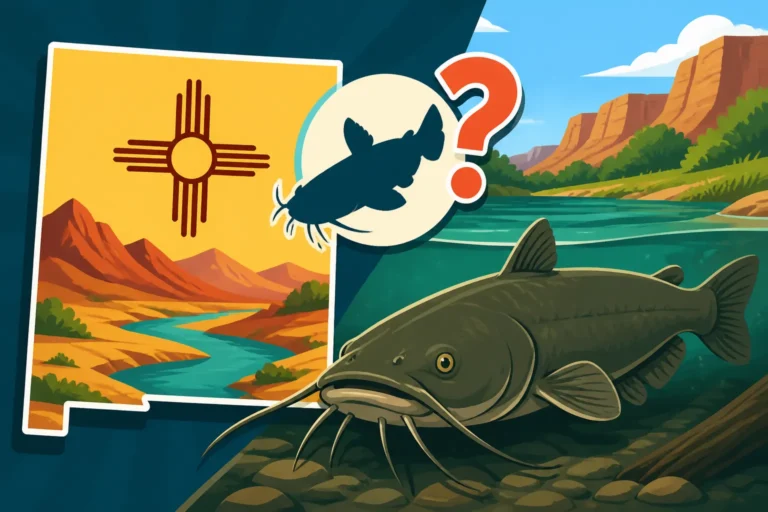
New Mexico has a rogue's gallery of invasive fish species that pose ongoing challenges. Some of the most common culprits include common carp, which are notorious bottom-feeders that stir up sediment, reduce water clarity, and destroy aquatic vegetation, making it harder for other fish to find food and clean spawning areas. Then there are white suckers, which can hybridize with native sucker species and outcompete other bottom-dwellers. Goldfish, often released from home aquariums, can also establish populations and grow surprisingly large, further disrupting ecosystems. Other species like certain bass or sunfish, while native to other parts of the country, can become invasive when introduced to waters where they don't naturally occur, throwing off the delicate balance. Understanding Invasive Fish Species in New Mexico is key to recognizing the problem and being part of the solution.
New Mexico's Arsenal: Strategies for Invasive Fish Removal
Combating invasive fish isn't a simple task, and New Mexico employs a variety of strategies, often in combination, to tackle the problem. It requires careful planning, scientific expertise, and sometimes, a whole lot of elbow grease. The approach chosen often depends on the specific species, the size of the water body, and the potential impact on non-target species.
Physical Removal Methods
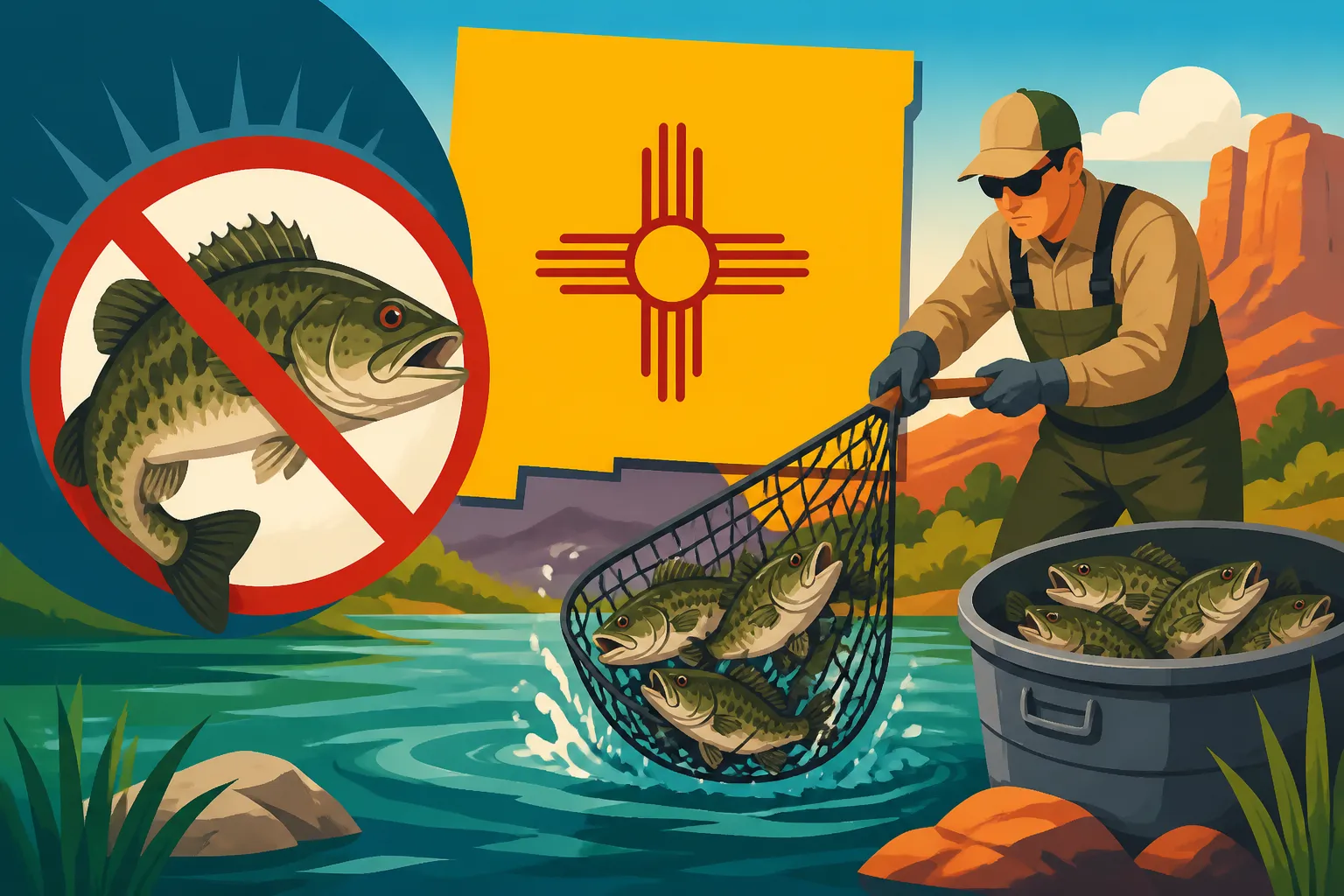
One of the most direct ways to deal with invasive fish is through physical removal. This can range from highly targeted efforts to large-scale operations. Electrofishing, where a controlled electrical current is used to temporarily stun fish, allows crews to collect and remove invasive species while native fish can often be revived and returned to the water. Seining, using large nets to sweep through a water body, is another common method, especially for species that congregate in certain areas. Trapping is also used, particularly for smaller, more localized populations. In some extreme cases, like when a small, isolated pond is completely overrun, complete dewatering (draining the pond) and then refilling it with native species might be considered. While labor-intensive, these methods allow for precision in species removal.
Chemical Treatment Approaches
When physical methods aren't sufficient, particularly in larger or more complex ecosystems, chemical treatments might be employed. The most common chemical used for fish removal is rotenone. Rotenone is a naturally occurring compound derived from plant roots that interferes with a fish's ability to absorb oxygen through its gills. It's highly effective at killing fish, but its use is carefully planned and regulated because it can affect all gill-breathing organisms. Before applying rotenone, scientists conduct extensive surveys to ensure minimal impact on native species, and often native fish are temporarily removed and then reintroduced after the chemical has dissipated. This method is usually a last resort for critically impacted waters where other options have failed, often to completely reset an ecosystem before reintroducing desirable fish.
Biological Control
Sometimes, nature can help fight nature. Biological control involves introducing a natural predator to keep an invasive population in check. A prime example in New Mexico is the tiger muskie. These sterile hybrid fish are fierce predators that grow to impressive sizes. They are stocked in certain lakes, like Bluewater Lake, specifically to prey on undesirable species like common carp, white suckers, or smaller trout that might be overpopulating. The benefit of tiger muskies is that they don't reproduce, so their population can be managed and won't become an invasive problem themselves. This is a very strategic approach, balancing the need for control with ensuring no new problems are created. For more details on this fascinating strategy, check out Why Tiger Muskies Are Used to Control Invasive Fish.
Here's a quick overview of some common invasive species and the typical approaches to managing them in New Mexico:
| Invasive Species | Primary Impact | Common Removal Methods | Notes |
|---|---|---|---|
| Common Carp | Habitat degradation, competition | Seining, trapping, electrofishing, biological control (Tiger Muskie) | Bottom feeders, stir up sediment |
| White Sucker | Competition, hybridization | Electrofishing, chemical treatment, biological control (Tiger Muskie) | Can thrive in varied conditions |
| Goldfish | Competition, disease vector | Electrofishing, trapping, chemical treatment | Often from aquarium releases |
| Crayfish (non-native) | Competition, predation on eggs | Trapping, biological control | Not strictly fish, but a significant aquatic invasive |
| Smallmouth Bass (where non-native) | Predation on native fish | Electrofishing, specific angling regulations | Can outcompete native trout/warmwater species |
Community Involvement and Prevention: Anglers as Part of the Solution
While state agencies lead the charge, the fight against invasive fish is a team effort. Anglers and concerned citizens play an absolutely vital role, both in preventing new introductions and in helping to manage existing populations. Your actions on and off the water have a direct impact.
Regulations and Best Practices for Anglers
One of the simplest yet most effective ways anglers can help is by understanding and adhering to fishing regulations. These rules aren't arbitrary; they're designed to protect our fisheries. For instance, some waters might have specific regulations regarding the use of live bait, as live bait can inadvertently introduce invasive species or diseases if not properly sourced and handled. Always check the New Mexico Fishing Regulations Overview before you head out. Never, ever release unused baitfish into a different water body. What seems like a harmless act can have catastrophic consequences. Similarly, if you catch a known invasive species, such as a common carp or white sucker, in waters where they are considered detrimental, you might be encouraged or even required to harvest it and not release it. This helps reduce their population directly. Understanding these nuances is part of being a responsible angler.
Reporting and Education Initiatives
Being the eyes and ears on the water is another huge contribution. If you encounter an unusual fish species that you suspect might be invasive, or if you observe anything concerning (like a sudden decline in native fish populations or strange fish behaviors), reporting it to the New Mexico Department of Game and Fish is crucial. Early detection is key to preventing a small problem from becoming an unmanageable crisis. The state also invests in educational programs to raise public awareness about invasive species and their impacts. These initiatives help inform anglers, boaters, and even aquarium owners about responsible practices. They might provide identification guides or clear instructions on how to properly dispose of unwanted aquatic organisms, rather than releasing them into local waterways. Even purchasing gear like a tackle box or a new fishing line from Amazon can be an opportunity to remember your responsibility – ensure your gear is clean before moving it to a new location.
Preventing the Spread: Clean, Drain, Dry
Perhaps the most important mantra for every angler and boater is "Clean, Drain, Dry." This simple set of actions can prevent the accidental transfer of invasive species (not just fish, but also aquatic plants, mussels, and microscopic organisms) from one body of water to another.
- Clean: Before leaving any water body, thoroughly clean your boat, trailer, fishing gear, waders, and any other equipment that came into contact with the water. Remove all visible mud, plants, and aquatic organisms. Even a tiny seed or a hidden snail can start a new invasion.
- Drain: Completely drain all water from your boat, livewell, bilge, and bait buckets. Don't transport water from one lake to another. This includes draining any water from your waders or boots.
- Dry: Allow all your equipment to thoroughly dry for at least 5-7 days before using it in a different water body. If drying isn't possible, a high-pressure wash with hot water can also be effective.
By following these steps, you become a frontline defender against the spread of aquatic invaders. It's a small effort with an enormous payoff for the health and future of New Mexico's incredible fishing resources. Think about it as a personal responsibility, as important as having your New Mexico Fishing License Guide or knowing the New Mexico Trout Fishing Rules. Every angler has a role in keeping our waters pristine.
Disclaimer
This article is for general informational purposes only and does not constitute professional advice. Laws, prices and regulations vary by location and change over time. Consult a qualified professional for guidance on your specific situation.