Why Some New Mexico Trout Fisheries Are Catch and Release Only
It can be incredibly frustrating to arrive at a beautiful New Mexico trout stream, ready to cast a line and maybe even bring home a fresh catch for dinner, only to discover that the regulations say "Catch and Release Only." You might wonder why such seemingly restrictive rules are in place, especially when you see other waters where keeping fish is perfectly fine. This guide is here to shed light on the vital reasons behind New Mexico's catch-and-release trout fisheries, helping you understand the conservation efforts at play and how these rules ultimately benefit everyone who loves to fish.
The Conservation Imperative: Protecting Fragile Trout Populations
New Mexico is a land of stunning, yet often harsh, beauty. Our desert climate means that cold, clean water—the lifeblood of trout—is a precious and often limited resource. When it comes to trout fisheries, especially those featuring native species or areas with delicate ecosystems, catch and release (C&R) isn't just a suggestion; it's a critical tool for ensuring these populations survive and thrive for future generations.
Safeguarding Native Species and Genetics
Imagine a trout species that has adapted over thousands of years to the unique conditions of a specific river system in New Mexico. That's precisely what we have with our native trout, like the stunning Rio Grande Cutthroat Trout and the resilient Gila Trout. These fish are not just "trout"; they are unique genetic legacies, irreplaceable parts of our natural heritage. Many of these populations exist in isolated streams or headwaters, often in very small numbers. If anglers were allowed to harvest fish from these fragile populations, even a modest take could decimate them, leading to genetic bottlenecks or even extinction in a particular watershed.
Think of a tiny mountain stream high in the Pecos Wilderness where a small, isolated population of Rio Grande Cutthroat Trout struggles to survive against drought and habitat encroachment. Every single fish in that stream holds immense genetic value. Allowing harvest there would be like taking bricks out of a crumbling wall – eventually, the whole thing would collapse. Catch and release in these areas ensures that every fish has the chance to spawn and contribute to the next generation, maintaining the genetic diversity and numbers crucial for their long-term survival. Learning How to Identify a Rio Grande Cutthroat Trout can help you appreciate these special fish even more.
Managing Limited Resources and Habitat
New Mexico's waters, particularly its trout habitats, are often more susceptible to environmental pressures than those in other, wetter states. Droughts are a recurring challenge, reducing stream flows and raising water temperatures, which can be devastating for cold-water species like trout. Wildfires can lead to massive runoff events, choking streams with ash and sediment. In these delicate environments, the fish populations are constantly teetering on a fine balance.
Catch and release helps to buffer these populations against environmental shocks. By not removing fish through harvest, these populations have a better chance to recover from natural disturbances. It also ensures that the limited amount of food and space in a small stream isn't depleted by a constant cycle of stocking and harvesting. Instead, a robust, self-sustaining population can persist, making the most of the available, often scarce, resources. When you consider the bigger picture of our arid landscape, catch and release becomes an act of ecological responsibility, allowing these fish to endure the natural ups and downs of their limited homes.
Promoting Trophy Fisheries and Quality Experiences
While conservation of native species is paramount, catch and release also serves another, perhaps more immediately appealing, purpose for many anglers: fostering trophy fisheries. When fish are consistently released, they have the opportunity to grow larger and older. This means that instead of a stream being continually "fished out" of its medium-sized inhabitants, it can develop a population of larger, more experienced fish that offer a truly challenging and rewarding angling experience.
Consider the famous San Juan River Quality Waters, an area renowned for its massive, hard-fighting trout. These fish didn't get that big by being harvested. The catch-and-release rules, combined with excellent habitat, allow them to reach impressive sizes. For many anglers, the thrill isn't about the meal, but the battle, the skill required to trick a wary, large trout, and the satisfaction of a clean, healthy release. These fisheries transform fishing from a simple food-gathering activity into a high-level sport, drawing anglers from all over for a chance at a fish of a lifetime. The focus shifts from quantity to quality, creating a unique and highly sought-after fishing experience.
The Role of Specific Regulations and Special Waters
The decision to implement catch-and-release regulations isn't arbitrary. It's often the result of careful scientific study and a deep understanding of the specific ecological needs of a particular body of water. This is especially true for New Mexico's "Special Trout Waters," areas designated for their unique ecological value or exceptional angling opportunities.
Understanding Special Trout Water Designations
New Mexico's "Special Trout Waters" are specific river sections or lakes that have unique regulations designed to protect and enhance their trout populations. These designations often include restrictions on bait, tackle, and, yes, harvest. While not all Special Trout Waters are strictly catch and release, many have very limited bag and possession limits, or mandate the use of artificial lures with single, barbless hooks. The goal is always to create a fishery that thrives under specific management objectives, whether it's preserving native trout, growing trophy fish, or providing a high-quality angling experience in a heavily fished area.
For example, the New Mexico Special Trout Water Rules are a critical read for any angler planning to visit these unique spots. These rules are put in place because these waters can handle angling pressure better when fish aren't removed. They provide a space where fish can grow large and develop complex behaviors, challenging even the most seasoned angler. By adhering to these regulations, we all contribute to maintaining the health and exceptional nature of these waters.
Gila Trout and Rio Grande Cutthroat: A Case Study in Protection
When it comes to our native trout, like the Gila Trout, catch-and-release rules are more than just a preference; they are a fundamental part of a long-term conservation strategy. The Gila Trout, once on the federal endangered species list, has made an incredible comeback thanks to dedicated efforts by conservationists and anglers. However, their populations are still relatively small and often restricted to isolated, pristine habitats. In many Gila Trout streams, harvest is strictly prohibited, and in others, it's highly regulated with special permits and stringent size limits. Anglers often wonder, Do You Need a Permit to Fish for Gila Trout?, and the answer is usually yes, coupled with strict C&R.
Similarly, the Rio Grande Cutthroat Trout, New Mexico's state fish, faces its own set of challenges, including habitat loss and hybridization with non-native trout. Protecting these fish often means ensuring that wild populations are not further stressed by harvest. The Gila Trout Bag Limit in New Mexico is often zero, emphasizing their vulnerable status. These C&R designations are a testament to our commitment to these unique and culturally significant species, ensuring that their beauty and wild spirit can continue to grace our mountain streams. It's a privilege to fish for them, and releasing them unharmed is an act of respect and conservation.
The Impact of Angler Pressure and Accessibility
Some of New Mexico's best trout fishing spots are also incredibly popular and easily accessible. Think about the tailwaters below a major dam or a well-known stretch of river close to a city. These areas can experience intense angler pressure year-round. Without catch-and-release regulations, these highly accessible fisheries would quickly be "fished out," unable to sustain a healthy fish population for very long. Anglers would find fewer fish, smaller fish, and a generally diminished experience.
Catch and release acts as a pressure valve in these situations. It allows these popular spots to remain productive and enjoyable, even with many anglers visiting. The fish are caught, released, and live to fight another day, ensuring a continuous supply of sport. This management strategy makes it possible for more people to enjoy the resource without depleting it, ensuring that even easily reached spots can offer a memorable trout fishing experience. For areas like the San Juan River, understanding Rules for the San Juan River Special Trout Water means acknowledging that heavy traffic necessitates robust conservation.
Beyond Just Keeping Fish: The Angler's Role in Stewardship
Catch and release is more than just following a rule; it's a practice that requires care, skill, and a deep respect for the fish and the environment. As anglers, we have a vital role to play in the success of these conservation efforts.
Best Practices for Catch and Release Success
Simply tossing a fish back isn't always enough to ensure its survival. Effective catch and release involves a few key practices that dramatically increase a fish's chances of thriving after being caught. First and foremost, using barbless hooks or pinching down the barbs on your hooks is crucial. Barbless hooks minimize tissue damage and allow for quick, easy removal, getting the fish back into the water faster. You might be interested to know Why Are Barbless Hooks Required on the San Juan River?.
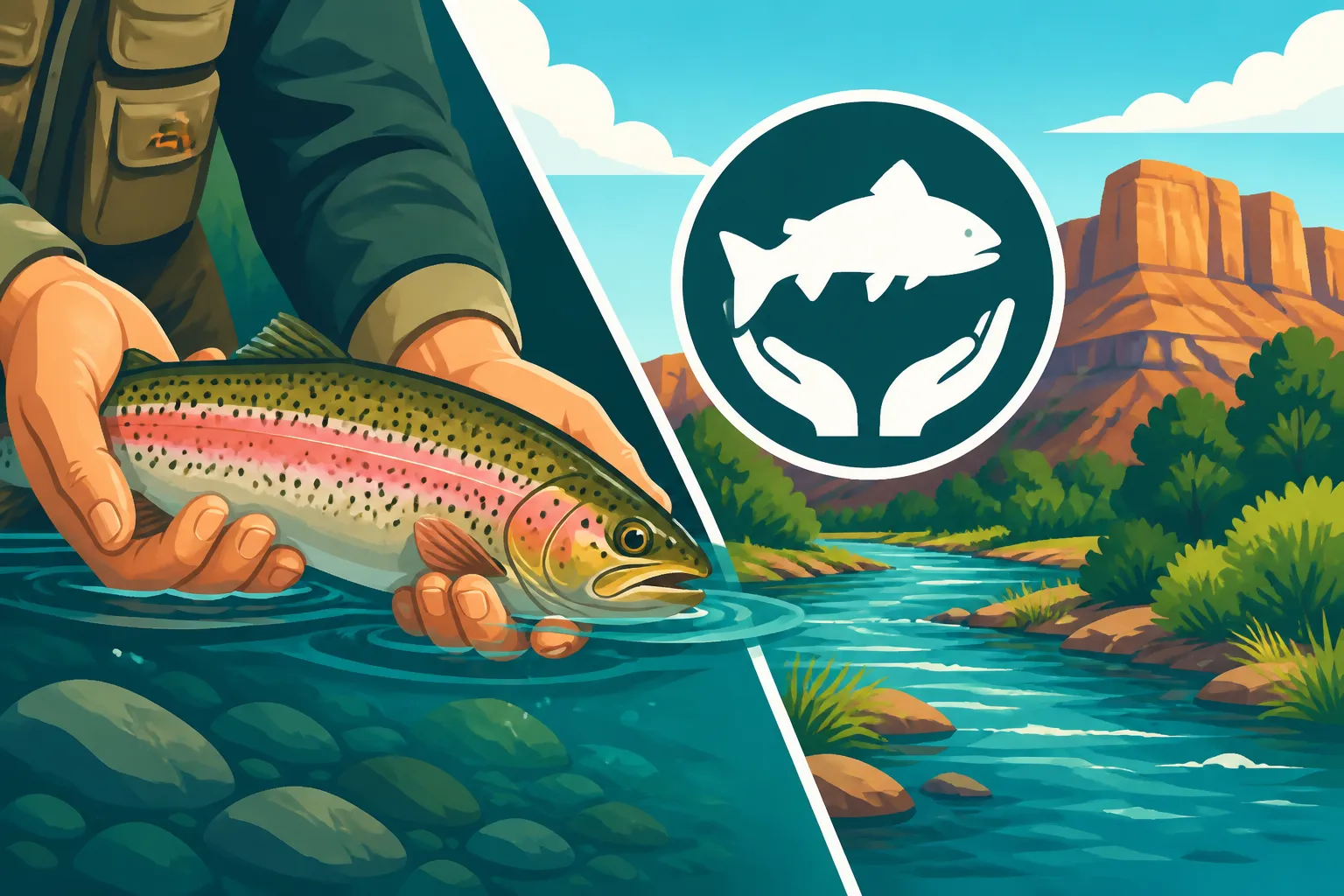
Beyond hooks, minimizing the time a fish spends out of the water is paramount. Have your camera ready before you even land the fish, if you plan to take a photo. Handle fish gently with wet hands, supporting their body, especially around the belly. Avoid squeezing them or touching their gills. If a fish seems sluggish after being released, gently hold it upright in the current, allowing water to flow over its gills until it swims away under its own power. These steps are part of comprehensive Catch and Release Best Practices in New Mexico that every angler should adopt. Every little bit of care makes a huge difference.
Essential Gear for Responsible C&R
Having the right tools makes practicing responsible catch and release much easier and more effective. A crucial piece of gear is a good landing net, specifically one with a rubberized or knotless mesh. Traditional knotted nets can strip off a fish's protective slime layer and damage its fins. A rubber net, which you can easily find on Amazon, cradles the fish safely and reduces harm. It's truly a game-changer for trout handling.
Other essential tools include forceps or long-nosed pliers for quickly and carefully removing hooks, especially if they're deeply set. Nippers are handy for cutting line if a hook is too deep to safely remove. Many anglers also carry a small measuring tape to record lengths before release, often noting these details in a logbook or a fishing app on their phone. Investing in quality C&R gear, often available through retailers like Amazon, is a small price to pay for ensuring the health of the fish you encounter. You can even research Best Landing Net Size for Catch and Release Trout to pick the perfect one.
Embracing the Philosophy of Conservation
Ultimately, fishing in catch-and-release waters is about more than just following rules; it's about embracing a philosophy of conservation and stewardship. It means understanding that our enjoyment of these wild places comes with a responsibility to protect them. The satisfaction derived from fishing these waters shifts from the harvest to the challenge, the beauty of the fish, and the knowledge that you're contributing to its continued existence.
For many, a healthy release is just as, if not more, rewarding than a full creel. It's about respecting the intricate balance of nature and acknowledging that some resources are too precious to consume. By choosing to fish C&R waters, and by practicing responsible techniques, we become active participants in the long-term health of New Mexico's unique and vital trout fisheries. This mindset ensures that the magic of encountering a wild trout will continue for generations to come.
Where to Find Catch and Release and Harvest Opportunities
It's important to remember that not all trout fisheries in New Mexico are designated as catch and release. Our state offers a diverse range of angling opportunities, from remote wilderness streams to urban ponds, each with its own set of rules and management objectives.
Navigating Different Fishery Types
New Mexico has a variety of trout fisheries, managed in different ways. Some waters are "put-and-take" fisheries, often stocked regularly with hatchery-raised rainbow trout, where harvest is encouraged and often forms the backbone of family fishing outings. These typically have generous bag limits, such as the New Mexico Daily Trout Bag Limit, and allow for various baits and techniques. Other waters might have general regulations, allowing for some harvest but with stricter limits on size or number.
Then there are the special regulation waters, which include many of the catch-and-release areas we've discussed. These are often managed for wild trout, native species, or trophy fish, and the regulations reflect those goals. It's crucial to understand which type of fishery you're visiting before you cast your line. Each type provides a different experience, and knowing the regulations helps you choose the adventure that's right for you.
Checking the Latest Regulations
The absolute most important step before heading out to any New Mexico fishing spot is to consult the latest official regulations. These rules can change seasonally, or even be updated to address environmental concerns like drought or population shifts. The New Mexico Department of Game and Fish publishes an annual fishing and hunting proclamation booklet that details all regulations, special waters, bag limits, and gear restrictions. This booklet is your ultimate guide and is available online and at license vendors.
Never rely solely on anecdotal advice or old information. A quick check of the current New Mexico Fishing Regulations Overview will prevent any misunderstandings and ensure you're fishing legally and responsibly. These regulations are designed to protect our precious resources while providing ample opportunities for anglers, and by staying informed, you contribute directly to the success of New Mexico's fishing future.
| Fishery Type | Primary Goal | Typical Harvest Rules | Common Locations | Example Species |
|---|---|---|---|---|
| Catch & Release Only | Conservation of native/wild populations, Trophy Fish | No harvest allowed, often artificial lures/barbless hooks | San Juan River Quality Waters, certain Gila Trout streams | Rio Grande Cutthroat Trout, Gila Trout, Large Rainbows |
| Special Regulation (Limited Harvest) | Manage for quality, specific species | Highly restricted bag/size limits, specific gear rules | Parts of Pecos River, certain high mountain lakes | Brown Trout, Cutthroat Trout, Rainbow Trout |
| General Regulation | Balance recreation & sustainable harvest | Standard bag/size limits, various baits often allowed | Many rivers, lakes, and reservoirs statewide | Rainbow Trout, Brown Trout, Bass, Walleye, Catfish |
| Put-and-Take (Stocked) | Provide accessible angling opportunities | Generous bag limits, harvest encouraged | Urban ponds, frequently stocked lakes and rivers | Stocked Rainbow Trout |
Disclaimer
This article is for general informational purposes only and does not constitute professional advice. Laws, prices and regulations vary by location and change over time. Consult a qualified professional for guidance on your specific situation.