Best Line Test for Elephant Butte Striped Bass
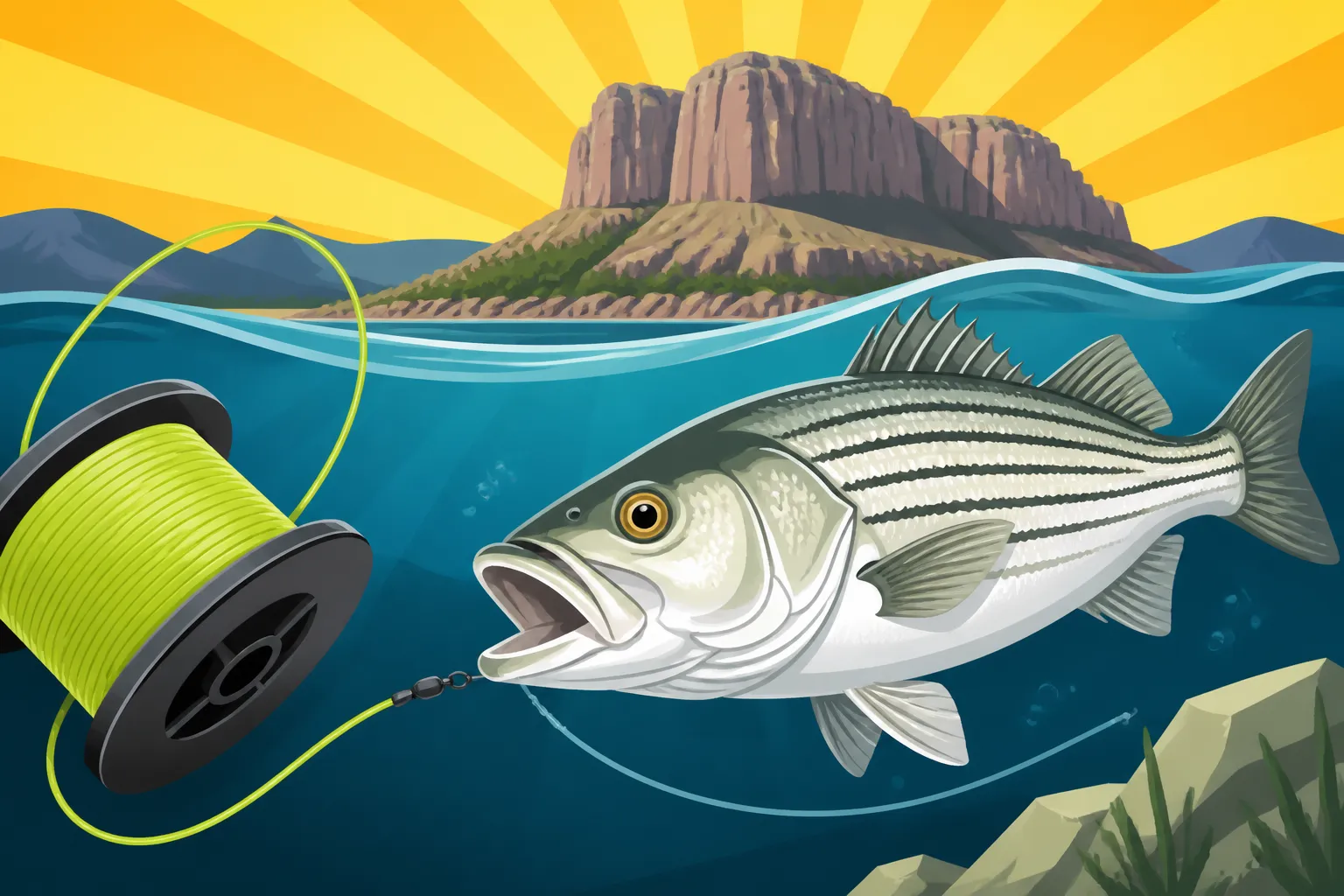
Figuring out the right line test for targeting those powerful Elephant Butte striped bass can feel like a real puzzle, can't it? You want something strong enough to handle their incredible runs and head shakes, but not so heavy that it hampers your casting or makes your lures look unnatural. It's a fine balance, and hitting that sweet spot is key to turning those heart-pounding strikes into landed fish. This guide is all about helping you understand the factors that go into choosing the best line test, so you can head out to Elephant Butte with confidence and tackle those hard-fighting stripers.
The Power of Elephant Butte Stripers: What You're Up Against
Elephant Butte Lake is a legend for a reason, especially when it comes to its striped bass. These aren't your average panfish; they're muscular, aggressive predators that can put a serious bend in your rod and test your knots. Many anglers get caught off guard by the sheer power of a striper, particularly when they make those initial, blistering runs. Understanding what makes them such formidable fighters is the first step in choosing the appropriate line.
Striped Bass Size and Their Signature Fight
When you hook into a striped bass at Elephant Butte, expect a battle. While you might catch smaller "schoolies" in the 1 to 5-pound range, it's not uncommon to encounter stripers pushing into the double digits, with trophy fish reaching much larger sizes. A 15 to 20-pound striper is a legitimate adversary that will use its broad tail and strong body to pull line off your reel with incredible force. They are known for long, sustained runs, often followed by powerful head shakes designed to dislodge the hook. Imagine a freight train hitting your lure and then taking off – that's often what it feels like. You need a line that can absorb that initial shock and withstand the sustained pressure without snapping.
Navigating Elephant Butte's Waters for Stripers
Elephant Butte is a vast reservoir, and while it's generally open water, there are always submerged structures, rocky points, and even old timber that can cause abrasion. While stripers often chase baitfish in open water, they can also relate to structure, especially when ambushing prey. If a hooked striper decides to dive into a brush pile or rub your line against a rocky ledge, a weak or frayed line will be no match. The sheer size of the lake also means you might be making longer casts or trolling substantial distances, requiring line that can stand up to constant stress and the elements. For more on where these fish hang out, check out our Elephant Butte Lake Striped Bass Fishing guide.
Striking the Balance: Recommended Line Tests
When it comes to the best line test for Elephant Butte striped bass, we're talking about finding that sweet spot between strength and castability, sensitivity and stealth. There isn't a single "perfect" answer, as it often depends on your chosen fishing method and the conditions, but there's a reliable range that most successful striper anglers stick to.
Mainline Recommendations for Different Techniques
Your mainline is the workhorse, taking the brunt of the fight. For the majority of striped bass fishing on Elephant Butte, you'll want to be in the 15 to 30-pound test range for your braided main line, or slightly higher for monofilament.
- Trolling and Downrigging: When you're trolling for stripers, often with heavy lures or deep-diving crankbaits, you're putting a lot of strain on your line even before a fish hits. A braided line in the 20 to 30-pound test range is excellent here. Braid's thin diameter for its strength means less water resistance, allowing your lures to dive deeper with less weight. The lack of stretch also gives you incredible sensitivity, helping you detect subtle bites even when your lure is far behind the boat. For instance, if you're pulling a heavy Umbrella Rig, that 30-pound braid will give you the confidence you need.
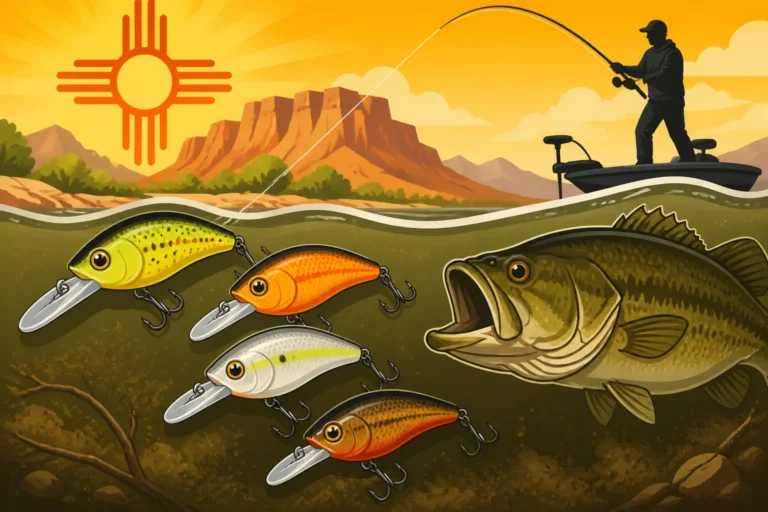
- Casting and Retrieving Lures: If you're casting topwater plugs, swimbaits, or spoons to schooling stripers, 15 to 25-pound braided line is a solid choice. The thinner diameter allows for longer casts, which can be crucial when stripers are busting bait at a distance. The sensitivity of braid lets you feel every twitch of your lure and every bump or subtle take. If you prefer monofilament for casting, bumping up to 20-25 pound test is wise to compensate for its stretch and lower breaking strength compared to braid.
- Live Bait and Dead Bait Fishing: When soaking shad or cut bait, whether from the bank or anchored boat, a 20 to 25-pound braided mainline is often preferred, sometimes even going up to 30-pound if you're targeting truly massive fish or fishing around heavier structure. The sensitivity helps you feel the often subtle pick-up of a bait, and the strength ensures you can handle the ensuing battle. Monofilament in the 25-30 pound range is also a common choice for bait fishing, especially if you like its shock absorption properties for those initial power surges.
The Importance of Leaders and Their Test
While your mainline is crucial, don't overlook the leader! Striped bass can be somewhat line-shy, especially in clearer water, and a good leader provides an invisible connection to your lure while offering better abrasion resistance. Fluorocarbon is the champion here due to its near invisibility underwater and its excellent toughness.
For Elephant Butte stripers, a fluorocarbon leader in the 15 to 25-pound test range is generally ideal. You'll want to match it closely to your braided mainline's effective strength. For example, if you're using 20-pound braid, a 15-20 pound fluorocarbon leader is a good starting point. If you're using 30-pound braid for bigger fish or heavier cover, a 20-25 pound leader gives you that extra margin of safety. The key is to have a leader that's strong enough not to break but light enough to present your lure naturally. This also acts as a shock absorber if your main line is braid, preventing direct shock to your knots.
Factors Influencing Your Specific Line Test Choice
While we've given some general recommendations, fishing is rarely "one size fits all." Several variables can, and should, influence your final decision on line test when chasing striped bass in Elephant Butte.
Lure Weight and Presentation
The weight and type of lure you're throwing play a significant role. A heavier lure, like a large spoon or a hefty swimbait, will require a stronger line to prevent snap-offs during casting and to handle the strain of retrieve, especially if it fouls. Conversely, if you're trying to achieve a very subtle presentation with lighter artificials or smaller live bait, a slightly lighter line might be beneficial for a more natural action. However, always prioritize strength for stripers; it's better to slightly overpower the lure than to lose a trophy fish. Think about the drag your lure creates in the water too; a big lipped crankbait will pull harder than a small soft plastic.
Rod Action and Reel Drag Settings
Your rod and reel work in concert with your line. A rod with a heavy action and strong backbone can handle heavier line and put more pressure on a fish, while a lighter action rod might require a slightly lighter line to prevent overpowering it. Crucially, your reel's drag system needs to be properly set. A correctly adjusted drag is your best friend when fighting a powerful striper. It allows the fish to pull line when it makes a strong run, preventing your line from snapping under sudden pressure. If your drag is too tight, even heavy line can break. If it's too loose, you won't be able to turn the fish or steer it away from hazards. It's a delicate dance between your line's breaking strength and your drag's smooth payout. If you need help picking out a good setup, consider checking out Best Rods and Reels for New Mexico Trout Fishing for general guidance on selecting appropriate gear, though you'll want to scale up for stripers.
Angler Skill and Confidence
Let's be real: some anglers can make a 10-pound line feel like 30-pound, while others struggle with 20-pound. Your personal skill level and confidence in fighting fish can influence your line choice. An experienced angler who knows how to "play" a fish, use their rod to absorb shock, and expertly manage their drag might opt for slightly lighter line tests for sport. A less experienced angler, or someone simply wanting more insurance against break-offs, would be wise to stick to the heavier side of the recommended range. There's no shame in using a stronger line if it gives you peace of mind and increases your chances of landing that fish of a lifetime.
Water Clarity and Structure Presence
While Elephant Butte is a large reservoir, water clarity can vary. In clearer conditions, especially in spring or fall, some anglers prefer to drop down a pound or two in leader test to enhance invisibility. However, for stripers, presentation is often less critical than with, say, highly pressured trout. The more significant factor is usually structure. If you know you're fishing near heavy cover like submerged trees or rock piles, beefing up your line test, especially your leader, is a smart move. That extra strength can mean the difference between landing a fish and watching your line part on a sharp edge.
Decoding Line Types for Striped Bass
Choosing the right line test isn't just about the number; it's also about the material. Different line types have distinct characteristics that make them more or less suitable for specific applications when chasing Elephant Butte stripers.
| Line Type | Key Characteristic | Pros for Stripers | Cons for Stripers |
|---|---|---|---|
| Braided | No stretch, thin diameter | Incredible strength, sensitivity, long casts, durable | Visible, can be expensive, difficult to cut, specific knot needs |
| Monofilament | Stretchy, good knot strength | Shock absorption, forgiving, affordable, easy to tie | High memory, UV degradation, less sensitive, thicker diameter |
| Fluorocarbon | Low visibility, dense | Near invisibility, abrasion resistance, good sink rate | Stiffer, expensive, can be prone to coil memory, difficult knots |
Braided Line: The Powerhouse
Braided line is arguably the most popular choice for serious striped bass anglers today, and for good reason. It's made from multiple strands of synthetic fibers woven together, resulting in a line with almost no stretch.
- Pros for Stripers: The biggest advantage is its incredible strength-to-diameter ratio. You can use 20-pound braided line that's as thin as 8-pound monofilament, which means longer casts and less drag in the water. The lack of stretch translates to superior sensitivity – you'll feel every bump, tick, and subtle bite, even at long distances or in deep water. This is a game-changer when stripers are being finicky. It also offers excellent knot strength and durability, resisting nicks and cuts better than mono in many situations.
- Cons for Stripers: Braided line is often more visible to fish than mono or fluorocarbon, which is why a fluorocarbon leader is almost always recommended. It can also be more expensive initially, though its longevity often balances this out. Tying knots with braid can sometimes be trickier, requiring specific knot types, and if it frays, it can be difficult to cut cleanly without sharp scissors. For a good selection, many anglers head to stores like Bass Pro Shops or browse options on Amazon.
Monofilament Line: The Classic Choice
Monofilament (mono) has been around forever and still has a place in striper fishing, especially for those who prefer its forgiving nature. It's made from a single strand of nylon.
- Pros for Stripers: Mono's most notable characteristic is its stretch. This acts as a shock absorber, cushioning the violent strikes and powerful runs of a striper, which can prevent hooks from tearing out or lines from snapping under sudden pressure. It's generally more affordable than braid or fluorocarbon, has good knot strength with common knots, and is easy to handle and tie.
- Cons for Stripers: The stretch, while sometimes an advantage, can also be a disadvantage, reducing sensitivity and making it harder to detect subtle bites or feel what your lure is doing at depth. Mono also has more memory, meaning it tends to retain the coiled shape of the spool, leading to more tangles or "springing" off the reel. It's also susceptible to UV degradation over time, requiring more frequent replacement than braid.
Fluorocarbon: The Stealthy Leader
While it can be used as a mainline, fluorocarbon truly shines as a leader material for striped bass. It's also made from a single strand, but its molecular structure is different from nylon.
- Pros for Stripers: Its primary benefit is its near invisibility underwater. Fluorocarbon has a refractive index very close to that of water, making it incredibly difficult for fish to see. This is huge for line-shy fish or in clear conditions. It also boasts excellent abrasion resistance, which is vital if stripers dive into structure. Fluorocarbon is denser than water, causing it to sink faster than mono, which can be an advantage for getting lures down quickly.
- Cons for Stripers: Fluorocarbon is generally more expensive than mono. It can also be stiffer and less supple, especially in higher tests, which can affect lure action if not carefully selected. Tying good, strong knots with fluorocarbon sometimes requires practice, as it can be more prone to breaking if knots aren't tied correctly and cinched down properly. You'll find a great selection of fluorocarbon leader material at Bass Pro Shops or through online retailers like Amazon.
Ultimately, the best approach for Elephant Butte stripers often involves a combination: braided mainline for strength and sensitivity, paired with a fluorocarbon leader for invisibility and abrasion resistance. Remember to check the New Mexico Fishing Regulations Overview for any specific rules on line or bait that might apply to particular waters, though for general striper fishing, you'll find plenty of flexibility. For specific tactics, don't forget to look at Best Time of Year to Catch Striped Bass at Elephant Butte to optimize your trips!
Equipping Yourself for Success
Having the right line is just one piece of the puzzle. Matching your line to the rest of your gear is crucial for a balanced setup that maximizes your chances of success.
Rod and Reel Pairing for Optimal Performance
Choosing the right rod and reel is paramount to effectively use your chosen line test. For striped bass at Elephant Butte, you'll generally want a medium-heavy to heavy power spinning or baitcasting rod, typically in the 7 to 8-foot range. This length provides good casting distance and leverage to fight strong fish. The rod's action (moderate-fast to fast) helps you cast heavy lures and provides enough backbone to set the hook firmly.
Pair this with a robust spinning reel in the 4000-6000 size class, or a baitcasting reel designed for heavy freshwater applications. Ensure your reel has a smooth, reliable drag system that can withstand those powerful, sustained runs of a striper. A reel with a good line capacity is also important, as stripers can take a lot of line on their initial bursts. Don't cheap out on your reel; a flimsy drag will cost you fish. Regularly check your drag settings and keep it well-maintained.
Essential Accessories for Line Management
Beyond your rod and reel, a few key accessories can make a big difference in how well you manage your line and prevent frustrating issues.
- Line Cutter/Sharp Scissors: Braided line, in particular, can be tough to cut cleanly. A good pair of sharp fishing scissors or specialized braid cutters will save you a lot of hassle when tying on leaders or re-tying rigs.
- Knot-Tying Tool: While not strictly necessary, some anglers find knot-tying tools helpful, especially for tricky knots like the FG knot used to connect braid to fluorocarbon leader. Practice your knots at home, though, so you're not fumbling on the water.
- Line Conditioner: For monofilament, line conditioner can help reduce memory and improve castability, making your line last longer and perform better.
- Spare Spools: Carrying a spare spool of line, especially for your mainline, is a smart move. If you get a nasty bird's nest or a significant tangle, you can quickly swap spools and get back to fishing without having to re-spool your reel entirely. This can be particularly handy if you're out on the water for a long day or a multi-day trip.
By considering these gear pairings and accessories, you're not just choosing a line test; you're building a cohesive system designed to handle the challenges and triumphs of Elephant Butte striper fishing. The investment in quality line and supporting gear will pay off when that trophy fish is finally in the net. Remember to also keep an eye on other regulations like New Mexico Statewide Bag Limit for Bass to ensure you're always fishing responsibly.
Disclaimer
This article is for general informational purposes only and does not constitute professional advice. Laws, prices and regulations vary by location and change over time. Consult a qualified professional for guidance on your specific situation.