Gear Checklist for Snagging Salmon at Navajo Lake
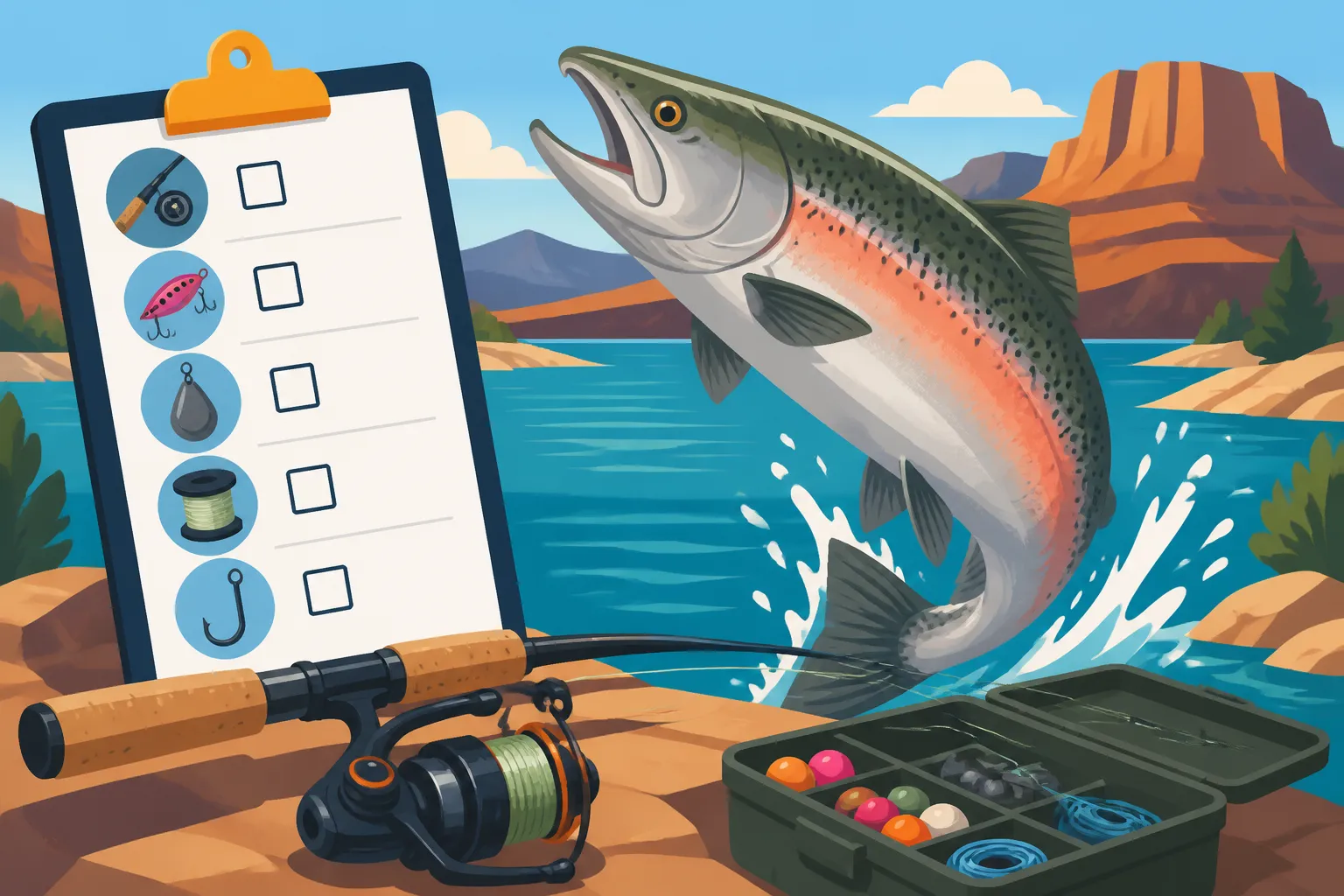
There's nothing quite like the thrill of salmon snagging at Navajo Lake, but getting there only to realize you don't have the right equipment can turn a promising day into a frustrating one. This guide will walk you through a comprehensive gear checklist, ensuring you're fully prepared to tackle the unique challenge of targeting kokanee salmon during their spawning run. We'll cover everything from your rod and reel setup to the terminal tackle and essential accessories, helping you maximize your chances of success and enjoy your time on the water.
The Right Rod, Reel, and Line: Building Your Snagging Foundation
When it comes to snagging kokanee salmon, you're not exactly finesse fishing. This technique requires gear that can handle heavy weights, long casts, and the powerful, determined fight of a spawning salmon. Skimping here can lead to broken lines, lost fish, and a whole lot of head-shaking frustration.
Choosing a Sturdy Rod for Snagging Success
For kokanee snagging at Navajo Lake, you'll want a rod that's significantly different from your typical trout setup. Think longer, stiffer, and more powerful. A medium-heavy to heavy power rod is generally the sweet spot, with a fast or extra-fast action to help you feel the subtle "snags" and set the hook effectively. Many anglers find an 8 to 10-foot spinning rod ideal. This length provides the leverage needed to cast heavier weights a good distance, which is often crucial for reaching deeper schools or covering more water from shore.
Imagine trying to cast a 2-ounce weight with a flimsy 6-foot ultralight rod – it's just not going to happen efficiently or safely. You need that backbone to launch your rig and then absorb the shock of a thrashing salmon. Look for rods designed for heavier freshwater applications, like those for steelhead, catfish, or even some lighter surfcasting rods. Brands like Ugly Stik or St. Croix often have options that fit the bill perfectly without breaking the bank. You can find excellent options online through retailers like Amazon or by visiting a specialist store like Bass Pro Shops, where you can feel the rod in your hand.
Selecting a Dependable Reel and Line
A robust reel is just as important as your rod. You'll need a spinning reel in the 4000 to 5000 size range, capable of holding a good amount of heavy line and featuring a smooth, reliable drag system. When a kokanee hits, especially a large one, they can make powerful runs, and a sticky drag will quickly lead to snapped lines or pulled hooks. Make sure your reel is clean, well-lubricated, and has its drag properly adjusted before you even leave home.
For your main line, many experienced snaggers opt for braided line. A 30 to 50-pound test braided line offers superior strength-to-diameter ratio, allowing for longer casts, and its lack of stretch provides excellent sensitivity, letting you feel every bump and tick as your weight descends. The sensitivity also helps you detect those subtle "snags" on a fish's body. However, because braided line can be more visible in clear water and is prone to abrasion against sharp rocks or fish scales, you'll want to add a leader. A 15 to 25-pound test monofilament or fluorocarbon leader, typically 2-4 feet long, is a good choice. Fluorocarbon offers invisibility underwater and excellent abrasion resistance, while monofilament provides a bit of stretch that can act as a shock absorber. This combination ensures you have the power and sensitivity of braid with the benefits of a less visible, more abrasion-resistant leader where it matters most. For more general advice on setups, check out Best Rods and Reels for New Mexico Trout Fishing.
Snagging Rigs and Terminal Tackle: Getting Down to Business
Once your rod, reel, and line are sorted, it's time to focus on the business end of your setup. The terminal tackle for snagging kokanee is specific and designed for efficiency in reaching and hooking fish that aren't actively biting.
The Critical Role of Heavy Weights
This is where the "heavy" in medium-heavy rod comes into play. To effectively snag kokanee, you need to get your rig down to the depth where the fish are schooling, often 20-50 feet or more, and keep it there despite currents or wind. This necessitates heavy weights, typically ranging from 1 to 3 ounces. Pencil weights, pyramid sinkers, or even large bell sinkers are common choices. The shape often depends on personal preference and how the weight interacts with the bottom structure, if you're bouncing it. Pencil weights can sometimes snag less on rocky bottoms.
The weight serves a dual purpose: it allows for long casts from shore or boat, and it helps you maintain contact with your rig as you jig it through the water column. Without enough weight, your rig will simply drift or take too long to sink, missing the strike zone entirely. Always carry a variety of weights, as conditions at Navajo Lake can change, and you might need to adjust based on current, depth, or wind. Remember, environmental regulations regarding lead weights can sometimes be in effect, so be aware of any restrictions and consider non-lead alternatives if necessary.
Selecting Snagging Hooks
The hooks themselves are, of course, central to the snagging technique. Regulations often specify hook types and sizes for snagging. Generally, you'll be looking for large, strong treble hooks. A size 4 or 2 treble hook is a common choice, though always double-check current New Mexico Fishing Regulations Overview for specific legal sizes and types. It is often a requirement that these hooks be barbless to minimize harm if you accidentally snag a fish you don't intend to keep, or if you simply want to adhere to ethical practices. You can either purchase pre-made barbless treble hooks or crimp down the barbs on standard hooks with a pair of pliers.
The setup usually involves tying your leader directly to a heavy swivel, then having a short dropper line (often heavy monofilament or fluorocarbon) from the swivel to your weight, and another short line to your hook(s). Some anglers prefer to tie the hook directly to the main leader and have the weight below it. Experiment with what works best for you and your local regulations. For a deeper dive into the technique, refer to How to Snag Salmon at Navajo Lake.
Swivels and Leader Material
Beyond the main line and hooks, don't overlook the importance of small but mighty components like swivels and additional leader material. Strong, high-quality barrel or ball-bearing swivels are essential. Snagging involves a lot of jigging and retrieving, which can twist your line significantly, especially with a braided main line. A good swivel will help prevent this tangling, saving you a lot of headaches on the water.
As mentioned earlier, having extra spools of 15-25 pound test monofilament or fluorocarbon leader is a must. You'll be tying new leaders frequently as they get abraded by fish, rocks, or even tangled. Fluorocarbon's abrasion resistance is a huge plus when dealing with snagging, as fish scales and teeth can quickly wear down lighter lines. Making sure your knots are strong and reliable is also critical here; a bad knot is the weakest link in your system.
| Gear Category | Key Item | Specifics for Snagging Kokanee at Navajo Lake |
|---|---|---|
| Rod | Spinning Rod | 8-10 feet, Medium-Heavy to Heavy power, Fast/Extra-Fast action |
| Reel | Spinning Reel | 4000-5000 size, smooth and reliable drag, good line capacity |
| Main Line | Braided Line | 30-50 lb test for strength, sensitivity, and casting distance |
| Leader | Fluorocarbon/Mono | 15-25 lb test, 2-4 feet length, abrasion-resistant |
| Weights | Pencil/Pyramid Sinkers | 1-3 ounces, various shapes, consider non-lead options |
| Hooks | Treble Hooks | Size 4 or 2, strong, sharp, barbless required by regulation |
| Swivels | Barrel/Ball-Bearing | High-quality, strong to prevent line twist |
| Accessories | Pliers/Crimpers | For crushing barbs, cutting line, adjusting components |
Essential Accessories for a Successful Snagging Trip
Having your primary fishing gear sorted is a fantastic start, but a successful and comfortable day on the water, especially at a larger body like Navajo Lake, requires more than just a rod and reel. These accessories are often the difference between a great trip and a frustrating one.
Wading Gear, Boat Essentials, and Safety
Your approach to Navajo Lake will dictate some of your accessory needs. If you plan to fish from the bank, especially in areas where you might wade into the shallows, a good pair of waders and wading boots is indispensable. The water can be cold, even on warm days, and having waterproof protection will allow you to access better casting positions. Choose durable, comfortable waders that won't restrict your movement.
If you're heading out on the boat, safety is paramount. Always ensure you have enough U.S. Coast Guard-approved life jackets for everyone on board. New Mexico has specific Life Jacket Requirements for New Mexico Boaters, so make sure you're compliant. Beyond life jackets, an anchor with plenty of rope is crucial for holding your position over schooling fish, especially if there's wind. A first-aid kit, whistle, and a fire extinguisher (for motorized boats) are also smart additions to your boat safety checklist.
Fish Handling and Storage
Once you've successfully snagged a kokanee, you'll need the right tools to handle it ethically and efficiently. A large, rubberized landing net is highly recommended. The rubberized mesh is much gentler on fish, reducing slime removal and injury if you plan to release some. Even if you're keeping all your catch, it protects the fish from damage and makes it easier to manage a thrashing salmon at the side of the boat or bank. You can find excellent nets for this purpose at Bass Pro Shops or online. For more tips on nets, see Best Landing Nets for New Mexico Catch and Release Fishing.
For keeping your catch, a large cooler filled with ice is non-negotiable. Kokanee salmon are delicious, but they need to be kept cold quickly to maintain their quality. Don't rely on a small lunch cooler; opt for something substantial that can accommodate several fish and plenty of ice for the duration of your trip. A good stringer can also be useful for temporarily holding fish in the water while you continue fishing, but transfer them to ice as soon as practical. For tips on preserving your catch, read Best Coolers for Keeping Fish Fresh in New Mexico.
Comfort, Convenience, and Sun Protection
New Mexico weather can be notoriously unpredictable, especially in the mountains around Navajo Lake. Layered clothing is always a good idea, allowing you to adjust to changing temperatures throughout the day. A waterproof rain jacket and pants are smart to have, as afternoon thunderstorms can pop up quickly.
Sun protection is also critical. The New Mexico sun, especially at higher elevations, is intense. A wide-brimmed hat, polarized sunglasses (to reduce glare and help you spot fish or structure), and plenty of high-SPF sunscreen are absolute musts. You can explore a variety of sun-protective clothing options on Amazon. For more details on protecting yourself, see Best Sun Protection Gear for New Mexico Reservoir Fishing. Don't forget a pair of sturdy pliers or line clippers for cutting line, crimping barbs, or helping to remove hooks. A headlamp or flashlight can also be useful if you plan to fish during low light conditions or need to pack up after sunset.
Additional Considerations for the Savvy Kokanee Snagger
Beyond the core gear, there are a few more things to keep in mind to ensure your kokanee snagging adventure at Navajo Lake is as smooth and successful as possible. A little extra preparation goes a long way.
Staying Updated on Regulations and Conditions
This cannot be stressed enough: always check the latest New Mexico Fishing Season Dates and Limits and specific rules for snagging at Navajo Lake before you go. Regulations, especially those concerning snagging, can change frequently and vary by water body. For instance, the specific dates for New Mexico Salmon Snagging Season are critical, as snagging is only permitted during a very limited window. Pay close attention to hook type (barbless is common), hook size, and bag limits. Violating regulations, even unintentionally, can lead to hefty fines and loss of fishing privileges. Remember that you will also need a valid New Mexico fishing license and often a New Mexico Habitat Stamp and Validation Requirements to fish legally.
Beyond regulations, stay informed about current water conditions at Navajo Lake. Water levels, temperatures, and clarity can all influence where the kokanee are holding and how they might react. While you won't get real-time data from this guide, a quick search online before your trip can provide valuable insights from the New Mexico Department of Game and Fish or local marinas.
Dressing for the Elements
Navajo Lake, nestled in the high desert of New Mexico, can present a wide range of temperatures in a single day. Early mornings can be crisp, even cold, while midday can turn quite warm under the direct sun. Later in the season, you might even encounter chilly winds or sudden snow flurries. Dressing in layers is the best strategy. Start with a moisture-wicking base layer, add insulating layers like fleece, and top it with a waterproof and windproof outer shell. Don't forget a warm hat and gloves, especially for those pre-dawn starts or when navigating windy open water.
Appropriate footwear is also key. If you're bank fishing, sturdy waterproof hiking boots or wading boots are a must. If boating, deck shoes with good grip are important for safety on wet surfaces.
Electronics for Boat Anglers
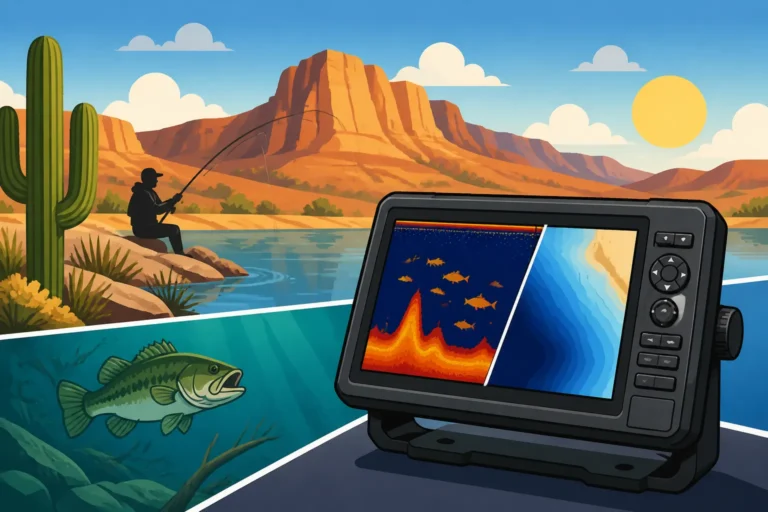
If you're fortunate enough to be fishing from a boat, a good fish finder can be an absolute game-changer for kokanee snagging. These devices excel at showing you schools of fish in the water column, allowing you to pinpoint their depth and adjust your rigging accordingly. Look for models with good sonar capabilities that can clearly mark fish arches and bait balls. Many modern units also offer GPS, which can be invaluable for marking successful spots and navigating the expansive waters of Navajo Lake. While not strictly "gear for snagging," these electronics dramatically increase your efficiency and success rate by helping you locate the fish precisely.
By taking the time to assemble the right gear, understanding the specific requirements for snagging, and staying informed about conditions and regulations, you'll be well on your way to a memorable and productive salmon snagging experience at Navajo Lake.
Disclaimer
This article is for general informational purposes only and does not constitute professional advice. Laws, prices and regulations vary by location and change over time. Consult a qualified professional for guidance on your specific situation.