Best Weight for Salmon Snagging Rigs
The excitement of a New Mexico salmon snagging season, especially for those vibrant Kokanee, is truly something special. But if you’ve ever found yourself struggling to get your rig down to where the fish are holding, or you’re constantly snagging the bottom because your weight isn't quite right, you know the frustration. It can turn what should be an exhilarating experience into a frustrating tangle. This guide is here to walk you through exactly how to choose the best weight for your salmon snagging rigs, ensuring your line is in the strike zone and your chances of success are maximized.
Understanding Salmon Snagging in New Mexico
Salmon snagging isn't like typical hook-and-line fishing, and understanding its unique mechanics is key to choosing the right weight. In New Mexico, this primarily means targeting Kokanee salmon during their specific spawning runs, often at popular spots like Navajo Lake.
The Basics of Salmon Snagging and Why Weight Matters
When Kokanee salmon are on their spawning run, they typically stop feeding. This is why traditional bait or lure fishing often isn't effective. Snagging is a technique where you essentially "foul-hook" the fish, aiming to hook them anywhere on their body as they move through the water in dense schools. It's a method allowed only during designated seasons and in specific waters, and it’s critical to always check the latest New Mexico Fishing Regulations Overview and New Mexico Salmon Snagging Season before heading out.
The role of weight in snagging is paramount. You're not casting a lure to entice a bite; you're casting a heavy rig designed to sink quickly and efficiently to the depth where the salmon are stacked up. Once at depth, you use a sweeping motion of your rod to move the heavy hooks through the school, hoping to connect with a fish. Without the proper weight, your rig either won't get deep enough, will drift too quickly in current, or will be impossible to cast effectively with your gear. It's a delicate balance – too light and you're not in the fish zone; too heavy and you're fighting your tackle and potentially getting hung up more often.
New Mexico's Kokanee Salmon and Their Habits
Kokanee salmon are landlocked sockeye salmon, and in New Mexico, they're a prized catch. During their spawning run, typically in the fall, they congregate in large numbers, often moving from the main lake body into tributaries or shallower sections of the reservoir. This is the prime time for snagging. Understanding their habits is crucial for snagging success. They often "school up" at specific depths, sometimes near drop-offs, underwater structures, or along shorelines as they stage for their final push.
The depth at which these schools hold can vary significantly based on water temperature, light conditions, and the stage of their spawning migration. For instance, early in the Kokanee Salmon Spawning Time at Navajo Lake, they might be deeper in the main lake, while later they might be closer to the surface or in shallower coves. This variability directly impacts the amount of weight you'll need. A heavier rig ensures you can rapidly reach deeper schools and maintain that depth during your sweeping retrieves, especially if there's any sort of current or wind creating drag on your line.
Factors Influencing Your Rig's Weight Choice
Choosing the right weight isn't a one-size-fits-all situation. Several environmental and equipment factors play a critical role in determining what will work best on any given day. Ignoring these can lead to a lot of wasted casts and frustration.
Water Depth and Current
These are, without a doubt, the two biggest factors. Imagine you’re at Navajo Lake, famous for its Navajo Lake Kokanee Salmon Fishing.
- Shallow, Calm Water: If you're targeting Kokanee holding in 10-20 feet of water with minimal current, a lighter weight might be sufficient. Think 1 to 2 ounces. You want just enough weight to get your rig down quickly and keep it there without overshooting the mark and constantly dragging on the bottom. Lighter weights also offer a bit more feel, which can sometimes help you detect a snagged fish, even though you're not looking for a "bite."
- Deep Water or Strong Current: Now, picture trying to hit fish in 40-60 feet of water, perhaps near a dam or a bottleneck where current is noticeable, or on a particularly windy day where your line is being pushed around. Here, you'll need to increase your weight considerably, perhaps to 3 or 4 ounces, or even more in extreme cases. The goal is to get your rig to the desired depth before it drifts past the school and to maintain that depth throughout your sweep. Too little weight, and your rig will "kite" or swing far from your target zone, making it ineffective. This is especially true if you're casting a good distance from shore or a boat.
A good rule of thumb is to start with a moderate weight and adjust. If your rig feels like it's taking forever to sink, or you're not feeling the bottom occasionally in deeper sections (indicating it's drifting too high), go heavier. If you're constantly getting hung up on the bottom or struggling to cast, lighten up a bit.
Rod and Line Setup
Your fishing rod and line aren't just accessories; they're integral parts of your snagging system, and they dictate how much weight you can realistically and effectively use.
- Rod Power and Action: For snagging, you generally want a heavy or medium-heavy power rod with a fast action. This kind of rod has the backbone to cast heavy weights a good distance and the stiffness to execute the sharp, sweeping motions needed to snag fish. A weaker rod will feel overloaded, won't cast well, and might even break under the strain of a heavy weight and a hooked salmon. Think about how much leverage you need to sweep a 4-ounce weight through the water and then manage a struggling 2-pound salmon. A light trout rod, for instance, would be completely outmatched. For more details on rod selection, you might find our guide on Best Rods and Reels for New Mexico Trout Fishing helpful, keeping in mind salmon snagging typically requires heavier gear.
- Line Test: Heavy monofilament or braided line is the standard for snagging. Most anglers opt for 15-30 lb test line. This isn't just for fighting the fish; it's also crucial for managing the heavy weights. Thicker, stronger line handles the shock of casting heavy sinkers and provides the abrasion resistance needed when fishing around rocks or other submerged structures. While a very thin line might cast farther, it risks snapping under the stress of a heavy weight or a violent snag. Braided lines are particularly popular because their lack of stretch offers superior sensitivity, helping you feel your rig at depth, and their incredible strength allows for powerful sweeps and battling feisty Kokanee.
Personal Preference and Casting Distance
While physics dictates much of your weight choice, personal preference certainly plays a role.
- Feel and Control: Some anglers prefer a slightly heavier weight than strictly necessary because it gives them a better "feel" for the bottom and allows them to maintain a more consistent depth during their retrieve. This can be especially true if they're fishing unfamiliar water. The sensation of the weight dragging or bouncing along the bottom provides confidence that the rig is in the right zone.
- Casting Distance: If the salmon schools are holding a good distance from shore or your boat, a heavier weight will often be necessary to achieve the required casting range. Lighter weights, even with perfect casting technique, simply won't reach as far. However, don't just throw on the heaviest weight you can find. Remember that casting too heavy for your rod can lead to poor accuracy, reduced casting distance (due to rod overload), and even equipment damage. It's about finding the optimal balance between weight, casting distance, and your specific rod and reel capabilities.
Recommended Weights for New Mexico Salmon Snagging Rigs
So, with all those factors in mind, what's a good starting point for snagging Kokanee in New Mexico? Let's break down some common scenarios.
The "Sweet Spot" for Most Conditions
For the majority of New Mexico salmon snagging scenarios, particularly at popular spots like Navajo Lake, you'll find that 1.5 to 3 ounces is often the sweet spot. This range allows for:
- Effective Sinking: It's heavy enough to get your rig down to most Kokanee holding depths relatively quickly.
- Manageable Casting: Most medium-heavy to heavy power rods can comfortably cast weights in this range.
- Decent Feel: You still have a reasonable sense of what your rig is doing at the end of your line.
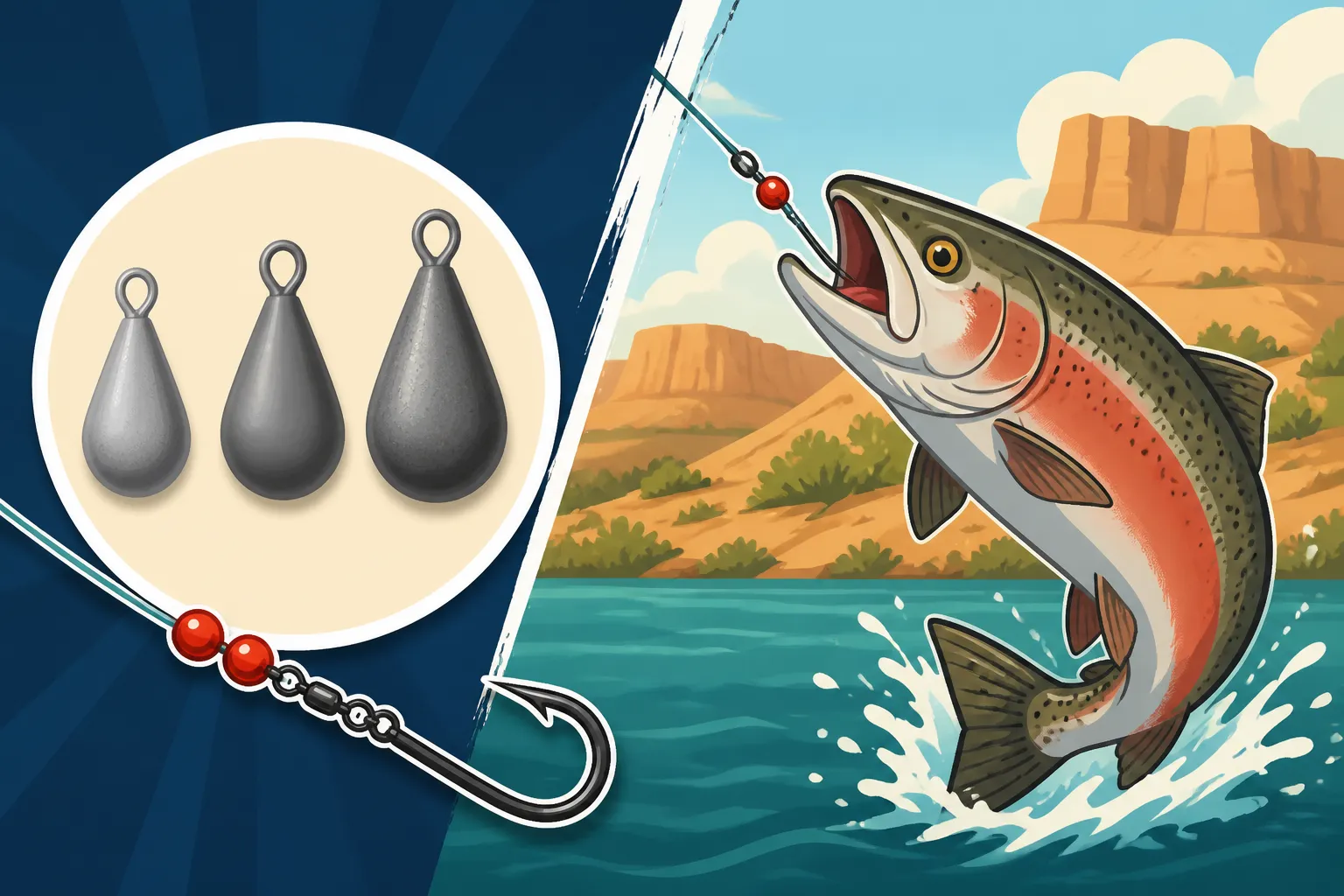
Many anglers will start with a 2-ounce pyramid or bell sinker and adjust from there. Pyramid sinkers are popular because their shape helps them resist rolling in current and reduces snags on rocky bottoms, though any dense, compact weight will work. You can find a good selection of these at local tackle shops or larger retailers like Bass Pro Shops.
Adapting for Specific Scenarios
As we discussed, conditions are rarely constant. Being prepared to adapt your weight is a hallmark of a successful angler.
- When to Go Lighter (1 to 1.5 ounces):
- Shallow Water: If the Kokanee are holding in depths of 10-20 feet, especially closer to shore or in calm, shallower coves.
- Minimal Current: On days with little to no wind and still water, a lighter weight will get the job done without overdoing it.
- Clear Water, Spooked Fish: Sometimes, lighter gear can be less intrusive, though for snagging, the weight itself isn't meant to be subtle.
- Less Fatigue: If you're planning a long day of casting, a slightly lighter weight will definitely reduce arm fatigue!
- When to Go Heavier (3 to 5+ ounces):
- Deep Water: When the salmon are suspended deep, perhaps 40 feet or more, a heavier weight is essential for reaching them and staying in the strike zone.
- Strong Current: If you're fishing areas with noticeable current flow, such as near a dam outlet or in a riverine section of a reservoir, heavier weights combat the pull of the water.
- Windy Conditions: Wind can create significant drag on your line, making it harder for lighter weights to sink vertically. Heavier weights cut through the wind's influence.
- Long Casting Distance: To reach distant schools, a heavier weight will provide the momentum needed for longer casts.
- Specific Locations: Some areas, like certain stretches of the San Juan River during designated snagging periods (if permitted, always check regulations!), might require heavier weights due to increased current. However, always remember that the San Juan River Quality Waters Section often has very specific tackle regulations, so it's crucial to know the difference between general rules and special waters.
Rigging Your Weight Effectively
The type of weight is important, but so is how you rig it. The most common setup for salmon snagging involves a main line, a heavy leader, and your snagging hooks, with the weight positioned to sink the entire assembly.
- Sliding Sinkers: Many anglers prefer a sliding sinker setup. This typically involves threading a pyramid or egg sinker directly onto your main line, followed by a swivel, and then a shorter, heavier leader (often 6-12 inches) tied to your large, unbaited snagging hooks. The sliding weight allows the fish to be hooked without the full resistance of the sinker immediately, which can sometimes result in a better hookset once you sweep.
- Fixed Weights: Others opt for fixed weights, where the sinker is crimped or tied directly above the leader and hooks. This creates a more compact, faster-sinking rig. Both methods are effective; it often comes down to personal preference and how the fish are reacting.
It's a good idea to pre-tie several leaders with different weights before you go, allowing for quick adjustments on the water.
| Condition | Recommended Weight Range (Ounces) | Notes |
|---|---|---|
| Shallow (<20 ft), Light Current | 1.0 – 2.0 | Good for calmer days, shallower holding patterns. |
| Moderate Depth (20-40 ft) | 1.5 – 3.0 | Common starting point, versatile for average conditions. |
| Deep Water (>40 ft) | 3.0 – 5.0+ | Essential for reaching deep schools or in strong winds/current. |
| Strong Current/Wind | 2.5 – 5.0+ | Helps maintain depth and reduces line drag. |
| Long Casting Distance | 2.0 – 4.0 | Provides necessary momentum for extended casts. |
Tips for Optimizing Your Salmon Snagging Rig
Beyond just choosing the right weight, a few additional tips can truly make a difference in your snagging success and overall enjoyment.
Experimentation is Key
No two days on the water are exactly alike. Water levels change, currents shift, wind comes and goes, and the Kokanee themselves move around. What worked yesterday might not work today. This is why being willing to experiment with your weight is absolutely vital.
Start with a common weight, perhaps 2 ounces. If you're not getting your rig down quickly enough, or you're not feeling the occasional "tap" of the bottom, go up to 3 ounces. If you're getting snagged constantly, or your casting feels like you're lobbing a bowling ball, try going down to 1.5 ounces. Pay attention to how quickly your line sinks and how your rod feels during the sweep. Observe if you're hitting the schools or if your rig is drifting past them. Don't be afraid to change weights multiple times during a session until you dial in what's most effective for the current conditions. It’s better to spend a few minutes retying than to waste hours casting an ineffective rig.
Observing Other Anglers and Local Knowledge
One of the best ways to learn is by observing those who are consistently successful. If you're at a popular snagging spot like Navajo Lake, pay attention to what other anglers are using, particularly those who are hooking up frequently. What kind of rods are they using? How are they retrieving their rigs? While you don't want to copy them exactly, their success can provide valuable clues about effective weight ranges, casting techniques, and where the fish are holding.
Don't hesitate to strike up a friendly conversation. Most anglers are happy to share general tips, especially when it comes to something as fundamental as weight selection. Local tackle shops are also invaluable resources; the staff often have up-to-the-minute information on water conditions, fish movements, and what's currently working. They might even have specific brands of sinkers or rig setups that are popular locally, which you could find on their shelves or online through retailers like Amazon.
Essential Gear Beyond the Weight
While weight is the focus, it’s part of a larger system. To truly optimize your salmon snagging rig, ensure the rest of your Gear Checklist for Snagging Salmon at Navajo Lake is up to snuff.
- Strong, Stiff Rod: As mentioned, a medium-heavy to heavy power rod, typically 7-9 feet long, is ideal. It needs the backbone to handle heavy weights and the strength to set hooks and fight powerful fish.
- Durable Reel: A spinning or baitcasting reel with a smooth, powerful drag system and sufficient line capacity (for 15-30 lb test) is crucial.
- Heavy Monofilament or Braided Line: Strong line is non-negotiable for snagging. It handles the stresses of casting heavy weights and fighting strong fish. For braided line, consider a monofilament leader for better abrasion resistance around rocks.
- Large Snagging Hooks: These are specially designed, often unbaited, hooks used for snagging. Ensure they are sharp and strong enough to penetrate a fish's thick skin and hold firm. Always verify the legal requirements for hook size and type in the area you are fishing, as these can vary.
- Pliers/Forceps: Essential for safely removing hooks from fish, and for those inevitable times you need to cut line or adjust something on your rig.
- Measuring Device and Stringer/Cooler: Know the New Mexico Trout Bag and Possession Limits and be ready to measure your catch. A stringer or a cooler with ice is important for keeping your catch fresh.
Getting your weight right for salmon snagging in New Mexico isn't just about throwing the heaviest thing you can find. It’s a thoughtful process of matching your weight to the specific conditions of the water, the habits of the Kokanee salmon, and the capabilities of your gear. By understanding these factors and being willing to experiment, you'll spend less time battling your tackle and more time enjoying the thrill of reeling in those shimmering, hard-fighting Kokanee. Tight lines, and happy snagging!
Disclaimer
This article is for general informational purposes only and does not constitute professional advice. Laws, prices and regulations vary by location and change over time. Consult a qualified professional for guidance on your specific situation.