Best Way to Keep Trout Fresh While Wading
Oh, the age-old dilemma of a dedicated New Mexico angler! You've just landed a beautiful trout—maybe a plump rainbow from the Pecos River or a feisty brown from the San Juan—and you want to take it home for dinner. But you're chest-deep in a stream, actively wading and moving, and suddenly the logistics of keeping that fish fresh become a real headache. It’s a common frustration, isn't it? This guide is all about tackling that very problem, helping you keep your prized catch perfectly chilled and delicious, even when you're far from the cooler in your truck.
The Challenge of Keeping Trout Fresh While Actively Wading
When you’re out there, boots in the water, focused on the next cast, the last thing you want is for your hard-earned catch to spoil before you even get it home. But the reality is, keeping fish fresh while you’re moving around in the elements is genuinely tricky. It's not like you can just drag a huge ice chest behind you!
Why Temperature is the Enemy
Trout, like most fish, are incredibly sensitive to temperature changes once they're out of the water. Their delicate flesh starts to degrade almost immediately if not properly cooled. Think about it: you've pulled that fish from cool mountain stream water, perhaps in the low 50s or 60s, and then it's exposed to air temperatures that could easily be 70, 80, or even 90 degrees Fahrenheit on a typical New Mexico summer day. Your own body heat, the sun beating down, and even just ambient air can quickly warm the fish.
Imagine you've landed a gorgeous rainbow trout in a remote section of the Rio Chama, a place where the water runs cool and clear. You admire it, snap a quick photo, and then, without proper immediate cooling, you might tuck it into an uninsulated creel hanging on your hip. An hour later, after you’ve waded another half-mile downstream and the sun has been beating on that creel, you might open it up to find the fish is already soft and lukewarm. That's not the fresh, flaky dinner you dreamed of. The goal is to rapidly reduce its core temperature and keep it there, preventing bacterial growth and preserving that pristine texture and taste. This isn't just about food safety; it's about honoring the fish and your effort in catching it.
The Limitations of Traditional Methods
For many of us, our first thought for keeping fish might be a simple stringer or a large cooler. But when you’re actively wading, especially in moving water or over uneven terrain, these traditional methods quickly prove impractical. Trying to keep a fish on a stringer in shallow water means it's often half out of the water, exposed to sun and warming. If you’re wading in deeper currents, a stringer can become a snag hazard, or the fish might get battered against rocks. Plus, the whole point of wading is mobility, and a stringer ties you to one spot or forces you to drag a potentially injured fish through tough spots.
Then there's the idea of a big cooler. While fantastic for bank fishing or boat trips, can you honestly imagine trying to navigate a rocky stream bed, cross swift currents, or climb over obstacles with a bulky 20-quart cooler strapped to your back? It’s simply not feasible. The weight, the awkwardness, and the constant fear of tripping or dunking it make it a non-starter for serious wading. We need solutions that integrate with our movement, don't impede our casting, and still get the job done efficiently. This is where specialized gear and smart practices come into play.
Essential Gear for Wading Anglers to Preserve Trout
So, we've established the problem. Now let's talk about the solutions. The good news is that anglers have been refining ways to keep fish fresh while on the move for generations, and modern gear has only made it easier. It's all about bringing the cooling power to your immediate vicinity without sacrificing mobility.
Insulated Creels and Soft-Sided Coolers
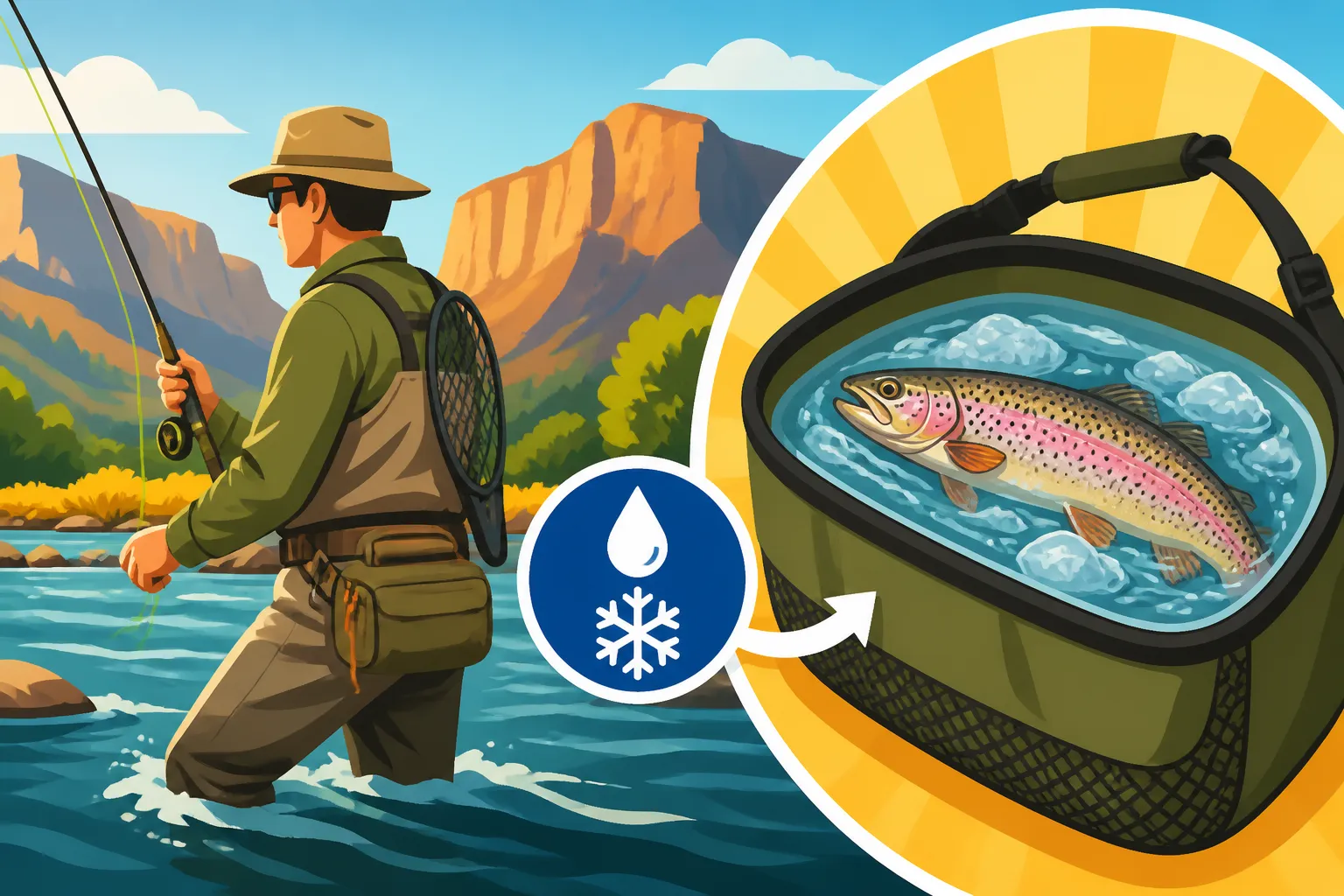
This is probably the most practical and popular solution for wading anglers who want to keep a few trout. Forget the old wicker baskets that just held the fish; modern creels are insulated, often with a waterproof liner, and designed to keep ice or ice packs inside. Many are shaped to hug your back or hip comfortably, distributing weight effectively. They often come with a shoulder strap or can be attached to your wading belt system.
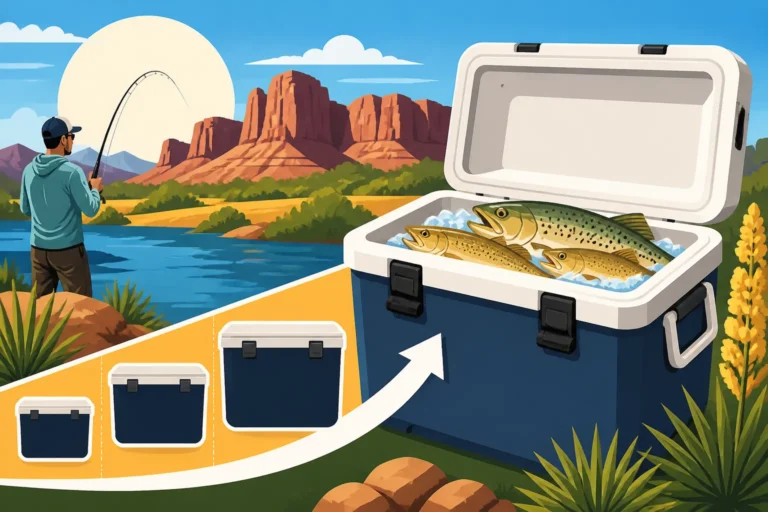
Small, soft-sided coolers also fit this bill perfectly. Look for ones specifically marketed for personal use or as a "lunch cooler" that are roughly 5-10 quarts in size. Brands like Igloo or RTIC offer compact soft coolers that are surprisingly good at holding a chill. The key is insulation and a manageable size. These types of coolers are usually made of durable, water-resistant material, and some even have external pockets for extra gear. When you're ready to buy, checking out outdoor retailers like Bass Pro Shops or scrolling through options on Amazon will give you a good idea of the variety available. Many come with sturdy zippers and clips for easy access, which is crucial when you're standing in the middle of a river. They also often feature drain plugs or easy-to-clean liners, making cleanup after a successful trip a breeze.
Ice Packs and Cooling Agents
An insulated container is only half the battle; you need something to actually create the cold. This is where ice packs, frozen water bottles, or even a small amount of crushed ice come into play.
- Reusable Ice Packs: These are your best friends. Freeze them overnight and place one or two at the bottom of your insulated creel or soft cooler. They stay colder longer than regular ice and don't create a watery mess as they melt.
- Frozen Water Bottles: A simple and effective trick. Freeze a plastic water bottle (make sure it’s not completely full, as water expands when frozen). Not only does it act as an ice pack, but as it melts, you have cold drinking water. Two birds, one stone!
- Crushed Ice: If you're only planning a short wade from your vehicle or have access to ice, a small bag of crushed ice is incredibly effective. Just make sure your container is truly watertight so you don't end up with a soggy fishing vest.
For a longer day, you might even consider a small, self-contained cooling unit that uses gel packs or a similar technology. The key is to pre-chill your container and pack it with enough cooling agent to last the duration of your trip, ensuring your fish stays as cold as possible from the moment it enters the bag. Remember, the colder you can get that fish immediately, the better its quality will be when you get it home.
The Wading Belt Advantage: Attachable Solutions
Modern wading belts aren't just for keeping your waders up; they've become modular systems for carrying essential gear. Many anglers utilize their wading belt to attach smaller, insulated pouches or bags specifically designed for a single fish or two.
Imagine a small, insulated pouch about the size of a loaf of bread, equipped with clips or loops that slide onto your wading belt. You can put a small ice pack in there, and it keeps a single trout perfectly chilled right at your side. This frees up your main vest or pack for other essentials like fly boxes, leaders, and Best Lures for New Mexico Trout. Some setups even allow you to clip a small soft-sided cooler directly to the belt system, positioning it on your lower back or hip so it doesn't interfere with casting or movement. The advantage here is keeping the weight low and close to your center of gravity, which helps maintain balance while navigating tricky currents or slippery rocks. This integrated approach ensures your cooling solution moves with you, always within easy reach when you make that trophy catch.
Best Practices for Field Dressing and Storage While Wading
Having the right gear is a fantastic start, but how you use it and what you do with the fish immediately after catching it makes all the difference. Think of it as a multi-pronged attack against spoilage.
Immediate Field Dressing
This is, hands down, one of the most critical steps to keeping your trout fresh while wading. The moment you decide to keep a fish, you should field dress it. What does this mean? It means bleeding and gutting the fish right there at the stream.
Here’s why it’s crucial and how to do it:
- Bleeding: Blood holds a lot of bacteria and can significantly impact the taste and shelf life of the fish. As soon as you land the trout, make a quick, clean cut across its gills with a sharp knife or even a strong pair of scissors. Hold the fish in the cold stream water for a few minutes, allowing it to bleed out thoroughly. You'll see the water around it turn pink. This rapid bleeding not only improves the flavor but also slows down the enzymatic processes that lead to spoilage.
- Gutting: Once bled, carefully open the fish from the vent to the gills. Remove all the internal organs. Run your thumb along the backbone to remove the kidney tissue (it looks like a dark red line). Rinse the cavity thoroughly with cold stream water.
This whole process takes just a minute or two, but it makes an enormous difference. By removing the guts, you eliminate a major source of bacteria and reduce the internal heat of the fish. A gutted, bled fish cools down much faster and stays fresh significantly longer than an undressed one. Imagine the difference: one fish is a warm, internal bacteria factory, the other is a clean, empty cavity ready to be chilled.
Strategic Placement and Submersion
Once your trout is bled and gutted, the next step is to get it into your insulated creel or cooler and onto ice as quickly as possible.
- Ice First, Fish Second: Always place your fish directly on top of, or nestled amongst, your ice packs or crushed ice. Don't just put it in an empty insulated bag hoping the insulation will do all the work. The direct contact with the cold source is what brings the fish’s core temperature down rapidly.
- Layering: If you're keeping multiple fish, layer them with ice between each one if possible. This ensures consistent cooling throughout the container.
- Submersion (When Possible): If you're in a slow-moving section of a river or by a calm bank, and your soft-sided cooler is truly watertight, you can sometimes partially submerge the entire cooler in the cold stream water. This helps maintain the internal temperature of the cooler by acting as an additional heat sink. Just be absolutely certain no water can get into the fish compartment. Avoid this tactic in swift currents or where there's a risk of losing your gear.
- Shade is Your Friend: Always try to keep your creel or cooler out of direct sunlight. Even with insulation, the sun's rays can significantly warm the exterior, making your ice packs work harder and melt faster. Tuck it behind a rock, under a bush, or against your body where your wading vest might provide some shade.
Minimizing Handling and Exposure
The more you handle a fish after it's caught, and the longer it's exposed to warm air, the more its quality degrades.
- Quick and Efficient: Be quick and efficient from the moment you land the fish to when it's tucked away on ice. Avoid unnecessary delays. If you're taking photos, do so rapidly and then proceed with the field dressing and cooling.
- Don't Overstuff: While it's tempting to keep every legal fish you catch, overstuffing your small wading cooler will prevent proper cooling. If you plan on catching your limit, ensure your cooling solution can accommodate them with enough ice. If your bag is full, and you're far from your vehicle, you might consider practicing Catch and Release Best Practices in New Mexico for any additional fish.
- Strategic Returns: If you're having an exceptionally good day and your insulated wading creel starts to get full, or your ice is showing signs of melting, consider making a strategic return to your base camp or vehicle. You can transfer your fish to a larger, dedicated cooler with plenty of ice, replenish your smaller wading cooler, and then head back out. This might break up your fishing flow, but it's a small price to pay for perfectly fresh fish. This kind of planning ties into overall New Mexico Fishing Season Calendar considerations and knowing what to expect from water and air temperatures.
Alternative Strategies and Considerations
While the focus here is on keeping fish fresh for consumption, it's also worth acknowledging that not every fish needs to be kept, and sometimes, the best strategy for freshness is simply not to keep the fish at all. Furthermore, a little planning can go a long way in ensuring success regardless of your intention.
The Catch-and-Release Mindset
Sometimes, the "best way to keep trout fresh" is to simply not keep them at all. For many anglers, particularly those targeting native or wild trout in special regulation waters, catch and release is the preferred method. It allows you to enjoy the thrill of the catch, admire the beauty of the fish, and then release it unharmed to fight another day. This not only preserves the individual fish but also helps sustain healthy fish populations in our cherished New Mexico waters.
If you opt for catch and release, ensure you're using appropriate techniques to minimize stress and injury to the fish. This includes using barbless hooks, minimizing air exposure, and handling the fish gently with wet hands. For more in-depth guidance, check out resources like Catch and Release Best Practices in New Mexico. Many of the streams in our state, especially certain stretches of the San Juan River or high mountain lakes, thrive because anglers practice responsible catch and release, ensuring future generations can enjoy the same opportunities.
Planning Your Trip for Freshness
A little foresight can drastically improve your chances of bringing home fresh fish.
- Fish During Cooler Times: If you intend to keep fish, plan your trips for cooler times of the day or year. Early mornings or late evenings in summer, or generally during spring and fall, offer naturally lower ambient temperatures, giving your cooling efforts a significant boost. This is particularly true for trout, which prefer colder water. Understanding Best Time of Year to Fish in New Mexico can help you plan.
- Proximity to a Primary Cooler: If possible, choose fishing spots that allow you to periodically return to your vehicle where a larger, well-stocked cooler awaits. This lets you cycle out your smaller wading creel, ensuring a constant supply of ice and ample storage for your catches. For example, when fishing sections of the Rio Grande accessible from multiple points, you can move your vehicle to different access points throughout the day.
- Focus on Specific Fisheries: Some New Mexico waters are better suited for keeping trout due to accessibility or the robust nature of their stocked populations. Knowing the New Mexico Trout Fishing Rules for your chosen location, including bag and possession limits, is also paramount.
Product Spotlight: Specialized Wading Vests and Packs
Beyond standalone creels and soft-sided coolers, many companies now integrate insulated compartments directly into their wading vests and backpacks. These are designed for ultimate convenience, keeping your fish storage seamlessly integrated with your other gear.
- Integrated Design: Some higher-end wading vests feature a large pocket on the back, often with a waterproof, insulated liner. This allows you to place a fish (already bled and gutted) along with a small ice pack directly into the vest, keeping it snug against your back, benefiting from your body's relative coolness compared to direct sunlight.
- Backpack-Style Wading Packs: For anglers who prefer a backpack setup over a vest, many contemporary designs include a dedicated, insulated compartment, sometimes accessible from the side or bottom, specifically for storing fish. This keeps the weight off your chest and allows for more comfortable wading over longer distances or in rougher terrain. You can find a wide array of these specialized vests and packs by browsing outdoor gear on platforms like Amazon or at specialty fly shops. Look for features like durable zippers, drain holes, and adjustable straps to ensure a comfortable and effective fit. The goal is to find a system that allows you to carry your essentials and keep your fish fresh without feeling encumbered, so you can focus on the pure joy of fishing in New Mexico.
| Method | Pros | Cons | Best Use Case |
|---|---|---|---|
| Insulated Creel/Soft Cooler | Lightweight, portable, keeps fish cold with ice packs | Limited capacity, requires ice packs | Day trips, 1-3 fish, active wading in varied terrain |
| Wading Vest with Cooler Pocket | Integrated, hands-free, ergonomic | Very limited capacity, potential body heat transfer | Single fish, short trips, minimal gear |
| Field Dressing + Stream Submersion | No extra gear needed, immediate cooling | Only effective in very cold, clean water; not for transport | Catch-and-release, or very temporary hold before moving to ice |
| Traditional Stringer | Simple, cheap, fish stay in water (partially) | Fish can warm quickly, vulnerable to predators, tangles | Stationary bank fishing, short periods, calm water |
No matter which method you choose, remember that the clock starts ticking the moment a fish leaves the water. Rapid cooling, proper preparation, and smart storage are your best tools for bringing home a delicious, fresh New Mexico trout.
Disclaimer
This article is for general informational purposes only and does not constitute professional advice. Laws, prices and regulations vary by location and change over time. Consult a qualified professional for guidance on your specific situation.