Best Rain Jacket for Monsoon Season Fishing
There’s nothing quite like the thrill of fishing in New Mexico, especially during the vibrant summer months when the high desert comes alive. But if you’ve spent any time on our waters, you know our summer days can turn on a dime. One minute, you’re enjoying glorious sunshine; the next, the sky opens up with a classic monsoon downpour, leaving you drenched, shivering, and wishing you’d stayed home. This guide is all about helping you beat those sudden deluges, ensuring your fishing adventures stay comfortable and enjoyable, no matter what the New Mexico sky decides to throw at you.
Understanding New Mexico's Monsoon Season for Anglers
New Mexico's monsoon season, typically running from July through September, is a force of nature that any angler needs to respect. It's a time of dramatic thunderstorms, heavy rains, and sometimes even hail, all of which can pop up with little warning. Being unprepared can quickly turn a memorable day on the water into a miserable, or even dangerous, ordeal.
What to Expect from Summer Storms
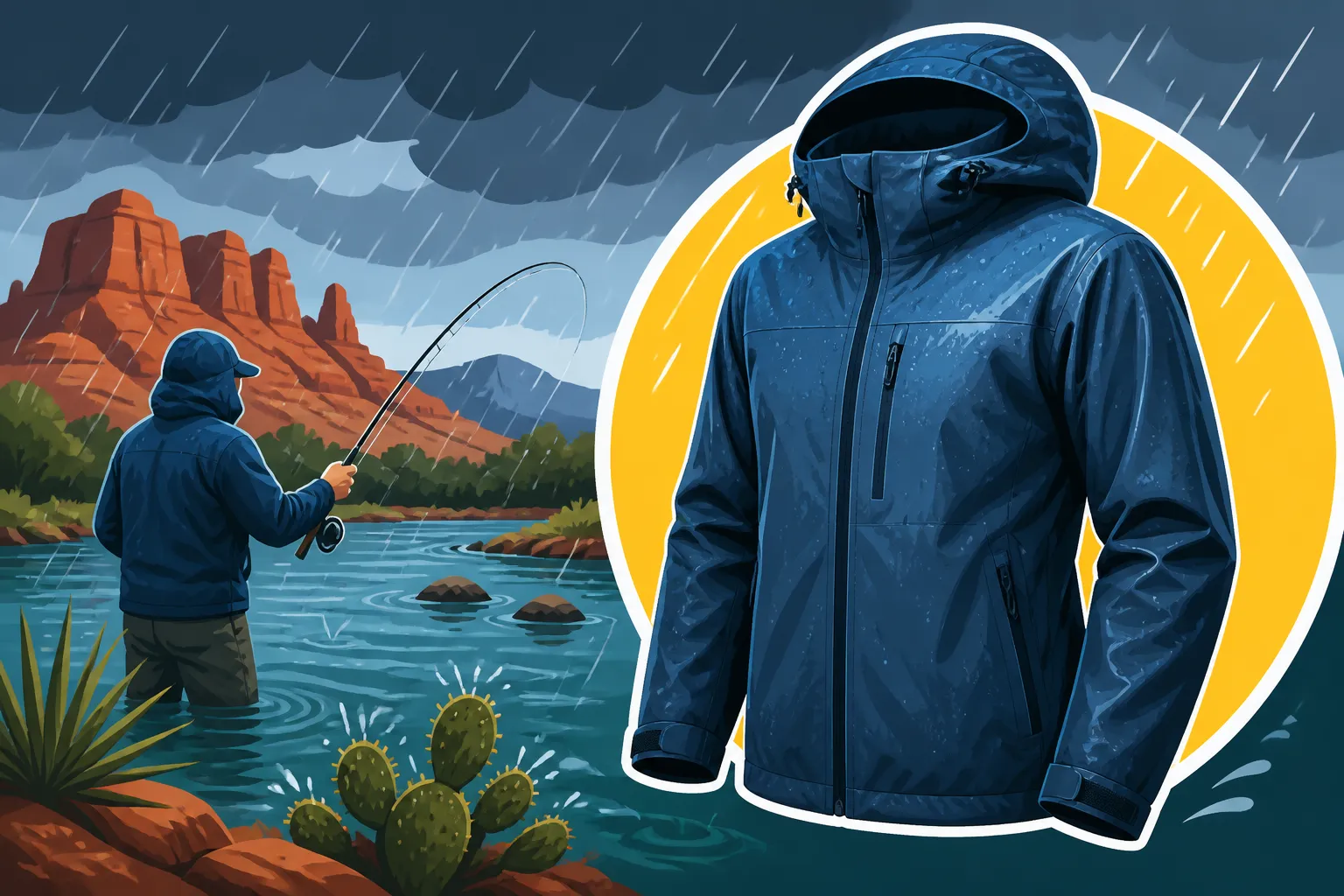
Unlike a gentle, all-day drizzle you might find in other regions, New Mexico's monsoon storms are often characterized by their intensity and suddenness. You could be out on Elephant Butte Lake, enjoying clear skies, and within minutes, towering cumulonimbus clouds can build up, bringing a torrent of rain, strong winds, and flashes of lightning. These storms, while often brief, dump a significant amount of water in a short period. Humidity levels also tend to climb, making the air feel thick and sticky, even after the rain has passed. This combination of heavy rain, wind, and humidity presents unique challenges for choosing the right fishing apparel. You need something that blocks the water but doesn't make you feel like you're wrapped in a plastic bag.
Imagine you're wading in the San Juan River or casting lines from shore at Navajo Lake when the first big drops hit. The air temperature might still be warm, but the heavy rain combined with wind can rapidly chill your core, especially if your clothes become saturated. Lightning is also a serious concern, especially on open water or high ridges when you're hiking to those secluded trout streams. Being able to quickly shed or don protective gear, and having that gear truly perform, is paramount. For a broader look at how the seasons affect fishing, check out New Mexico Fishing by Season.
The Impact of Wet Weather on Your Fishing Experience
Getting soaked to the bone isn't just uncomfortable; it genuinely detracts from the fishing experience. When you're cold and clammy, your focus shifts from the subtle strike of a trout or the tug of a bass to simply trying to stay warm. Your hands might lose dexterity, making it harder to tie knots or handle fish properly. More importantly, prolonged exposure to wet and cool conditions, even in summer, can lead to hypothermia, a serious medical condition. It can make you feel sluggish, impair judgment, and compromise your safety, especially if you're alone or far from shelter.
Beyond the physical discomfort, wet weather often means you're forced to cut your trip short. No one wants to spend hard-earned leisure time shivering in their truck or at camp because their "waterproof" jacket failed. Having a reliable rain jacket means you can push through those passing showers, stay out longer, and enjoy more quality fishing time. It's about maintaining morale and maximizing your time on the water, whether you're trying to catch trophy walleye at Conchas Lake or searching for smallmouth bass at Abiquiu Lake. Understanding how these weather patterns specifically impact your time outdoors is crucial, and you can learn more about this in How Does Monsoon Season Affect New Mexico Fishing?.
Key Features of a Great Fishing Rain Jacket
Choosing a rain jacket for New Mexico's monsoon season isn't about grabbing the first "waterproof" item you see. It requires a discerning eye for specific features that stand up to our unique conditions. You're looking for a blend of protection, comfort, and functionality that cheap imitations simply can't offer.
Waterproofing vs. Water Resistance
This is probably the most critical distinction. Many jackets are labeled "water-resistant," meaning they've been treated with a Durable Water Repellent (DWR) coating that causes water to bead up and roll off. This is great for a light mist or a quick dash from the car, but it won't save you in a monsoon downpour. For true protection, you need a waterproof jacket. These jackets feature a membrane (like Gore-Tex or similar proprietary technologies) laminated to the fabric, which prevents water molecules from passing through while allowing smaller vapor molecules (sweat) to escape. Just as important are fully taped seams, which means all the stitching inside the jacket is sealed with a waterproof tape. Without taped seams, water will inevitably seep through the needle holes.
When you're facing a sudden, heavy rain shower on a New Mexico lake, you don't want to wonder if your jacket will hold up. A truly waterproof jacket acts as an impenetrable barrier, keeping you completely dry underneath. Brands like Patagonia, Simms, and Columbia often use these advanced membrane technologies. Remember, that DWR coating needs occasional reapplication, even on waterproof jackets, to help the outer fabric shed water effectively and maintain breathability. For comprehensive gear advice beyond just jackets, take a look at Best Fishing Gear for New Mexico Anglers.
Breathability
Here's where many anglers go wrong. While waterproofing is essential, breathability is equally vital, especially in New Mexico's warm and often humid monsoon climate. A completely waterproof but unbreathable jacket, essentially a fancy garbage bag, will keep the rain out but trap all your body heat and sweat inside. You'll end up just as wet from the inside as you would have been from the rain. High-quality waterproof membranes are designed with microscopic pores that are too small for liquid water to pass through but large enough for water vapor (sweat) to escape. This allows you to stay dry from both the outside elements and your own exertion.
Think about hiking into a remote stream in the Gila National Forest; you're exerting yourself, generating heat, and sweating. If your jacket isn't breathable, that sweat has nowhere to go. You'll quickly feel clammy, sticky, and uncomfortable. Excellent breathability prevents that clammy feeling, regulates your body temperature, and significantly enhances your overall comfort, allowing you to focus on the fishing rather than your discomfort. Many manufacturers offer different levels of breathability, so consider your activity level. If you're primarily boat fishing, perhaps slightly less breathability is acceptable compared to active wading or hiking.
Durability and Mobility
Fishing gear takes a beating, and rain jackets are no exception. You'll be brushing against thorny mesquite on the riverbank, leaning against rough boat surfaces, or reaching and casting repeatedly. A flimsy rain jacket will quickly tear or wear out, losing its protective qualities. Look for jackets made from robust fabrics with ripstop weaves, especially in high-wear areas like the shoulders, elbows, and cuffs. These reinforced areas will greatly extend the life of your jacket.
Mobility is also critical. Your rain jacket shouldn't restrict your casting motion or make it difficult to perform essential fishing tasks. Look for features like articulated elbows, which are pre-bent to allow for a natural range of motion, and a fit that allows for layering underneath without being overly baggy or restrictive. If you're going to be wearing a personal flotation device (PFD) while boat fishing, make sure the jacket design accommodates it comfortably, allowing full arm movement and access to pockets. The last thing you want is your jacket hindering your ability to land that big fish.
Practical Fishing-Specific Features
Beyond the core waterproof and breathable materials, a great fishing rain jacket will include thoughtful features designed specifically for anglers:
- Hood Design: A good hood should be adjustable to fit snugly over a hat (especially a baseball cap or wide-brimmed fishing hat) without obscuring your peripheral vision. It should have cinches that allow you to tighten it around your face and over your head so it stays put in windy conditions without flapping.
- Pocket Placement: Pockets should be strategically placed to be accessible even when you're wearing a PFD or wading belt. Waterproof zippers on these pockets are crucial to protect your phone, wallet, or tackle from getting wet.
- Cuff Closures: Adjustable cuffs, often with Velcro or Neoprene, are vital. They should create a tight seal around your wrists to prevent water from running up your sleeves when casting or releasing a fish. Some premium jackets even have internal gasket cuffs for extra protection.
- Drawcords and Hem Adjustment: An adjustable hem with a drawcord allows you to cinch the bottom of the jacket tight, preventing wind and rain from blowing up underneath. This is especially useful in windy conditions on large reservoirs like Elephant Butte Lake or Ute Lake.
- Zipper Quality: High-quality, waterproof or water-resistant zippers (like YKK AquaGuard) are a must for the main closure and pockets. A storm flap over the main zipper provides an extra layer of protection.
These seemingly small details make a huge difference in real-world fishing scenarios, keeping you comfortable and focused on the bite.
Types of Rain Jackets for New Mexico Fishing
Just like there are different types of fishing, there are different types of rain jackets, each suited to slightly different needs and conditions you might encounter while fishing New Mexico's diverse landscapes. Choosing the right one depends on your typical fishing style and how much space and weight you're willing to carry.
Lightweight Packable Jackets
These are the minimalist's dream. Lightweight packable jackets are designed to be extremely compact and easy to carry, often stuffing into their own pocket or a small stuff sack. They're typically made from thinner, lighter waterproof-breathable membranes, making them perfect for unexpected showers or when space and weight are at a premium. If you're backpacking into a high mountain lake or simply want a "just in case" option that lives in your fishing pack, this is your go-to.
While they might not offer the same bomb-proof durability or extensive features of heavier jackets, their sheer convenience is unmatched. Many feature a basic hood, a couple of hand pockets, and elastic or simple adjustable cuffs. They excel at providing quick protection when a storm rolls in suddenly. Think of it as your emergency shield against a surprise downpour while exploring the Pecos River wilderness or hiking to a remote Gila trout stream. For those long treks, a good fishing backpack is also key, as discussed in Best Fishing Backpack for Hiking to High Lakes.
Mid-Weight All-Rounders
The mid-weight rain jacket is often the sweet spot for many New Mexico anglers. These jackets strike a fantastic balance between protection, features, and reasonable bulk. They typically use slightly more durable fabrics and incorporate more fishing-specific features like multiple waterproof pockets, more robust hood adjustments, and better cuff seals. They’re still breathable enough for active fishing but offer a higher level of protection and durability than their ultralight counterparts.
These jackets are ideal for boat fishing on our large reservoirs like Navajo Lake or Conchas Lake, where you might be out for hours and want dependable protection against prolonged rain and wind. They’re also great for general bank fishing or wading where you're not covering vast distances but still need solid protection. Many popular fishing jacket brands offer excellent options in this category, and you can often find a good selection at stores like Bass Pro Shops, where you can try them on and get a feel for the fit and features.
Heavy-Duty Foul Weather Gear
At the top end of the spectrum is heavy-duty foul weather gear. These jackets are built for extreme conditions, designed to withstand relentless, all-day rain, gale-force winds, and saltwater environments. They feature the most robust waterproof-breathable fabrics, often with multiple layers, heavily reinforced stress points, and extensive features like storm flaps over all zippers, high collars, and often integrated fishing tool attachments. While incredibly protective, they are also the bulkiest, heaviest, and most expensive option.
For typical New Mexico monsoon fishing, this might be overkill. Our storms, while intense, are often short-lived. However, if you plan to fish during very cold, wet periods, or if you're out on a large lake in truly adverse conditions for extended periods, this gear offers the ultimate in protection. You might see this type of gear on professional guides or those who spend weeks on the water in unpredictable weather. For most casual to serious New Mexico anglers, a mid-weight all-rounder will provide more than sufficient protection without the added bulk or cost.
Choosing the Right Rain Jacket for Your New Mexico Adventures
Picking out the perfect rain jacket for fishing in New Mexico is a personal decision, but there are some universal considerations that will help you make an informed choice. It’s an investment in your comfort and enjoyment, so it's worth taking the time to get it right.
Budget and Investment
Let's be real: a good rain jacket isn't cheap. High-quality waterproof-breathable fabrics and construction come with a price tag. It's tempting to opt for a budget-friendly option, but often, those cheaper jackets sacrifice true waterproofing, breathability, or durability. You might save some money upfront, only to find yourself soaked and miserable during the first real downpour, leading you to buy a second, more expensive jacket anyway. View a quality rain jacket as an investment in your fishing experience. It's a piece of gear that, if properly cared for, will last for many seasons.
Consider how often you'll be fishing during the monsoon season and what level of comfort is worth to you. Sometimes, spending a bit more on a jacket from a reputable brand means you're getting proven technology and reliability. While Amazon offers a vast selection across all price points, sometimes a specialized retailer like Bass Pro Shops can provide expert advice and the opportunity to physically inspect and compare different models, helping you understand where your money is going. Don't forget to factor in other essential gear, like the right fishing cooler, which you can learn more about in Best Cooler Size Needed for a Fishing Trip.
Fit and Layering
The fit of your rain jacket is more important than you might think. It needs to be roomy enough to accommodate layers underneath – a base layer, a fleece, or even a puffy vest – without feeling tight or restricting movement. However, it shouldn't be so baggy that it catches on everything or flaps excessively in the wind. Many brands design their fishing-specific jackets with an "active fit" that allows for a good range of motion.
When trying on a jacket, wear the layers you typically fish in. Simulate casting motions, reach overhead, and bend down. Pay attention to how the shoulders and arms feel. Can you comfortably reach all your pockets? Does the hood move with your head, or does it restrict your vision? A proper fit ensures maximum comfort and performance, allowing the jacket to do its job without impeding yours. For example, if you plan on some early morning tailwater fishing on the San Juan River, you'll definitely want room for layers to stay warm, even in summer, as highlighted in Staying Warm on Cold Tailwater Mornings.
Care and Maintenance
Even the best rain jacket needs a little love to maintain its performance. Over time, dirt, oils, and repeated washing can degrade the DWR coating on the outer fabric, causing water to "wet out" (soak into the fabric instead of beading up). While the internal membrane will still keep you dry, a wet outer fabric reduces breathability and makes the jacket feel heavier and colder. Regularly clean your jacket according to the manufacturer's instructions, typically with a specialized technical wash.
After cleaning, you may need to reactivate the DWR by tumble drying on a low heat or applying a spray-on or wash-in DWR treatment. This simple maintenance routine will prolong the life of your jacket and ensure it continues to perform optimally, season after season. Taking care of your gear is just as important as choosing the right gear in the first place, ensuring you're always ready for New Mexico's unpredictable weather.
| Feature | Water-Resistant Jacket (Entry-Level) | Waterproof Jacket (Mid-Range) | Heavy-Duty Foul Weather Gear (Premium) |
|---|---|---|---|
| Monsoon Performance | Light showers, brief mist | Moderate to heavy rain, sustained | Extreme downpours, relentless wind/rain |
| Primary Protection | DWR coating | Waterproof-breathable membrane, taped seams | Multi-layer membrane, reinforced, taped |
| Breathability | Moderate to Low | High | Very High |
| Durability | Basic | Good, ripstop fabrics | Excellent, reinforced stress points |
| Mobility | Good (lighter fabric) | Excellent (articulated features) | Good (can be stiffer due to layers) |
| Pocket Accessibility | Limited, often not waterproof | Good, waterproof zippers | Excellent, specialized access, storm flaps |
| Weight/Packability | Very lightweight, highly packable | Mid-weight, reasonably packable | Heavy, less packable |
| Typical Use Case | Quick errands, casual stroll | Day-long fishing, active wading | Offshore, extreme conditions |
Disclaimer
This article is for general informational purposes only and does not constitute professional advice. Laws, prices and regulations vary by location and change over time. Consult a qualified professional for guidance on your specific situation.