Best New Mexico Lakes for Bass
It can feel like a real treasure hunt trying to pinpoint the absolute best spots for bass fishing in a state as vast and varied as New Mexico. With its high desert landscapes, deep canyons, and a surprising number of reservoirs, figuring out where to cast your line for a truly rewarding bass experience can be tough. This comprehensive guide is designed to cut through the confusion, offering a deep dive into New Mexico's premier bass lakes so you can spend less time searching and more time reeling in those hard-fighting largemouth, smallmouth, and striped bass.
Understanding New Mexico's Bass Fishing Landscape
New Mexico might not be the first state that comes to mind when you think of trophy bass, but don't let that fool you. We have some truly fantastic opportunities, especially for those willing to learn the unique characteristics of our high-desert reservoirs and river systems. Unlike many other states with expansive natural lakes, our bass fisheries are primarily man-made impoundments, each with its own personality and challenges. From the massive depths of Elephant Butte to the clear, rocky structures of Navajo Lake, understanding these differences is key to consistent success.
The Diversity of Bass Species
When we talk about bass in New Mexico, we're not just talking about one type of fish. Our waters are home to a thrilling variety, each offering a different kind of fight and requiring specific techniques to tempt them onto your line. Knowing what species you're targeting can significantly increase your chances of a successful outing.
Largemouth Bass
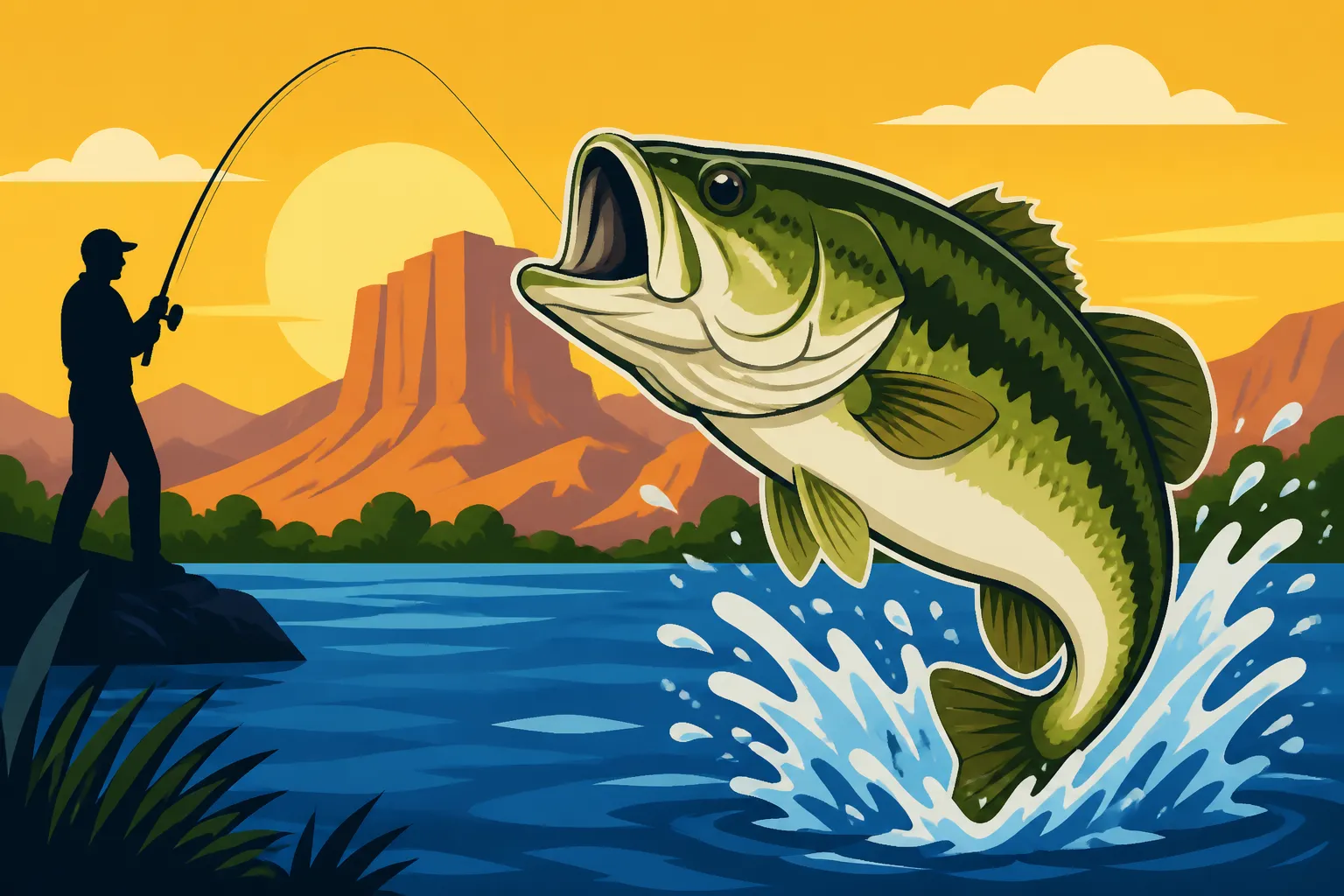
Ah, the largemouth! The classic "bucketmouth" is probably what most anglers picture when they think of bass. These chunky, aggressive fish love cover – think submerged timber, weed beds, brush piles, and rocky outcroppings in shallower water. They're ambush predators, waiting patiently for an unsuspecting meal to swim by. In New Mexico, you'll find largemouth in many of our warmer, shallower coves and arms of larger reservoirs, especially those with some vegetation. They are known for their explosive topwater strikes and powerful runs into cover.
Smallmouth Bass
Often called "bronze backs," smallmouth bass are leaner, meaner, and arguably fight even harder pound-for-pound than their largemouth cousins. They prefer cooler, clearer water and are typically associated with rocky structures, points, drop-offs, and current. You'll find them holding tight to boulders, ledges, and rocky shorelines in many of New Mexico's deeper, clearer lakes. Smallmouth fishing often involves more finesse, using jigs, tubes, and small crankbaits that imitate crawfish or baitfish. Their fighting style is characterized by powerful dives and acrobatic jumps.
Striped Bass
Now, these are a different beast entirely! Striped bass, or "stripers," are more pelagic, meaning they roam open water in schools, often chasing shad or other baitfish. They can grow to impressive sizes, offering a truly brutal fight that tests your gear and your stamina. You'll find these hard-hitting predators primarily in our largest reservoirs, like Elephant Butte Lake and Ute Lake, where they thrive in the deep, open water. Targeting stripers often involves trolling, casting large swimbaits, or even vertical jigging spoons in deep water. They are a magnificent sportfish and a bucket-list catch for many New Mexico anglers. To learn more about specific techniques, check out our guide on Striped Bass Fishing in New Mexico.
Elephant Butte Lake: New Mexico's Striper Mecca
When it comes to bass fishing in New Mexico, especially if you're chasing something truly big, Elephant Butte Lake is impossible to ignore. This massive reservoir, the largest in New Mexico, is renowned for its incredible striped bass fishery, though it also holds a healthy population of largemouth and smallmouth. It's a vast body of water, and understanding its nuances is crucial for success.
Chasing Striped Bass at Elephant Butte
Elephant Butte is the undisputed champion for striped bass in New Mexico. These powerful fish thrive in the lake's expansive open waters and forage heavily on the abundant gizzard shad. The sheer size of this lake can be intimidating, but it also means there are endless opportunities once you learn where to look.
Locating the Schools
Stripers are nomadic, constantly on the move in pursuit of baitfish. The most effective way to find them often involves covering a lot of water. During the cooler months, you might find them deeper, congregating in schools over submerged river channels or deep points. As the water warms in spring and fall, they'll often move into shallower areas to feed aggressively. Using a good fish finder is almost a necessity here, helping you pinpoint schools of baitfish and the stripers lurking beneath them. Many anglers find success by trolling large crankbaits or swimbaits behind their boats, covering various depths until they hit a school. Live bait, particularly shad if you can net them, can also be deadly. Look for diving birds or boils on the surface – these are tell-tale signs of stripers pushing bait to the surface. For deep water fishing, spoons or heavy jigs dropped directly into schools shown on your electronics can produce furious action. When you're ready to explore different techniques, consider our Trolling Techniques for New Mexico Lakes guide.
Seasonal Strategies for Stripers
The best time of year to catch stripers at Elephant Butte often depends on what you're looking for. Spring and fall offer some of the most consistent action, with fish moving shallower to feed. This is when topwater action can explode, especially during low light conditions. Imagine a serene New Mexico sunrise, and then suddenly, the water erupts with stripers crashing bait on the surface – it's an unforgettable experience. In the summer heat, stripers will retreat to deeper, cooler waters, often holding around the dam or in the main lake channel. Night fishing can be incredibly productive during these warmer months, as stripers come up to feed under the cover of darkness. Winter offers a challenging but rewarding bite, with fish holding very deep, often requiring vertical jigging or slow trolling with downriggers. For those who want to find a local expert to help them navigate this massive lake, platforms like FishingBooker can connect you with experienced guides who know the seasonal patterns of Elephant Butte's stripers intimately.
Largemouth and Smallmouth Opportunities
While stripers often steal the spotlight, Elephant Butte also offers excellent fishing for largemouth and smallmouth bass. These fish tend to inhabit different areas of the lake, preferring the protection of coves and rocky structures.
Largemouth in the Coves
The coves and shallower arms of Elephant Butte, particularly those with brush and submerged timber, are prime largemouth territory. During the spring spawn, you'll find largemouth moving into these areas, making them vulnerable to jigs, Texas-rigged plastics, and even spinnerbaits. As summer progresses, they'll often retreat slightly deeper into cover or under shaded ledges. The northern reaches of the lake, where the Rio Grande feeds in, can also be productive for largemouth, especially if there's sufficient water flow and cover. Fishing the transitions where rocky points meet brush-lined banks can be particularly effective.
Smallmouth on the Rocks
Smallmouth bass at Elephant Butte love the rocky main lake points, bluffs, and extensive riprap areas, especially near the dam and along the eastern shore. They'll hold tight to these structures, ambushing crawfish and small baitfish. Tubes, grubs, drop shots, and small crankbaits are excellent choices for targeting these bronze-backed fighters. Focus on areas with broken rock and ledges, working your bait slowly along the bottom. During cooler months, smallmouth can be found deeper, but in spring and fall, they'll push shallower onto the rocks. The fight from an Elephant Butte smallmouth is legendary, often involving powerful dives and aerial acrobatics.
Navajo Lake: Deep Waters and Rocky Shores
Nestled in the picturesque high desert of northern New Mexico, Navajo Lake is another fantastic destination for bass anglers. Known for its clear, deep waters and dramatic canyon walls, this lake is a haven for smallmouth bass, offering a truly unique and challenging fishing experience. While largemouth are present, smallmouth are the dominant black bass species here, and they grow to impressive sizes.
Smallmouth Bass Galore
Navajo Lake's abundant rocky structure and clear water create ideal habitat for smallmouth bass. Anglers from across the region flock here specifically to target these hard-fighting fish, which are known for their strong pulls and aggressive strikes.
Structure Fishing for Smallmouth
The key to unlocking Navajo Lake's smallmouth potential lies in understanding its underwater topography. The lake is essentially a drowned canyon system, meaning there are countless points, humps, ledges, and sheer rock walls. Smallmouth will relate heavily to these features. Focus on main lake points that extend into deep water, submerged islands, and rocky ledges. Drop-shotting, Ned rigs, and tube jigs are incredibly effective here, allowing you to present baits subtly near structure. Look for areas where the bottom transitions from rubble to larger boulders, or where a shelf drops off into deeper water. In the spring, smallmouth will move into shallower rocky coves and flats to spawn, offering opportunities for crankbaits and spinnerbaits. As the water warms, they'll often suspend over deeper structure or move into the shade of the canyon walls. Considering a guided trip can provide invaluable insight into navigating these complex structures; a site like FishingBooker can help you find local guides specializing in Navajo Lake's smallmouth.
Targeting Specific Areas
The vastness of Navajo Lake can be overwhelming, but certain areas consistently produce quality smallmouth. The Pine River arm, with its extensive rocky banks and submerged timber, is a favorite among many anglers. The main channel near the dam also holds excellent fish, especially in deeper water. The San Juan arm offers a mix of rocky and brushy cover, providing opportunities for both smallmouth and some largemouth. Remember that water levels can fluctuate, so always check conditions before heading out. Fishing during the early morning or late evening often yields the best results, as smallmouth become more active and less wary during low light conditions. For more details on this particular fishery, consider exploring our Navajo Lake Fishing Guide.
Other Bass Species and General Tips
While smallmouth dominate, Navajo Lake does have a population of largemouth bass, especially in the shallower, brushier coves in the upper reaches of the Pine and San Juan River arms. These largemouth will behave more traditionally, preferring cover and warmer water.
Seasonal Considerations
Spring is prime time for both smallmouth and largemouth as they move shallow for the spawn. During this period, reaction baits like crankbaits and spinnerbaits can be very effective, especially when fished around rocky points and submerged brush. Summer sees bass move deeper or into shaded areas, and finesse techniques like drop-shotting become more critical. Fall offers another surge of activity as bass feed heavily in preparation for winter, with fish often found shallower again. Winter fishing is tougher, but deep jigging can still produce results for patient anglers. The clear water of Navajo Lake often means lighter lines (6-8lb fluorocarbon) and a more subtle approach are required.
Conchas Lake: Eastern New Mexico's Bass Haven
Heading east in New Mexico, Conchas Lake offers a different but equally exciting bass fishing experience. This sprawling reservoir on the Canadian River is a favorite among local anglers for its diverse bass populations, including healthy numbers of largemouth, smallmouth, and even some striped bass, though not to the extent of Elephant Butte. Conchas Lake is known for its incredible structure, from rocky points to submerged timber and vast flats.
Largemouth and Smallmouth Opportunities
Conchas Lake is a truly versatile bass fishery, appealing to anglers who enjoy targeting both largemouth and smallmouth. The lake's varied habitat provides ample opportunities for both species.
Finding Largemouth in Cover
The largemouth bass at Conchas thrive in the lake's numerous coves, creek arms, and areas with submerged timber and brush. Look for these fish in the upper reaches of the river arms, particularly the Conchas and Canadian River arms, where there's more fertile water and plenty of cover. Spinnerbaits, jigs, and Texas-rigged soft plastics are excellent choices when targeting largemouth around brush piles, flooded trees, and rocky banks. During the spring spawn, largemouth will move into shallow, protected coves. As summer progresses, they often retreat to deeper brush or find shade under overhanging vegetation along the shorelines. The stained to clear water conditions found throughout different parts of Conchas Lake mean you should adjust your lure colors accordingly – brighter colors for stained water, more natural hues for clearer sections.
Smallmouth on the Rocks and Points
Much like Navajo Lake, Conchas Lake also offers fantastic smallmouth bass fishing, particularly on its rocky main lake points, bluffs, and extensive riprap. The smallmouth here are aggressive and powerful, often hitting baits with surprising force. Work tube jigs, grub jigs, and small crankbaits along rocky ledges, transition areas, and main lake points that drop off quickly into deeper water. The dam face and the main lake areas with abundant rock structure are prime smallmouth territory. These fish will stage on these structures, waiting to ambush baitfish and crawfish. Early mornings and late evenings are often the best times, but during overcast days, smallmouth can be active throughout the day. Conchas Lake is also a great place to fish for Walleye at Conchas Lake, so you might even catch a bonus species.
Striped Bass and Unique Features
While not as prolific for stripers as Elephant Butte, Conchas Lake does have a population of striped bass, offering another exciting target species. These stripers are often found in the main lake basin, cruising open water in search of shad.
Chasing Conchas Stripers
The striped bass at Conchas Lake tend to run smaller than those at Elephant Butte, but they still provide an exhilarating fight. They are typically found in the main lake area, especially near the dam and in the wider open water sections. Trolling with spoons or deep-diving crankbaits can be effective, particularly when targeting schools of baitfish suspended in the water column. Keep an eye on your fish finder for signs of schooling bait and the larger predator fish below them. Sometimes, casting large swimbaits into boils or surface activity will yield a striper. For many anglers, the occasional striper is a welcome surprise while targeting black bass.
Lake Layout and Access
Conchas Lake is unique in its "two forks" configuration, with the Conchas River and Canadian River arms. This creates a vast amount of shoreline and diverse habitat. The state park offers several boat ramps and camping areas, making it a convenient destination for a multi-day fishing trip. The sheer size means there's always a new cove or point to explore. Knowing the lake and its current conditions is paramount, especially regarding water levels which can expose new structure or make some areas inaccessible. A good map and GPS are essential tools for navigating Conchas Lake effectively. If you're planning a trip, be sure to check out our Conchas Lake State Park Fishing Access guide.
Ute Lake: A Hidden Gem for Bass and Stripers
Further east in New Mexico, near Logan, lies Ute Lake State Park, a fantastic fishing destination often overlooked by anglers focused on the larger, more famous reservoirs. Ute Lake is the second-largest body of water in New Mexico and boasts robust populations of largemouth, smallmouth, and an increasingly popular striped bass fishery. Its diverse habitat, including clear main lake areas, stained river arms, and plenty of rocky and brushy cover, makes it a truly versatile bass lake.
The Best of Both Black Bass Worlds
Ute Lake provides ample opportunities for both largemouth and smallmouth bass, catering to different fishing styles and preferences. Its varying water clarity and structure allow both species to thrive.
Largemouth in the Shallow Stains
The upper reaches of Ute Lake, particularly where the Canadian River feeds in, offer excellent largemouth bass fishing. This area tends to be shallower and more stained, with abundant submerged timber and brush. Look for largemouth around these natural covers, especially during the spring spawn and fall feeding frenzies. Spinnerbaits, chatterbaits, and Texas-rigged plastics are highly effective here. The numerous coves and cuts with laydowns and weed beds also hold good numbers of largemouth. As you move towards the main lake, the water generally becomes clearer, but pockets of cover can still hold largemouth. Early mornings and evenings are particularly productive for topwater lures in these stained, shallow areas.
Smallmouth on the Clearer Rocks
As you head down towards the dam and the main lake body, Ute Lake's waters become clearer, revealing extensive rocky shorelines, points, and humps – prime smallmouth habitat. These "bronze backs" are aggressive and can be found holding tight to boulders, ledges, and sheer rock walls. Drop-shot rigs, tube jigs, and small crankbaits that mimic crawfish are deadly for Ute Lake smallmouth. Focus on main lake points, especially those with deeper water access, and areas with broken rock. The fight from a Ute Lake smallmouth is famously strong, often involving multiple jumps and powerful runs. Many anglers will spend entire days working these rocky structures, often finding large concentrations of fish.
Ute Lake's Expanding Striped Bass Fishery
What really sets Ute Lake apart as a growing bass destination is its thriving striped bass population. While not as vast or well-known as Elephant Butte's stripers, Ute Lake offers an incredible opportunity to tangle with these hard-fighting predators, often with less fishing pressure.
Targeting Ute Lake Stripers
Ute Lake's striped bass feed primarily on gizzard shad and can grow to impressive sizes, with many fish in the 10-20 pound range reported annually. They typically roam the open waters of the main lake basin, following schools of baitfish. Trolling with large swimbaits, deep-diving crankbaits, or spoons is a popular and effective method. Keep a close eye on your fish finder, looking for bait balls and the tell-tale arches of stripers below them. During the warmer months, night fishing with lights can be very productive as stripers are drawn to the concentrated baitfish. In spring and fall, stripers will often push bait to the surface, creating exciting boils where you can cast topwater lures or large lipless crankbaits. The upper end of the lake, particularly during spring and early summer, can see stripers pushing upriver, offering unique opportunities. It's a truly exhilarating experience when you hook into a Ute Lake striper. If you're interested in booking a guide to explore Ute Lake's potential, particularly for stripers, FishingBooker offers a convenient way to find local experts. You might even discover some great opportunities for Ute Lake Striped Bass Fishing.
Quality Waters and Smaller Lakes for Bass
While the big reservoirs often get the most attention, New Mexico also offers bass fishing opportunities in smaller lakes and even some "quality waters" sections that might surprise you. These locations, while perhaps not offering the sheer numbers or sizes of the major impoundments, can provide unique and rewarding experiences, especially for specific bass species.
Fenton Lake and Other High-Altitude Gems
Fenton Lake, nestled in the Jemez Mountains, is primarily known for its trout fishing and is designated as special trout water. However, some smaller, high-altitude lakes and ponds occasionally hold smallmouth or largemouth bass, especially those that are slightly warmer or have been stocked. These are often walk-in opportunities or smaller fisheries where a kayak or float tube is ideal.
Unique Bass Opportunities in Mountain Lakes
While rare, some of New Mexico's lesser-known mountain lakes or ponds might surprise you with a small population of bass. These fish often thrive in the slightly warmer, shallower sections, or around submerged timber. They're often smaller but can be incredibly aggressive due to less fishing pressure. These spots typically require more exploration and a willingness to fish unconventional waters. For anglers seeking a different kind of adventure, combining a hike with fishing for these elusive mountain bass can be a truly rewarding experience. Be sure to check local regulations, as some mountain lakes might have specific rules regarding bait or tackle. For a broader overview of state fishing rules, our New Mexico Fishing Regulations Overview is an essential read.
Quality Waters with Hidden Potential
New Mexico's "Quality Waters" are often synonymous with trout, but sometimes, the unique conditions that create a healthy trout fishery can also support smallmouth bass. These scenarios are generally found in the transition zones, or in specific sections where smallmouth can thrive alongside other species.
Bass in Unexpected Places
While the celebrated San Juan River Quality Waters are strictly managed for trout, other rivers and river sections across the state might hold bass alongside trout. For example, parts of the Rio Grande, especially where it widens and slows, can hold largemouth and smallmouth bass, particularly in the warmer months. Fishing these transitional zones can be exciting, as you never know what you might hook into. Look for areas with slower current, rocky structures, or submerged log jams that provide cover. Techniques here might include small crankbaits, jigs, or even spinnerbaits. These opportunities often require a different approach than lake fishing, focusing on current breaks and eddies. For more on river fishing, our New Mexico Rio Grande Fishing Guide has invaluable information.
Planning Your New Mexico Bass Fishing Trip
Successfully planning a bass fishing trip in New Mexico involves more than just picking a lake; it requires understanding the seasons, selecting the right gear, and adhering to local regulations. Our state's diverse geography means conditions can vary dramatically from one region to another.
Seasonal Considerations for Bass
New Mexico's distinct seasons play a huge role in bass behavior. Knowing when to target specific species and how their patterns change throughout the year is crucial for consistent success.
Spring: The Spawn and Aggressive Feeders
Spring is arguably the most exciting time for bass fishing in New Mexico. As water temperatures rise (typically into the 50s and 60s Fahrenheit), largemouth and smallmouth bass move into shallower coves and flats to spawn. This is when they are most vulnerable and aggressive. Look for them around rocky points, submerged brush, and protected shorelines. Topwater lures, spinnerbaits, crankbaits, and jigs are all highly effective during this period. Stripers also become more active, moving shallower to chase bait. This is a prime time for both quantity and quality.
Summer: Deep Water and Early Mornings
As summer temperatures soar, bass often retreat to deeper, cooler waters. For largemouth, this means seeking refuge in deeper brush, shaded areas, or offshore humps. Smallmouth will typically hold on deeper rocky ledges and points. Stripers will be found in the main lake basin, often suspending over deep channels. Early mornings, late evenings, and night fishing become crucial during the summer heat. Finesse techniques like drop-shotting, Carolina rigs, and deep-diving crankbaits are essential. Remember to stay hydrated and protect yourself from the intense New Mexico sun. Our guide on Fishing New Mexico Reservoirs in Summer Heat offers more tips.
Fall: The Feeding Frenzy
Fall is another fantastic time for bass fishing as water temperatures cool, and fish begin to feed aggressively in preparation for winter. Bass will move shallower again, chasing baitfish that are also schooling up. This period can offer some of the best topwater action, as well as excellent crankbait and spinnerbait bites. Stripers, in particular, will become very active, often creating explosive surface boils as they gorge on shad. The cooler air and water make for very comfortable fishing conditions.
Winter: Challenging but Rewarding
Winter fishing in New Mexico can be tough, but for the dedicated angler, it can yield some surprisingly large fish. Bass become lethargic and hold in deep water, often concentrating in specific areas like deep points, channels, and submerged timber. Slow-moving baits like jigs, spoons, and blade baits are most effective. Patience is key, and bites can be subtle. Ice fishing for bass is not common in New Mexico, as most bass lakes don't consistently freeze over. However, on lakes like Bluewater Lake, you might find specific species of fish that are available to ice anglers. For general New Mexico fishing seasonality, refer to the New Mexico Fishing Season Calendar.
Essential Gear and Techniques
Having the right gear makes all the difference when targeting bass in New Mexico's varied waters.
Rods, Reels, and Line
For largemouth and smallmouth, a medium-heavy spinning or baitcasting rod (6'6" to 7'6") paired with a matching reel is versatile. Spool up with 10-15 lb fluorocarbon or monofilament, or 20-30 lb braided line with a fluorocarbon leader for abrasion resistance around rocks and brush. For stripers, you'll want a heavier setup – a medium-heavy to heavy casting rod (7'-8') with a robust baitcasting or conventional reel spooled with 20-40 lb mono or 30-65 lb braid. A good quality fish finder is a game-changer, especially on large reservoirs like Elephant Butte and Ute Lake, where fish often suspend or relate to deep structure. Check out our detailed guide on Best Rods and Reels for New Mexico Trout Fishing for insights that can also apply to bass fishing in terms of quality and balance.
Lures and Baits
The tackle box for New Mexico bass should be diverse:
- Soft Plastics: Senkos, Texas-rigged worms, creature baits, flukes, and drop-shot worms are essential for largemouth and smallmouth.
- Jigs: Flipping jigs, football jigs, and Ned rigs are indispensable for targeting bass around cover and on rocky bottoms.
- Crankbaits: Deep-diving crankbaits, square bills, and lipless crankbaits cover various depths and situations.
- Spinnerbaits & Chatterbaits: Great for covering water and fishing around sparse cover.
- Topwater: Poppers, walk-the-dogs, and frogs provide exciting surface action, especially during low light.
- Swimbaits & Spoons: Crucial for targeting schooling stripers and suspended bass. Live bait (shad, shiners, crawfish) can also be highly effective where legal.
Regulations and Etiquette
Always consult the latest New Mexico Department of Game and Fish (NMDGF) regulations before heading out. Bag and possession limits, size restrictions, and specific gear rules can vary by lake and species. A current New Mexico Fishing Regulations Overview is your best friend. Respect private property, practice "leave no trace" principles, and consider catch-and-release, especially for larger breeding fish, to help sustain our valuable fisheries. Booking through platforms like FishingBooker ensures you're fishing with licensed guides who are well-versed in all local regulations and best practices.
Table of New Mexico Bass Lakes at a Glance
To help you visualize your options, here's a quick comparison of New Mexico's top bass lakes:
| Lake Name | Primary Bass Species | Best for Trophy Potential | Dominant Habitat Type | Best Fishing Seasons | Key Techniques |
|---|---|---|---|---|---|
| Elephant Butte | Striped, Largemouth, Smallmouth | Striped Bass | Open water, rocky, brushy | Spring, Fall, Summer nights | Trolling, vertical jigging, soft plastics, crankbaits, topwater (seasonal) |
| Navajo Lake | Smallmouth, Largemouth | Smallmouth Bass | Deep, clear, rocky canyon | Spring, Fall, Summer | Drop-shot, tube jigs, Ned rigs, crankbaits, soft plastics |
| Conchas Lake | Largemouth, Smallmouth, Striped | Largemouth/Smallmouth | Rocky, brushy, submerged timber | Spring, Fall, Summer | Jigs, spinnerbaits, crankbaits, soft plastics, topwater |
| Ute Lake | Largemouth, Smallmouth, Striped | Striped Bass | Rocky, brushy, stained/clear | Spring, Fall, Summer | Jigs, crankbaits, soft plastics, spinnerbaits, trolling |
This table provides a snapshot, but each lake holds numerous nuances and specific spots that shine under different conditions. Don't be afraid to experiment and explore!
Final Thoughts on New Mexico Bass Fishing
New Mexico's bass fishing scene is vibrant and full of potential, offering diverse challenges and rewarding experiences for anglers of all skill levels. From the immense striped bass of Elephant Butte to the feisty smallmouth in Navajo's clear waters, and the versatile opportunities at Conchas and Ute lakes, there's a bass adventure waiting for you. The key to success lies in understanding the unique characteristics of each body of water, adapting your techniques to the season and conditions, and always respecting the resource. Get out there, explore, and enjoy the thrill of bass fishing in the Land of Enchantment!
Disclaimer
The information provided in this guide is for general informational purposes only and is subject to change. Always consult the official New Mexico Department of Game and Fish (NMDGF) regulations and current lake conditions before planning any fishing trip. Fishing carries inherent risks, and adherence to all safety guidelines and regulations is the sole responsibility of the individual angler.