Clayton Lake Fishing
There’s nothing quite like the anticipation of a new fishing adventure, but the reality of planning it can often feel like a tangled mess of lines. You’ve heard whispers of Clayton Lake, nestled in the vast expanse of northeastern New Mexico, and wondered if it truly lives up to its reputation as a hidden gem for anglers. This guide is your comprehensive walkthrough, designed to untangle the complexities and provide you with all the vital insights you need to confidently cast your line and make your Clayton Lake fishing trip a memorable success.
Discovering Clayton Lake State Park: A High Plains Fishing Gem
Clayton Lake, located near the town of Clayton in Union County, New Mexico, is often overshadowed by its larger, more famous counterparts, but that's precisely part of its charm. It's not just a body of water; it's a state park experience, offering a blend of fishing opportunities, unique geological features, and a tranquil escape from the hustle and bustle. Anglers who venture here are often rewarded with a peaceful environment and productive waters, making it a truly underrated destination.
The Unique Appeal of Clayton Lake
What truly sets Clayton Lake apart is its distinctive blend of high plains landscape and surprising aquatic diversity. Formed by a dam on Seneca Creek, this relatively small reservoir – it’s only about 170 surface acres when full – packs a punch for its size. The surrounding terrain is classic shortgrass prairie, often dotted with juniper and piñon, a stark contrast to the mountainous regions you might associate with New Mexico fishing. This unique setting means you're often fishing under vast, open skies, which can be incredibly serene. It's a place where you can genuinely feel connected to nature, with stunning sunrises and sunsets painting the horizon. The park itself is managed by New Mexico State Parks, ensuring good access and facilities, making it an easy choice for a family outing or a solo escape.
Beyond the Catch: Dinosaur Footprints and Starry Nights
While fishing is undoubtedly the main draw, Clayton Lake offers more than just what's beneath the surface. The park is famously home to one of the most extensive dinosaur trackways in North America. Walking along the spillway, you can quite literally step back in time, observing hundreds of fossilized dinosaur footprints from at least eight different species. Imagine a Tyrannosaurus Rex or a duck-billed dinosaur roaming this very landscape millions of years ago – it’s an incredible experience that adds an archaeological twist to your fishing trip. Moreover, due to its remote location and minimal light pollution, Clayton Lake State Park is a designated International Dark Sky Park. This means when the sun sets, the night sky explodes with stars, offering unparalleled stargazing opportunities. After a day of angling, setting up a telescope or simply lying back and marveling at the Milky Way is an unforgettable way to end your evening. These unique attributes make it a perfect spot for those who appreciate a multifaceted outdoor adventure, not just a fishing hole.
The Aquatic Residents: What Fish Call Clayton Lake Home?
Clayton Lake is primarily known for its excellent walleye fishery, but it’s far from a one-species wonder. The New Mexico Department of Game and Fish actively manages and stocks this lake, ensuring a healthy and diverse population of game fish for anglers to pursue. Understanding what fish are present and their general habits is the first step towards a successful day on the water.
Walleye: The Prized Catch of Clayton Lake
Without a doubt, walleye are the reigning champions of Clayton Lake. These elusive and delicious fish are the primary target for many anglers who visit, and for good reason. Clayton Lake has produced some truly impressive walleye over the years, including the former state record fish! While the New Mexico State Record Walleye might not be caught every day, the potential for a trophy-sized catch keeps anglers coming back. Walleye here thrive in the lake's slightly murky, cooler waters, often preferring to hug the bottom structure. They are ambush predators, known for their keen eyesight in low light, making dawn, dusk, and even night fishing particularly productive. You'll find them congregated around submerged humps, rock piles, and the deeper channels, especially as water temperatures rise. Learning their habits and preferred holding spots is key to consistent success.
Trout and Panfish: Diverse Opportunities for Every Angler
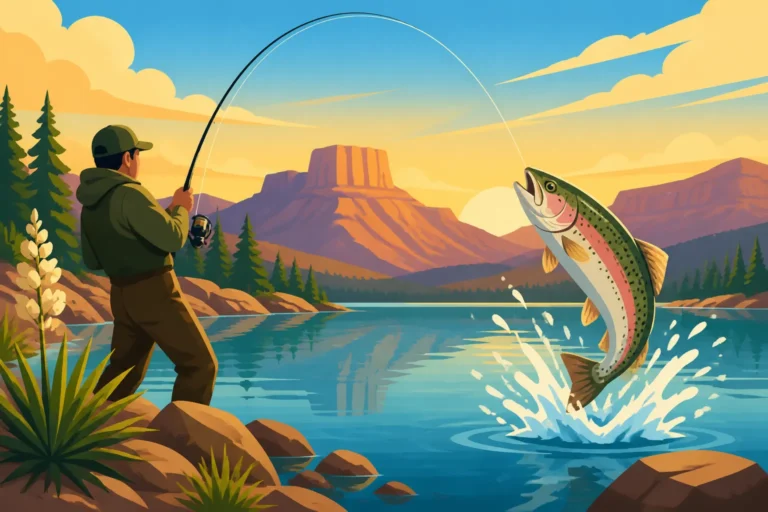
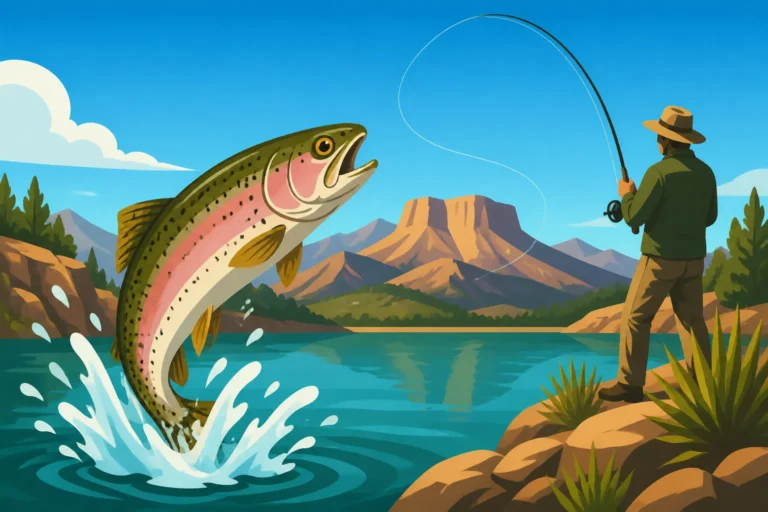
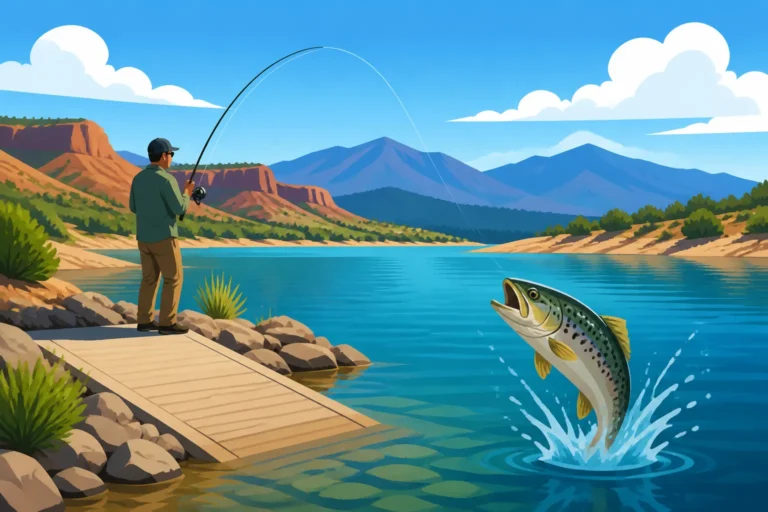
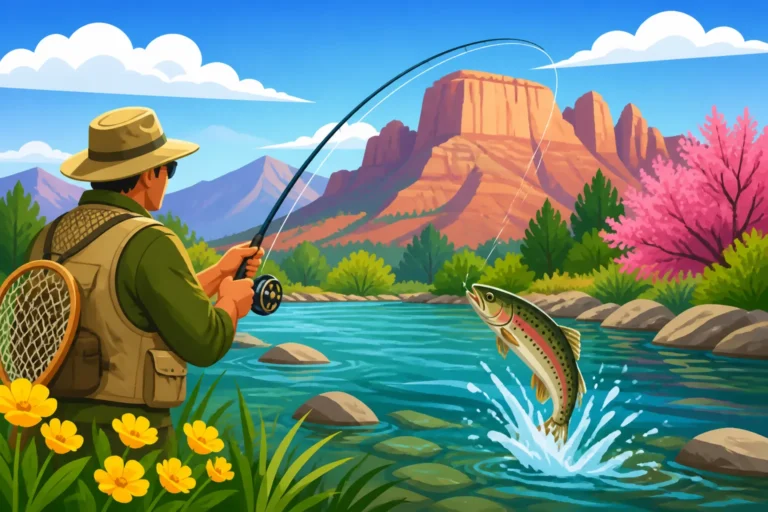
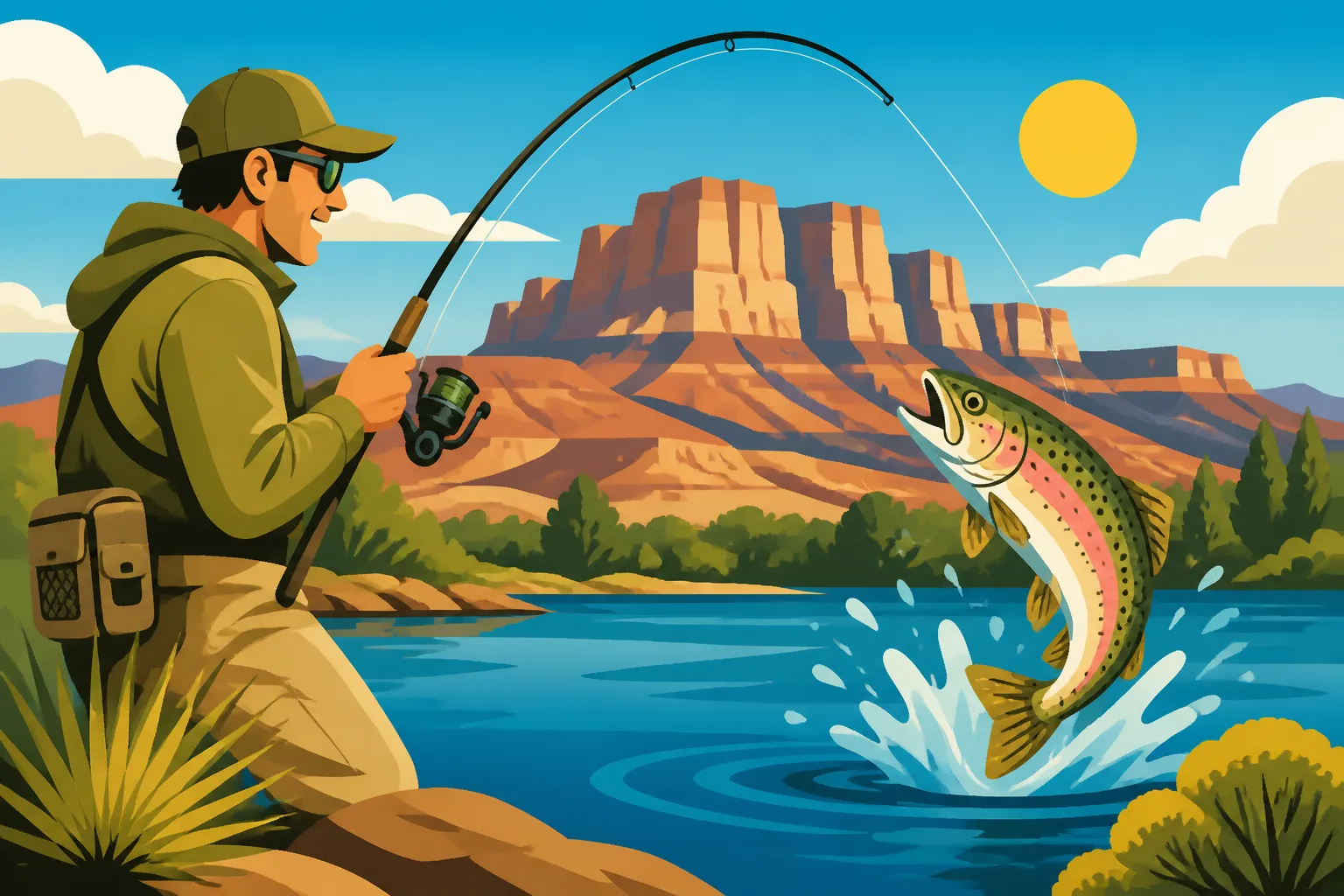
Beyond walleye, Clayton Lake also supports a healthy population of rainbow trout, especially in the cooler months. These feisty fighters are stocked regularly by the New Mexico Department of Game and Fish, providing excellent opportunities for both bait and lure anglers. They are often found cruising the shallower banks and open water, particularly early in the morning or late in the afternoon when temperatures are milder. For those looking for consistent action, or perhaps introducing younger anglers to the sport, Clayton Lake also boasts a robust panfish population. Bluegill and crappie are abundant, offering a fantastic opportunity for light tackle fun. These Panfish Species in New Mexico are great targets for kids due to their willingness to bite, and they can provide a delicious pan-fried meal at the end of the day. They congregate around structure like submerged brush piles, docks, and the edges of weed beds, offering consistent action when other species might be more elusive.
Catfish and Other Species
While not as prominent as walleye or trout, channel catfish are also present in Clayton Lake and can grow to respectable sizes. They are bottom feeders and opportunistic eaters, making them a fun target, especially during warmer months or when night fishing. They’ll readily take a variety of baits, from stink bait to cut bait or even hot dogs. You might also encounter common carp, which, while often overlooked as a game fish, can provide an incredible fight on the right tackle. They're often found in the shallower, warmer areas of the lake. The diversity of species ensures that no matter your preferred fishing style, there’s likely something for you to target at Clayton Lake. For a comprehensive overview of the entire aquatic community, checking the state's official resources on Fish Species Found in New Mexico can offer even more detail.
Timing is Everything: When to Cast Your Line at Clayton Lake
Just like with any fishing destination, knowing the best time to visit Clayton Lake can dramatically impact your success. The high plains weather and the biology of the fish species present mean that certain seasons and even times of day are more productive than others. Being strategic with your timing can turn a slow day into an unforgettable one.
Seasonal Peaks for Walleye and Trout
For walleye enthusiasts, spring and fall are generally considered the prime seasons at Clayton Lake. In the spring, shortly after ice-off (if the lake freezes, which it often does in winter), walleye move into shallower areas to spawn. This pre-spawn and spawn period, typically from late March through April, can be incredibly productive for anglers targeting these fish. As the water warms slightly, they remain active, feeding heavily. Come summer, they retreat to deeper, cooler waters, making them harder to find without a boat and fishfinder, but still catchable with the right techniques. Fall, particularly from September through November, sees walleye returning to shallower feeding grounds as water temperatures cool, often providing a second peak fishing opportunity before winter sets in.
Trout fishing, on the other hand, is generally best in the cooler months. Fall, winter, and spring are excellent for rainbow trout, especially after new stockings. During the intense summer heat, trout will seek deeper, cooler pockets of water, making them more challenging to locate. If you're planning a trip, consider the New Mexico Fishing Season Dates and Limits for specific species, as these can guide your decision. Many anglers also rely on fishing reports and local knowledge, often found through services like FishingBooker, to get real-time updates on what's biting when.
Best Times of Day for Consistent Action
Beyond the season, the time of day plays a crucial role, especially for walleye. As mentioned, walleye have excellent low-light vision, making dawn and dusk particularly productive. The hour before sunrise and the hour after sunset are often referred to as "prime time" for walleye, as they move out from deeper cover to feed. Overcast days can extend this feeding window, allowing for good daytime walleye fishing. For trout and panfish, early mornings and late afternoons are also generally best, especially in warmer weather, when the sun isn't directly overhead. Midday in summer can be slow for all species as the heat pushes fish into deeper, less active states. However, don't rule out night fishing, especially for catfish or larger walleye that become more audacious under the cover of darkness. This means a fishing trip to Clayton Lake might involve an early alarm or a late night, but the rewards can be well worth the effort.
Gearing Up for Success: Essential Techniques and Tackle
Having the right gear and knowing the most effective techniques are paramount for a successful outing at Clayton Lake. Whether you’re a seasoned angler or just starting out, a little preparation can go a long way in connecting with the fish that swim these waters.
Effective Techniques for Walleye
When it comes to walleye at Clayton Lake, a few techniques consistently produce results. Trolling with crankbaits or spinner rigs is a highly effective method, especially for covering a lot of water and locating active fish. Popular crankbait colors often mimic the natural forage in the lake, such as shad or crawfish, or bright colors like chartreuse or fire tiger for visibility in the sometimes murky water. Jigging with a jighead tipped with a minnow, plastic grub, or a worm is another deadly technique, particularly when you’ve identified a specific structure where walleye are holding. Vertically jigging over submerged humps or drop-offs can entice strikes. Bottom bouncing rigs, featuring a walking sinker and a snelled hook with a live minnow or nightcrawler, are also very productive, allowing you to present bait slowly and effectively along the bottom where walleye feed. Knowing New Mexico Statewide Bag Limit for Walleye is crucial when planning your trip, as these regulations dictate how many of these delicious fish you can take home. Many anglers also find success by consulting local guides listed on platforms like FishingBooker, as these professionals can provide invaluable real-time tips and even take you directly to the hot spots.
Tackle Recommendations for Trout and Panfish
For trout and panfish, a lighter setup is generally preferred. A lightweight spinning rod and reel combo, spooled with 4-6 pound test monofilament or fluorocarbon line, is ideal. For rainbow trout, PowerBait (especially in bright colors like chartreuse or orange), salmon eggs, or nightcrawlers fished off the bottom with a small sinker and a leader are often very effective. Small inline spinners (like Mepps or Rooster Tail) or tiny spoons can also trigger strikes, particularly around areas of current or where trout are actively feeding near the surface. When targeting panfish like bluegill and crappie, tiny jigs tipped with a piece of worm, a waxworm, or a small soft plastic are irresistible. Fishing these under a bobber near brush piles, docks, or weed edges can lead to non-stop action, making it a fantastic experience for new anglers and seasoned pros alike. Always ensure your tackle box is well-stocked with a variety of options, as fish preferences can change throughout the day.
| Species Targeted | Best Season | Preferred Baits/Lures | Key Techniques |
|---|---|---|---|
| Walleye | Spring, Fall | Crankbaits, Jigs, Minnows, Nightcrawlers | Trolling, Jigging, Bottom Bouncing |
| Rainbow Trout | Fall, Winter, Spring | PowerBait, Salmon Eggs, Spinners, Worms | Still Fishing, Casting |
| Bluegill/Crappie | Spring, Summer | Small Jigs, Waxworms, Nightcrawlers | Bobber Fishing, Vertical Jigging |
| Channel Catfish | Summer, Fall | Stink Bait, Cut Bait, Hot Dogs | Bottom Fishing |
Navigating Your Visit: Access, Amenities, and Important Regulations
A successful fishing trip isn't just about catching fish; it's also about a smooth, hassle-free experience from arrival to departure. Knowing the ins and outs of access, available amenities, and, critically, the local regulations, will help you avoid any unwelcome surprises and make your time at Clayton Lake as enjoyable as possible.
Accessing Clayton Lake State Park
Clayton Lake State Park is located about 12 miles northwest of the town of Clayton, New Mexico. Getting there is relatively straightforward, primarily via State Road 370 off of Highway 64/87. The park is well-marked, and paved roads lead right to the entrance. Once inside, you'll find designated parking areas, boat ramps, and access points for bank fishing. For those bringing boats, the single concrete boat ramp provides easy access to the lake, though water levels can sometimes affect usability, especially during drought years. It's always a good idea to check the current conditions directly with New Mexico State Parks before you head out, especially if you're traveling a long distance. The park is generally open year-round, but specific facility availability might vary by season.
The park offers various amenities to enhance your stay, including developed campgrounds with electric and water hookups, picnic areas, restrooms, and even showers. These facilities make it convenient for multi-day trips, allowing you to focus on fishing and enjoying the natural beauty. While not exhaustive, many visitors appreciate the clean and well-maintained environment that the State Park system provides. If you're keen on making a vacation out of it, there are typically options for reserving campsites in advance, which is highly recommended during peak seasons or holidays. For a more adventurous stay, the nearby town of Clayton offers additional services, including gas, groceries, and a few dining options.
Essential New Mexico Fishing Regulations
Before you even think about casting a line, understanding and adhering to New Mexico's fishing regulations is absolutely non-negotiable. The first and most critical requirement is holding a valid New Mexico Fishing License Guide. Everyone aged 12 and older needs a license to fish in New Mexico waters, including Clayton Lake. You can easily purchase these online through the New Mexico Department of Game and Fish website, or from various license vendors across the state, including some local businesses in Clayton.
In addition to your general fishing license, if you plan to fish on federal lands (which often overlap with New Mexico's fishing destinations), you may need a New Mexico Habitat Stamp and Validation Requirements. This stamp helps fund habitat improvement and public access, so it's a small but important contribution to the state's conservation efforts. Specific to Clayton Lake, pay close attention to the bag and possession limits for walleye, trout, and other species. These limits can change, so always consult the most current New Mexico Fishing Regulations Overview booklet or the NMDGF website before your trip. For example, walleye often have specific size and bag limits to protect the breeding population and ensure sustainable fishing. It's your responsibility as an angler to know these rules. Violations can lead to hefty fines and loss of fishing privileges, which nobody wants. Services like FishingBooker can sometimes offer insights into local regulations, but always cross-reference with official state sources.
Disclaimer
Please note that fishing conditions, regulations, and fish stocking schedules can change frequently. Always consult the official New Mexico Department of Game and Fish website or contact the appropriate authorities for the most current information before planning your trip to Clayton Lake. This guide is intended for informational purposes only and does not supersede official state regulations.