Eagle Nest Lake Ice Fishing
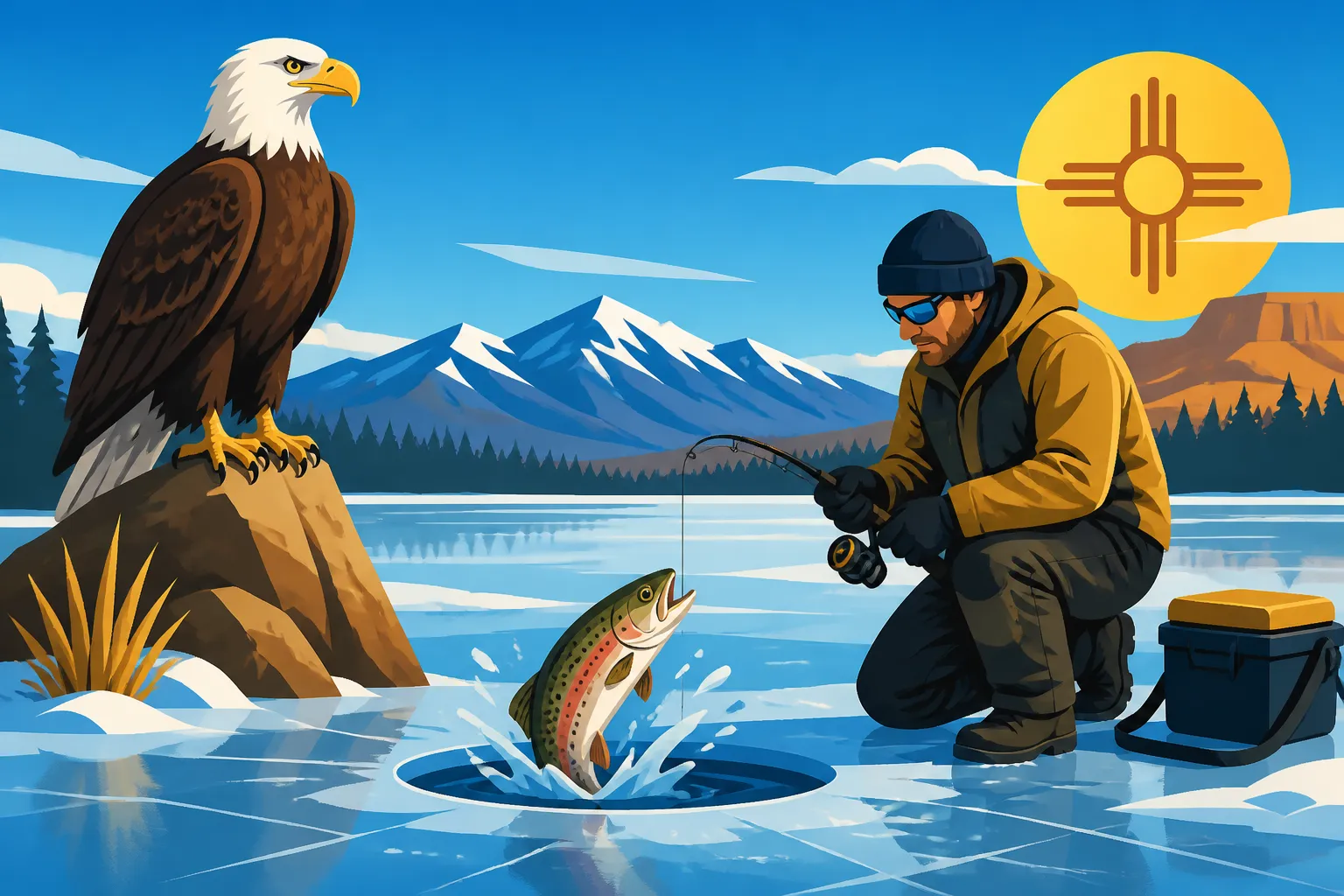
The biting chill of a New Mexico winter often makes folks think about cozying up indoors, far away from any water. But for the dedicated angler, or even the curious adventurer, winter isn't an end to fishing—it's an invitation to a whole new kind of thrill: ice fishing. Eagle Nest Lake, tucked away in the stunning Sangre de Cristo Mountains, transforms into a frozen paradise, offering some truly unforgettable experiences. If you've ever thought about punching a hole in the ice and trying your luck, this guide will walk you through everything you need to know to make your Eagle Nest Lake ice fishing adventure a successful and safe one.
Why Eagle Nest Lake Shines for New Mexico Ice Fishing
Eagle Nest Lake, situated at over 8,300 feet in elevation, is a true high-mountain treasure in Northern New Mexico. While it’s a popular spot for boat fishing during warmer months, its consistent cold temperatures make it one of the most reliable and beloved destinations for ice fishing once the winter truly sets in. The sheer beauty of the snow-capped mountains reflecting on the frozen expanse, combined with the anticipation of a bite, makes it an incredible place to spend a winter day.
A Winter Wonderland Fishery
What makes Eagle Nest Lake particularly special for ice fishing is its consistent freeze-over and robust fish populations. Unlike some lower elevation lakes that might have sporadic or thin ice, Eagle Nest generally forms a thick, safe ice cover that lasts well into spring, often from late December through March. This reliability is a huge draw for anglers who don't want to drive hours only to find patchy ice. The lake is nestled within Eagle Nest Lake State Park, which means there's a level of infrastructure and management that adds to the overall experience. You'll find access points and generally well-maintained areas, though winter conditions can always change things up. It’s also known for its stunning scenic beauty, making every trip, even if the fish aren't biting, a picturesque escape.
Target Species and What Makes Them Special Here
When you drop a line through the ice at Eagle Nest, you're primarily targeting two fantastic species: rainbow trout and kokanee salmon.
- Rainbow Trout: These feisty fish are a staple in New Mexico waters, and Eagle Nest is no exception. They are regularly stocked by the New Mexico Department of Game and Fish, ensuring a healthy population. Ice fishing for rainbows can be incredibly rewarding because they remain active throughout the winter, often cruising under the ice in search of food. You can catch some impressive sizes here, and they put up a spirited fight even in cold water. They're also quite tasty, making them a great target for those who want to bring home dinner.
- Kokanee Salmon: Now, these are truly special. Kokanee are landlocked sockeye salmon, and they are incredibly sought after by anglers for their beautiful silver-blue coloring and delicious, vibrant red flesh. Eagle Nest Lake is one of the premier kokanee fisheries in the state. During the ice fishing season, they can be a bit more elusive than trout, often preferring specific depths and subtle presentations, but when you find them, the action can be fast and furious. Learning the specific patterns for Kokanee Salmon Fishing in New Mexico can significantly improve your chances of success here. While not as common, you might also pick up a yellow perch, which are another fine eating fish and a fun surprise.
Navigating Ice Conditions and Safety at Eagle Nest Lake
Ice fishing is undeniably fun, but safety should always be your number one priority. Eagle Nest Lake, like any frozen body of water, demands respect. Understanding ice conditions and knowing how to stay safe will ensure your trip is memorable for all the right reasons. If you're new to the sport, I highly recommend checking out our comprehensive guide on Ice Fishing in New Mexico for foundational safety tips.
Understanding Ice Formation and Thickness
The ice on Eagle Nest Lake can vary in thickness and quality throughout the season. Early season ice (late December/early January) is often thinner, and late season ice (March) can become honeycombed and unstable as temperatures rise. Mid-season, typically January and February, usually offers the most reliable and thickest ice. Always remember these guidelines:
- Minimum Ice Thickness: A general rule of thumb for safe ice fishing is at least 4 inches of clear, solid ice for a single person. For groups, you're looking at 6-7 inches. Snowmobiles and ATVs require even more, typically 8-12 inches.
- Color Matters: Clear or blue ice is generally the strongest. White or opaque ice, often caused by freezing snow, is much weaker and might require double the thickness for safety. Gray or slushy ice is a clear warning sign to stay off!
- Monitor Conditions: Never assume the ice is safe. Conditions can change rapidly due to temperature fluctuations, springs, or pressure ridges. Before you head out, check local reports, call the state park office at Eagle Nest Lake, or consult with local bait shops. Websites like FishingBooker often have user-reported conditions or guides who can give you up-to-the-minute details.
Essential Safety Precautions for the Ice
Beyond checking ice thickness, there are several crucial precautions you absolutely must take:
- Never Go Alone: Always fish with a buddy. If something goes wrong, you'll have someone to help or call for help.
- Tell Someone Your Plan: Let someone know where you're going and when you expect to return.
- Carry Safety Gear: This isn't optional, friends. You need ice picks (worn around your neck for easy access in case you fall through), a length of rope, a whistle, and a fully charged cell phone. A spud bar is invaluable for testing ice thickness as you walk.
- Wear Layers and Flotation: Dress warmly in layers, including waterproof outer shells. Consider a flotation suit or a personal flotation device (PFD), even if it feels bulky. It could save your life. For more detailed advice, check out What to Wear Ice Fishing in New Mexico.
- Stay Sober: Alcohol and cold weather don't mix, especially when you're on ice. Impaired judgment can lead to dangerous situations.
- Avoid Unknown Areas: Steer clear of areas near inlets, outlets, bridges, or any place where water currents might create thinner ice. Pressure cracks can also form suddenly and are extremely dangerous.
| Ice Thickness (Clear, Solid Ice) | Activity Level | Notes |
|---|---|---|
| Less than 4 inches | UNSAFE | Stay off the ice. |
| 4 inches | Ice Fishing | Single person, walking only. Proceed with extreme caution, use a spud bar. |
| 5-7 inches | Small Groups | Good for small groups walking, ice shanties. |
| 8-12 inches | Snowmobile/ATV | Requires consistent, thick ice. Check local regulations and reports. |
| 12-15 inches | Light Truck | Very rare and requires exceptional conditions. Not recommended for public access. |
Gear, Baits, and Techniques for Success on the Ice
Once you've got safety locked down, it's time to talk about what you need to actually catch fish. Ice fishing requires a slightly different setup than open water fishing, but it's not overly complicated to get started.
Must-Have Ice Fishing Equipment
Getting the right gear will make your day much more comfortable and productive.
- Ice Auger: This is your primary tool for cutting holes in the ice. You can choose between a hand auger (good for thinner ice or a workout), a propane-powered auger (popular for its balance of power and portability), or an electric auger (quiet and efficient, increasingly popular). Given the potential for thick ice at Eagle Nest, a powered auger is often a good investment. Learn more about choosing the right one in Best Ice Fishing Auger for New Mexico.
- Ice Fishing Rods and Reels: These are specialized, much shorter than typical fishing rods, usually ranging from 24 to 36 inches. This short length is perfect for working lures in a small hole and detecting subtle bites. Pair it with a small spinning reel spooled with 4-8 pound test monofilament or fluorocarbon line, which resists freezing better than braid.
- Shelter: While you can brave the elements, an ice fishing shelter (pop-up or flip-over style) provides crucial protection from the biting winds and cold. It also makes it easier to spot subtle bites by reducing glare. A portable heater inside can make a world of difference in comfort!
- Bucket/Chair: A five-gallon bucket serves dual purposes: seating and a place to store your catch. You can also find specialized ice fishing chairs.
- Electronics: A fish finder (flasher or LCD unit) is incredibly useful for locating fish and seeing how they react to your lure. An underwater camera can also add an exciting dimension, allowing you to observe fish behavior directly.
- Other Essentials: Don't forget a scoop for clearing slush from your hole, a pair of pliers or forceps for hook removal, and a measuring tape if you're keeping track of sizes. A small sled is great for hauling your gear across the ice.
Proven Baits and Lures for Eagle Nest
Fish behavior changes in cold water, often becoming more lethargic. Therefore, subtle presentations and high-visibility baits are key.
- For Rainbow Trout:
- Jigs: Small tungsten jigs tipped with a grub, mealworm, wax worm, or even a piece of corn are deadly. Popular colors include chartreuse, orange, pink, and white. Jig them slowly with small twitches.
- PowerBait: Small balls of PowerBait (like Berkley PowerBait Trout Nuggets) fished off the bottom on a small hook with a split shot work wonders, especially if the fish are cruising near the lakebed.
- Spoons: Small jigging spoons (1/16 to 1/8 ounce) in silver, gold, or flashy colors can attract attention, especially if tipped with a small piece of bait.
- For Kokanee Salmon:
- Small Jigs/Flasher Rigs: Kokanee are often suspended in the water column, so you might need to target specific depths. Small jigs or tiny spoons often sweetened with a kernel of shoepeg corn or a maggot are effective. Many anglers use a small dodger or flasher above their lure to attract kokanee from a distance.
- Scent: Kokanee are very sensitive to smell. Using scents like Anise or Garlic on your bait can be a game-changer.
- Electronics are Key: Finding the depth where kokanee are suspended is critical, making a fish finder almost essential for this species.
Mastering Ice Fishing Techniques
Once you're set up, the actual fishing part is often about patience and subtle movements.
- Patience is a Virtue: Sometimes the fish are active, and sometimes you have to wait them out. Don't be afraid to try different holes if one isn't producing.
- Drill Multiple Holes: Especially when targeting kokanee, drilling a few holes in a line or grid pattern can help you find active fish more quickly. Just be mindful of other anglers and spread out responsibly.
- Jigging: This is the most common ice fishing technique. Lower your lure to the desired depth, then use subtle lifts and drops, varying the cadence. Most bites occur on the fall or when the lure is paused. Sometimes a tiny quiver is all it takes.
- Dead Sticking: Sometimes, a completely motionless bait is what triggers a bite from a lethargic fish. Set up a second rod (if regulations allow, and you have a New Mexico Second Rod Validation) with a static bait in the hole next to your jigging rod.
- Depth is Everything: Fish will hold at different depths depending on light conditions, oxygen levels, and food sources. Use your fish finder to identify where the fish are holding, or start by fishing near the bottom and then slowly work your way up in the water column until you find them. Rainbows often cruise the bottom 5-10 feet, while kokanee can be suspended anywhere from 10 to 30 feet down, sometimes even deeper.
- Respect the Regulations: Always be aware of the specific New Mexico Trout Fishing Rules and general New Mexico Fishing Regulations Overview for Eagle Nest Lake, including bag limits and gear restrictions.
Planning Your Trip: Access, Regulations, and Local Tips
A well-planned trip to Eagle Nest Lake will ensure a smooth and enjoyable experience, especially when dealing with winter conditions.
Access Points and Facilities
Eagle Nest Lake State Park is generally accessible throughout the winter, but road conditions can vary.
- Main Entrance: The main entrance to the state park typically provides the best access to the lake. There are parking areas, and you'll usually find the best-maintained paths onto the ice from here.
- Boat Ramps (Frozen): While you won't be launching boats, the areas around the boat ramps often provide good, established access points to the ice. Check with the park rangers for current recommended access.
- Local Services: The village of Eagle Nest has a few bait shops where you can get up-to-date ice conditions, last-minute tackle, and local tips. These places are invaluable resources. When planning your journey, you might even consider using platforms like FishingBooker to connect with local ice fishing guides who can provide all the necessary gear and expertise for a guided trip. This can be especially helpful for beginners.
Key Regulations to Remember
New Mexico fishing regulations are in place to ensure sustainable fishing for everyone. It's your responsibility to know and follow them.
- Fishing License: Anyone 12 years or older needs a valid New Mexico Fishing License Guide. This is non-negotiable.
- Habitat Stamp: Most anglers also need a New Mexico Habitat Stamp and Validation Requirements in addition to their fishing license, which helps fund crucial conservation efforts.
- Bag and Possession Limits: Be very aware of the daily bag and possession limits for rainbow trout and kokanee salmon. These can change, so always consult the most current New Mexico Fishing Rules and Information Booklet. For instance, the general trout bag limit is often five fish per day, but always verify. Kokanee limits are usually separate and sometimes higher during specific seasons.
- Live Bait Restrictions: Always double-check regulations regarding live bait, especially minnows, as rules can vary by water body to prevent the spread of invasive species.
- Ice Shanty Rules: If you use an ice shanty or portable shelter, know the rules for leaving them overnight (usually not allowed) and clearly marking them. Remove all trash and equipment when you leave.
Local Insights for a Better Experience
Beyond the official rules and gear, a few local tips can really elevate your Eagle Nest ice fishing trip.
- Early Bird Gets the Worm (or Fish!): Like most fishing, the early morning hours just after sunrise often provide the best bite. Fish tend to be more active before the sun gets high and bright.
- Weather Watch: New Mexico mountain weather can be unpredictable. A clear, calm day can quickly turn into a windy, snowy whiteout. Check the forecast religiously and be prepared for sudden changes. High winds can make ice fishing incredibly difficult and cold, even with a shelter.
- Dress in Layers: I can't stress this enough. Start with moisture-wicking base layers, add insulating mid-layers (fleece, down), and finish with a waterproof and windproof outer shell. A good hat, insulated gloves, and warm, waterproof boots are critical. Your body loses most heat through your head, hands, and feet.
- Hydrate and Fuel: Don't forget to bring plenty of water and snacks. The cold can be dehydrating, and you'll burn more calories staying warm. Hot coffee, tea, or cocoa in a thermos is a welcome treat.
- Leave No Trace: Pack out everything you pack in. This includes discarded fishing line, bait containers, and any trash. Let's keep Eagle Nest Lake beautiful for everyone.
- Consider a Guide: Especially for your first time, hiring a local guide can be a fantastic investment. They know the lake, the ice conditions, and the current bite patterns, and they usually provide all the specialized gear. You can often find reputable local guides through resources like FishingBooker, which makes planning much easier. This is also a great option if you're curious about New Mexico Ice Fishing Season nuances or how to best tackle some of the more challenging Fish Species Found in New Mexico like trophy kokanee.
Ice fishing at Eagle Nest Lake is more than just catching fish; it's an experience—a chance to connect with nature in its serene winter glory. With the right preparation, a focus on safety, and a good dose of patience, you're bound to have an incredible time on the ice.
Disclaimer
The information provided in this guide is for general informational purposes only and is subject to change. Always consult the official New Mexico Department of Game and Fish regulations and local authorities before engaging in any fishing activities. Ice conditions can be extremely dangerous; personal safety is your responsibility.