Where to Catch Channel Catfish in New Mexico
It's a wonderful feeling, isn't it, the anticipation of a strong tug on your line, the unmistakable fight of a channel catfish? But sometimes, knowing where to drop that bait in the vast waters of New Mexico can feel like a guessing game. This guide is all about cutting through that uncertainty, pinpointing the best places across the Land of Enchantment to hook into some fantastic channel catfish, from our sprawling reservoirs to our flowing rivers.
Understanding Channel Catfish in New Mexico Waters
Before we dive into specific locations, let's chat a bit about what makes channel catfish tick. Knowing their preferences and habits is like having a secret weapon in your tackle box – it helps you anticipate where they'll be and what they'll be doing.
Key Characteristics and Habitat Preferences
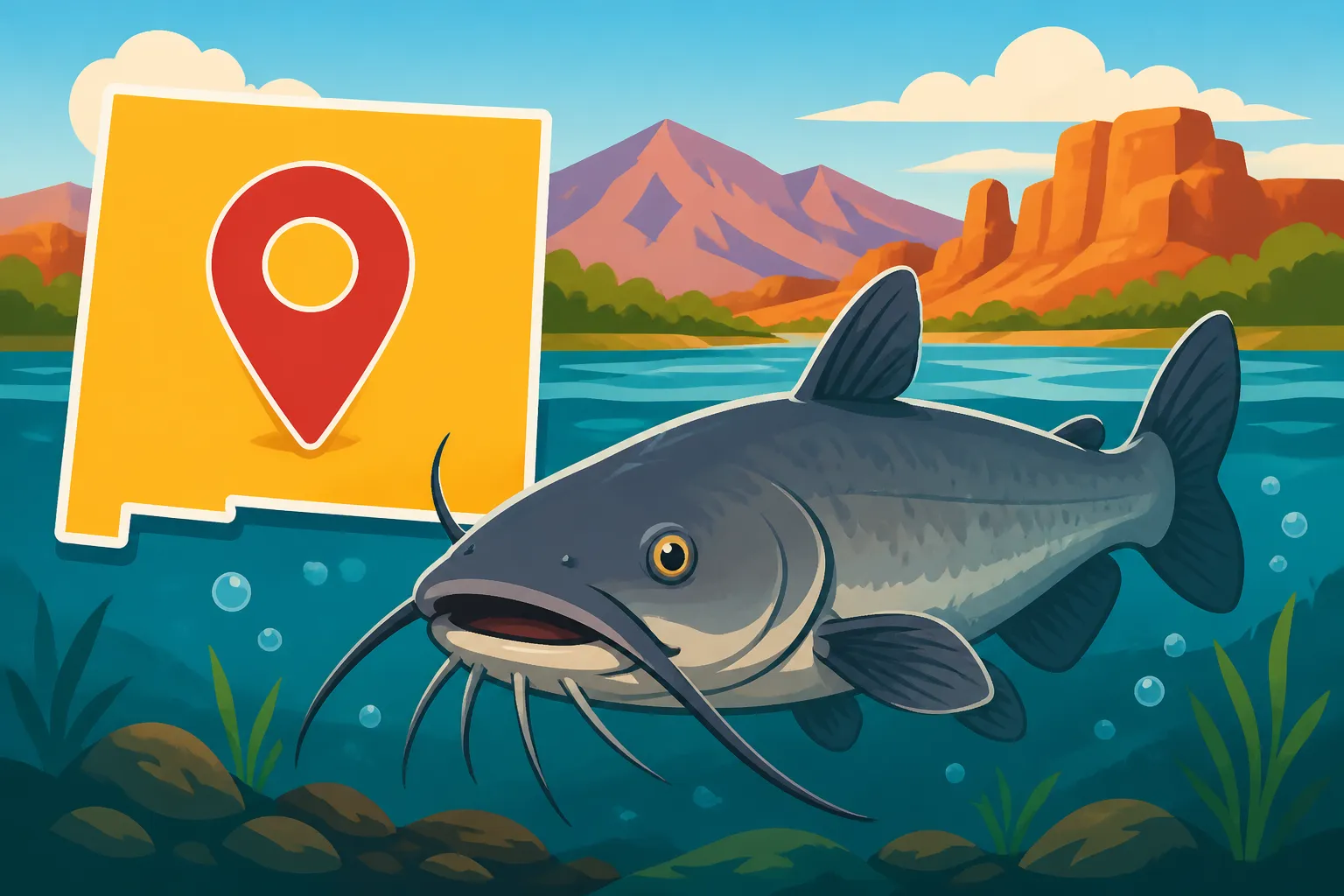
Channel catfish, with their sleek bodies, deeply forked tails, and distinctive barbels (those whisker-like protrusions around their mouths), are truly one of New Mexico's most exciting and widespread game fish. They're opportunistic feeders, which means they're always on the prowl for a meal, and their preferred habitats often reflect this hunger.
You'll typically find channel cats gravitating towards areas with structure. Think about submerged logs, rock piles, brush, and undercut banks in rivers. In lakes and reservoirs, they love drop-offs, humps, and the edges of old creek channels. They're not afraid of a bit of current either, often positioning themselves just out of the main flow, waiting for food to wash by. And while they can be found in clear waters, they truly thrive in systems with murky or turbid conditions, which is why the slow, silty stretches of our rivers often hold such healthy populations. Their keen sense of smell, aided by those barbels, works wonders in less-than-clear water, helping them sniff out bait even when visibility is low.
When and Why They Bite Best
Timing is everything when it comes to catfishing, and New Mexico's seasons definitely play a role. Understanding these patterns will seriously up your game.
Channel catfish really get active as the water temperatures rise, typically from late spring through early fall. Spring is fantastic, especially as the waters warm up into the 60s Fahrenheit. This is when they start moving shallower to feed aggressively before their spawning season, which usually occurs when water temperatures hit the mid-70s. During spawning, they might be a bit less interested in your bait as they're focused on reproduction, often nesting in hollow logs, rock crevices, or undercut banks.
But once spawning is over, usually by late June or July, that's when the summer feeding frenzy truly begins! They're replenishing their energy, and they'll eat just about anything. This is often the prime time for trophy catfish. As fall approaches, and water temperatures slowly drop, they'll continue to feed heavily, packing on weight for the colder months. Winter sees them becoming more lethargic, often retreating to deeper holes, and while you can still catch them, the bites will be fewer and farther between.
On a daily basis, channel cats are most active during low-light conditions. Dawn, dusk, and especially night fishing are incredibly productive. That's when they're truly on the hunt, using their senses to dominate the darker hours. If you've never tried night fishing for catfish, you're missing out on some incredible action and a unique experience under the vast New Mexico sky!
Top New Mexico Destinations for Channel Catfish
New Mexico is blessed with a variety of waters, many of which hold robust populations of channel catfish. Knowing which spots are renowned for them can save you a lot of trial and error.
Major Reservoirs and Lakes Known for Catfish
Our larger impoundments are often catfish havens, providing ample food and diverse habitats.
- Elephant Butte Lake: Ah, Elephant Butte, the granddaddy of New Mexico's warm water fisheries! This massive reservoir is legendary for its channel catfish, with anglers regularly pulling in cats weighing 10 to 20 pounds, and even bigger specimens making headlines. The sheer size of the lake, combined with its fluctuating water levels and abundant forage like shad, creates an ideal environment for channels to thrive. Focus your efforts around the main lake's deeper channels, particularly where old riverbeds wind through, or target coves with submerged brush and rocky points. Any area where there's some structure or a slight current can be a hotspot. Even when water levels are lower, the fish simply concentrate into the available deeper water, making them easier to locate. If you're looking for a serious challenge and a chance at a true monster, this is your place. You can find more details in our comprehensive Elephant Butte Lake Fishing Guide.
- Ute Lake: Over in eastern New Mexico, near Logan, Ute Lake offers some phenomenal channel catfishing, often flying a bit under the radar compared to Elephant Butte. This lake is known for healthy populations and some surprisingly large individuals. The upper reaches of the lake, where the Ute Creek arm enters, and other riverine sections often hold great numbers of cats, especially during the warmer months. Look for areas with submerged timber, rock ledges, and muddy flats. It's a fantastic spot for both boat and bank anglers. Our Ute Lake Fishing article has more specifics if you're planning a trip there.
- Conchas Lake: Another gem in eastern New Mexico, Conchas Lake is a sprawling body of water with numerous coves and arms, making it a prime location for channel catfish. Anglers often find success targeting the rocky banks, especially those with deeper drop-offs, and the mouths of the various creeks and arroyos that feed into the lake. The lake's structure provides plenty of hiding spots and ambush points for catfish. It's an excellent choice for a family fishing trip, as the lake offers plenty of recreation alongside great fishing. For more detailed insights, check out our Conchas Lake Fishing Guide.
- Navajo Lake: While Navajo Lake is often celebrated for its trout and kokanee salmon, don't overlook its potential for channel catfish, especially in its warmer, shallower arms and coves. The deeper, colder main body of the lake might not be ideal, but areas like the Pine River arm or upstream sections can hold good numbers of cats. It's a great option if you're looking to diversify your catch or simply want to explore different parts of this beautiful northern New Mexico lake.
- Caballo Lake: Located just downstream from Elephant Butte, Caballo Lake also offers excellent channel catfishing opportunities. It's a long, relatively narrow lake, and its riverine characteristics mean catfish can be found in deeper pools and along the main channel. The areas near the dam and the upstream sections are particularly productive.
- Sumner Lake: Situated on the Pecos River, Sumner Lake is another excellent spot for channel catfish, and even boasts a good population of flathead catfish, which are the bigger, more reclusive cousins of the channel cat. Target the numerous coves and the river arms for consistent action.
Rivers and Smaller Water Bodies
Don't limit your catfishing adventures to just the big lakes. New Mexico's rivers and smaller, more accessible waters can be incredibly productive.
- Rio Grande: The mighty Rio Grande, flowing right through the heart of our state, is a fantastic, though often challenging, place to find channel catfish. Its vastness means you need to know where to look. Focus on the slower-moving sections, deep holes, eddies behind submerged structures, and areas where smaller creeks or irrigation ditches flow in, bringing with them potential food sources. Stretches near major cities like Albuquerque and Las Cruces can offer surprisingly good catfishing right within city limits, often providing easy access for bank anglers. For a deeper dive into this iconic waterway, check out our New Mexico Rio Grande Fishing Guide.
- Pecos River: The Pecos River, especially its lower, warmer sections as it winds through eastern New Mexico, also holds strong populations of channel catfish. Similar to the Rio Grande, look for deeper pockets, slower currents, and areas with ample cover. It's a more rural fishing experience, offering peace and quiet alongside the potential for a great catch.
- Farm Ponds and Urban Waters: One of the most overlooked, yet incredibly accessible, options for channel catfish fishing in New Mexico are the various community fishing ponds and farm ponds. The New Mexico Department of Game and Fish (NMDGF) often stocks these ponds with channel catfish, particularly in the warmer months. A great example is Tingley Beach in Albuquerque, which has ponds specifically managed for family fishing, including catfish. These spots are perfect for introducing kids to fishing, as success rates can be high. They're usually well-maintained, offer easy access, and provide a quick fix for that catfishing itch without a long drive. Always check the NMDGF website for current stocking schedules and specific regulations for these urban waters.
Effective Strategies for Catching Channel Catfish
Once you've picked your spot, having the right gear and knowing the best techniques will make all the difference. Channel catfish aren't usually picky eaters, but they do respond well to certain presentations.
Essential Gear and Bait Setups
You don't need highly specialized gear to catch channel catfish, which is part of their appeal. A good, sturdy setup is all it takes.
- Rods and Reels: A medium-heavy to heavy action spinning or baitcasting rod, typically 6 to 8 feet long, will serve you well. Pair it with a reliable reel spooled with 10 to 25-pound test monofilament or braided line. The heavier line is crucial for handling their strong runs and for pulling them out of any potential snags. For fishing in rivers with current or for targeting larger fish, a heavier setup is always a good idea.
- Terminal Tackle: Keep it simple. A slip-sinker rig is a classic for a reason: it allows the fish to pick up the bait and run without feeling the weight of the sinker, leading to more confident bites. Use an egg sinker or a no-roll sinker (especially in current), followed by a bead to protect your knot, then a swivel. Attach an 8-12 inch leader (fluorocarbon or monofilament) to the swivel, and tie on a strong, sharp circle hook. Circle hooks are fantastic for catfishing because they typically hook the fish in the corner of the mouth, making for easier, safer releases and preventing gut-hooking. Hook sizes range from 2/0 to 8/0, depending on the size of the catfish you're targeting and your bait.
- Best Baits: This is where channel cats really shine – they'll eat almost anything!
- Stink Baits: These are factory-made concoctions designed to emit a powerful odor, irresistible to a catfish's keen sense of smell. Brands like Sonny's or various punch baits are very popular and effective. They're messy but they work!
- Cut Bait: Shad, carp, sunfish, or even hot dogs cut into chunks are excellent. Fresh cut bait releases natural oils and scents that catfish can't resist. For truly big cats, a large chunk of fresh cut bait can be the ticket. You can learn more about this in our guide to Best Bait for Catfish in New Mexico Rivers.
- Chicken Livers: A classic for a reason! They're bloody, smelly, and catfish absolutely love them. They can be a bit tricky to keep on the hook, so consider using a bait holder hook or wrapping them with a bit of thread.
- Worms: Nightcrawlers or other large worms are always a solid choice, especially in smaller ponds and rivers.
- Shrimp: Believe it or not, frozen shrimp from the grocery store, thawed and cut into pieces, can be incredibly effective, particularly in waters where they're not commonly used.
- Prepared Baits: Hot dogs, marshmallows, or even small pieces of soap can work in a pinch, especially for smaller, more aggressive cats.
Remember, fresh bait is almost always better than old, dried-out bait.
Bank Fishing vs. Boat Fishing Techniques
Both bank fishing and boat fishing can be incredibly productive for channel catfish in New Mexico, each offering its own advantages.
- Bank Fishing: This is how many of us got our start in catfishing, and it remains a highly effective method. When bank fishing, look for points that extend into the water, deep holes near river bends, or areas with visible structure like fallen trees. Cast your bait out and let it settle on the bottom. It's often beneficial to cast multiple rods in different directions and at varying distances to cover more water and ascertain where the fish are holding. Using rod holders is essential to keep your rods secure and prevent them from being pulled into the water by a strong bite. Pay attention to changes in the bank – a sharp drop-off or a rocky patch might indicate a good spot.
- Boat Fishing: Having a boat opens up a whole new world of catfishing opportunities. You can reach those elusive deep channels, submerged islands, and isolated brush piles that are inaccessible from shore. Drifting with the current or wind, slowly dragging your baited rigs across the bottom, can be incredibly effective for covering large areas and finding active fish. Anchoring near known structures, like old riverbeds or standing timber, is also a prime strategy. If you have a fish finder, use it to locate deeper channels, humps, and even schools of baitfish, which often indicate where predators like catfish might be lurking. If you don't have a boat, consider hiring a local guide. Services like FishingBooker can connect you with experienced catfish guides in New Mexico who know the waters like the back of their hand, significantly increasing your chances of a successful outing.
Regulations and Best Practices for Catfish Anglers
Part of being a responsible angler is knowing and respecting the rules, and practicing good conservation habits ensures these fisheries remain healthy for future generations.
New Mexico Catfish Regulations
Before you cast your first line, always make sure you have the proper licensing. A valid New Mexico Fishing License Guide is required for most anglers, and you'll want to be familiar with the statewide limits.
For channel catfish in New Mexico, there's a generous daily bag limit of 25 fish, with a possession limit of 50. This means you can keep quite a few for a delicious fish fry! However, regulations can change, and special rules might apply to specific bodies of water. For instance, some community fishing waters might have slightly different limits or specific tackle restrictions. It’s always, always a good idea to consult the most current New Mexico Fishing Regulations Overview published by the NMDGF before you head out. This ensures you're compliant and avoid any potential fines or penalties. Pay particular attention to the New Mexico Warm Water Fish Bag Limits section, as it covers catfish and other popular species.
Conservation and Responsible Angling
While channel catfish are abundant, it's still crucial to practice responsible angling.
- Catch and Release: If you're targeting larger, trophy-sized catfish, consider practicing catch and release. These big fish are often the prime breeders in the population, and letting them go helps ensure strong future generations. When releasing a fish, handle it gently, minimize its time out of water, and revive it if necessary before letting it swim away. Our guide on New Mexico Catch and Release Regulations has more specific tips.
- Keeping Fish Fresh: If you plan to keep your catch for dinner, make sure you know how to keep them fresh. A cooler filled with ice is your best friend. Bleed the fish immediately after catching for better taste, and get them on ice as soon as possible.
- Leave No Trace: Always pack out everything you pack in. This includes old fishing line, bait containers, and any other trash. Litter harms wildlife and detracts from the beauty of our natural spaces. Leave the area cleaner than you found it.
Remember, fishing is not just about catching fish; it's about enjoying the outdoors, respecting nature, and preserving our resources.
| Lake/River | Primary Catfish Species | Typical Size Range (lbs) | Best Season | Key Areas to Target | Notes |
|---|---|---|---|---|---|
| Elephant Butte Lake | Channel, Flathead | 2-20+ | Summer/Fall | Deeper channels, coves, submerged timber, rocky points | Legendary for large channels; abundant shad for forage. |
| Ute Lake | Channel, Flathead | 2-15 | Spring/Summer | Upper reaches (Ute Creek arm), muddy flats, rock ledges | Excellent numbers, less crowded than some other lakes. |
| Conchas Lake | Channel, Flathead | 1-10 | Spring/Summer | Rocky banks, creek mouths, coves, old structures | Good all-around fishery; ideal for family trips. |
| Rio Grande | Channel, Flathead | 1-10+ | Summer/Fall | Deep holes, eddies, slow-moving sections, confluences | Access often good from city parks; best during low-light hours. |
| Navajo Lake | Channel | 1-5 | Summer | Warmer, shallower arms (e.g., Pine River arm) | Primarily a trout/salmon lake, but catfish can be found in warmer areas. |
| Sumner Lake | Channel, Flathead | 1-12 | Spring/Summer | Coves, Pecos River arms | Strong populations of both channel and flathead catfish. |
Disclaimer
Fishing conditions and regulations in New Mexico are subject to change. Always consult the official New Mexico Department of Game and Fish (NMDGF) website or their current fishing proclamation for the most up-to-date and accurate information before planning your fishing trip. This guide is for informational purposes only and does not supersede official regulations.