Where to Catch Largemouth Bass in New Mexico
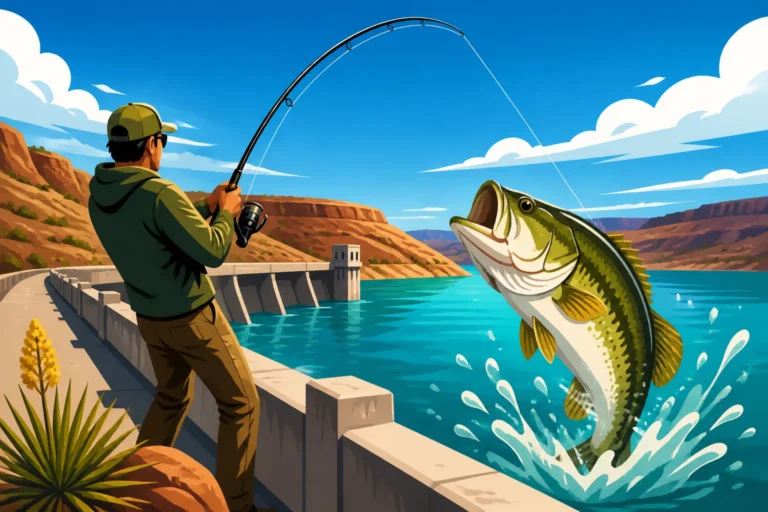
There's nothing quite like the thrill of a largemouth bass hitting your line, but in a state like New Mexico, with its diverse and sometimes challenging waters, knowing where to find these elusive bucketmouths can feel like searching for a needle in a haystack. Many anglers get frustrated trying to decipher which lakes actually hold a healthy population of largemouth, especially when you're looking for those feisty lunkers. This comprehensive guide is designed to cut through the guesswork, pointing you directly to the best spots in New Mexico where you can consistently hook into impressive largemouth bass, along with the strategies you'll need to succeed.
Understanding New Mexico's Largemouth Bass Habitat
Before we dive into specific locations, it's really helpful to understand what makes a good home for largemouth bass. These aren't trout hiding in cold, clear mountain streams. Largemouth have very specific preferences, and knowing them will help you "read the water" better, no matter where you cast your line in New Mexico.
General Characteristics of Largemouth Habitats
Largemouth bass are typically warm-water fish, thriving in temperatures between 65 and 80 degrees Fahrenheit. They're ambush predators, which means they love to hide and dart out to surprise their prey. What does this translate to in terms of habitat? Think structure and cover.
- Structure: This refers to changes in the lake or river bottom contour, like old creek channels, humps, ledges, submerged roadbeds, or rock piles. These features provide depth changes and current breaks where bass can hold.
- Cover: This is anything that offers physical concealment, shade, or a place to hide. Common examples include submerged timber (brush piles, standing trees, stumps), weed beds (lily pads, hydrilla, cattails), docks, rock riprap, and even bridge pilings. The denser the cover, the better, as it gives bass a sense of security and a perfect ambush point.
- Forage: A healthy largemouth population also needs a robust food source. This includes smaller baitfish like shad, sunfish, and various minnows, as well as crawfish and insects. Lakes with abundant forage will generally support larger, healthier bass.
- Turbidity: While not always a hard rule, largemouth often prefer water with a bit of stain or turbidity. This can make them feel more secure and less visible to prey, allowing them to hunt more effectively. Ultra-clear water can make them skittish and harder to approach.
How New Mexico's Unique Waters Fit the Bill
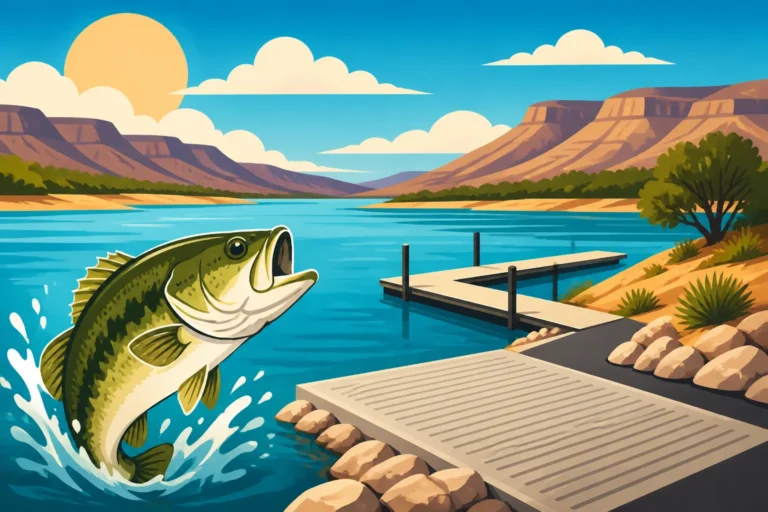
New Mexico might be known for its high desert and stunning mountains, but it also boasts an impressive network of lakes and reservoirs, many of which are perfect for largemouth bass. Our state's waters, largely composed of man-made reservoirs rather than natural lakes, offer a unique set of challenges and opportunities. These reservoirs are often characterized by fluctuating water levels, which can constantly change the available cover and structure. What was a submerged brush pile last year might be exposed this year, and vice versa. This means successful bass anglers in New Mexico need to be adaptable and ready to explore new spots as conditions change.
Many of our larger impoundments, like Elephant Butte and Conchas, were created by damming rivers, leaving behind vast submerged timber, old foundations, and creek channels that provide excellent structure. Coupled with the warm summer temperatures and often fertile waters, these lakes create ideal conditions for largemouth to thrive and grow to impressive sizes.
Top New Mexico Lakes for Largemouth Bass
If you're serious about chasing largemouth in the Land of Enchantment, these are the places you absolutely need to put on your radar. Each offers something a little different, but all have the potential for a fantastic day of bass fishing.
Elephant Butte Lake State Park: The Largemouth King
Without a doubt, Elephant Butte Lake is New Mexico's premier destination for largemouth bass. This massive reservoir, the largest in the state, offers an incredible diversity of habitat, making it a dream come true for bass anglers. It holds the state record for largemouth bass, and for good reason—there are some absolute giants swimming in these waters.
What makes Elephant Butte so good? Its sheer size means there's always new water to explore. The lake is studded with countless coves, points, rocky bluffs, and extensive submerged timber, especially in its upper reaches. When the water levels are up, the flooded mesquite bushes and cottonwood trees become prime ambush points. In lower water, the exposed rock piles and ledges are excellent.
- Key Areas: Look for bass in the vast coves in the middle and northern sections of the lake. Areas around Long Point, Rock Canyon, and the Alamosa River arm (when accessible) are historical hotspots. The main lake points and humps that drop into deeper water are always worth exploring, especially during the hotter months.
- Techniques: Crankbaits, spinnerbaits, plastic worms, and jigs are all highly effective here. Topwater lures can be explosive during low light conditions or over submerged vegetation. Don't be afraid to throw bigger baits; Elephant Butte bass are not shy.
- Best Time: Spring and fall are generally the most productive, but summer nights can be fantastic for targeting bigger bass that move shallower to feed. For a deeper dive, check out our Elephant Butte Lake Fishing Guide for even more specifics. If you're looking for a guided trip, many local guides listed on platforms like FishingBooker specialize in bass at Elephant Butte.
Conchas Lake State Park: East Side Excellence
Moving to the eastern side of the state, Conchas Lake is another phenomenal largemouth fishery, often overshadowed by Elephant Butte but equally capable of producing trophy-sized bass. Conchas Lake is known for its clear, clean water and abundant rock structure, making it a bit different from the brushier Elephant Butte.
The lake has two main arms – the Canadian River Arm and the Conchas River Arm – both offering excellent opportunities. You'll find a lot of steep canyon walls, rocky points, and submerged rock piles. There are also areas with cattails and some scattered timber, providing variety. The clarity of the water here often means bass rely on ambush points more heavily, so target those structures precisely.
- Key Areas: Focus on the numerous coves and points throughout both arms. The areas near the dam and the main lake points can be excellent, especially when bass are schooling up. Keep an eye out for submerged ledges and drop-offs.
- Techniques: Crankbaits (especially those that dive to appropriate depths for rocky structure), jigs, and finesse worms work wonders. In clearer water, natural bait colors tend to perform well. Topwater can be great in the early morning or late evening.
- Best Time: Spring and fall are prime, as bass move shallower to spawn or feed aggressively before winter. Summer bass will hold deeper on structure. Learn more about fishing this fantastic lake in our Conchas Lake Fishing Guide.
Ute Lake State Park: A Northeastern Gem
Also in northeastern New Mexico, Ute Lake is a hidden treasure for largemouth bass, especially if you enjoy fishing clear water with a healthy mix of rocky and submerged timber cover. While not as large as Elephant Butte, Ute Lake offers consistent action and the potential for some really nice fish. It's a fantastic spot for both boat and bank anglers.
Ute Lake is characterized by its deep, clear waters, rocky shorelines, and numerous coves. The upper reaches of the lake, where the Canadian River enters, tend to have more stained water and submerged timber, while the lower lake is rockier and clearer. This variety provides different fishing challenges and rewards.
- Key Areas: Explore the many coves and points, particularly those with rock transitions or submerged brush. The upper end of the lake, with its more riverine characteristics, can be excellent for flipping and pitching jigs into cover.
- Techniques: Jigs, plastic worms, crankbaits, and spinnerbaits are staples. Given the clear water in many areas, fluorocarbon line can be a real advantage. Try to match your lure colors to the local baitfish like shad.
- Best Time: Spring and fall are excellent. During summer, bass move to deeper structure or seek shade under docks and overhanging trees. For a complete overview, our Ute Lake Fishing article provides even more depth.
Santa Rosa Lake State Park: Hidden Depths for Bass
Santa Rosa Lake, nestled in the scenic Pecos River valley, is another strong contender for largemouth bass. While perhaps not as famous for its bass as Elephant Butte, it consistently produces good numbers of healthy largemouth, and it's a beautiful place to spend a day on the water.
This reservoir is known for its steep canyon walls, rocky shorelines, and some areas with submerged brush. Water levels can fluctuate, which, as mentioned, creates dynamic fishing conditions. The lake is generally clear, but some sections can have more turbidity, especially after rain events.
- Key Areas: Focus on rocky points, bluff walls, and the mouths of coves. If you find submerged timber or brush piles, especially around creek channels, you're in a prime largemouth zone.
- Techniques: Jigs, plastic worms, and drop-shot rigs are very effective when targeting bass holding tight to structure. Squarebill crankbaits can be great for deflecting off rocks. Consider a finesse approach in the clearer sections.
- Best Time: Spring and fall offer the best opportunities for shallow-water action. Summer requires fishing deeper. Our Santa Rosa Lake Bass Fishing guide offers specific advice for maximizing your catches here.
Bill Evans Lake: A Smaller, Often Overlooked Spot
For a more intimate fishing experience, Bill Evans Lake, located west of Silver City, is a smaller impoundment that can hold surprisingly good largemouth bass. It's often overshadowed by the larger reservoirs, making it a less crowded option. This lake is managed for warm-water species and is known for its clear water and scenic setting.
The lake features rocky shorelines, some submerged brush, and distinct drop-offs. Its smaller size means fish can be easier to locate, but the clear water can also make them warier.
- Key Areas: Concentrate on the dam area, rocky points, and any visible cover like submerged trees or brush. The deeper sections of the lake can hold bass during the summer.
- Techniques: Finesse techniques shine here, such as wacky-rigged worms, small jigs, and light Texas rigs. Small crankbaits and spinnerbaits can also be effective.
- Best Time: Spring and fall are best for catching bass closer to shore.
Seasonal Strategies for New Mexico Largemouth
Largemouth bass behavior is heavily influenced by water temperature, which means your tactics need to change with the seasons in New Mexico. What works in April won't necessarily work in August!
Springtime Spawning and Feeding Frenzies
Spring is arguably the most exciting time to fish for largemouth in New Mexico. As water temperatures climb into the 50s and then 60s, bass move from their deeper wintering grounds to shallower areas to spawn.
- Pre-Spawn (Water Temps 50-60°F): Bass are hungry and aggressive, actively feeding to build energy for the spawn. They'll be found in staging areas near spawning flats, like points, submerged humps, or creek channels that lead to shallow coves.
- Tactics: This is a great time for moving baits like crankbaits, spinnerbaits, and lipless crankbaits to cover water quickly and find active fish. Jigs fished slowly around cover can also be deadly.
- Spawn (Water Temps 60-70°F): Bass move onto shallow flats, protected coves, and sandy or gravelly pockets to build nests (redds). They become highly territorial.
- Tactics: Sight fishing for bedding bass with soft plastics (tubes, lizards, creature baits) or jigs can be very effective, carefully presenting the bait right on the nest. Be mindful of catch and release practices during this vulnerable time to protect the population.
- Post-Spawn (Water Temps 70°F+): After spawning, bass can be exhausted and may move to slightly deeper water near the spawning areas to recover. They'll eventually transition back to feeding heavily.
- Tactics: Topwater baits can be excellent as bass recover and look for an easy meal. Soft plastics, jerkbaits, and swimbaits also work well.
Summer Heat and Deep Water Tactics
New Mexico summers can be brutally hot, and these high temperatures significantly impact largemouth behavior. As surface water temperatures soar into the 80s and even 90s, bass will seek refuge in cooler, deeper water or dense shade.
- Deep Water: Look for bass on main lake points, submerged humps, deep ledges, and creek channels. They'll often relate to the thermocline if one sets up in the lake.
- Tactics: This is prime time for deep-diving crankbaits, Carolina rigs, shaky heads, and football jigs fished slowly along the bottom. Vertical jigging spoons can also be effective over deep structure.
- Shade and Cover: During the day, bass will hold tight to any available shade: under docks, overhanging trees, bridge pilings, or dense submerged vegetation.
- Tactics: Pitching and flipping jigs or heavy Texas-rigged plastics into dense cover is a great way to extract these fish.
- Night Fishing: For many anglers, summer night fishing is the secret to success for big largemouth. Bass often move into shallower water to feed under the cover of darkness when temperatures are cooler.
- Tactics: Large dark-colored spinnerbaits, bladed jigs, big worms, and topwater lures (buzzbaits, Whopper Ploppers) can be incredibly effective.
Our guide on Summer Fishing in New Mexico provides even more detailed tips for warm-weather angling.
Fall Transition and Aggressive Feeding
As the days shorten and water temperatures begin to drop in the fall, largemouth bass enter a major feeding period, often called the "fall turnover" or "fall bite." They're trying to pack on weight for the upcoming winter.
- Falling Temperatures (70-55°F): Bass become very active and often school up. They'll chase baitfish aggressively.
- Tactics: Moving baits that mimic baitfish are highly effective: crankbaits (especially lipless crankbaits for covering large areas), spinnerbaits, swimbaits, and jerkbaits. Pay attention to bird activity, as diving birds often indicate schooling baitfish that bass are feeding on.
- Where to Find Them: Bass will move back to shallower areas, especially points, coves, and flats where baitfish are abundant. They'll also be found relating to main lake structure like humps and ledges. The Best Time of Year to Fish in New Mexico often points to the fall for this reason.
| Lake Name | Primary Habitat Types | Best Largemouth Seasons | Average Largemouth Size (inches) | Potential for Trophy Bass |
|---|---|---|---|---|
| Elephant Butte Lake | Submerged timber, rock bluffs, coves, points | Spring, Fall, Summer (night) | 14-18 | High |
| Conchas Lake | Rocky points, canyon walls, submerged brush | Spring, Fall | 12-16 | Moderate to High |
| Ute Lake | Rocky shorelines, coves, submerged timber | Spring, Fall | 12-16 | Moderate |
| Santa Rosa Lake | Steep canyon walls, rocky points, brush | Spring, Fall | 10-14 | Moderate |
| Bill Evans Lake | Rocky shorelines, small coves, limited brush | Spring, Fall | 10-14 | Moderate |
Essential Gear and Techniques for New Mexico Largemouth
Having the right tools for the job can make a huge difference in your largemouth bass success. New Mexico's waters demand versatile gear and an understanding of different presentation styles.
Rods, Reels, and Line Choices
For largemouth bass, having a few different rod and reel setups can be incredibly beneficial, allowing you to quickly switch between techniques.
- Rods:
- Medium-Heavy to Heavy Casting Rod (6'6" – 7'6"): This is your workhorse for flipping and pitching jigs and Texas rigs into cover, throwing bigger crankbaits, or even larger spinnerbaits. A fast action tip provides sensitivity and hook-setting power.
- Medium-Heavy Fast Action Spinning Rod (6'6" – 7'0"): Great for lighter jigs, shaky heads, drop-shot rigs, and other finesse presentations, especially in clear water or when bass are finicky.
- Reels:
- Baitcasting Reel: Pair with your casting rods. Look for a gear ratio that suits your technique – a faster retrieve (7.1:1 or higher) for pitching and flipping, a moderate retrieve (6.3:1) for crankbaits.
- Spinning Reel (Size 2500-3000): Match with your spinning rods. Smooth drag is key for fighting bigger bass on lighter lines.
- Line:
- Fluorocarbon (10-17 lb): My personal favorite for most bass fishing. It's nearly invisible underwater, has low stretch for good sensitivity, and excellent abrasion resistance – crucial around rocky New Mexico lakes.
- Braided Line (30-50 lb): Excellent for fishing heavy cover (like thick brush or weed mats) due to its incredible strength and no-stretch properties. Use a fluorocarbon or monofilament leader if water clarity is an issue.
- Monofilament (12-20 lb): Good for topwater baits due to its buoyancy, or for crankbaits where a little stretch can be beneficial to keep fish hooked.
For more on selecting the right setup, check out our guide on Best Rods and Reels for New Mexico Trout Fishing, as some principles apply to bass too, especially regarding sensitivity and power.
Lure Selection for Success
You don't need to carry an entire tackle shop, but having a versatile selection of lures will cover most scenarios you'll encounter. Our Best Lures for New Mexico Bass article offers an in-depth look, but here's a quick rundown of must-haves:
- Soft Plastics:
- Plastic Worms (6-10 inches): Texas-rigged, Carolina-rigged, or wacky-rigged. Colors like green pumpkin, junebug, and watermelon red are classics.
- Creature Baits/Jigs: For flipping and pitching into heavy cover. Dark colors like black/blue or green pumpkin.
- Grubs/Swimbaits: Excellent for imitating baitfish.
- Crankbaits:
- Deep-Diving Crankbaits: For probing deeper structure, especially in summer.
- Shallow-Diving/Squarebills: Great for deflecting off rocks and wood in shallower water.
- Lipless Crankbaits: Fantastic for covering open water and around grass beds, especially in spring and fall.
- Spinnerbaits & Bladed Jigs: Versatile for a range of conditions, especially around cover and stained water. White, chartreuse, and perch patterns are popular.
- Topwater Lures: Frogs, poppers, walking baits, and buzzbaits for exciting surface blowups in low light or over matted vegetation.
- Jigs: Flipping jigs, football jigs, and finesse jigs are all essential for targeting bass on structure or in heavy cover.
Essential Accessories and Boat Considerations
Beyond your rods and lures, a few other items are critical for a successful bass trip:
- Tackle Box or Bag: A well-organized system will save you time on the water.
- Pliers/Forceps: For easily removing hooks.
- Line Cutters: Sharp scissors or clippers.
- Sun Protection: New Mexico sun is intense! Hat, polarized sunglasses, and sunscreen are non-negotiable.
- Landing Net: A rubberized net is best for protecting fish if you plan to release them.
- Scale and Measuring Tape: For documenting your catches.
- Boat/Kayak: While bank fishing is possible, many of New Mexico's best largemouth spots are best accessed by boat. A reliable bass boat, jon boat, or even a fishing kayak can dramatically expand your reach. If you're renting, you might look into options through services like FishingBooker, which can connect you with local guides who provide all the necessary boat and gear. Remember to familiarize yourself with New Mexico Boat Registration and Titling Guide if you're bringing your own vessel. For bigger lakes, our Best Boats for New Mexico Reservoir Fishing article can offer valuable insights.
Fishing for largemouth bass in New Mexico can be incredibly rewarding. With the right knowledge about their preferred habitats, seasonal patterns, and appropriate gear, you'll be well on your way to catching some impressive fish in the Land of Enchantment.
Disclaimer
Fishing regulations and conditions in New Mexico can change. Always consult the latest New Mexico Department of Game and Fish regulations handbook or their official website before heading out to fish. Water levels and access can vary, so it's always wise to check current conditions for specific lakes and rivers.