Trout Fishing Techniques for New Mexico
New Mexico's diverse landscapes offer some truly incredible trout fishing opportunities, from pristine high-alpine streams to productive tailwaters and well-stocked urban ponds. However, the sheer variety of these environments can make knowing where to start and what techniques to use feel a bit overwhelming, especially when you're facing everything from roaring spring runoff to icy winter conditions. This guide is here to demystify the art of trout fishing in the Land of Enchantment, offering practical, in-depth techniques to help you consistently find and catch more trout, no matter where your adventure takes you.
Understanding New Mexico's Trout Habitats
Before you even think about rigging up your rod, it's crucial to understand the different types of water bodies where New Mexico's trout thrive. Each habitat presents its own unique challenges and demands specific approaches. Ignoring these nuances is like trying to use a hammer to drive a screw – you might get lucky, but it's rarely efficient or effective.
High Mountain Streams and Rivers
Picture this: crystal-clear water tumbling over rocks, surrounded by towering pines and aspens, with the crisp mountain air filling your lungs. This is the quintessential image of high-mountain trout fishing in New Mexico, found in places like the Pecos Wilderness, the Gila National Forest, and the upper reaches of the Rio Grande. These waters are often characterized by fast currents, numerous riffles, deep pools, and pockets of calm water behind obstacles. They're home to feisty native Rio Grande Cutthroat Trout and robust populations of wild Brown Trout and Rainbow Trout.
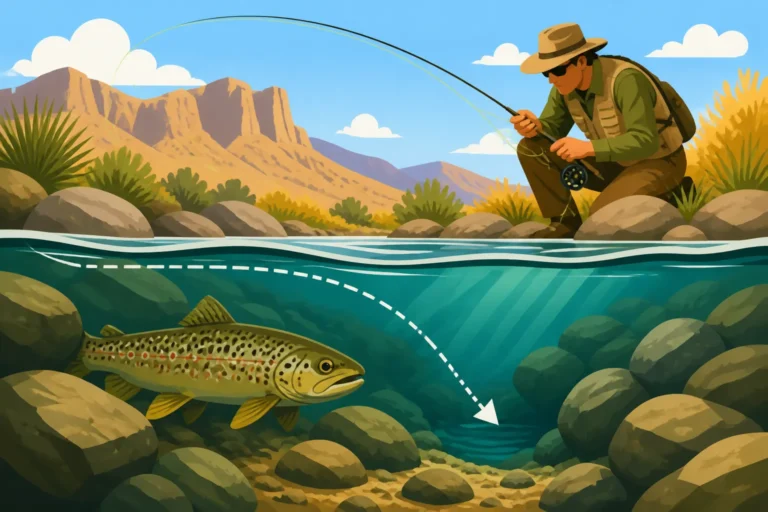
Fishing these environments requires a stealthy approach and an understanding of how trout position themselves to conserve energy while waiting for food. The water is typically colder, highly oxygenated, and relatively shallow in many areas. You'll often find fish tucked into seams where fast water meets slow, behind large boulders, under cut banks, or in the deeper sections of pools. Access can range from roadside convenience to strenuous backcountry hikes, and the rewards are often solitude and stunning natural beauty. However, these fish can be extremely wary due to clearer water and less fishing pressure than more accessible spots. Understanding New Mexico Trout Fishing Rules is especially important here, as some areas have special regulations for native species.
Tailwaters and Quality Waters
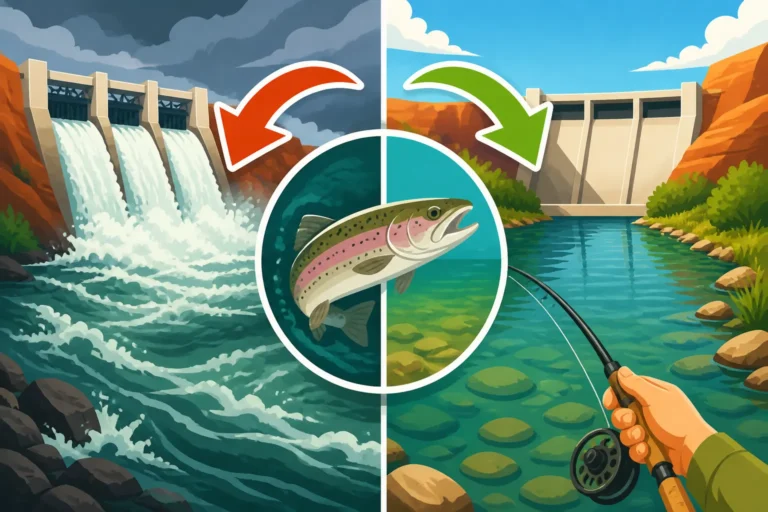
New Mexico is blessed with some truly world-class tailwater fisheries, most notably the San Juan River below Navajo Dam. These are rivers that flow out from the base of large dams, and they often offer remarkably stable water temperatures and nutrient-rich environments, leading to an abundance of aquatic insect life and, consequently, large, healthy trout. The San Juan River Quality Waters section is famous for its prolific hatches and dense populations of robust Rainbow Trout and Brown Trout, many reaching trophy sizes. This unique ecosystem often creates a challenging but incredibly rewarding fishing experience, attracting anglers from around the globe.
What makes tailwaters unique is their consistent flow and temperature, which is generally colder than the main river might be further downstream. This allows trout to thrive year-round, even in the heat of summer. However, the sheer abundance of food can make the fish incredibly selective. They see countless insects drifting by every day, becoming experts at discerning real food from artificial presentations. This often means using incredibly small flies, light tippet, and precise drifts. The angling pressure can also be high, so stealth and technical skill are paramount. A dedicated San Juan River Fishing Guide will give you even more insight into this famous fishery.
Stocked Lakes and Ponds
For many anglers, especially those just starting out or families looking for a fun day, New Mexico's stocked lakes and urban ponds are a fantastic option. The New Mexico Department of Game and Fish (NMDGF) regularly stocks Rainbow Trout into numerous waters across the state, including popular spots like Tingley Beach in Albuquerque, and larger lakes such as Fenton Lake Fishing or Bluewater Lake Fishing. These fisheries are designed to provide accessible opportunities and consistent action, especially in urban areas or during cooler months when other species might be less active.
Trout in stocked waters tend to be less selective than their wild counterparts, often striking at a wider variety of baits and lures. These lakes and ponds often have easy access, paved parking, and amenities like picnic tables and restrooms, making them ideal for a relaxed outing. While you might not find the same challenge as a remote stream, the joy of consistent catches and sharing the experience with others is undeniable. The key to success here often lies in using methods that appeal to hungry, recently stocked fish, and being aware of the latest stocking schedules.
Essential Gear for New Mexico Trout Fishing
Having the right tools for the job can make all the difference, whether you're battling a wild cutthroat in a remote stream or pulling a feisty rainbow from a stocked pond. Don't let gear be an afterthought; thoughtful selection can drastically improve your success and enjoyment on the water.
Rods, Reels, and Line Selection
For trout fishing in New Mexico, your rod, reel, and line are your primary connection to the fish, and choosing wisely depends heavily on the water you'll be fishing and your preferred technique.
Fly Fishing Setup:
- Rods: A good all-around fly rod for New Mexico trout would be a 9-foot, 5-weight rod. This is versatile enough for most high-mountain streams, smaller rivers, and even the larger tailwaters like the San Juan, allowing you to cast nymphs, dry flies, and smaller streamers. If you're focusing exclusively on small, brushy streams, a shorter 7.5-foot to 8.5-foot, 3- or 4-weight rod can be a joy to cast in tight quarters. For the more demanding conditions of the San Juan Quality Waters, many experienced anglers opt for a slightly longer 9.5-foot to 10-foot, 5-weight rod, which provides better line control for long nymphing drifts. You can often find excellent entry-level fly rod combos on Amazon that include everything you need to get started.
- Reels: A matching fly reel doesn't need to be overly expensive for trout. Its primary job is to hold line and balance the rod. A smooth, reliable drag system is a bonus for larger fish, but it's less critical than for saltwater or large game fish. Look for a lightweight reel that balances your rod well.
- Lines: A weight-forward floating line (WF) is the standard for most trout applications. For nymphing in deeper, faster water, a sink-tip line might be useful, but it's less common for general trout fishing. Your leader and tippet selection are perhaps even more critical than your main line. For general purposes, a 9-foot tapered leader ending in 4x or 5x tippet is a good starting point. On challenging waters like the San Juan, you'll often need to go down to 6x or even 7x tippet, which can be incredibly fine, to fool selective trout.
Spin Fishing Setup:
- Rods: For spin fishing, a light to ultralight spinning rod, typically 5 to 7 feet in length, is ideal. A fast action rod (one that bends mostly in the tip) provides sensitivity for detecting subtle bites and ample power for setting the hook. Shorter rods are great for tight brushy areas, while longer rods offer better casting distance on open lakes or larger rivers.
- Reels: A small, smooth-operating spinning reel in the 1000 to 2500 size range is perfect. Look for a reel with a good retrieve ratio and a reliable drag system.
- Lines: Four to six-pound test monofilament or fluorocarbon line is usually sufficient for most New Mexico trout. Fluorocarbon offers lower visibility and higher abrasion resistance, making it an excellent choice, especially in clear waters. Braid can also be used with a fluorocarbon leader for increased sensitivity and casting distance. If you're targeting larger trout in deeper lakes, you might consider stepping up to 8-pound test.
Waders, Boots, and Apparel
Comfort and safety on the water are paramount, especially when fishing in variable New Mexico weather and often slippery riverbeds.
- Waders: Breathable chest waders are generally the best choice for trout fishing in New Mexico. They keep you dry and can be layered underneath for warmth in cold conditions or worn with just shorts in warmer weather. Neoprene waders offer more warmth but are less versatile for changing temperatures. Look for durable materials and reinforced knees, especially if you'll be scrambling over rocks. Stockingfoot waders, which require separate wading boots, tend to be more comfortable for longer hikes and provide better ankle support.
- Wading Boots: A good pair of wading boots provides crucial traction on slick river bottoms. Felt soles were once popular but are increasingly restricted due to concerns about invasive species transfer; rubber soles with aggressive treads or even studs are now common. Make sure they fit comfortably over your wader booties.
- Apparel: Layering is key in New Mexico. Start with moisture-wicking base layers, add a fleece or wool mid-layer for warmth, and top it with a waterproof and windproof outer shell. Even on sunny days, a wide-brimmed hat, polarized sunglasses (essential for spotting fish and structure, and for eye protection), and sun-protective clothing are a must due to the high elevation and intense sun. Don't forget a good pair of fishing gloves for sun protection or warmth.
Tackle, Lures, and Bait Basics
Your tackle box or fly box should be tailored to the specific techniques you plan to employ. Knowing what fish eat and when is half the battle. This is where Best Lures for New Mexico Trout really shines.
Fly Fishing Tackle:
- Flies: This is where fly fishing gets fun (and sometimes overwhelming!). For nymphing, carry a variety of patterns like Pheasant Tails, Hare's Ears, Copper Johns, Zebra Midges, and San Juan Worms in different sizes (from tiny #22s for the San Juan to larger #14s for mountain streams). For dry flies, essential patterns include Adams, Caddis, Parachute Adams, and various terrestrials like hoppers and ants, again in a range of sizes. Streamers like Woolly Buggers (black, olive, brown) are versatile and effective. Don't forget egg patterns, especially during spawning seasons.
- Indicators: Strike indicators (like yarn, foam, or small bobbers) are vital for detecting subtle takes when nymphing.
- Split Shot/Weights: A selection of small split shot or tungsten putty helps get your nymphs down to the fish's feeding zone.
- Tools: Hemostats or forceps for hook removal, nippers for cutting line, and a small net (preferably rubber to protect fish) are indispensable.
Spin Fishing Tackle:
- Lures: A variety of small spinners (like Mepps, Rooster Tail, Panther Martin), spoons (Kastmasters, Dardevles), and small crankbaits (Rapala, small jerkbaits) will cover most situations. Bright colors often work well in stained water, while natural colors are better in clear water. For deeper lakes, soft plastics like small tubes or grub tails on jig heads can be effective.
- Bait: PowerBait (various colors and forms like dough or nuggets), salmon eggs, and worms (nightcrawlers, mealworms) are classic and highly effective baits for stocked trout. Corn can also be surprisingly effective.
- Terminal Tackle: A selection of small hooks (size 8-12 is common), swivels (barrel or snap swivels to prevent line twist with spinners), and sinkers (split shot, egg sinkers) are necessary.
- Tools: Pliers for hook removal, a stringer or cooler for keeping legal fish, and a small tackle box or bag to organize everything. Check Amazon for convenient tackle boxes and lure kits.
Fly Fishing Techniques for New Mexico Trout
Fly fishing is an art form that deeply connects you with the natural environment, and New Mexico offers a stunning canvas for it. Mastering a few core techniques will open up a world of possibilities.
Nymphing Strategies
Nymphing is arguably the most effective fly fishing technique for trout, as fish spend up to 90% of their feeding time subsurface, consuming aquatic insect larvae and pupae. Getting your fly down to their feeding zone and presenting it naturally is the name of the game.
-
Indicator Nymphing: This is the most common nymphing technique, especially on larger rivers like the San Juan Quality Waters. You attach a strike indicator to your leader, typically 2-3 feet above your first fly (or more, depending on water depth). Below the indicator, you'll rig one or two weighted nymphs, often with a small split shot above the top fly to help them sink. The goal is to cast upstream and allow your flies to drift naturally downstream at the same speed as the current, mimicking free-drifting insects. Any hesitation, dip, or sudden movement of the indicator signals a take. Precision in casting and mending your line to achieve a drag-free drift is critical, particularly on selective tailwaters. A delicate approach with appropriate leader and tippet length is key for success when nymphing on the San Juan River. Many anglers use a specialized two-fly rig setup for the San Juan River, allowing them to present two different fly patterns at varying depths.
-
Euro Nymphing (Tightline Nymphing): This more advanced technique omits the traditional strike indicator, relying instead on a specially designed leader and the angler's feel to detect strikes. The rod tip is held high, maintaining a direct line of contact with the nymphs as they drift. The advantage here is hyper-sensitivity and direct control over the flies, allowing for incredibly precise drifts and immediate strike detection. It's particularly effective in complex currents, deep runs, or when fish are feeding very subtly. While it has a steeper learning curve, it can be incredibly rewarding for experienced anglers looking to unlock difficult waters. This technique is gaining popularity on sections of the Rio Grande and other rivers where currents are varied.
-
Suspension Nymphing: This method uses a dry fly as an indicator, tying a weighted nymph off the bend of the dry fly's hook. This creates a "dry-dropper" rig. The dry fly floats, indicating strikes and also acting as a potential target for surface-feeding trout. This is highly effective in shallower riffles, pocket water, or when trout are opportunistically looking up and down for food. It allows for a dual presentation and is a favorite tactic in smaller mountain streams where fish might be less selective. Just make sure your dry fly is buoyant enough to support the weight of your nymph.
Dry Fly Presentations
The thrill of seeing a trout rise to your perfectly presented dry fly is one of fly fishing's greatest joys. Dry fly fishing is most effective when insects are hatching, or when terrestrial insects (like grasshoppers, ants, or beetles) are falling into the water.
- Upstream Presentation: The classic dry fly presentation involves casting your fly upstream of a rising trout or a likely holding lie, allowing it to drift naturally downstream over the fish. The goal is a drag-free float, meaning the fly moves at the same speed as the surface current without being pulled unnaturally by your fly line. Mending your line (repositioning it without moving the fly) is essential to achieve this.
- Targeting Risers: When you see trout actively rising, observe them carefully. What are they eating? Are they sipping tiny midges, splashing at caddis, or gulping larger terrestrials? Matching the hatch – selecting a fly that closely imitates the size, shape, and color of the natural insect – is paramount. A good selection of BWO, Caddis, and Midge patterns in various sizes will cover most hatches on New Mexico waters.
- Terrestrial Fishing: During summer and early fall, especially in meadow streams or near grassy banks, terrestrial patterns can be incredibly effective. Hoppers, ants, and beetles provide a substantial meal for trout, and they'll often move aggressively to strike them. Casting these patterns near bankside vegetation or over deeper pools where larger fish lurk can yield exciting results. This technique is great for exploring new water and can be used on many of New Mexico's rivers, including the Rio Chama Fishing, especially during late summer.
Streamer Fishing
Streamer fishing involves imitating larger baitfish, leeches, or sculpins, and it's a fantastic way to target aggressive, predatory trout, especially larger brown trout. This isn't about subtle drifts; it's about movement and provocation.
- Strip and Pause: The most common streamer technique involves casting across or slightly downstream and then stripping the line back in short, erratic tugs, interspersed with pauses. This imitates a wounded baitfish. Vary your retrieve speed and depth until you find what triggers a strike.
- Swinging Streamers: In this method, you cast your streamer across the current and allow it to swing downstream, covering different sections of water. This can be particularly effective in faster runs or when searching for fish.
- Leader and Line: For streamers, you'll generally use a heavier leader (0X to 2X) and sometimes a sink-tip line to get your fly down quickly. Popular streamer patterns include Woolly Buggers (olive, black, brown), Clouser Minnows, and Sculpzillas. Streamer fishing can be very effective in places like the Rio Grande or larger sections of the Pecos River, especially when targeting larger brown trout hiding in deeper pockets.
Spin Fishing Techniques for New Mexico Trout
Spin fishing is an accessible and effective way to catch trout in New Mexico, offering versatility and ease of use. It's often the preferred method for stocked lakes and many rivers, especially for beginners or those seeking consistent action.
Lure Selection and Presentation
The key to successful lure fishing is understanding what imitates a trout's natural prey and how to make that lure irresistible.
-
Spinners: Small inline spinners are a go-to for many New Mexico anglers. Brands like Mepps, Rooster Tail, and Panther Martin are perennial favorites. The spinning blade creates flash and vibration, mimicking a small baitfish or insect struggling in the water.
- Presentation: Cast your spinner upstream or across the current in a river, allowing it to sink briefly before beginning a slow, steady retrieve. The current will help impart action to the blade. In lakes, cast out and retrieve at varying speeds and depths until you find what the fish are looking for. Experiment with different colors – bright colors (chartreuse, orange) can be great in off-color water, while more natural patterns (silver, gold, black) excel in clear conditions.
- Tip: Always check that your spinner blade is rotating freely before casting. A bent or fouled blade won't produce the necessary action. If you're buying new lures, check Amazon for variety packs that let you experiment without breaking the bank.
-
Spoons: Small, flashy spoons like Kastmasters or Dardevles are excellent for covering water, especially in larger lakes or deeper pools. Their erratic wobble and flash imitate injured baitfish.
- Presentation: Cast and retrieve with a stop-and-go motion, allowing the spoon to flutter on the fall. This is when many strikes occur. Spoons are particularly effective when trout are actively chasing bait. They can be cast long distances, making them ideal for covering wide areas from shore or a boat. Try different retrieve depths by counting down after your cast before you start reeling.
-
Crankbaits and Jerkbaits: Small, shallow-diving crankbaits or suspending jerkbaits (like those from Rapala) can be incredibly effective, especially for larger, more aggressive trout. They mimic a variety of baitfish and crayfish.
- Presentation: Cast parallel to shorelines, over submerged structure, or into deeper holes. Retrieve with a steady crank, or a twitch-twitch-pause retrieve for jerkbaits. These lures can trigger reaction strikes from fish that might ignore other presentations. Varying your retrieve is crucial; some days a steady retrieve is best, other days a more erratic action will be the ticket.
Bait Fishing Tactics
When in doubt, bait can often catch fish, especially recently stocked trout or those in urban ponds. It appeals to their natural senses of smell and taste.
-
PowerBait: This synthetic bait is a staple for stocked trout. It comes in various colors, shapes (dough, nuggets, worms), and scents.
- Presentation: The most common method is a small ball of PowerBait on a size 8-12 hook, fished off the bottom with a sliding egg sinker. This allows the fish to pick up the bait without feeling the weight of the sinker. The PowerBait floats, suspending just above the bottom, making it highly visible. Another effective method is to use a small split shot weight a foot or two above a PowerBait nugget under a bobber in shallower water. This is particularly effective for kids and new anglers.
- Tip: Experiment with different colors. Sometimes, what works one day won't work the next, and trout can be surprisingly selective about color.
-
Worms and Live Bait: Good old nightcrawlers, red wigglers, or even mealworms are classic trout baits. The natural scent and action are hard for trout to resist.
- Presentation: A piece of nightcrawler hooked once or twice (leaving a tail to wiggle) under a bobber is a highly effective setup for stocked ponds and slower-moving streams. For deeper water, a worm fished on a hook with a small split shot, allowing it to drift naturally, can be deadly.
- Considerations: Always check current New Mexico Fishing Regulations Overview for rules on live bait, as some "Quality Waters" or "Special Trout Waters" may have restrictions, often requiring artificial lures and flies only.
-
Salmon Eggs: These brightly colored eggs are another favorite, mimicking the natural roe that trout often feed on.
- Presentation: Fish a single salmon egg or a small cluster on a tiny hook (size 14-18) with a minimal split shot, allowing it to drift naturally. This is especially effective in streams where trout might be accustomed to feeding on eggs.
Using Spinners and Spoons
While covered briefly in lure selection, let's dive deeper into the nuances of making these highly effective lures perform their best.
- Matching Conditions: In clear, sunny conditions, silver or gold blades/spoons can create a lot of flash that attracts fish from a distance. In overcast conditions or stained water, brighter colors like chartreuse, orange, or even dark patterns like black or brown might be more effective, relying on silhouette and vibration.
- Varying Retrieve: The retrieve speed is critical. A slow retrieve is often best for colder water or less active fish, while a faster retrieve can trigger reaction strikes from aggressive trout. Experiment with pauses and twitches. Allow your spinner to helicopter down into a pool before starting the retrieve.
- Current Manipulation: In rivers, casting upstream and retrieving just fast enough to keep the blade spinning allows for a natural drift through prime holding water. Casting downstream and retrieving can be effective for covering broad runs, but be mindful of line twist if you're not using swivels.
- Water Column Coverage: With spoons, let them sink to different depths on each cast before beginning your retrieve. This helps you figure out where the fish are holding in the water column. If you get a hit at a certain depth, try to replicate that consistently.
- Line Twist: Spinners, especially inline varieties, can cause significant line twist. Use a good quality barrel swivel a foot or two above your lure to minimize this problem. Periodically check your line for twists and replace it if it becomes too kinked.
Seasonal Considerations for Trout Fishing
New Mexico's distinct seasons profoundly influence trout behavior and, consequently, the most effective fishing techniques. Understanding the New Mexico Fishing Season Calendar is key to planning a successful trip.
Spring Runoff and Post-Runoff Tactics
Spring in New Mexico often brings increased snowmelt, leading to higher, faster, and sometimes muddier river flows, a period known as runoff. This can be challenging but also incredibly rewarding.
-
During Runoff: High, turbid water disperses fish and makes visual feeding difficult. Trout often move to slower, calmer water on the edges of the main current, behind large rocks, or into eddies and side channels. They're looking for areas where they can expend less energy while still having access to food.
- Techniques: Focus on heavy nymphing rigs with larger, darker flies (like San Juan Worms, Pats Rubber Legs, or larger stonefly imitations) that stand out in murky water. Use plenty of weight to get your flies down quickly. Spin anglers should opt for larger, brightly colored spoons or spinners that create a lot of vibration. Bait fishing with worms is also highly effective.
- Safety: Always exercise extreme caution around high, fast water. Wading can be dangerous. Bank fishing from stable ground is often the safest bet.
-
Post-Runoff: As flows begin to drop and water clarity improves, fishing can be exceptional. Trout become more active and willing to feed as conditions stabilize and new food sources become available.
- Techniques: This is a prime time for a variety of techniques. Nymphing remains strong, but you can lighten your rig as water levels recede. Hatches of caddis, stoneflies, and mayflies often begin, presenting opportunities for dry fly fishing. Streamer fishing can also be very productive as trout become more aggressive after the lean runoff period. Many lakes and rivers get restocked in the spring, making bait and lure fishing highly effective on these waters.
Summer High-Country and Deep Water Approaches
New Mexico summers are hot, and lowland waters can warm up, making high-country fishing especially appealing.
-
High-Country Streams and Lakes: As temperatures rise, trout in lower elevations may become lethargic. Heading to the cooler, higher elevation streams and lakes offers prime fishing. These waters remain cold and well-oxygenated.
- Techniques: Fly fishing with dry flies (especially terrestrial patterns like grasshoppers and ants) can be fantastic on mountain streams. Nymphing in deeper pools and runs is also productive. High-country lakes are great for casting small spinners or spoons from shore, or fly fishing with nymphs and streamers. Early mornings and late evenings are often the most productive times.
-
Deep Water in Reservoirs: In larger, warmer reservoirs like Elephant Butte Lake or Navajo Lake, trout (and species like Kokanee Salmon) will seek out cooler, deeper water during the heat of summer.
- Techniques: This often requires a boat and specialized techniques like trolling with downriggers to get lures or flies down to the desired depth. Jigging spoons or soft plastics vertically can also be effective over submerged structure. For bank anglers, fishing very early or very late in the day, or even night fishing, can be productive for species like catfish or even trout that move into shallower water to feed under the cover of darkness. Remember that New Mexico Trout Bag and Possession Limits are important to follow.
Fall Spawning Runs and Aggressive Feeding
Fall is often considered one of the best times to fish in New Mexico. Cooler temperatures invigorate trout, and many species begin their spawning migrations, leading to aggressive feeding.
-
Brown Trout Spawning: Brown trout typically spawn in the fall. During this time, they become very territorial and aggressive.
- Techniques: Large streamers (especially those imitating other fish or leeches) can provoke powerful strikes from spawning browns. Egg patterns fished in likely spawning areas (but be mindful not to disturb spawning beds) can also be very effective. Nymphing with larger stonefly or caddis patterns also works well. Spin anglers can find success with larger spoons and crankbaits.
- Ethical Angling: Be respectful of spawning fish. Avoid wading directly on spawning redds (areas where fish lay eggs), which appear as clean, gravelly patches.
-
Increased Activity: All trout species become more active as water temperatures cool. They are packing on weight for the upcoming winter.
- Techniques: This means excellent opportunities for both dry fly and nymph fishing. Hatches of blue-winged olives (BWO) can be prolific, leading to fantastic dry fly action. Terrestrial fishing remains strong early in the fall. Lure and bait fishing in stocked lakes also picks up significantly. Fall is a prime time for a New Mexico Fishing License for Visitors on Vacation due to the comfortable weather and active fish.
Winter Tailwater and Ice Fishing
Winter in New Mexico can offer surprising opportunities for dedicated anglers, particularly on tailwaters and frozen lakes.
-
Tailwater Fishing: Rivers like the San Juan, with their consistent cold-water flows, remain productive year-round. While hatches may be sparser, trout are still feeding.
- Techniques: Winter tailwater fishing is often a nymphing game. Trout tend to hold in deeper, slower runs and pools, conserving energy. Tiny midge patterns (size 20-24) are often the most effective, as midges are one of the primary food sources during winter. Very light tippets (6x-7x) and precise, drag-free drifts are critical. Streamer fishing can also entice a strike from a large, lethargic trout. Fish will often concentrate in specific areas, so once you find them, you can experience fantastic action.
-
Ice Fishing: When lakes like Eagle Nest Lake, Heron Lake, and Bluewater Lake freeze over sufficiently, ice fishing becomes a popular winter activity.
- Techniques: Small jigs tipped with mealworms, wax worms, or PowerBait are highly effective. Vertical jigging spoons can also entice strikes. Ice fishing requires specialized gear like ice augers, shelters, and appropriate winter clothing. Always check ice thickness before venturing out onto any frozen lake. Safety first!
- Target Species: Trout are a primary target, but you might also catch kokanee salmon or perch through the ice. It's a unique experience that offers a different perspective on New Mexico fishing.
Reading the Water and Locating Trout
Catching trout often comes down to one fundamental principle: finding the fish. Trout are masters of efficiency, positioning themselves in spots that provide food, cover, and minimal energy expenditure. Learning to "read the water" is like having a secret map to their hideouts.
Identifying Holding Lies in Rivers
In rivers and streams, trout utilize the current to their advantage, often holding in specific "lies" where food is delivered directly to them, but they don't have to fight the main force of the flow.
- Current Seams: These are perhaps the most productive spots. A current seam is where fast water meets slow water. Trout will sit in the slower water, waiting for food to be carried past in the faster current. Look for subtle lines or changes in water texture on the surface. These can be found along banks, behind large rocks, or where a side channel rejoins the main flow.
- Eddies: These are circular currents, often found downstream of large obstructions or on the inside bends of rivers. Food gets trapped in eddies, making them prime feeding stations. Cast your flies or lures into the main current just upstream of the eddy and let them drift into the calmer water.
- Riffles and Runs: Riffles are shallow, fast-moving sections of water with a broken surface. They are highly oxygenated and often where aquatic insects hatch. Trout will hold in the deeper pockets within or just downstream of riffles, picking off emerging insects. Runs are deeper, smoother sections of moving water, often excellent for nymphing.
- Pools: Pools are deeper, slower-moving sections of the river, often found below riffles or falls. They provide trout with security and a place to rest. The head (top) of the pool, where the current enters, and the tail (bottom) of the pool, where the current exits, are often the most productive areas. Deeper sections in the middle can hold larger, more cautious trout.
- Undercut Banks and Overhanging Vegetation: These areas provide excellent cover from predators and strong currents. Trout often tuck themselves into these spots, darting out to snatch food. Present your lure or fly as close to the bank as possible without getting snagged.
- Obstructions: Any large boulder, log, or fallen tree can create a "current break" that trout will utilize. The calmer water directly downstream of these obstructions is a classic trout lie.
Locating Trout in Lakes and Ponds
Lakes and ponds lack the consistent current of rivers, so trout location is more dependent on depth, structure, and water temperature.
- Structure: Trout in lakes will orient themselves around structure. This includes submerged trees (snags), rock piles, weed beds, drop-offs (where the bottom quickly gets deeper), and even man-made features like old roads or foundations. These provide cover and often hold baitfish or aquatic insects. Use a fish finder if you have access to a boat to locate these features.
- Depth and Temperature: In warmer months, trout will seek cooler, deeper water. Conversely, in colder months, they might move into shallower areas that warm up more quickly during the day. Understanding the thermocline (the layer where water temperature changes rapidly with depth) can be crucial in larger lakes; trout often suspend just above or within this layer.
- Inlets and Outlets: Where a stream flows into or out of a lake, you'll often find a concentration of trout. The incoming water brings fresh oxygen and food, while the outlet creates current that can attract fish.
- Shoreline Features: Points, coves, and areas with submerged timber along the shoreline are all prime spots. Windblown shorelines can also be productive, as the wind pushes bait and insects toward them.
- Stocking Areas: If you're fishing a stocked pond, trout will often remain concentrated near the stocking location for a few days, so knowing the approximate stocking points can give you an edge. Many NMDGF urban ponds are regularly stocked.
Understanding Current and Structure
Current and structure are intricately linked in a trout's world. They dictate where a fish will position itself to conserve energy, hide from predators, and ambush food.
- Energy Conservation: Trout are constantly balancing feeding opportunities with energy expenditure. They won't fight a strong current if they don't have to. Instead, they'll find pockets of slower water (like those behind rocks or in current seams) where they can hold with minimal effort, waiting for food to drift into their strike zone. Your presentation needs to mimic this natural drift.
- Food Delivery: The current acts as a conveyer belt for food. Trout will typically face upstream, waiting for nymphs, baitfish, or terrestrials to come to them. Your casts should always consider this, bringing your offering from upstream to downstream in a natural path.
- Cover: Structure provides vital cover from avian predators (like ospreys and eagles) and terrestrial predators (like raccoons or bears). It also offers refuge from bright sunlight. Deeper water, undercut banks, overhanging branches, and submerged logs all provide security. The bigger the fish, the more they appreciate good cover.
- Flow and Clarity: High flows or turbid water (like during spring runoff) will push fish closer to the banks and into slower, more protected areas. Clear, low water conditions make fish warier, requiring longer leaders, finer tippets, and more stealthy approaches. This is especially true in the San Juan River Special Trout Water Section where trout can be incredibly discerning.
Catch and Release Best Practices
New Mexico's trout fisheries, especially those sustaining wild or native populations, rely heavily on responsible angling practices. Catch and Release Best Practices in New Mexico are vital to ensure healthy fish populations for future generations.
Minimizing Stress and Handling Fish Properly
Every interaction with a fish, from the fight to the release, impacts its survival. The goal is to minimize stress and physical damage as much as possible.
- Reduce Fight Time: Use appropriate tackle that allows you to land a fish efficiently without overly exhausting it. Prolonged fights, especially in warm water, build up lactic acid in a fish's muscles, similar to what happens to humans during intense exercise. This can be fatal.
- Keep Fish in Water: The golden rule of catch and release is to keep the fish in the water as much as possible. Taking a fish out of water, even for a quick photo, deprives it of oxygen and can damage its protective slime coat and delicate gills. If you must lift it, do so quickly and support its weight horizontally. Never hold a fish vertically by the jaw or tail, as this can dislocate its spine or jaw.
- Wet Your Hands: Always wet your hands thoroughly before touching a fish. Dry hands can remove the fish's protective slime coat, making it vulnerable to fungal infections and parasites.
- Gentle Handling: Handle the fish gently but firmly. Avoid squeezing it. If the fish is thrashing, keep it in the water until it calms down.
Essential Tools for Release
Having the right tools ready makes a quick, clean release much easier and safer for both you and the fish.
- Barbless Hooks: These are arguably the most important tool. Barbless hooks (or hooks with crushed barbs) make hook removal quick and easy, minimizing damage to the fish's mouth. Many of New Mexico's most sensitive fisheries, like the San Juan Quality Waters, require barbless hooks. You can use your pliers to flatten the barbs on any barbed hooks you own.
- Forceps or Pliers: Keep a pair of long-nosed pliers or forceps readily accessible. These are essential for quickly and safely removing hooks, especially when they are deeply embedded.
- Rubber Landing Net: A net with a rubber or knotless mesh basket is far superior to traditional knotted nylon nets. Rubber nets are gentler on a fish's scales and slime coat and prevent hooks from snagging, allowing for a faster release.
- Revival: If a fish seems sluggish after being unhooked, hold it gently in the current, facing upstream, allowing water to flow over its gills. This helps to re-oxygenate its blood. Do not move it back and forth; this can actually harm its gills. Wait until it can swim away under its own power.
Why Catch and Release Matters for New Mexico's Fisheries
Catch and release isn't just a suggestion; it's a critical conservation practice, particularly in New Mexico where many native trout species are still recovering or face environmental pressures.
- Preserving Native Species: New Mexico is home to the Rio Grande Cutthroat Trout and the Gila Trout, both native species that have faced significant declines. Catch and release practices are paramount to ensuring these populations recover and thrive.
- Maintaining Fish Populations: Even in stocked waters, responsible catch and release of larger, wilder-strain fish helps maintain a healthy age structure in the population. In wild fisheries, it allows fish to grow to trophy sizes and contribute to future generations.
- Sustainable Angling: As fishing pressure increases, catch and release ensures that the resource remains viable for everyone. It means more fish for more anglers, fostering a culture of sustainable outdoor recreation.
- Quality Fishing Experiences: Fisheries managed with strong catch and release ethics often provide higher quality angling experiences, with more opportunities to catch larger and healthier fish. It’s a win-win for the fish and the angler.
| New Mexico Trout Fishing Techniques Overview | ||
|---|---|---|
| Habitat Type | Primary Techniques | Key Considerations |
| High Mountain Streams & Rivers | Fly Fishing (Nymphs, Dries, Small Streamers), Spin Fishing (Small Spinners) | Stealth, delicate presentations, wading safety, matching small hatches/terrestrials. |
| Tailwaters (San Juan Quality Waters) | Fly Fishing (Technical Nymphing, Midge Dries), Spin Fishing (Small Lures, PowerBait) | Highly selective fish, light tippet, small flies, drag-free drifts, barbless hooks required. High angling pressure. |
| Stocked Lakes & Ponds | Spin Fishing (Bait, Spinners, Spoons), Fly Fishing (Woolly Buggers, Nymphs) | Less selective fish, good for beginners/families, focus on recent stocking schedules. Early morning/late evening best in summer. |
| Deep Reservoirs (Trout/Kokanee) | Trolling (Downriggers, Flashers), Jigging | Requires boat access, fish finders, understanding depth/thermocline, specialized trolling gear. |
| Ice Fishing (Frozen Lakes) | Jigging (Small Jigs, Spoons), Bait Fishing | Safety (ice thickness), specialized gear (auger, shelter), fish often lethargic. |
Disclaimer
Please note that fishing regulations in New Mexico can change. Always consult the most current New Mexico Department of Game and Fish regulations booklet or website before heading out to fish. This guide provides general information and recommendations, but it is your responsibility to know and follow all applicable laws and regulations.