Fly Selection for New Mexico’s San Juan River
Oh, the San Juan River. If you've ever dreamt of fly fishing paradise, you’ve probably had visions of its legendary waters dancing in your head. But for many anglers, especially those new to this iconic New Mexico fishery, the sheer number of fly patterns and the river's unique demands can feel completely overwhelming. Don't worry, you're not alone in feeling a bit lost. This guide is here to demystify fly selection for the San Juan, helping you confidently choose the right patterns to entice those famously discerning trout.
Decoding the San Juan River's Unique Ecosystem for Fly Anglers
The San Juan River below Navajo Dam is a truly special place, renowned globally for its incredible trout fishing, particularly within its "Quality Waters" section. This isn't just any river; it's a tailwater fishery, meaning its flows and temperatures are largely regulated by the dam upstream. This constant, cold, nutrient-rich water creates an ecosystem that supports an immense population of large, healthy trout, but it also creates specific challenges when it comes to fly selection. Many anglers come here expecting typical river fishing and quickly realize the San Juan plays by its own rules.
Understanding the Quality Waters Section
The heart of the San Juan River's reputation lies in its Quality Waters, a stretch beginning at the outlet of Navajo Dam and extending downriver for approximately 3.75 miles to the Crusher Hole. This area is under New Mexico Special Trout Water Rules and is strictly managed to foster a trophy trout fishery. What does this mean for your fly selection? Well, the regulations here are quite specific: only artificial flies and lures with a single, barbless hook are permitted. This immediately narrows your tackle box, pushing you towards flies that are proven fish catchers, rather than relying on bait or barbed hooks. The fish in this section see a lot of angler pressure and are incredibly well-fed on a consistent diet of tiny aquatic insects, making them notoriously picky. You can learn more about these specific requirements in the Rules for the San Juan River Special Trout Water guide.
The constant flow and consistent water temperatures from the dam provide an ideal, stable environment year-round, which in turn leads to consistent insect hatches. However, the dominant insects are often incredibly small, forcing anglers to scale down their fly patterns. We're talking about flies in sizes #20 all the way down to #28 or even #32! This can be a huge shift for anglers used to larger patterns. The trout here are accustomed to filtering hundreds, if not thousands, of these tiny morsels every day, so your presentation and fly choice need to be absolutely dialed in to mimic their natural food source.
Reading the River and Its Currents
While the San Juan is a tailwater, it's far from a stagnant canal. The river has a complex series of riffles, runs, pools, and eddy lines, all of which present different feeding opportunities for trout and require varied fly presentations. Understanding where trout hold and feed in these currents is paramount to successful fly selection and technique. A large, deep pool might hold dozens of fish, but they might be lethargically sipping tiny midges, demanding a delicate approach with microscopic patterns. Conversely, a faster run might have aggressive trout darting for nymphs swept downstream, allowing for slightly larger, more visible patterns.
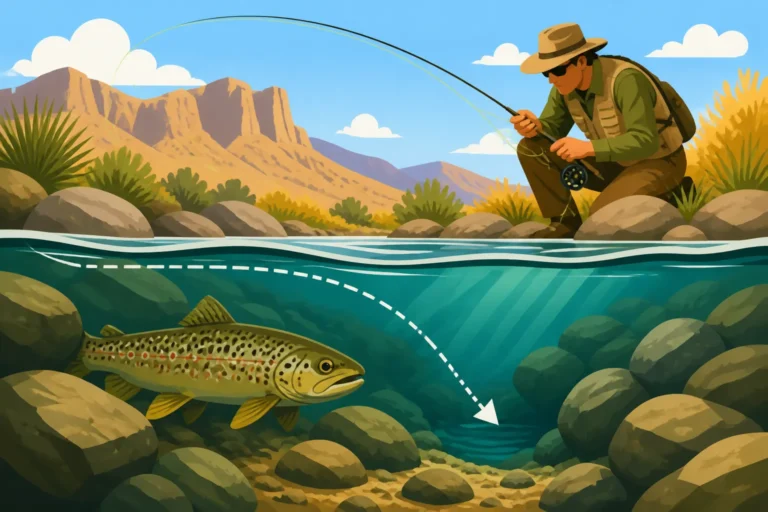
The consistent flows from Navajo Dam mean that the river often has a powerful, steady current. This impacts how your flies drift and how fish perceive them. Trout will typically orient themselves into the current, waiting for food to be delivered directly to them. This means your flies need to drift naturally, at the same speed as the surrounding water – a perfect "dead drift." Any unnatural drag on your line will pull your flies away from the fish or make them look suspicious. Therefore, choosing flies that have the right weight and profile to sink quickly to the feeding zone and maintain a natural drift is crucial. Even the slightest aberration in drift can send a San Juan trout scurrying for cover.
The Big Three: Essential Fly Categories for San Juan Success
When you talk about fly fishing the San Juan, three major categories of insects dominate the trout's diet: midges, mayflies, and caddisflies. While other insects might make appearances, these are the pillars of the San Juan food chain. Mastering the art of selecting and presenting flies that mimic these insects will unlock the river's secrets. Don't feel like you need a thousand different patterns; often, a solid selection within these categories will cover most situations.
Mastering Midge Patterns
Midges are, without a doubt, the most important insect on the San Juan River. They are present year-round and make up a massive portion of the trout's diet. These tiny, two-winged insects go through a complete metamorphosis, and trout will feed on them at every stage: larva, pupa, and adult. This means you need a selection of midge patterns to cover all these bases. Think small, really small. Sizes #20 down to #28 are common, and sometimes even smaller. When you visit a local fly shop or browse Amazon for patterns, you'll see a dizzying array of midge imitations.
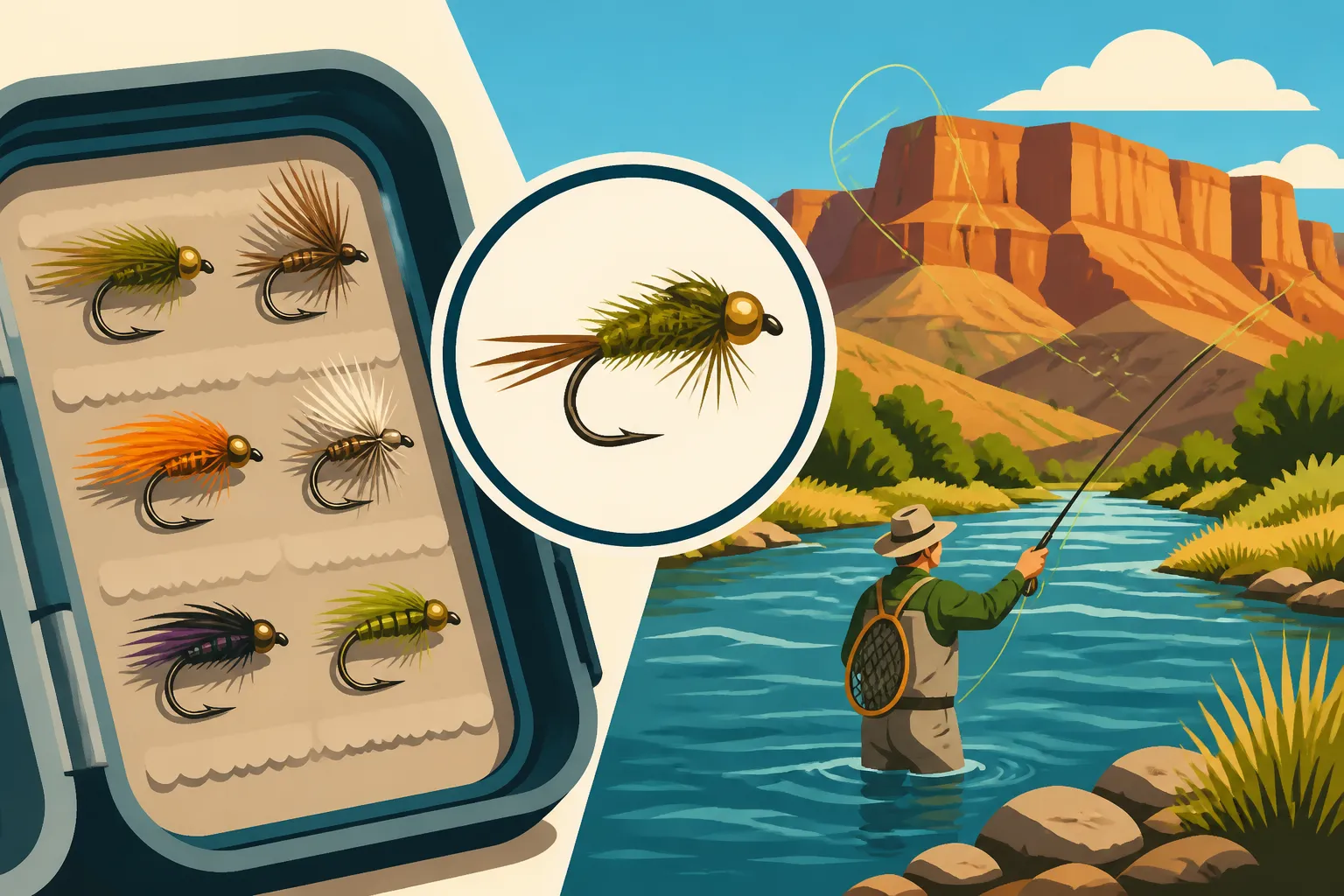
For midge larvae, patterns like the Red Larva, Black Beauty, or a simple zebra midge are incredibly effective. These imitate the worm-like larval stage that lives in the silty bottom. Trout will often gorge on these in slower, deeper runs. When midges begin to emerge from the riverbed to transform into adults, they become pupae, slowly rising through the water column. This is a critical feeding window for trout. Patterns like the Mercury Midge, Disco Midge, or Top Secret Midge, often with a small bead or flash collar, do an excellent job imitating these struggling pupae. Finally, adult midges, tiny as they are, can create subtle rises on the surface. While less common for consistent dry fly action on the San Juan, having a few Griffith's Gnats or tiny Parachute Adams in sizes #22-26 can capitalize on these specific, often brief, feeding frenzies. You can dive deeper into these tiny insects with our Midge Fishing Tips for the San Juan River article.
Nymphing: The Bread and Butter of the San Juan
If midges are the primary food source, then nymphing is the primary technique for catching trout on the San Juan. Nymphs are the immature aquatic forms of insects like mayflies and caddisflies, and trout spend the vast majority of their time feeding on these submerged stages. Because the San Juan's currents deliver a constant conveyor belt of nymphs, perfecting your nymphing game is non-negotiable. This often involves a multi-fly rig, designed to present flies at various depths in the water column. The "New Mexico Rig" or a similar tandem nymph setup is a go-to for many experienced San Juan anglers.
Mayfly nymphs are hugely important, with various species hatching throughout the year. Key patterns include the Annelid Worm, San Juan Worm (ironically, named after the river and effective despite not being a true insect), various Pheasant Tail Nymphs, Hare's Ear Nymphs, and Barr's Emergers. Baetis (Blue-Winged Olive) nymphs are particularly vital, especially during cooler months, so having imitations in sizes #18-24 is essential. Caddisfly nymphs, such as various green rockworms or pupae patterns like the Mercury Caddy, also play a significant role. These are often slightly larger than midge patterns, perhaps in sizes #16-20. When tying on a nymph, ensure it has enough weight to get down quickly, especially in faster currents. Remember, natural drift is key; your flies need to tumble along the bottom as if they're free-floating food. You can learn comprehensive techniques in our Nymph Fishing on the San Juan River guide.
Occasional Dry Flies and Emergers
While the San Juan is predominantly a nymph fishery, there are definitely times when dry flies or emergers can be incredibly effective, and arguably, the most exciting way to catch fish. These opportunities often arise during strong midge or mayfly hatches, or sometimes even when caddis are active. An emerger pattern is designed to imitate an insect struggling to break through the surface film, making it an irresistible target for rising trout. Patterns like the Sprout Midge, CDC Midge Emerger, or a small BWO emerger (like a RS2 or Mercury Baetis) are excellent for these situations.
True dry fly fishing, where trout are actively feeding on adult insects on the surface, can be more challenging but immensely rewarding. Look for consistent, rhythmic rises where trout are clearly taking insects from the surface. During a good Baetis hatch (often in spring and fall), small Parachute Adams or comparaduns in sizes #18-24 can be lights out. Caddis hatches, particularly in warmer months, can also provide dry fly opportunities with patterns like Elk Hair Caddis or Goddard Caddis in sizes #14-18. Don't discount these surface opportunities, but be prepared to spend most of your time subsurface. Patience and precise casts are key for Dry Fly Fishing in New Mexico conditions like those on the San Juan.
Seasonal Strategies for Fly Selection on the San Juan
The consistent nature of a tailwater fishery means there isn't as dramatic a seasonal shift in insect life as on a free-flowing river. However, subtle changes in water temperature, flow rates, and light conditions do influence which insects are most active and, consequently, which flies will be most effective. Adapting your fly selection to the time of year can significantly boost your success.
Winter and Early Spring: Cold Water Tactics
During the colder months, from late fall through early spring, the San Juan's water temperatures remain consistently chilly, usually in the low to mid-40s Fahrenheit. In these conditions, insect activity tends to slow down, but midges become even more dominant. Trout metabolism also slows, making them less willing to move far for a meal. This means your presentation needs to be incredibly precise, and your flies generally need to be smaller and closer to the bottom. This is prime time for tiny midge larva and pupa patterns.
Focus on patterns like Zebra Midges, Top Secret Midges, Disco Midges, and various Blood Midge larva imitations, all in sizes #20-28, or even smaller if you dare! Baetis (Blue-Winged Olive) nymphs are also critical during these colder periods, as these mayflies can hatch even in frigid temperatures. Have plenty of small Pheasant Tail Nymphs, RS2s, and Mercury Baetis in sizes #18-24 ready. For leader material, you’ll want to drop down to 5x, 6x, or even 7x fluorocarbon to avoid spooking these cold-water fish. Many anglers looking for the Best Flies for the San Juan River in Winter will focus heavily on these tiny patterns.
Late Spring and Summer: Post-Runoff and Warmer Flows
As spring progresses into summer, the San Juan sees a slight increase in water temperature and often a surge in flow from snowmelt runoff (though less dramatic than undammed rivers). While midges are still present, other insects become more active. Caddis hatches can become more prevalent, and larger mayfly species might make an appearance. This period can offer a bit more variety in fly choice and technique.
You'll still rely heavily on midge patterns, perhaps moving up to sizes #20-24 more often. However, caddis pupa and larva patterns like the Bead Head Green Rockworm or LaFontaine Sparkle Pupa in sizes #16-20 become increasingly important. Some anglers will find success with San Juan Worms in various colors (red, pink, orange, natural). Baetis nymphs remain important, and you might occasionally encounter a PMD (Pale Morning Dun) hatch, calling for small yellow-bodied emergers or nymphs. If you’re seeing surface activity, have some Elk Hair Caddis in various sizes ready, or small Parachute Adams. Remember, even with slightly warmer water, the fish are still educated, so maintaining a natural drift is always paramount. When searching for What Flies Work Best on the San Juan River in Summer?, don't forget those versatile caddis.
Fall: Changing Conditions and Opportunistic Feeds
Fall on the San Juan is a truly beautiful time, often with cooler temperatures, vibrant foliage, and consistent fishing. Water temperatures begin to drop, and insect activity can vary, leading to some excellent opportunities. Baetis hatches can be particularly strong and consistent, offering great nymphing and occasional dry fly chances. Midges remain a constant food source, but trout might also be more opportunistic, chasing larger patterns as they prepare for winter.
This season is fantastic for Baetis nymphs and emergers (Pheasant Tail, RS2, Mercury Baetis, Juju Baetis) in sizes #18-24. Midge patterns are, of course, always on the menu, especially the pupal and larval stages. San Juan Worms continue to be effective, and sometimes a larger attractor nymph like a Prince Nymph or Copper John in sizes #14-18 can pick up an aggressive fish. If you hit a strong Baetis hatch, keep an eye out for rising fish and be ready with small Parachute Adams or comparaduns. The fish are often very healthy and strong this time of year, making for some epic battles.
| Season | Key Fly Categories | Common Patterns (Sizes) | Techniques Recommended |
|---|---|---|---|
| Winter/Early Spring | Midges, Baetis Nymphs | Zebra Midge (#20-28), Top Secret Midge (#22-28), Red Larva (#20-26), Pheasant Tail Nymph (#18-24), RS2 (#20-24) | Deep Nymphing, Indicator Rigs |
| Late Spring/Summer | Midges, Caddis, Baetis Nymphs | Mercury Caddy (#16-20), Green Rockworm (#14-18), San Juan Worm (#12-18), Elk Hair Caddis (#14-18), Baetis Nymphs (#18-22) | Nymphing, Occasional Dry Fly, Streamer (low light) |
| Fall | Baetis Nymphs/Emergers, Midges | Juju Baetis (#18-24), Mercury Baetis (#20-24), Parachute Adams (#18-24), Copper John (#14-18), Griffith's Gnat (#20-24) | Nymphing, Dry Fly (during hatches), Two-Fly Rigs |
Beyond the Basics: Advanced Rigs and Presentation
Catching fish on the San Juan isn't just about having the right fly; it's equally about how you present it. The combination of clear water, educated trout, and consistent flows demands precision and a thoughtful approach to your rigging. Don't be afraid to experiment, but always start with proven methods.
The "New Mexico Rig" and Its Variations
The so-called "New Mexico Rig" is a staple for a reason on the San Juan River. It's essentially a multi-nymph setup designed to maximize your chances of getting flies into the feeding zone and presenting them naturally. Typically, it involves a strike indicator, a decent length of leader (often 9-12 feet, sometimes even longer for wary fish), a small piece of split shot, and two small nymph patterns separated by 12-18 inches of tippet. The first fly, or "lead fly," is often slightly heavier to help get the rig down, while the second fly, or "dropper," is usually a smaller, more delicate imitation.
Variations abound, of course. Some anglers prefer to use a larger, heavier attractor pattern as the lead fly (like a #14 Copper John), followed by a tiny midge or Baetis imitation as the dropper. Others might rig a smaller lead fly, like a #18 Pheasant Tail, and then trail an even smaller #24 Zebra Midge. The goal is always to cover multiple depths and offer different food items. You might even omit the split shot if your lead fly is heavy enough, or if the water is shallower and slower. Practice casting this rig at home or on a local pond before hitting the San Juan, as tangles are a common frustration for beginners. Remember, the longer your leader and tippet, the more subtle your presentation but also the harder it is to cast. Our guide on New Mexico Trout Fishing Rules covers some of the specifics related to multi-fly rigs.
Matching the Hatch vs. Attractor Patterns
This is a classic debate in fly fishing, and on the San Juan, both approaches have their place. "Matching the hatch" means carefully observing what insects are active (or what you think is active) and selecting flies that precisely imitate those bugs in size, shape, and color. On the San Juan, where fish are highly selective, this is often the most productive strategy, especially with midges and Baetis. If fish are consistently rising to tiny midges, a #26 Top Secret Midge will likely outperform a #12 San Juan Worm. Anglers often spend time carefully netting insects or observing gut samples to understand what fish are eating.
However, attractor patterns also have a role. These are flies that don't necessarily imitate a specific insect but rather draw a fish's attention through their color, flash, or general buggy appearance. Think about a brightly colored San Juan Worm (pink or red) or a flashy Copper John. These can provoke a reactionary strike, especially from larger, more aggressive trout, even when they aren't actively feeding on that specific bug. They can also act as excellent lead flies in a tandem rig, helping to sink smaller, more imitative droppers. Sometimes, a subtle touch of flash from a Krystal Flash or a hot spot on a bead head can make an otherwise plain pattern an attractor. Having a mix of both imitative and attractor patterns in your fly box, perhaps purchased from a reputable vendor on Amazon, will make you well-prepared for varying San Juan River conditions.
Common Pitfalls and How to Elevate Your San Juan Fly Game
The San Juan River can be humbling, even for experienced anglers. It’s easy to get frustrated when you see fish rising or holding in plain sight, yet they refuse your offerings time and time again. Often, it comes down to a few common mistakes that, once identified and corrected, can dramatically improve your success rate.
Overlooking the Small Details
On the San Juan, the devil is truly in the details. Many anglers arrive with gear suited for other rivers, only to find their heavy tippet or dull hooks are costing them fish. The clear water and selective nature of these trout demand finesse. Using tippet that is too heavy (e.g., 4x or 5x when 6x or 7x is needed) will be easily spotted by wary trout. They're not just looking at the fly; they're inspecting the whole setup. Similarly, using flies with dull hooks, or hooks that have been bent slightly during previous snags, will lead to missed hook sets. Always check your hook points regularly, especially after a fish or a snag on the bottom.
Another often-overlooked detail is the weight of your rig. If your flies aren't getting down to the fish quickly and staying in the feeding lane, you're essentially fishing in empty water. This means adjusting your split shot or choosing heavier bead-head flies. Sometimes just one or two extra pieces of tiny split shot, strategically placed, can be the difference between a blank day and a banner one. This fine-tuning is what separates the consistently successful San Juan anglers from those who struggle.
Ignoring Water Conditions and Fish Behavior
It's tempting to stick with what worked yesterday or what your buddy told you worked last week. However, the San Juan, while stable, still changes. Water clarity, flow rates, sunlight intensity, and even pressure from other anglers can all influence fish behavior. If the water is off-color after some rain, a slightly larger, more visible pattern (perhaps with some flash) might be better than the tiny, drab midges you were using yesterday. If the sun is high and bright, fish might move to deeper, shadier holding lies and become even more spooky, requiring longer leaders and extra stealth.
Paying attention to how fish are feeding is also crucial. Are they sipping subtly on the surface, indicating a midge hatch? Are they aggressively slashing at something in a faster current, suggesting a larger nymph or perhaps a caddis? Or are they simply sitting deep and occasionally tilting their heads, indicating a bottom-hugging diet of larvae? Observing these subtle cues will tell you whether to switch to dry flies, adjust your nymphing depth, or even change the size or color of your subsurface patterns. Don't be afraid to experiment, but let the fish and the river tell you what they want. Ignoring these signs is a quick way to get frustrated. Don't forget, Fishing New Mexico's Cold Tailwaters in Winter will have different nuances than warmer seasons, so continually adapting is a must.
Disclaimer
Please remember that fishing conditions and regulations can change rapidly. Always consult the official New Mexico Department of Game and Fish website or obtain their latest fishing proclamation before heading out. This guide is for informational purposes only and should not replace official sources.