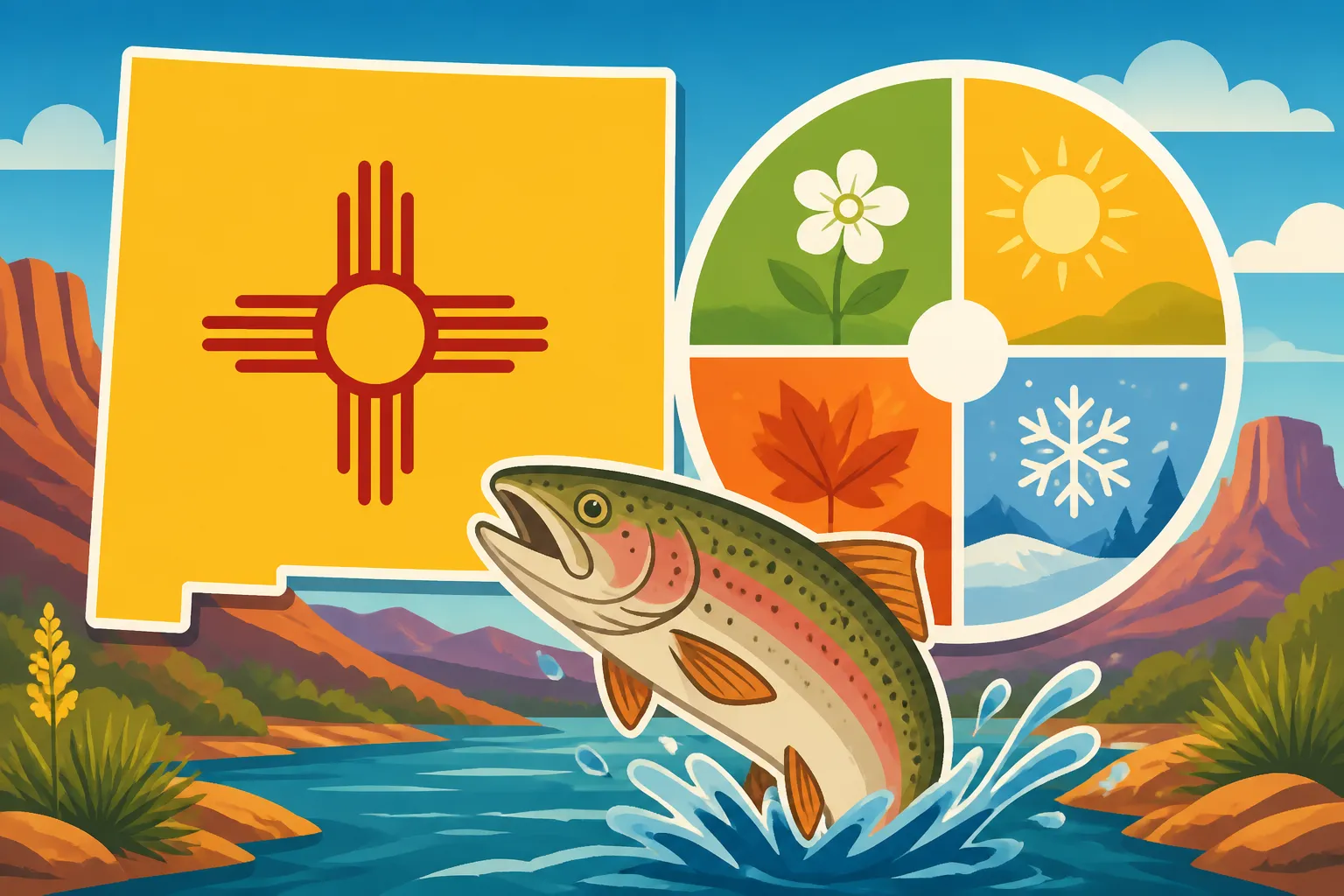
Seasonal Stocking Schedule in New Mexico
It can be incredibly disheartening to plan a fishing trip, drive out to your favorite lake or river, and then find the fishing to be incredibly slow, or worse, completely dead. Many anglers, especially those new to the Land of Enchantment, struggle to know when and where the best opportunities are for catching fish, particularly the popular trout species. This comprehensive guide will pull back the curtain on the New Mexico Department of Game and Fish (NMDGF) seasonal stocking schedule, helping you understand the rhythm of fish releases and put you in the best position for a successful outing, no matter the time of year.
Understanding New Mexico's Fish Stocking Program
New Mexico's diverse aquatic environments, from high-mountain streams to expansive warm-water reservoirs, support a wide array of fish species. However, not all waters can sustain robust populations of popular game fish naturally, especially under heavy fishing pressure or fluctuating environmental conditions like drought. This is where the NMDGF fish stocking program comes in, playing a crucial role in providing consistent angling opportunities across the state.
Why Stocking Matters for Anglers
For many New Mexico anglers, especially those targeting trout, the stocking program is the lifeblood of their fishing experience. Stocked fish provide immediate opportunities, particularly in easily accessible areas like urban ponds and popular state park lakes. Without this consistent replenishment, many of these highly-pressured fisheries would quickly be "fished out," leading to significant frustration for local and visiting anglers alike. It means families can reliably take their kids to places like Tingley Beach in Albuquerque or the Shady Lakes in Peralta and expect to catch some fish, fostering a love for the outdoors. It also provides a ready supply of "put-and-take" fisheries where the goal is simply to catch dinner, rather than solely pursuing wild, self-sustaining populations.
Who Manages the Stocking Schedule
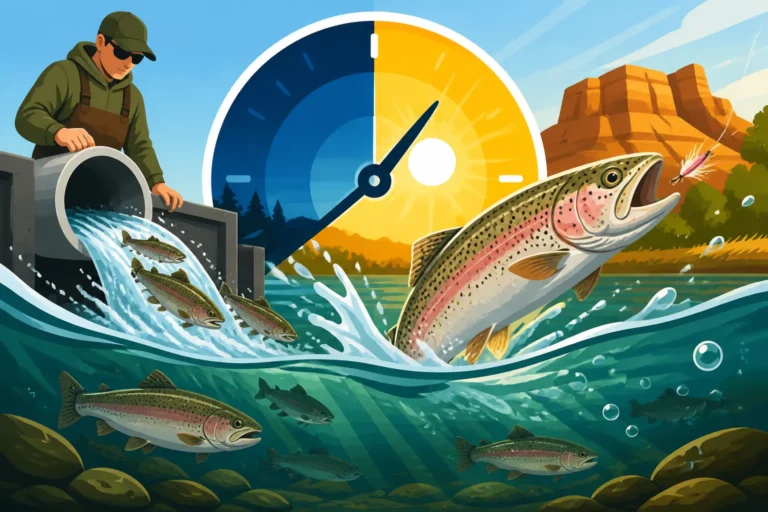
The New Mexico Department of Game and Fish (NMDGF) is the primary authority responsible for managing all fish stocking operations within the state. They meticulously plan and execute the stocking schedules, taking into account a myriad of factors such as water temperatures, angler demand, budget, fish availability from hatcheries, and environmental conditions. They also oversee important regulations like the New Mexico Fishing Regulations Overview which dictate bag limits and specific rules for different waters. The NMDGF operates several hatcheries across the state, including the Red River Hatchery, Parkview Hatchery, and Lisboa Springs Hatchery, which raise millions of fish, predominantly trout, for release into public waters. Their efforts ensure that anglers have a fair chance at catching a variety of species throughout the year.
Types of Fish Stocked in New Mexico
While many people immediately think of trout when discussing stocking, the NMDGF actually stocks a few different species to cater to diverse angling preferences and water conditions. Rainbow trout are by far the most commonly stocked fish in New Mexico. These hardy, catchable-sized trout are released into lakes, rivers, and urban ponds across the state year-round, as long as water temperatures are suitable. They are an angler favorite due to their willingness to bite and their relatively easy accessibility. Beyond rainbows, brown trout are occasionally stocked in specific rivers and lakes, often in smaller quantities, to supplement wild populations or establish new fisheries. Catfish, particularly channel catfish, are also a significant part of the stocking program, especially in warmer-water lakes and urban ponds during the spring and summer months, providing excellent opportunities for a different kind of angling experience. You might also find some cool-water species like tiger muskie, though these are typically stocked for specific management purposes rather than regular angler opportunity.
Spring Stocking: The Freshest Start to Fishing Season
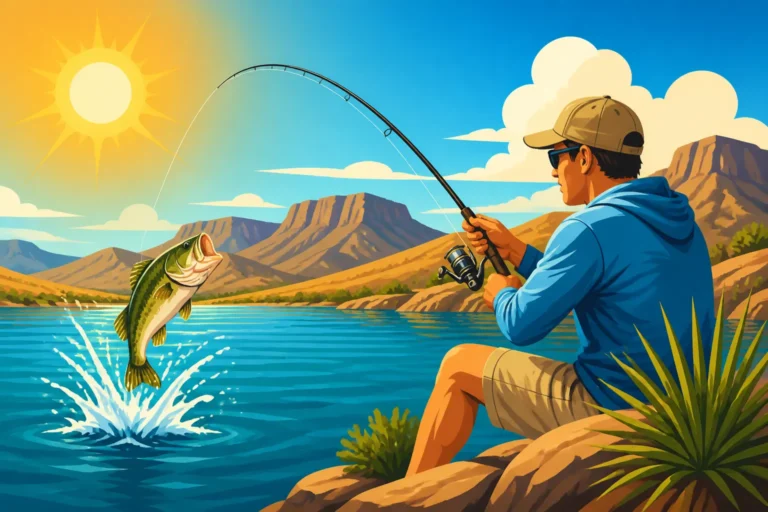
As winter's chill begins to recede and the first signs of spring emerge across New Mexico, anglers eagerly anticipate the increased activity on the water. This season marks a significant boost in fish stocking efforts by the NMDGF, signaling a fresh start to what can be some of the year's most productive fishing. The cooling waters of fall and winter begin to warm, prompting fish to become more active and feeding.
Targeting High-Demand Waters and Urban Ponds
Spring stocking is largely focused on kickstarting the fishing season in highly accessible, popular locations. Urban ponds, especially those managed by the NMDGF's Open Gate Program, receive a generous influx of trout. Locations like Tingley Beach in Albuquerque, Shady Lakes in Peralta, and other community fishing waters near population centers are prime targets. These spots are crucial for introducing new anglers, especially kids, to the joy of fishing, and they provide convenient opportunities for residents to enjoy a quick fishing trip without extensive travel. Beyond urban ponds, many popular state park lakes and reservoirs that are easily accessed from major roads also see early spring stocking. These include places like Storrie Lake near Las Vegas and the lower elevation stretches of the Rio Grande.
Species and Sizes to Expect in Spring
In the spring, the vast majority of fish stocked are rainbow trout. These are typically "catchable-sized" trout, meaning they are large enough to provide a decent fight and are ready for anglers to take home. Most stocked rainbows will range from 9 to 12 inches, though larger "trophy" trout are sometimes mixed in to add an extra thrill to the catch. While rainbows dominate, you might occasionally find brown trout being stocked in certain rivers, especially those known for their trout fisheries. The goal is to provide immediate gratification for anglers, ensuring a high success rate and enjoyable experience. Understanding Trout Species Found in New Mexico can help you differentiate your catch.
Best Strategies for Spring Stocked Trout
Newly stocked trout can be quite eager to bite, having recently transitioned from hatchery life to open water. This makes spring an excellent time for both novice and experienced anglers. Simple bait setups, such as PowerBait (especially in bright colors like green, yellow, or rainbow), corn, or salmon eggs, fished off the bottom with a small weight or suspended under a bobber, are highly effective. Small spinners or spoons, like a Kastmaster or Panther Martin, retrieved at a slow to moderate pace, can also be deadly. For fly anglers, small nymphs (like a San Juan Worm or an annelid pattern) or even dry flies on warmer days can tempt these hungry fish. The key is to arrive early, as these locations can become crowded, and fish tend to disperse and become warier after a few days of intense pressure. Also, remember to check current New Mexico Trout Fishing Rules before you head out, as regulations can vary by water.
Summer Stocking: Keeping the Bite Alive
As New Mexico transitions from the mild days of spring to the intense heat of summer, the NMDGF's stocking strategy undergoes a significant shift. The rising water temperatures in many lower-elevation lakes and rivers can become too warm for trout to survive comfortably, or even at all. This forces the stocking program to adapt, focusing on different species and higher, cooler elevations to maintain fishing opportunities.
Adapting to Warmer Water Conditions
The primary challenge for trout stocking in summer is water temperature. Trout are cold-water fish and struggle when water temperatures consistently rise above 65-70 degrees Fahrenheit. Because of this, many of the urban ponds and lower-elevation lakes that were heavily stocked in spring become unsuitable for trout by late May or early June. The NMDGF must then pivot its efforts. Stocking moves predominantly to higher elevation lakes and streams in the northern mountains, where snowmelt and elevation keep the water consistently colder. Think of places like Eagle Nest Lake, Heron Lake, or Fenton Lake, all nestled in the cooler mountain air. Additionally, cold-water tailwaters—rivers flowing directly out of deep reservoirs like the iconic San Juan River below Navajo Dam—become critical summer trout fisheries because the dam releases cold water from the bottom of the reservoir.
Warm Water Species and Alternative Options
While trout stocking shifts to cooler locales, the NMDGF doesn't leave warm-water anglers high and dry. To continue providing accessible fishing opportunities in the lower and mid-elevation lakes and ponds, they focus on stocking warm-water species that thrive in the summer heat. Channel catfish are the stars of this summer stocking show. These robust fish are regularly released into many of the same urban ponds and larger reservoirs, like Elephant Butte Lake or Ute Lake, that become too warm for trout. Catfish are incredibly fun to catch, fight hard, and are excellent table fare, making them a fantastic alternative. This strategy ensures that families and casual anglers still have plenty of targets, even when the mercury climbs.
Finding Fish in Summer's Heat
Successfully fishing in New Mexico during the summer, whether for stocked trout or catfish, often requires a change in tactics. For trout in cooler mountain waters or tailwaters, targeting early mornings or late evenings when air and water temperatures are at their coolest can be incredibly effective. Fish will often move into shallower feeding grounds during these times. During the heat of the day, trout will seek deeper pools, shaded areas, or faster, oxygenated currents. For warm-water species like catfish, night fishing can be incredibly productive, as they are nocturnal feeders and the cooler night temperatures bring them out. During the day, look for catfish in deeper areas, near submerged structures, or in shaded spots. Regardless of the species, understanding fish behavior in warm conditions is crucial for success. You might find a good selection of specialized night fishing gear on Amazon to help with those evening catfish adventures.
Fall Stocking: A Season of Plenty
As the intense heat of summer gradually gives way to cooler temperatures, New Mexico's angling scene experiences a vibrant revival. Fall is often considered one of the absolute best times to fish in the state, largely thanks to the NMDGF's robust stocking efforts coupled with more hospitable weather and water conditions. The crisp air and turning leaves create a truly beautiful backdrop for a productive day on the water.
The Autumn Boom for Trout Fishing
The decrease in water temperatures across the state is the primary reason for the fall fishing boom. As lakes and rivers cool down, trout that struggled through the summer heat become much more active and aggressive feeders. This natural surge in activity is perfectly complemented by a significant increase in NMDGF stocking efforts. Many of the waters that were too warm for trout stocking during summer, including urban ponds and mid-elevation reservoirs, once again become viable habitats. Anglers will find an abundance of freshly stocked fish, eager to bite as they feed up for the coming winter. It's a fantastic time to revisit those favorite local spots you might have avoided during July and August.
Popular Fall Stocking Destinations
The NMDGF casts a wide net with its fall stocking, bringing trout back to a vast array of locations. Urban ponds throughout Albuquerque, Santa Fe, Las Cruces, and other cities receive consistent stockings, making them perfect for a quick, convenient trip. Larger state park lakes and reservoirs, such as Cochiti Lake, Storrie Lake, and even parts of the Rio Grande near Albuquerque and Española, see a resurgence of trout. High-country lakes and streams, already productive in summer, continue to be stocked until ice formation, providing exceptional opportunities for those willing to venture into the mountains. This widespread distribution means that no matter where you are in New Mexico, there's likely a well-stocked trout fishery within a reasonable drive. Many of these locations are covered in guides like Best Places to Fish in New Mexico.
Fall Fishing Techniques and Considerations
Fall fishing for stocked trout often combines the best of spring and summer strategies. Because the fish are actively feeding, a variety of techniques can work well. Traditional baits like PowerBait, worms, or salmon eggs remain effective. Spinners and spoons, often slightly larger and retrieved with a bit more aggression as the fish are more active, can also entice strikes. Fly anglers will find success with nymphs, streamers (especially patterns mimicking baitfish), and even dry flies on warmer, overcast days when hatches might occur.
One key consideration for fall fishing is the variable weather. While days can be gloriously mild, mornings and evenings can be quite chilly, and sudden cold fronts can roll in. Dressing in layers is crucial. Pay attention to water clarity; recent rains can make some rivers murky, making bait or brightly colored lures more effective. Also, remember that a New Mexico Habitat Stamp and Validation Requirements might be necessary depending on where you plan to fish, especially on federal lands.
| Season | Primary Species Stocked | Typical Stocking Locations | General Frequency |
|---|---|---|---|
| Spring | Rainbow Trout, Catfish | Urban Ponds, State Park Lakes, Lower Rivers | Weekly/Bi-weekly |
| Summer | Catfish, Rainbow Trout | Higher Elevation Lakes, Cold Tailwaters, Urban Ponds (Catfish) | Bi-weekly/Monthly |
| Fall | Rainbow Trout, Brown Trout, Catfish | Urban Ponds, State Park Lakes, Rivers, High-Country Lakes | Weekly/Bi-weekly |
| Winter | Rainbow Trout | Ice Fishing Lakes, Cold Tailwaters, Milder Urban Ponds | Monthly/As needed |
Winter Stocking: The Cold-Weather Opportunities
When the days grow short and the air bites with a crisp chill, many anglers might assume the fishing season in New Mexico has wound down. However, for those prepared for the cold, winter offers unique and often rewarding opportunities, thanks to continued strategic stocking by the NMDGF. While the pace slows compared to spring and fall, dedicated anglers can still find plenty of action.
Ice Fishing and Open Water Stocking
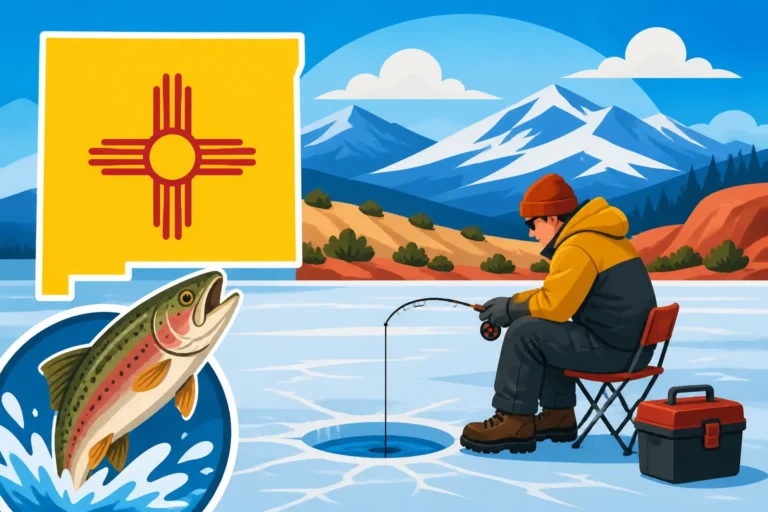
Winter stocking efforts are primarily focused on two types of water bodies: those that reliably freeze over for safe ice fishing, and those that remain open year-round due to warmer climates or the specific nature of cold-water releases from dams. For ice fishing, lakes in northern New Mexico like Eagle Nest Lake, Heron Lake, and Fenton Lake become prime destinations. These waters receive substantial stockings of rainbow trout, and sometimes even kokanee salmon in the case of Heron and Navajo Lakes, to support the hardwater angling community. The NMDGF meticulously monitors ice conditions for safety before and during these stocking events. In southern parts of the state or along major rivers, milder temperatures often allow for open-water fishing to continue, and selected urban ponds and rivers continue to receive trout, albeit on a less frequent schedule. If you’re planning a trip, be sure to check out guides like Ice Fishing in New Mexico to prepare properly.
Specific Locations for Winter Angling
Beyond the dedicated ice fishing destinations, several New Mexico waters consistently offer good winter fishing thanks to stocking. The most famous, of course, is the San Juan River Quality Waters below Navajo Dam. This world-renowned tailwater maintains consistent cold temperatures throughout the year, making it a premier trout fishery even in the depths of winter. It receives regular stockings of rainbow and brown trout, sustaining its legendary wild and stocked populations. Urban ponds in areas with milder winters, such as those in the Albuquerque and Las Cruces areas, also see occasional winter stockings, providing convenient local options. These locations offer a chance to escape cabin fever and enjoy some tranquil winter angling.
Gear and Safety for Winter Stocked Waters
Fishing in winter, especially ice fishing, demands specialized gear and a strong emphasis on safety. For open-water winter fishing, warm, waterproof clothing is essential, including insulated boots, gloves, and layers that can be adjusted. For ice fishing, the list expands:
- Insulated clothing: Think bibs, parkas, and thermal layers to stay warm for hours.
- Ice auger: Manual or powered, this is crucial for drilling holes.
- Ice fishing rod and reel: Shorter, more sensitive rods are ideal for detecting subtle bites. You can easily find a great selection on Amazon for various ice fishing setups.
- Portable shelter: An ice shanty or tent can provide much-needed protection from wind and cold.
- Safety gear: Ice picks, a spud bar (to test ice thickness), and always fishing with a buddy are paramount. Never venture onto ice without knowing its thickness and stability.
Remember, safety is always the top priority. Dress for success against the elements, check ice conditions religiously, and make sure your How to Get a a New Mexico Fishing License is up to date, along with any necessary validations.
Maximizing Your Stocked Water Experience
While knowing the general seasonal trends is a huge step, truly maximizing your success on New Mexico's stocked waters means diving a bit deeper into the specifics. The NMDGF works hard to make information accessible, and a savvy angler knows how to use these resources to their advantage.
How to Access the NMDGF Stocking Reports
The NMDGF understands the importance of transparency and keeping anglers informed. They maintain a comprehensive and regularly updated stocking report on their official website. This report is your absolute best friend for knowing exactly which waters have been stocked, when, and with what species.
- Where to find it: Navigate to the NMDGF website and look for sections related to "Fishing" or "Stocking Schedules."
- How often it updates: The NMDGF typically updates its stocking reports weekly, sometimes even more frequently during peak stocking seasons. This near real-time information allows you to plan your trips around the most recent releases.
- Interpreting the data: The reports will usually list the water body, the date of stocking, the species stocked (e.g., rainbow trout, channel catfish), and often the number of fish or pounds of fish released. Look for dates within the last few days or week for the freshest fish. Sometimes, they'll even specify sizes.
By checking these reports regularly, you can often pinpoint exact locations that have just received a fresh batch of fish, significantly increasing your chances of success.
Understanding Stocking Frequency and Fish Behavior
Just because a lake was stocked last week doesn't mean it will be as productive this week. Stocked fish, especially trout, go through a behavioral transition after release:
- Initial Eagerness: For the first few days to a week after stocking, fish are often disoriented and very eager to bite. They are transitioning from hatchery food to natural forage, and competition for easy meals can be high. This is typically the "golden window" for easy limits.
- Dispersal and Adaptation: Over time, especially with fishing pressure, stocked fish will disperse throughout the water body, becoming warier and more accustomed to natural food sources. They learn to avoid easy lures and baits, making them harder to catch.
- Fishing Pressure: Heavily fished waters, particularly urban ponds, can see fish removed very quickly. A spot that was hot a few days ago might be slow today simply because most of the fish have been caught.
Understanding this behavior helps manage expectations. If you're looking for an easy catch, target waters that were stocked very recently. If you prefer a more challenging experience, give the fish a week or two to spread out and become a bit more "wild." Remember that the New Mexico Fishing License Costs Explained helps fund these vital stocking programs.
Essential Gear for Stocked Waters
You don't need a boatload of expensive gear to succeed on New Mexico's stocked waters, but having the right essentials can make a big difference. Here’s a basic checklist:
- Rod and Reel: A light to medium-light spinning rod, 6 to 7 feet long, paired with a matching spinning reel spooled with 4-6 lb test monofilament or fluorocarbon is incredibly versatile. It handles most stocked trout and catfish well. For specific techniques, you might consider Best Rods and Reels for New Mexico Trout Fishing.
- Line: Good quality monofilament or fluorocarbon in the 4-6 lb range is generally sufficient. It's subtle enough for wary fish but strong enough for good fights.
- Terminal Tackle: A selection of small hooks (sizes 8-12), split shot weights, and small swivels.
- Baits and Lures: For trout, PowerBait (especially garlic or cheese scents), salmon eggs, and worms are classics. Small inline spinners (like Mepps or Panther Martin) and spoons (Kastmasters) are also highly effective. For catfish, stink baits, hot dogs, chicken livers, or cut bait work wonders. Many of these items are readily available and can be quickly ordered from Amazon.
- Landing Net: A small, soft-mesh landing net is invaluable for safely landing fish, especially if you plan to practice catch and release.
- Pliers/Hook Remover: Essential for safely removing hooks, particularly if fish swallow them deeply.
- Cooler: If you plan to keep your catch, a small cooler with ice will keep your fish fresh.
- Chair/Bucket: For bank fishing, a comfortable chair or a bucket (which can also hold your catch) makes the waiting game much more enjoyable.
Having these basics will set you up for success and allow you to adapt to whatever the stocked waters throw your way.
Disclaimer
The information provided in this guide is for general informational purposes only and is subject to change. While we strive to offer accurate and up-to-date details, fishing regulations, stocking schedules, and water conditions in New Mexico can change frequently. Always consult the official New Mexico Department of Game and Fish (NMDGF) website or their current regulations handbook before planning any fishing trip to ensure compliance with the latest rules and to access the most recent stocking reports. Fishing involves inherent risks; always prioritize safety, especially when dealing with water, weather conditions, and ice.