Fishing New Mexico’s Cold Tailwaters in Winter
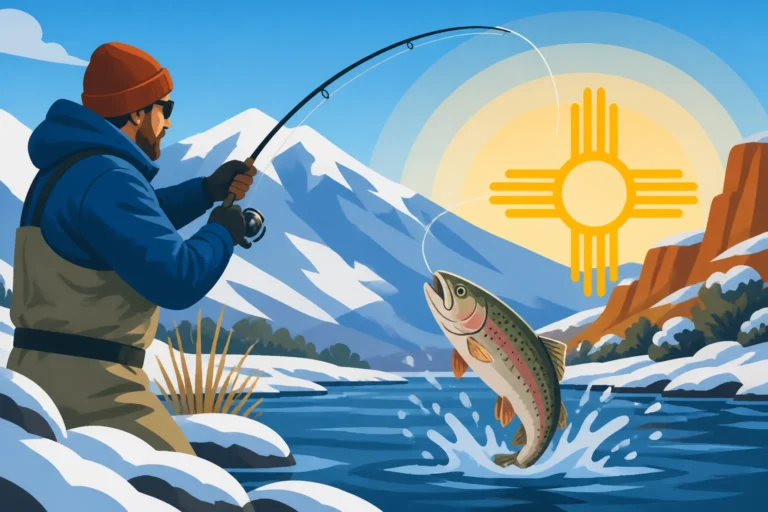
Fishing in New Mexico during the colder months can feel like you're stepping into a completely different world. The vibrant autumn colors fade, and the landscape settles into a hushed, often stark beauty. But for anglers, this isn't a time to hang up the waders; it's an opportunity for some incredibly rewarding experiences, especially on our state's remarkable tailwater fisheries. The challenge? Understanding how these unique rivers behave in the cold and what it takes to tempt lethargic trout. This comprehensive guide will arm you with the knowledge, gear, and techniques you need to not just endure, but truly enjoy, fishing New Mexico's cold tailwaters in winter.
Understanding New Mexico's Cold Tailwaters for Winter Fishing
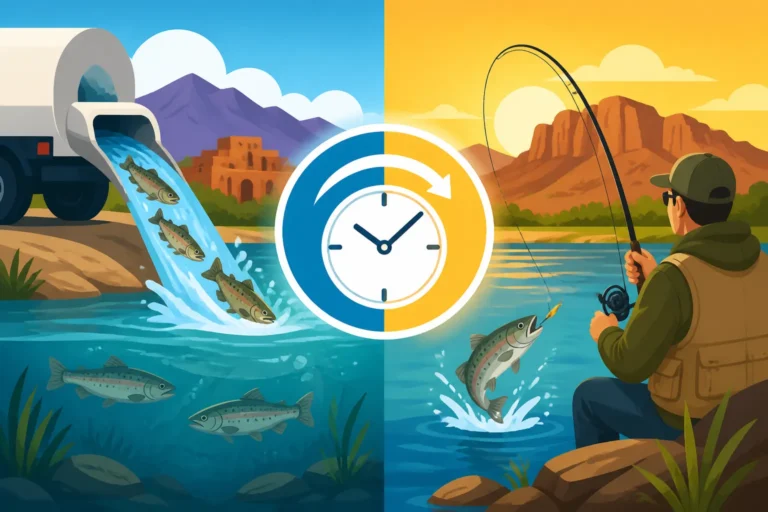
When we talk about "tailwaters," we're referring to rivers that flow out from the base of a large dam. This distinction is absolutely crucial for winter fishing in New Mexico, as these waters behave very differently from natural freestone rivers.
What Makes Tailwaters Unique in Winter?
The most defining characteristic of a tailwater, particularly in winter, is its consistent water temperature. Dams draw water from deep within the reservoir, which acts like a giant thermal battery. This means that even when ambient air temperatures plummet to freezing, the water released downstream remains relatively stable, often several degrees warmer than what a free-flowing river would be. This is a game-changer for fish activity. While a freestone river might be iced over or too cold to support active feeding, tailwaters can offer open water and a more stable environment for trout.
This thermal stability has a profound impact on the fish and their forage. Aquatic insects, particularly midges, can hatch consistently throughout the winter in tailwaters, providing a reliable food source. Trout in these environments don't experience the same extreme metabolic slowdown as those in colder, fluctuating waters. While they may still be less aggressive than in warmer months, they remain active enough to feed, making them a viable target for dedicated winter anglers. The consistent flow also prevents complete freeze-up, keeping the water accessible even during the harshest cold snaps. This consistency is precisely why our tailwaters become havens for winter anglers.
Prime Winter Tailwater Fisheries in New Mexico
New Mexico is blessed with a few truly exceptional tailwater fisheries that shine during the winter. These rivers offer some of the most consistent cold-weather fishing opportunities in the state.
The San Juan River Quality Waters below Navajo Dam is, without a doubt, the crown jewel of New Mexico's winter tailwater fishing. Its reputation is legendary, and for good reason. The water released from Navajo Lake maintains a consistent temperature in the mid-40s Fahrenheit throughout winter, fostering an incredible biomass of aquatic insects, especially midges and tiny mayflies. This abundance supports a phenomenal population of large, healthy rainbow and brown trout. Anglers often flock here because it's one of the few places where you can consistently catch trophy-sized trout on small flies or subtle presentations even when snow is on the ground. The San Juan River Fishing Guide offers a deep dive into this incredible fishery, but for winter, focus shifts heavily to subsurface tactics.
Another fantastic option is the Rio Chama below Abiquiu Dam. While perhaps not as famous as the San Juan, the Chama offers its own unique winter charm. The tailwater section can hold some impressive trout, and it often sees less pressure than its northern counterpart. The flows are typically stable, and nymphing with small patterns is highly effective. It’s a bit more rugged and remote feeling, perfect for those seeking a quieter experience. You might find more native cutthroat trout alongside rainbows and browns in this system, adding to the allure. Exploring the Rio Chama Fishing details can help you plan a trip to this beautiful stretch of water.
Though less consistently known for its winter tailwater opportunities, certain stretches of the Pecos River below dams or major impoundments can also offer localized cold-weather fishing. These spots might require more local knowledge and present varying conditions, but for the adventurous angler, they can be a rewarding, less-crowded alternative. It's always wise to check current conditions and regulations before heading out to any of these spots, as river flows and accessibility can change.
Essential Gear for New Mexico's Winter Tailwaters
Winter fishing in New Mexico's high desert climate means facing conditions that can range from surprisingly mild to brutally cold, often with significant wind. Being prepared with the right gear isn't just about comfort; it's about safety and ultimately, success.
Layering for Extreme Cold and Variable Conditions
This is perhaps the most critical aspect of winter fishing gear. You'll likely start your day in near-freezing temperatures, experience a mid-day warm-up, and then face a rapid cool-down as the sun dips. Layering allows you to adapt.
Start with a good base layer. Think merino wool or high-quality synthetic fabrics. These materials wick moisture away from your skin, which is essential to staying warm even if you sweat a little during a hike to the river. Avoid cotton at all costs; once wet, it loses all insulating properties and will make you dangerously cold. For serious warmth, you can find excellent base layers from brands like Smartwool, Minus33, or Patagonia on Amazon, which offers a wide selection and competitive pricing.
Your mid-layers are your primary insulators. Fleece jackets, down vests, or synthetic puff jackets work wonderfully here. You might need one or two of these, depending on how cold it is. For the outer shell, invest in a waterproof and windproof jacket and pants (or your waders will serve as pants). Look for Gore-Tex or similar highly breathable, weather-resistant materials. A good outer shell protects you from the elements, especially the persistent New Mexico wind that can cut right through lesser fabrics.
Don't forget the extremities! A warm beanie or wool hat is critical, as a significant amount of body heat is lost through your head. Gloves are a personal preference; some prefer fingerless gloves for dexterity, while others opt for thick, waterproof mittens with hand warmers. Consider layering thin wool liner gloves under thicker, waterproof shells. Finally, multiple pairs of thick wool socks are a must to keep your feet toasty inside your waders.
Rod, Reel, and Line Selection for Winter Trout
For winter tailwater fishing, precision and sensitivity often trump brute force.
If you're a fly angler targeting trout on the San Juan or Chama, a 3-weight to 5-weight fly rod is usually ideal. A 9-foot rod offers good line control and leverage for nymphing. The lighter line weight allows for delicate presentations of small flies, and the rod’s sensitivity helps detect subtle takes. Paired with this, a reliable fly reel with a smooth, consistent drag is important. While winter fish might not make screaming runs, a smooth drag protects lighter tippets. On the Best Rod Setup for New Mexico Trout Fishing page, you can find more detailed recommendations that will apply to these colder conditions.
For spin anglers, a light to ultralight spinning rod (5-7 feet long) with a fast action tip is perfect. This setup offers the sensitivity needed to feel light bites and cast small lures or baits. Combine it with a small spinning reel (size 1000 or 2000) spooled with 4-6 pound test monofilament or fluorocarbon line. Monofilament has some stretch, which can be forgiving with light bites, while fluorocarbon is nearly invisible in water and sinks, making it excellent for subsurface presentations. Consider a fluorocarbon leader for maximum stealth.
For both fly and spin setups, low-visibility line and tippet are key. Winter water often runs clearer, and fish can be pickier. For fly anglers, a good fluorocarbon tippet in 4x to 6x (or even 7x for tiny midges) is a must. Spin anglers should consider a fluorocarbon leader, typically 2-4 feet long, tied to their main line. You can find quality tippet and leader materials from brands like Seaguar or Rio on Amazon to ensure your setup is as stealthy as possible.
Wading Gear and Safety Considerations
Your wading setup needs to keep you dry and provide stable footing on potentially icy and slippery riverbanks and streambeds.
Waders: In winter, neoprene waders offer superior insulation, keeping you much warmer than breathable waders. However, breathable waders can still work if you layer heavily underneath them. The key is to avoid sweating too much, as that moisture will chill you. No matter the type, ensure your waders are in good repair with no leaks. There's nothing worse than a cold, wet foot on a winter day.
Wading Boots: Pair your waders with comfortable, well-fitting wading boots. For winter, studded wading boots are highly recommended. The felt or rubber soles alone won't provide enough grip on ice-covered rocks or slippery banks. The studs bite into ice and provide significantly better traction, greatly reducing your risk of a dangerous fall.
Wading Staff: A wading staff is an indispensable safety tool, especially when navigating swift, cold currents or uncertain footing. It provides an extra point of contact, helping you maintain balance and test depth before stepping. In winter, falling into frigid water can lead to hypothermia very quickly, so a wading staff is a minimal investment for your safety.
Ice Cleats: For accessing the river from snowy or icy banks, consider supplemental ice cleats that strap over your regular boots. These provide excellent traction on trails and approaches before you even step into the water, preventing slips before you even get your waders wet. These are particularly useful on heavily trafficked areas where snow gets packed down and turns to slick ice.
Proven Techniques for Winter Tailwater Trout
Winter trout, especially in tailwaters, are often less aggressive and more particular about their meals. This means your techniques need to be refined, patient, and focused on subtlety.
Nymphing Strategies for Cold Water
Nymphing is, by far, the most consistently effective technique for winter tailwater trout. The majority of a trout's diet consists of aquatic insects, and in winter, these insects are almost exclusively found sub-surface.
The absolute key to successful winter nymphing is a dead-drift presentation. This means your flies must tumble naturally along the bottom, mimicking dislodged insects. Any drag on your line will make your flies look unnatural and will be ignored. Indicator nymphing is the most common method. You'll suspend one or two small nymph patterns (often a larger lead fly and a smaller trailing fly) under a strike indicator. The indicator's job is to float on the surface, signaling the most subtle takes from lethargic fish. Remember that winter takes can be incredibly soft – a slight hesitation or twitch of the indicator might be the only sign.
Fly selection is critical. In winter, you'll want to focus on small patterns that imitate the primary food sources. Midges (zebra midges, tiny larva patterns) are absolutely dominant, often in sizes 20-24. San Juan Worms are universally effective, imitating aquatic worms dislodged by currents. Egg patterns can also be very productive, especially if there are spawning fish in the system (though you should avoid targeting actively spawning fish). For a comprehensive list, check out What Flies Work Best on the San Juan River in Winter?.
Weighting is another crucial factor. Your flies must get to the fish's feeding lane, which is typically right on the bottom. This often requires adding split shot to your leader, placed about 6-12 inches above your lead fly. Experiment with different amounts of weight to ensure your flies are occasionally ticking the bottom without constantly snagging. Proper depth control is the name of the game in winter nymphing. The Nymph Fishing on the San Juan River guide offers even more advanced insights into these techniques.
Streamer Fishing and Euro Nymphing
While nymphing dominates, there are situations where other techniques can shine, especially for targeting larger fish.
Streamer fishing for winter trout can be highly effective, particularly on days with slightly warmer temperatures or during periods of stable weather. The key here is a slow, deliberate retrieve. Winter trout are less likely to chase aggressively, so a slow strip-strip-pause retrieve that mimics a wounded baitfish or sculpin is often best. Streamers like Woolly Buggers (black, olive, brown), Sculpzillas, or small Articulated Streamers can entice bigger, predatory trout that are looking for a substantial meal. Focus on swinging streamers through deep pools, under undercut banks, and along current seams where larger fish might be holding.
Euro Nymphing, also known as Czech or Polish Nymphing, is a contact nymphing technique that has gained immense popularity for its efficiency in detecting subtle takes. Instead of a floating indicator, a sighter (a colored section of monofilament) is used on the leader, and the angler maintains direct contact with the flies. This method is incredibly effective in deeper, faster runs where getting flies down quickly and detecting faint bites is paramount. It allows for superior depth control and an almost instantaneous strike detection, giving you an edge when fish are barely mouthing the fly. Mastering this technique can significantly boost your winter catch rates, particularly on rivers with consistent flows like the San Juan River Quality Waters.
Spin Fishing with Lures and Baits
For those who prefer spin fishing, cold tailwaters can still offer excellent opportunities, provided you adapt your approach. The key is to slow everything down.
Small inline spinners like Mepps or Panther Martin are classic trout lures, but in winter, they should be fished at a glacial pace. Cast upstream or across the current and allow the spinner to sink, retrieving just fast enough to keep the blade barely turning. Focus on retrieving through deep pools and along current breaks. The flash and vibration can still trigger a strike from an opportunistic trout.
Jigs are also incredibly versatile for winter spin fishing. Small marabou jigs (1/32 to 1/16 oz) in subtle colors like olive, black, or white, fished under a small bobber or slowly hopped along the bottom, can be deadly. Adding a small piece of scented bait like a Berkley PowerBait Power Worm or a Gulp! Minnow to your jig can increase its appeal dramatically, especially when fish are hesitant.
If regulations allow (always check the New Mexico Fishing Regulations Overview for your specific water), natural baits like worms or salmon eggs can be very effective. Fish these on a light leader with minimal weight, allowing them to drift naturally. A small split shot a foot or two above a single hook (size 10-14) is usually sufficient. Keep your bait fresh and your presentations subtle. The goal is to make it as easy as possible for a cold-water trout to decide to eat.
Reading the Water and Finding Fish in Winter
Finding fish in winter tailwaters often means adjusting your expectations of where trout will hold. Their behavior shifts significantly to conserve energy and find comfort.
Understanding Winter Holding Lies
In winter, trout are looking for places where they can expend minimal energy while still having access to food. This means they generally move out of the fast, turbulent water that they might occupy in summer.
Look for deeper, slower runs. These areas provide a consistent flow of food without requiring the fish to fight strong currents. Trout will often stack up in the deepest parts of these runs, close to the bottom. Eddies and current seams are also prime locations. An eddy is a swirling pool of water where the current reverses or slows down. Fish will sit on the inside edge of these seams, letting food drift by while staying out of the main current's energy-sapping force.
Undercut banks and submerged structure (like large rocks or logs) provide crucial protection from the current and often slightly warmer water. These spots offer cover from predators and a place to ambush unsuspecting prey. Winter fish are highly vulnerable, so they seek out areas where they feel safe. Pay close attention to these features, as they often hold the largest trout. Think "comfort and convenience" for winter trout; they want to be warm, safe, and near food.
Behavioral Shifts of Winter Trout
Understanding how trout behave differently in winter is paramount to catching them. They are not the same aggressive predators you might encounter in spring or summer.
Firstly, winter trout are less active. Their metabolism slows down significantly due to the cold, meaning they don't need to eat as frequently or move as much. This translates to shorter, less vigorous feeding windows and a reluctance to chase flies or lures over long distances. They are energy conservers.
Secondly, trout often become tensely schooled in specific areas. Instead of being spread out, you might find a significant number of fish concentrated in one prime holding lie. This means that if you find one fish, you've likely found several. This schooling behavior is a protective mechanism and a way to optimize feeding in sparse conditions.
Finally, their feeding windows are shorter and more precise. While midges might hatch throughout the day, the most intense feeding often occurs during the warmest parts of the day, typically mid-morning to mid-afternoon. They'll position themselves perfectly to intercept drifting food with minimal effort. Your presentation must be impeccable, and your timing well-chosen to intercept them during these limited windows. They won't move far for a meal, so you need to put the fly right in front of their nose.
Optimal Times of Day and Weather Conditions
Timing can be everything when fishing New Mexico's cold tailwaters in winter.
The mid-day warmest hours are almost always the most productive. From roughly 10:00 AM to 3:00 PM, ambient temperatures are at their highest, and the sun's rays can penetrate the water, potentially stimulating insect activity and making fish more comfortable. Starting too early in the morning when temperatures are lowest often results in slow fishing.
Look for periods of stable weather, especially after a cold front has passed and the barometer has stabilized. A sudden drop in temperature or a rapidly moving storm system can shut down feeding activity. Conversely, a few consecutive days of stable, sunny weather, even if cold, can lead to surprisingly good fishing as fish acclimate and resume more consistent feeding.
Post-storm clarity can also be beneficial. If a winter storm brings precipitation but doesn't blow out the river with excessive runoff, the ensuing clear water can create excellent sight-fishing opportunities on sunny days. However, too much runoff can muddy the water, making fishing difficult. Always check current river flows and conditions before heading out, as found on sites like the USGS or New Mexico Game and Fish. A quick check of Checking River Flow Before Fishing the San Juan can be a lifesaver for planning your trip.
Conservation and Ethical Angling in Winter
Winter fishing, while rewarding, requires an even greater commitment to conservation and ethical angling practices. Fish are under more stress in cold water, and their survival after release is paramount.
Catch and Release Best Practices in Cold Temperatures
If you plan to practice catch and release, which is common and encouraged on many New Mexico tailwaters, especially trophy sections, adhering to best practices is crucial for the fish's survival.
Minimize out-of-water time. Cold air temperatures are even more shocking to a fish's delicate gills and organs. Keep the fish in the water as much as possible while unhooking it and taking any photos. Every second counts.
Always wet your hands thoroughly before handling a fish. Dry hands can remove the fish's protective slime coat, leaving it vulnerable to disease. Gently support the fish, especially larger ones, by cradling its belly and tail, avoiding squeezing.
Where required or highly recommended, use barbless hooks. These penetrate less deeply and can be removed much more easily and quickly, minimizing damage to the fish's mouth. If your hooks aren't barbless, simply pinch down the barb with a pair of pliers. This simple step makes a huge difference. You can read more about this in Barbless Hook Fishing Technique for New Mexico Rivers.
When releasing the fish, gently hold it facing upstream in the current until it regains its strength and can swim away on its own. Never simply toss a lethargic fish back into the water. This dedication to careful handling is a core part of Catch and Release Best Practices in New Mexico and ensures our incredible fisheries remain healthy for years to come.
Respecting Private Property and Fellow Anglers
New Mexico's tailwater fisheries, like many popular fishing destinations, often have a mix of public and private land. It is your responsibility to know where you are and to respect private property boundaries. Stay on designated public access points, trails, and easements. Trespassing not only puts you at risk but also jeopardizes access for all anglers.
When you're out on the water, be mindful of fellow anglers. Give them plenty of space, especially when approaching a popular run. A good rule of thumb is to allow at least 50-100 feet between yourself and other anglers, more if the water allows. Don't crowd someone's fishing spot, and be quiet and courteous. The solitude and beauty of winter fishing are part of its appeal, and everyone deserves to enjoy it without feeling pressured or disturbed.
Finally, always practice a "pack it in, pack it out" mentality. Leave no trace of your visit. This means taking all your trash, including discarded fishing line and used hand warmers, with you. Keeping our rivers pristine is a collective responsibility, and it's essential for maintaining the health of the ecosystem and the public's continued enjoyment of these special places. By getting a New Mexico Fishing License Guide and understanding the New Mexico Fishing Regulations Overview, you can ensure you're fishing legally and responsibly.
Winter Tailwater Fishing Overview
Here's a quick comparison of New Mexico's most popular winter tailwaters:
| Feature | San Juan River Quality Waters | Rio Chama Below Abiquiu Dam |
|---|---|---|
| Primary Species | Rainbow Trout, Brown Trout | Rainbow Trout, Brown Trout, Cutthroat Trout |
| Typical Winter Conditions | Consistent flows, clear water, consistent temps (mid-40s F), often crowded | Consistent flows, clear water, slightly more variable temps, less crowded |
| Dominant Techniques | Nymphing (midges, annelids, eggs), Euro Nymphing, occasional small streamers | Nymphing (smaller patterns), occasional dry-dropper on warmer days |
| Best Time of Day | Mid-morning to mid-afternoon (10 AM – 3 PM) | Mid-morning to mid-afternoon |
| Key Gear | Small flies (sz 20-24), fluorocarbon tippet, studded boots, wading staff | Small flies, delicate leader, insulated waders, fewer crowds |
| Accessibility | Well-maintained access points, some amenities, guides available | More rustic access, fewer amenities, good for solitude |
| Special Rules | Barbless hooks, artificial flies/lures only in Quality Waters | Check regulations; often artificial flies/lures, some bait allowed outside special sections |
Disclaimer
Please remember that fishing conditions, regulations, and access can change. Always consult the official New Mexico Department of Game and Fish website or obtain their most current When the New Mexico Fishing Rules Guide Updates Each Year before heading out. Safety should always be your top priority when fishing in cold weather.