When Is the Best Time to Fish the San Juan River?
Trying to pin down the absolute "best" time to fish the legendary San Juan River can feel like you're chasing a moving target. With its reputation for trophy trout and incredible fly hatches, every angler wants to hit it just right, but river conditions, hatches, and even crowds can shift things dramatically. This guide is here to untangle that complexity, giving you a detailed breakdown of the prime seasons, daily windows, and crucial river factors to consider, so you can plan a truly unforgettable angling experience on this world-class New Mexico fishery.
Understanding the San Juan River's Unique Flow
The San Juan River below Navajo Dam isn't your typical mountain freestone river. It's a tailwater fishery, and understanding what that means is the first step to unlocking its secrets and knowing when to fish. This constant release of cold, nutrient-rich water from the deep reservoir creates an incredibly stable and fertile environment for trout, unlike many other rivers that are at the mercy of snowmelt and seasonal rainfall.
The Tailwater Advantage for Consistent Fishing
Because the water comes from the bottom of Navajo Lake, it's consistently cold, generally staying between 38 and 50 degrees Fahrenheit year-round. This is a game-changer for trout, allowing them to thrive and grow to impressive sizes, regardless of what the weather is doing above ground. This consistent temperature also means that many of the typical seasonal fishing challenges, like extreme high or low water due to snowmelt or drought, are mitigated. You won't see the massive, muddy spring runoff events that can shut down other rivers for weeks. The river is essentially a perpetual, trout-happy ecosystem, which is why it's considered one of the best fisheries in the country. This stability also helps to support the incredible insect life that the San Juan is famous for, leading to strong, predictable hatches that the trout key into. This means that while other rivers might be blown out or too warm, the San Juan often remains a prime option.
Seasonal Fluctuations and Their Subtle Impact
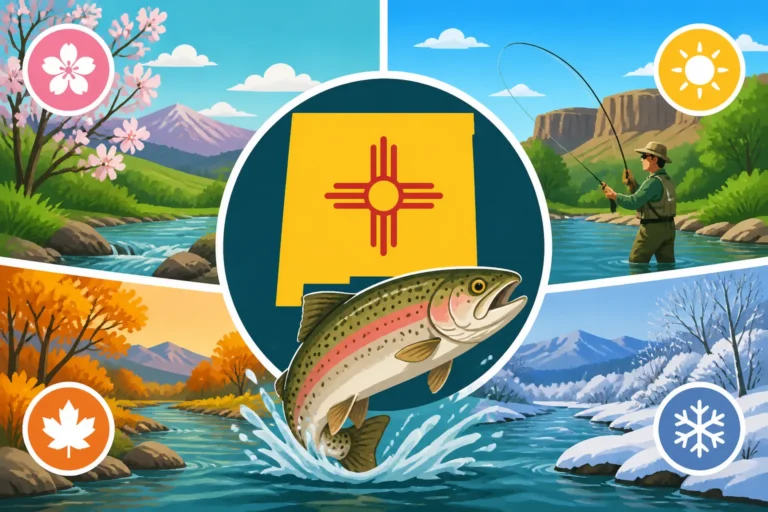
Even with the tailwater advantage, the San Juan River does experience seasonal shifts, just not as dramatic as natural rivers. These shifts impact everything from insect activity to fish behavior and angler pressure. In spring, you might see slight flow increases, leading to more active fish. Summer brings longer days and more consistent hatches but also more anglers. Fall is often heralded as a peak time, with cooler temperatures, robust brown trout activity, and fewer crowds. Winter, while cold, offers incredible opportunities for dedicated anglers to target large, often less pressured, fish. Understanding these subtle but significant changes is key to tailoring your approach and maximizing your success on any given trip. It’s not just about the weather outside, but how those external factors influence the already stable river environment.
Best Seasons for Fishing the San Juan River
While you can technically fish the San Juan River year-round, each season offers a distinct experience, with unique challenges and rewards. Knowing what to expect during different times of the year can help you decide when to plan your trip, especially if you have a particular fishing style or species in mind. The New Mexico Trout Fishing Rules are important to review, as they sometimes have specific seasonal regulations for certain areas or species, though the San Juan's Quality Waters are generally consistent.
Spring March to May
Spring on the San Juan River is a time of transition and increasing activity. As the days lengthen and the sun gets higher, the water temperature, while still cold, begins a slow rise, triggering more robust insect hatches and waking up the metabolism of the trout. This is when the river really starts to come alive after the quieter winter months.
You'll find that midges are still incredibly important, often hatching in huge numbers, especially on warmer, cloudier days. However, as spring progresses, you'll also start to see the emergence of larger insects like Blue-Winged Olives (BWOs) and occasionally some caddis. These hatches can provide exciting dry fly opportunities, especially during the middle of the day. The fish, having conserved energy over winter, become more aggressive and willing to chase flies. While not as crowded as summer, spring can still draw a good number of anglers, particularly on weekends, so early starts are a good idea. The river flows are generally stable, but occasional releases from Navajo Dam might occur, which can stir up the riverbed and dislodge insects, sometimes leading to a temporary slowdown or an uptick in nymphing success. For specific fly patterns, checking a local fly shop or a guide's report on Fly Selection for New Mexico's San Juan River is always a smart move.
Summer June to August
Summer on the San Juan River brings consistent flows, predictable hatches, and the busiest time of year for anglers. This is when the river is in full swing, with a veritable buffet of insects available to the trout, and warm weather drawing visitors from all over.
The predominant hatches during the summer months are often Pale Morning Duns (PMDs) and Tricos. Tricos, in particular, can provide incredibly technical dry fly fishing, with thousands of tiny insects blanketing the water in the mornings, followed by dense spinner falls. This "match-the-hatch" scenario can be incredibly rewarding but demands precise casting and delicate presentations. While the fishing can be phenomenal, the popularity of the San Juan means that you'll likely encounter more fellow anglers. Weekdays, and very early mornings or late evenings, often offer the best opportunities to find some solitude and less pressured fish. When the sun is high and bright, trout tend to move into deeper, faster water or seek cover, making nymphing more effective. If you're wondering What Flies Work Best on the San Juan River in Summer?, think small, delicate dry flies and nymphs that mimic the prolific PMD and Trico life cycles.
Fall September to November
Many seasoned anglers consider fall to be the "golden season" on the San Juan River. The scorching summer heat gives way to crisp, cool air, the cottonwoods along the banks turn brilliant gold, and the crowds begin to thin, creating a more serene and often highly productive fishing environment.
Insect activity remains strong, with a resurgence of larger BWOs and midges, providing excellent opportunities for both nymphing and dry fly fishing. The cooler water temperatures make trout exceptionally active, and they're often packing on weight in anticipation of winter. This is also the time when the brown trout, found in the lower sections of the Quality Waters, begin their spawning rituals. While these fish are stunning, it's crucial to practice ethical angling by avoiding actively spawning fish on redds to protect the future of the fishery. Fall offers a fantastic balance of comfortable weather, good hatches, and reduced angler pressure, making it an ideal time for a focused fishing trip. You might even experience some of the best dry fly action of the year as the fish aggressively feed on lingering summer hatches and emerging fall insects.
Winter December to February
Don't let the thought of cold weather deter you from a winter trip to the San Juan River – it can be one of the most rewarding times to fish, especially if you're targeting truly large trout. This season is often characterized by solitude, stark beauty, and incredibly consistent, albeit technical, fishing.
With fewer insects hatching on the surface, winter fishing largely becomes a nymphing game. Midges, however, are king. These tiny insects hatch year-round but become the dominant food source in winter, often providing the only consistent activity. While they are small, the sheer numbers can drive trout into a feeding frenzy, making the right midge imitation absolutely crucial. The fish tend to congregate in deeper, slower runs and pools, conserving energy in the cold water. Success often comes down to precise fly placement, perfect drifts, and a keen eye for subtle strike indicators. While the surface might be quiet, the subsurface action can be incredible, with large, healthy trout willing to take a well-presented nymph. Layered clothing is essential to stay comfortable in the often-freezing temperatures, but the reward of hooking a massive San Juan rainbow or brown in relative solitude is well worth the effort. For specific patterns, remember that What Flies Work Best on the San Juan River in Winter? will almost always feature various midge and egg patterns prominently.
Daily Timing and River Conditions
Beyond the seasons, the daily rhythm of the river and its ever-changing conditions play a massive role in fishing success. The San Juan is a dynamic environment, and paying attention to these factors can dramatically improve your chances, turning a slow day into a memorable one.
Optimal Time of Day for San Juan Trout
Trout, like most animals, have peak feeding times, and these often correlate with insect activity and environmental factors. On the San Juan, generally, the best times to fish are typically during the mid-morning to late afternoon, especially when temperatures are cool. Early mornings, particularly in summer, can offer incredible dry fly action as Tricos hatch and fall as spinners. As the sun gets higher and brighter, trout often retreat to deeper, more protected lies.
In the cooler months of fall and winter, the fishing can really pick up as the sun warms the water slightly, encouraging hatches and fish activity around midday. It's often said that "lunchtime is prime time" for winter nymphing. Conversely, in the heat of summer, fishing can slow down significantly during the brightest part of the day, making early morning and late evening the most productive periods. However, don't dismiss the entire day – consistent subsurface feeding means that if you're using the right techniques like Nymph Fishing on the San Juan River, you can find active fish even during slower periods.
River Flow and Water Clarity
River flow is arguably one of the most critical factors on the San Juan. Since it's a tailwater, flows are controlled by releases from Navajo Dam, impacting everything from fish location to wading safety and insect availability. Stable, moderate flows are generally considered ideal, as they allow fish to settle into predictable feeding lanes and make wading easier. You can always check Checking River Flow Before Fishing the San Juan through online resources, which is something I always do before heading out.
When flows increase significantly, fish might move to shallower, slower water along the banks to avoid strong currents. Conversely, very low flows can concentrate fish but also make them more wary due to increased visibility. Water clarity is usually excellent on the San Juan, given its tailwater nature, but heavy rains in the watershed can sometimes bring in a temporary stain, which might actually turn on the bite by offering fish more cover. Pay close attention to How Dam Releases Affect San Juan River Fishing can shift the dynamics, as sudden changes can disrupt feeding patterns temporarily.
Weather's Influence on Trout Behavior
While the San Juan's tailwater status makes it less susceptible to dramatic weather-related swings than freestone rivers, external conditions still play a significant role. Overcast days, for instance, often trigger better dry fly hatches, especially for BWOs, as the low light makes insects more comfortable emerging and fish less wary. Bright, sunny days can drive trout deeper or into shaded areas, making subsurface presentations more effective.
Wind can be a double-edged sword: a gentle breeze can help dislodge insects, but strong, gusty winds make casting difficult and can put fish down. Rapid temperature drops or cold fronts can slow down fish metabolism, making them less aggressive, while stable weather patterns generally lead to more consistent fishing. Always be prepared for variable conditions; even on a sunny day, high desert weather can change rapidly. Understanding How to Read Water on the San Juan River becomes even more critical when weather patterns shift, as you'll need to locate where trout are finding comfort and food.
Strategic Gear and Trip Preparation
Having the right gear and planning effectively can make all the difference, transforming a hopeful outing into a successful one. The San Juan's unique conditions demand a thoughtful approach to your equipment and logistics.
Essential Gear by Season
No matter the season, a few items are always non-negotiable for the San Juan: a good pair of waders and wading boots (the river bottom can be slick!), a quality fly rod (a 9-foot, 5-weight is a versatile choice for most situations), a reliable reel with a smooth drag, and plenty of appropriate leader and tippet. For tiny midges, you'll need delicate tippets, sometimes down to 7x or even 8x.
For spring and fall, layered clothing is key to adapting to fluctuating temperatures. You'll want rain gear, just in case, and a good selection of BWO, midge, and egg patterns. In summer, focus on light, breathable sun protection (long sleeves, wide-brimmed hat, polarized sunglasses). Your fly box should be heavily stocked with PMDs, Tricos, and caddis imitations. For winter, thermal layers, a warm hat, gloves, and waterproof outerwear are essential. Nymphs and midge patterns, from tiny larvae to adults, will be your bread and butter. You can easily find a huge selection of flies and gear, from specific midge patterns to indicator setups, on Amazon before your trip. Always carry a reliable thermometer, easily found on Amazon, to monitor water temperatures, which can tell you a lot about fish activity. Invest in good quality layering pieces, which are readily available on Amazon, to adjust to the variable high desert weather. A sturdy pair of wading boots, often with great reviews on Amazon, will make navigating the San Juan's slick bottom much safer.
Planning Your San Juan River Trip
Planning ahead is paramount for a smooth San Juan adventure. This means more than just packing your fishing gear; it involves thinking about accommodations, transportation, and avoiding peak congestion.
Lodging: The nearest town with services is Blanco, but many anglers prefer to stay in Farmington, which offers more options for hotels, restaurants, and fly shops. There are also several private lodges and guides situated right near the river, offering convenient access. Booking accommodations in advance, especially during popular seasons like summer and fall, is highly recommended.
Guides: If it's your first time or you want to maximize your learning curve, consider hiring one of the many experienced local guides. They can provide invaluable insight into current conditions, fly patterns, and techniques, significantly increasing your chances of success. They also know the river intimately, which is helpful in navigating the San Juan River Special Trout Water Section.
Avoiding Crowds: The San Juan is famous, and with fame comes popularity. If you prefer solitude, aim for weekdays, especially during the shoulder seasons (early spring or late fall) or winter. Early mornings and late evenings on any day can also provide a more peaceful experience. Check out Best Time to Avoid Crowds on the San Juan River for more detailed strategies. Many anglers find the stretch known as the "Quality Waters" to be the most productive, but also the most crowded, so exploring the lower sections can sometimes yield more solitary fishing.
Here's a quick overview of what to expect by season:
| Season | Typical Weather | Dominant Hatches | Primary Techniques | Angler Pressure | Notes |
|---|---|---|---|---|---|
| Spring | Mild days, cool nights, occasional rain | Midges, BWOs, some Caddis | Nymphing, Dry Fly (afternoons) | Moderate to High | Fish become more active; good dry fly opportunities emerge. |
| Summer | Warm to hot days, warm nights | PMDs, Tricos, Midges, Caddis | Dry Fly, Nymphing | High (Weekends & Holidays) | Consistent hatches; early mornings/late evenings best for solitude. |
| Fall | Crisp days, cool nights, colorful foliage | BWOs, Midges, some Caddis, Egg patterns | Nymphing, Dry Fly, Streamers | Moderate | Brown trout spawning season; excellent fishing, fewer crowds. |
| Winter | Cold days/nights, often sunny | Midges (larvae, pupae, adults), Eggs | Nymphing (deep, slow) | Low | Technical fishing, but great for large trout; solitude. |
Remember, the San Juan River is a catch-and-release fishery within its Quality Waters section for good reason – it helps maintain the incredible population of large, healthy trout. Always handle fish with wet hands and minimize their time out of the water to ensure their survival.
Disclaimer
Please be aware that fishing regulations, conditions, and recommended techniques can change. Always consult the most current New Mexico Department of Game and Fish regulations before planning your trip or heading out to fish. This guide is for informational purposes only and does not replace official sources.