How to Troll for Kokanee at Heron Lake
Oh, the elusive Kokanee salmon! If you've spent any time on the water, you know the thrill and frustration these silver beauties can bring. They're notoriously picky, school in tight formations, and often require a specific approach to get them to bite. Trying to crack the code for Kokanee, especially in a majestic body of water like Heron Lake, can feel like you're searching for a needle in a haystack. But don't despair! This comprehensive guide is designed to pull back the curtain on the secrets to successful Kokanee trolling at Heron Lake, helping you turn those frustrating days into memorable catches.
Unraveling the Mystique of Heron Lake Kokanee
Heron Lake, nestled in the picturesque mountains of northern New Mexico, is renowned for its fantastic Kokanee salmon fishing. But what makes this particular lake such a haven for these landlocked sockeye, and what do you need to know about them before you even cast a line? Understanding the environment and the fish itself is the first step to success.
Why Heron Lake Stands Out for Kokanee Fishing
Heron Lake isn't just another pretty spot; it’s a designated "no-wake" lake, which is a huge advantage for Kokanee anglers. This means calmer waters, less boat traffic disturbance, and ideal conditions for precise trolling. The deep, clear, and cold waters of Heron Lake mimic the salmon's natural oceanic environment, providing the perfect habitat for them to thrive. The lake also boasts a healthy forage base of zooplankton, their primary food source, which contributes to the vibrant, strong Kokanee populations found here. Many anglers choose Heron specifically because of its consistent stocking program and the quality of the fish. It's a truly special place, offering not just great fishing but also a serene, beautiful backdrop for your angling adventures. When considering Heron Lake vs Navajo Lake for Fishing, Heron's no-wake policy often gives it an edge for a more peaceful trolling experience.
Decoding Kokanee Behavior and Habits
Kokanee salmon are fascinating fish with distinct behaviors that any successful troller must understand. They are primarily plankton feeders, which means they are not aggressive hunters like trout or bass. Their mouths are small, and their bites are often subtle. They are also highly sensitive to light and temperature. During the warmer months, you'll typically find Kokanee in the cooler, deeper parts of the lake, often suspended over significant depths. They tend to school tightly, so if you find one, you're likely to find many more. Their schooling behavior is why trolling is such an effective method – it allows you to cover vast areas and intersect these migrating schools. As the seasons change, especially leading into their fall spawning run, their behavior shifts. They become more aggressive, change color, and move towards shallower areas and river inlets. Understanding these nuances, as outlined in our Kokanee Salmon Fishing in New Mexico guide, is paramount to your success.
The Essential Gear Arsenal for Heron Lake Kokanee
Trolling for Kokanee is a specialized discipline that often requires specific equipment. While you can certainly catch them with general fishing gear, optimizing your setup will dramatically increase your hook-up rates and reduce frustration. This isn't just about having any gear; it's about having the right gear.
Rods, Reels, and Line: Precision is Key
For Kokanee, a light to medium-light action rod, typically 7 to 8.5 feet long, is ideal. The softer tip allows the fish to take the lure without feeling too much resistance and helps absorb the shocks from their often vigorous head shakes. A fiberglass or moderate action graphite rod works wonderfully. Paired with this, a small level-wind baitcasting reel or a robust spinning reel spooled with 10-15 lb braided line is a solid choice. The braid offers excellent sensitivity to detect those light Kokanee bites and less stretch for solid hooksets.
However, the real secret often lies in your leader. Kokanee have excellent eyesight in clear water, so a long (6-12 feet) fluorocarbon leader in 6-8 lb test is crucial. Fluorocarbon is nearly invisible underwater, which can make all the difference. Many anglers, myself included, will pre-tie several leaders with different lures for quick changes out on the water. You can find quality fluorocarbon leaders and specialty Kokanee rods on platforms like Amazon, making it easy to get precisely what you need delivered right to your door.
Downriggers and Lead Core: The Depth Advantage
This is where Kokanee trolling often differs from other types of lake fishing. Because Kokanee suspend at specific depths, sometimes over 50-100 feet of water, traditional weights often aren't enough to keep your lure consistently in the strike zone.
- Downriggers: These devices are game-changers. A downrigger uses a heavy cannonball weight to carry your fishing line down to a precise depth. Your fishing line is clipped to the downrigger cable with a release clip. When a fish strikes, the clip releases, and you fight the fish directly on your rod and reel, without the weight of the cannonball. For Heron Lake, where Kokanee can be found at various depths, having one or two downriggers is highly recommended. They allow you to pinpoint the exact depth where fish are biting and keep your lure there consistently.
- Lead Core Line: If downriggers aren't in your budget or you prefer a simpler setup, lead core line is an excellent alternative. This line has a lead core encased in a colored nylon sheath. Each color typically represents a certain depth (e.g., 10 feet per color segment at a specific trolling speed). By letting out a certain number of colors, you can achieve a fairly accurate depth. It requires a heavier rod and reel setup than standard trolling and a bit of a learning curve, but it’s very effective for getting your lures deep without additional weights on your main line.
Both downriggers and lead core offer precise depth control, which is the cornerstone of successful Kokanee trolling. Without them, you're often just guessing, and with fish as particular as Kokanee, guessing rarely pays off.
Attractors and Lures: Tempting the Picky Palates
Kokanee are attracted to flash, vibration, and scent. Your tackle box for Heron Lake should be well-stocked with a variety of attractors and lures.
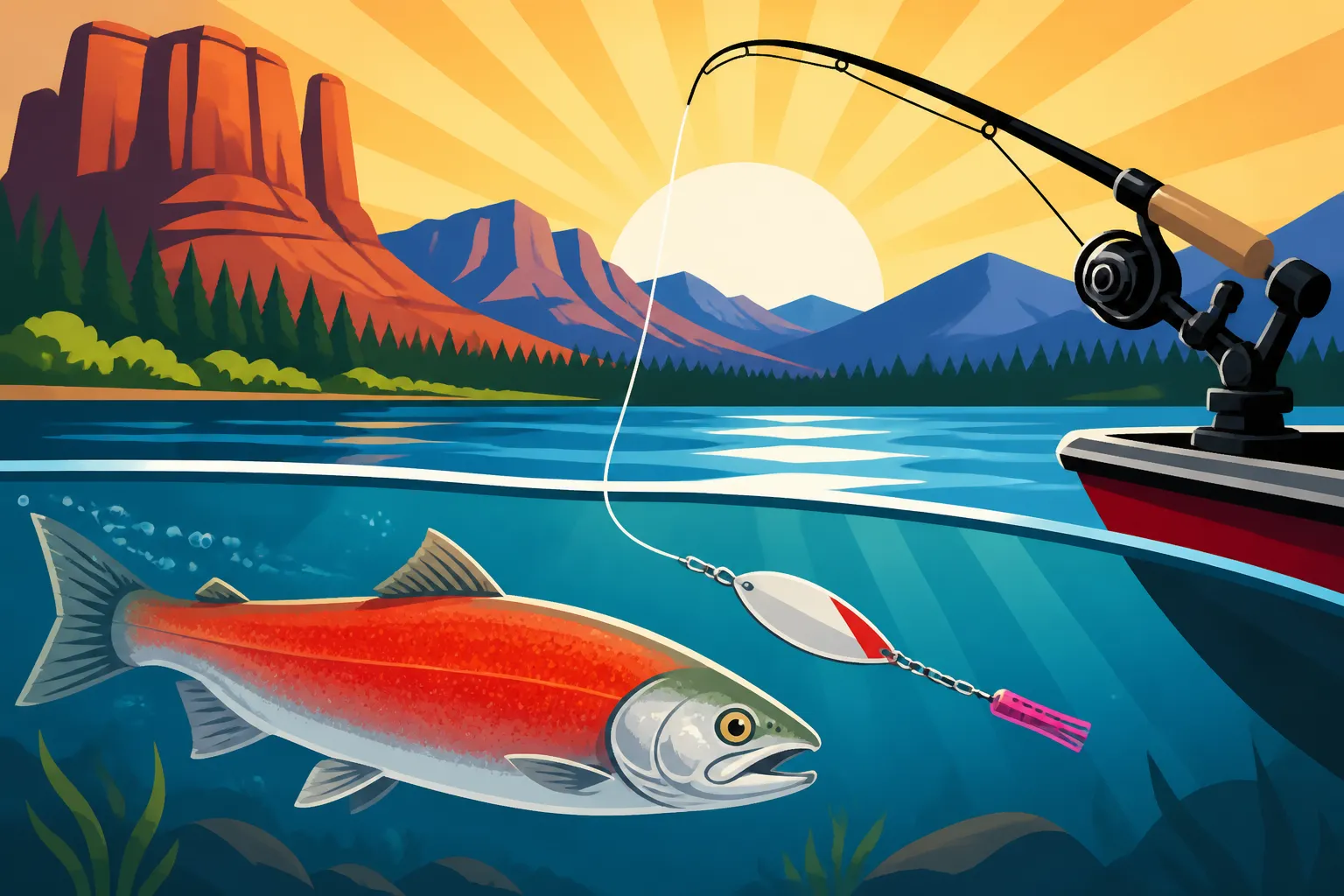
- Attractors (Flashers & Dodgers): These are not lures themselves but are designed to create flash and erratic movement, mimicking a school of baitfish or simply drawing attention. Dodgers have a wide, side-to-side wobble, imparting action to your trailing lure. Flashers rotate or undulate, creating bright flashes. Both are typically rigged 8-24 inches in front of your actual lure. Popular colors for Heron often include various shades of green, blue, pink, and sometimes orange, especially those with reflective tape.
- Lures:
- Hoochies/Squid Skirts: These soft plastic skirts are incredibly popular. They come in endless color combinations and typically have a small, sharp hook. They are almost always fished behind an attractor. Tipping them with shoepeg corn (more on this later!) is absolutely vital.
- Wedding Rings/Spinners: Small, inline spinners with colorful beads and a small blade that rotates. Brands like Mack's Lures Wedding Rings are classics. Again, tipping with corn is key.
- Small Spoons and Jigs: Sometimes, tiny trolling spoons or small jigs, especially in subtle patterns, can entice a bite. These are less common for trolling but can be effective on specific days.
When choosing colors, it's always a good idea to have a range. On a cloudy day, brighter, UV-enhanced colors (like chartreuse, hot pink) might shine. On a bright, sunny day, more natural or subtle colors (like silver, blue, green) might be better. Don't be afraid to experiment, and always keep an eye on what other successful anglers are using, especially if you get a tip from the local bait shop near Heron.
Electronics and Other Critical Accessories
Modern electronics can give you a significant edge when targeting Kokanee.
- Fish Finders/Sonar: Absolutely essential. A good fish finder will show you not only the depth but also baitfish schools, thermoclines (where temperature changes rapidly), and the Kokanee themselves. Look for arches or distinct schools of fish suspended off the bottom. If you see them, that's where you want your lures. Humminbird and Garmin offer excellent portable units that can be mounted easily on any boat, and you can even find great deals on these on Amazon.
- GPS: Helps you mark waypoints where you’ve found fish, track your trolling paths, and return to productive areas. Many modern fish finders have integrated GPS.
- Net: A long-handled, fine-mesh net is crucial. Kokanee have delicate mouths, and a good net prevents lost fish at the boat.
- Cooler with Ice: Kokanee are fantastic eating fish, but they need to be put on ice immediately to preserve their quality. Bring plenty of ice, especially on warm New Mexico days.
- Line Counters: If you're using lead core or simply letting out a lot of line with standard weights, a line counter on your reel or a separate device helps you replicate successful depths.
- Sun Protection: Remember you're in New Mexico! Sunscreen, a wide-brimmed hat, and polarized sunglasses are not just recommendations; they're necessities for long days on the water.
Mastering Trolling Techniques at Heron Lake
Having the right gear is only half the battle. Knowing how to use it effectively, coupled with a deep understanding of Kokanee behavior, is what truly defines a successful angler. Trolling for Kokanee is a delicate dance of speed, depth, and presentation.
Optimal Trolling Speeds and Patterns
Kokanee are not fast pursuers. A slow, steady trolling speed is usually most effective, typically between 0.8 and 1.5 miles per hour. This speed allows your attractors and lures to work properly without being overly aggressive. On some days, they might prefer a crawl; on others, a slight increase in speed might trigger bites.
- S-Curves and Turns: Don't just troll in a straight line! Making gentle S-curves and wider turns is a classic Kokanee trick. As your boat turns, your lures on the inside of the turn will slow down and sink slightly, while those on the outside will speed up and rise. This change in speed and depth can often trigger a strike from following fish that were hesitant to commit. Vary your turns, making some sharp and others wide and sweeping.
- Varying Depths: If you're running multiple rods (and you have your New Mexico Second Rod Validation), stagger your depths. For example, if you have two downriggers, set one at 30 feet and the other at 35 feet. If you get a bite on the 35-foot rod, adjust the other rod to that depth. This helps you quickly pinpoint the active depth without wasting time.
Finding the Right Depth: The Angler's Puzzle
This is perhaps the most critical aspect of Kokanee trolling. These fish often feed at very specific depths, sometimes within a 5-foot window.
- Using Your Fish Finder: Your sonar unit is your best friend here. Look for baitfish schools (which Kokanee will be feeding on or near) and arches indicating individual fish or tight schools. Note the depth at which they are holding.
- Thermocline: In summer, many lakes develop a thermocline, a layer of water where the temperature changes rapidly. Kokanee often hang just above, within, or just below the thermocline because it offers cooler water and concentrations of plankton. Your fish finder may indicate this layer.
- Trial and Error: Even with electronics, some experimentation is needed. Start by spreading out your depths, perhaps from 20 to 50 feet. If you start getting bites at 30 feet, focus your efforts there. Don't be afraid to adjust throughout the day; fish can move up or down depending on light conditions, wind, and boat traffic.
- Seasonal Adjustments: As discussed in our New Mexico Fishing Season Calendar, Kokanee depth changes with the seasons. In spring, they might be shallower. In summer, they go deep. In fall, as spawning approaches, they might be found higher in the water column and near inlets. Paying attention to these seasonal patterns, detailed in our Best Time of Year to Fish in New Mexico guide, is key.
Bait Presentation and Scent: The Irresistible Edge
Kokanee are attracted to scent, and the most universally accepted "secret" is tipping your lures with shoepeg corn.
- Shoepeg Corn: This small, firm corn is irresistible to Kokanee. You can buy it canned and then dye it with food coloring (pink, red, or green are popular) or add scent enhancers like Pro-Cure or Mike's UV Glo Scent. Just one or two kernels on each hook of your lure is all it takes. The corn provides visual appeal, a burst of color, and, most importantly, a powerful scent trail. It's a cheap and easy way to increase your bites dramatically.
- Scent Attractants: In addition to corn, specialty Kokanee scents can be applied directly to your lures. Garlic, Anise, Krill, and Kokanee-specific formulas are very popular. Reapply frequently, especially if you're not getting bites. The scent trail can draw fish in from a distance and encourage them to strike.
- Cleanliness: Kokanee are sensitive. Avoid getting gasoline, oil, or human scent on your lures or corn. Consider using gloves when handling bait to keep it as clean and natural as possible.
Reading the Water and Adjusting Your Strategy
Heron Lake, like any large body of water, presents unique challenges that require constant adaptation.
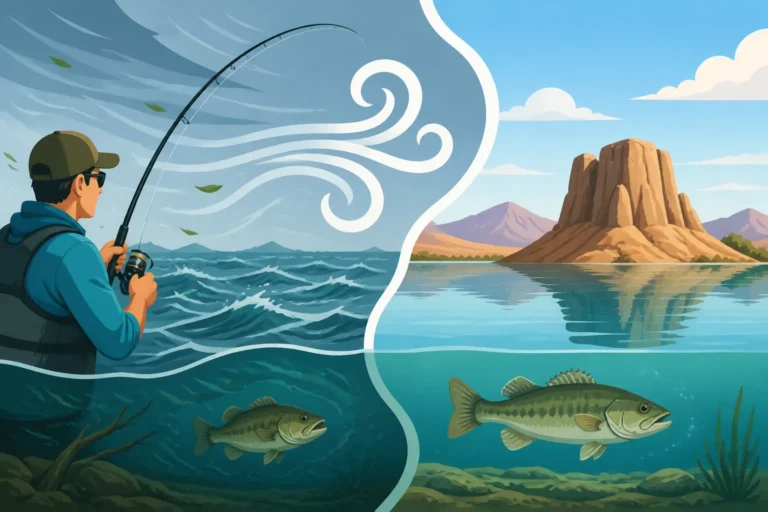
- Wind and Current: Even though Heron is a no-wake lake, wind can create considerable chop and current. Strong winds can make maintaining a precise trolling speed and depth difficult. Adjust your speed to compensate for wind resistance, and consider trolling into or with the wind depending on how the fish are reacting.
- Structure: While Kokanee are often suspended in open water, they might congregate near underwater points, ledges, or channels, especially if baitfish are present. Pay attention to your sonar for these features and troll along their contours.
- Fish Schools: If you mark a massive school of Kokanee on your fish finder and aren't getting bites, try different lure colors, scents, or slight depth adjustments. Sometimes, moving through the school a second or third time will trigger a bite.
- Boat Traffic (Even in No-Wake): Even though it's a no-wake lake, other boats can still affect fish behavior. If a lot of boats are working one area, the fish might get pressured and move. Consider trying less-frequented areas or adjust your depths if the bite slows down.
Seasonal Insights and Responsible Angling at Heron Lake
Knowing when and how to fish responsibly ensures that Heron Lake remains a fantastic Kokanee fishery for years to come.
Best Times of Year and Day for Heron Lake Kokanee
Kokanee fishing at Heron Lake can be good almost year-round, but some periods are definitely more productive.
- Spring (April-May): As the ice comes off, Kokanee become more active and start to move into shallower water, making them easier to target. They're often hungry after winter.
- Early Summer (June-July): This is often prime time. The fish are actively feeding and can be found in predictable depths. Mornings and evenings are typically best, as the fish are more aggressive in lower light conditions. Mid-day can be productive if you go deeper.
- Late Summer/Early Fall (August-September): As they approach their spawning cycle, Kokanee start to change color and become incredibly strong fighters. This is when the "snagging season" typically begins at nearby Navajo Lake, but at Heron, traditional trolling can still yield excellent results, especially for those looking for trophy-sized fish before they become fully engaged in spawning.
- Winter (Ice Fishing): If Heron Lake freezes sufficiently, ice fishing for Kokanee can be a unique and rewarding experience. Jigging small spoons or tungsten jigs tipped with corn can be very effective through the ice. Our Ice Fishing in New Mexico guide can offer more specific tips if you plan to venture out in the cold.
Generally, the first few hours after sunrise and the last few hours before sunset are the most active feeding times for Kokanee. However, on cloudy days or in deeper water, they can bite all day long.
Navigating Changing Conditions
New Mexico weather can be unpredictable. Be prepared for sudden changes.
- Weather Fronts: Approaching cold fronts can often trigger a feeding frenzy, but after the front passes, fishing can slow down significantly. Adjust your tactics by slowing your troll, using smaller lures, or changing depths.
- Water Levels: Drought conditions can impact water levels in New Mexico lakes. Pay attention to New Mexico Game and Fish updates or local fishing reports. Lower water levels can concentrate fish but also make boat ramps difficult to use. Always check current conditions before heading out.
- Boat Ramps: Heron Lake has several boat ramps, but their usability depends on current water levels. Always check with the state park or local resources before launching, especially if you have a larger boat.
Catch and Release Best Practices for Kokanee
While Kokanee are delicious, sometimes you'll catch a fish you want to release, or you might be in a catch-and-release only section. Practicing responsible angling ensures the health of the fishery.
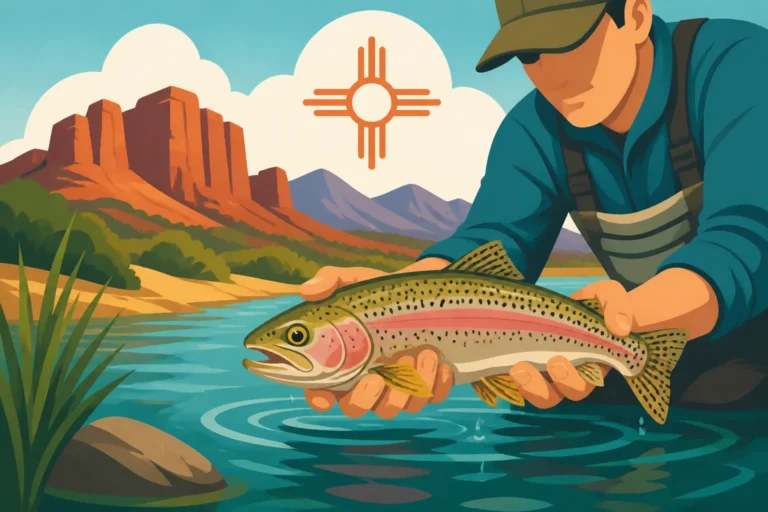
- Handle with Care: Kokanee have delicate scales and slime coats. Try to handle them as little as possible. If you must handle them, wet your hands first.
- Barbless Hooks: Consider using barbless hooks or crimping the barbs on your trebles. This makes hook removal easier and reduces damage to the fish. Some special trout waters, like certain sections of the San Juan River, require them; though not always mandated on Heron, it's a good practice.
- Quick Release: Release the fish quickly. Keep it in the water as much as possible. If it's deeply hooked, cut the line as close to the hook as possible rather than tearing at the fish's gills or gut.
- Revive If Needed: If a fish is exhausted, hold it gently in the water, facing into the current, until it can swim away on its own. Our guide on New Mexico Catch and Release Regulations has more general tips that apply across species.
Trolling for Kokanee at Heron Lake is an incredibly rewarding experience. It combines the serenity of a beautiful high-mountain lake with the challenge of targeting a truly unique and delicious fish. By understanding their behavior, equipping yourself with the right gear (much of which is readily available through retailers like Amazon), and diligently applying these proven trolling techniques, you'll be well on your way to a cooler full of silver and a head full of fantastic memories.
Remember, fishing is as much about patience and adaptation as it is about skill. So, take these tips, head to Heron Lake, and enjoy the pursuit of those vibrant, hard-fighting Kokanee!
Disclaimer
Fishing conditions, regulations, and fish behavior can change. Always check the latest New Mexico Department of Game and Fish regulations and local conditions before heading out. Safety first! Ensure you have all required safety gear on your boat, including personal flotation devices.