How to Fish Muddy Water in New Mexico
Oh, the crushing disappointment! You’ve planned your trip, loaded up the truck, and driven hours to your favorite New Mexico fishing spot, only to arrive and find the water churned up, brown, and completely devoid of that beautiful clear visibility you were hoping for. Whether it’s due to a sudden monsoon downpour, spring runoff, or even just a super windy day kicking up sediment in a shallow lake, muddy water can feel like an instant trip killer. But don't despair! Fishing muddy water in New Mexico isn’t just possible; it can actually be incredibly rewarding if you know how to adapt. This guide is all about turning that frustration into a fantastic fishing day, equipping you with the knowledge and tactics to find fish even when the water looks like chocolate milk.
Why New Mexico Waters Get Muddy and What It Means for Anglers
It's a common scenario across our diverse New Mexico landscapes. One day the river is crystal clear, and the next, a heavy rain upstream or a massive influx of snowmelt turns it into a raging, turbid mess. Understanding why our waters get muddy is the first step to knowing how to tackle them effectively. It's not just a visual problem; it fundamentally changes the underwater environment.
Understanding the Causes of Turbidity in New Mexico
New Mexico’s unique geography and climate contribute to frequent turbidity in our waters. Here are the usual suspects:
- Monsoon Season Runoff: Ah, the summer monsoons. While we desperately need the rain, those intense, short-duration storms can quickly turn bone-dry arroyos into raging torrents, flushing tons of dirt, silt, and debris into our rivers and lakes. This is especially true for rivers like the Rio Grande or Pecos River after a substantial rainfall event. The sudden influx of muddy water can happen almost overnight, catching many anglers off guard.
- Spring Snowmelt: As winter gives way to spring, the melting snowpack in our mountains swells rivers and streams. This runoff often carries sediment from thawing ground, creating prolonged periods of murky, high-volume flows. Lakes fed by these rivers, such as Navajo Lake or Heron Lake, can experience significant turbidity as well. You might see this effect particularly strong in northern New Mexico as the high country thaws.
- Heavy Rains and Flash Floods: Beyond the monsoons, any significant rainfall can overwhelm the banks of smaller streams and rivers, stirring up bottom sediments and carrying new dirt into the water column. Flash floods, common in our arroyos, are notorious for rapidly changing water clarity and conditions. If you're planning a trip, always check local weather forecasts and river flow conditions, especially if you're targeting sensitive species like trout in smaller streams.
- High Winds Stirring Up Shallow Lakes: It’s not always rain or snow. Shallow, expansive lakes like parts of Elephant Butte Lake or Ute Lake can become incredibly turbid simply from strong winds churning up their sandy or silty bottoms. The wind creates waves that erode shorelines and agitate the lakebed, suspending sediment throughout the water.
- Reservoir Drawdowns and Construction: Sometimes turbidity is human-induced. If a reservoir is being drawn down quickly, it can expose new areas of the lakebed to erosion or stir up settled sediment. Construction activities near waterways can also inadvertently contribute to increased sediment load.
The Immediate Impact on Visibility and Fish
When the water turns muddy, the most obvious impact is the dramatic reduction in visibility. For fish that primarily rely on sight to hunt, like many trout or bass, this presents a significant challenge. Imagine trying to find a meal in a dark, cloudy room—it’s tough!
- Scattered Baitfish: Smaller baitfish, which often school in clearer water for protection, tend to scatter or seek cover when visibility drops. Their predators struggle to locate them without clear sight lines. This can make game fish more opportunistic and less selective in their feeding, which can work to our advantage.
- Predator Disorientation: Game fish, especially those that are primarily sight feeders, become disoriented. Their normal hunting strategies are compromised. They might move less, conserving energy, or they might become more aggressive, striking at anything they can detect with their other senses. This is why aggressive, high-vibration lures become so important.
- Oxygen Levels and Water Temperature: While less direct, heavy runoff can sometimes bring in water that is colder or has different oxygen levels, subtly impacting fish comfort and activity. However, the biggest immediate effect is always the visual disruption. It forces fish to rely much more heavily on their other senses, which is exactly what we, as anglers, need to exploit.
How Fish React to Muddy Conditions in New Mexico
Understanding how fish behave in muddy water is truly the key to unlocking success. They don’t just vanish; they adapt. Our job is to understand those adaptations and present our offerings in a way that appeals to their altered senses.
Where Fish Go When the Water Gets Murky
When their world turns opaque, fish don't just swim aimlessly. They make calculated moves to maintain comfort and find food.
- Seeking Shallower, Warmer Water: Often, fish will move into shallower areas where the water might be slightly warmer and where sediment might settle out faster, creating a marginally clearer zone. This is especially true for a muddy lake where the turbidity is widespread. On rivers, they might hug the banks in slower, shallower eddies that offer a break from the main current and its sediment load.
- Finding Clearer Pockets: This is gold for anglers. Look for areas where feeder creeks with clearer water enter the main body, or where springs bubble up. These confluence zones can create pockets of better visibility that fish will actively seek out. Deep drop-offs can also be productive, as sediment often settles faster in deeper, calmer water, leaving the upper water column murkier.
- Submerged Vegetation and Structure: Thick weed beds, submerged timber, or large rock formations provide excellent cover and ambush points in muddy water. Fish might hold tight to these structures, not only for protection but also because these areas can create subtle current breaks where prey might be disoriented. Bass, in particular, love to bury themselves in cover like this when the water gets dirty.
- Comfort in Current Breaks: On a river, fish will look for breaks in the current, such as eddies behind large rocks, fallen trees, or inside bends. These spots require less energy to hold position, and the reduced current can allow some sediment to drop, offering slightly better conditions.
Sensory Adaptations of Fish in Low Visibility
With sight compromised, fish rely on their other incredible senses. This is where your lure and bait choices become critical.
- The Power of the Lateral Line (Vibration): This is perhaps the most important sense for fish in muddy water. Their lateral line is a sensory system that detects vibrations and pressure changes in the water. It allows them to "feel" their surroundings, detect prey, and avoid predators even in complete darkness. When fishing muddy water, your lures need to be noisy and create a lot of vibration. Think about baits that displace a lot of water, have rattling chambers, or produce a strong thumping action.
- Enhanced Hearing: While fish don't have external ears like us, they can detect sounds through their inner ear and vibrations through their lateral line. Clicking, thumping, or rattling sounds from your lures can attract attention from a distance, even if the fish can't see the bait. This is why lures with internal rattles or beads can be so effective.
- A Keen Sense of Smell (Chemoreception): Fish have an excellent sense of smell, which they use to locate food, identify mates, and even navigate. In murky water, scent becomes a powerful attractant. This is where natural baits shine, but you can also enhance artificial lures with scent attractants. Many fish, especially catfish, rely heavily on scent, making them excellent targets in muddy conditions. When you're fishing for species like catfish, a potent, smelly bait can be irresistible. Consider how a strong scent trail in a murky river might guide a hungry fish right to your hook.
Essential Gear and Proven Tactics for Fishing Muddy Water
Now that we understand why the water gets muddy and how fish react, let's talk about what you need to do to catch them. This isn't about giving up; it's about switching strategies.
Choosing the Right Lures and Bait
Your tackle box might need a slight adjustment for muddy water conditions. The goal is to maximize visibility, vibration, and scent.
- High-Contrast Colors: Forget the natural, subtle colors you might use in clear water. In murky conditions, you want lures that stand out like a neon sign. Chartreuse, bright orange, hot pink, firetiger, and solid black or white are excellent choices. These colors create a strong silhouette against the dark water, making them easier for fish to detect even when visibility is minimal. For example, a black jig or a chartreuse crankbait can be incredibly effective.
- Strong Vibrations and Displacement: Lures that create a lot of commotion are your best friends.
- Crankbaits: Especially those with wide wobbles and internal rattles. Brands like Strike King and Rapala offer many excellent options.
- Spinnerbaits & Chatterbaits: The spinning blades and vibrating skirts of these lures send out strong vibrations that fish can pick up on their lateral line from a good distance.
- Jigs with Large Trailers: A big plastic trailer on a jig, especially one with a paddle tail or flappers, displaces a lot of water, creating a noticeable thump.
- Topwater Lures (Walkers, Poppers): Surprisingly, topwater can work! The surface commotion and silhouette against the sky can be highly attractive. Fish often look up when water is muddy, as that's where light penetration is best.
- Scent-Enhanced Baits: This is where the sense of smell comes in.
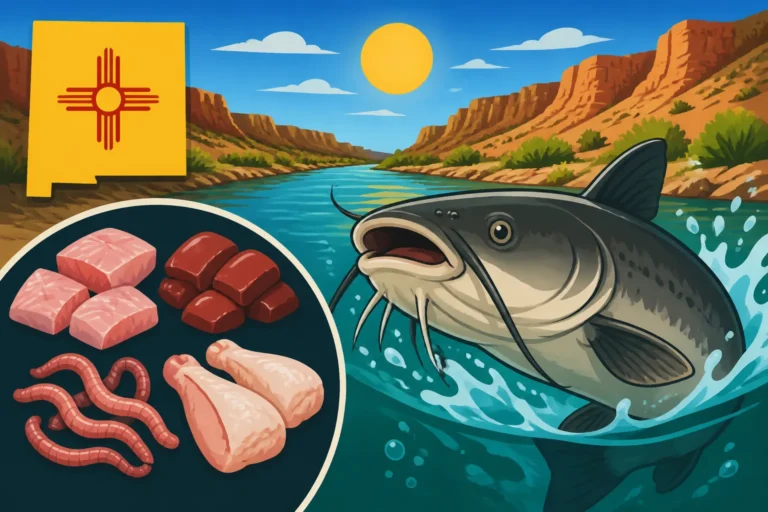
- Natural Baits: Live worms, cut bait (especially potent fish like shad or carp), chicken livers, and various stink baits are phenomenal in muddy water. For Catfish Fishing in New Mexico, these are often go-to options regardless of clarity.
- Scent Sprays and Dips: You can apply commercial scent attractants, often available on Amazon, to any artificial lure to give it an added advantage. Garlic, anise, and various fish-based scents are popular choices.
- PowerBait and Dough Baits: For trout, especially stocked trout, PowerBait in bright colors (chartreuse, orange) and strong scents can still be incredibly effective in murky ponds or rivers.
Presentation Matters: Slow and Noisy
It's not just about what you throw, but how you retrieve it. Fish in muddy water are often less aggressive and need more time to locate your bait.
- Slow it Down: A slower retrieve gives fish more time to detect and react to your lure. They might not be able to quickly dart and strike a fast-moving target. Think of a wounded baitfish slowly struggling.
- Pauses and Jerks: Incorporate pauses into your retrieve. A lure that stops and hovers, or slowly sinks, can be a prime target for a fish that has just located it by vibration or scent. Jerking or twitching also adds to the erratic, wounded-prey action.
- Bottom Bouncing: Many fish will hug the bottom in muddy conditions. Jigs, Carolina rigs, or Texas rigs fished slowly along the bottom can be very productive. The occasional bump and stir of sediment can also attract attention.
- Fan Casting: Since fish might be scattered or holding in specific, unseen pockets, fan casting (making casts to cover a wide area) is crucial. Don't be afraid to make multiple casts to the same spot from different angles, allowing the scent or vibration to disseminate.
Finding the Fish: Targeting Structure and Current Breaks
Even in a muddy mess, fish still adhere to certain patterns. You just need to know where to look.
- Submerged Cover is Gold: Look for any visible or known submerged structure: fallen trees, rock piles, brush, or docks. Fish will hold tight to these in muddy water for cover and as ambush points. On a river, that means probing every eddy, log jam, and undercut bank. If you know a particular spot has good Bass Fishing Techniques for New Mexico Lakes in clear water, chances are they'll still be there, just closer to cover, when it's muddy.
- Current Seams and Eddies: In rivers, the clearer water often moves slower. Look for the seams where faster, muddier current meets slower water. Fish will position themselves in these transition zones, waiting for disoriented prey to be swept by. Eddies behind obstacles are prime real estate.
- Depth Changes (Drop-offs): Abrupt changes in depth can concentrate fish. The deeper water might be slightly clearer or offer a more stable environment. Fish often follow these contours.
- Feeder Creeks and Inflows: As mentioned, any incoming water that's clearer than the main body will attract fish. The confluence of a clear creek into a muddy river is often a hotspot.
- Shallow Flats (Warmth): On sunny, muddy days, shallower flats can warm up faster, attracting baitfish and then game fish. The reduced light penetration also means fish might feel more secure in shallower water than they would on a clear day.
The Role of Scent and Natural Baits
It's worth reiterating the absolute power of scent in muddy water. Don't underestimate it.
- Worms and Cut Bait: These are universal attractants. A nightcrawler or a chunk of shad can send out a scent signal that fish can detect from a long way off. Hook a whole nightcrawler onto a small jig head and drag it slowly along the bottom, or use a slip sinker rig with cut bait for species like channel catfish.
- Stink Baits: Specifically formulated for catfish, these baits have a pungent odor that drives catfish wild. Dip baits, punch baits, and pre-formed dough baits are all available. They are messy, but effective, and a must-have if you're targeting catfish in turbid conditions. For specific tips, check out Best Bait for Catfish in New Mexico Rivers.
- Commercial Scent Attractants: For your artificial lures, carrying a bottle of scent spray or gel is a wise move. Apply it generously and frequently to crankbaits, jigs, plastic worms, and spinnerbaits. The extra scent trail can make all the difference in convincing a hesitant fish to strike. You can find a wide variety of these products on Amazon.
New Mexico Hotspots and Species for Muddy Water Success
While muddy water can be challenging, certain New Mexico waters and fish species are more forgiving, and sometimes even thrive, in less-than-clear conditions. It's about knowing where to go and what to target.
Resilient Species in New Mexico's Murky Waters
Not all fish are created equal when it comes to tolerating turbidity. Some species are naturally better equipped to hunt and survive in low-visibility environments.
- Catfish (Channel, Flathead): These whiskered wonders are perhaps the champions of muddy water. Catfish rely heavily on their barbels (whiskers) which are packed with chemoreceptors, allowing them to "taste" and "smell" their way to food. Their excellent sense of smell makes them prime targets when the water is murky. They'll readily hit natural baits like cut bait, worms, or stink baits. You'll find strong populations in many New Mexico lakes and rivers, including the Rio Grande and Elephant Butte Lake. For deeper dives, look up Catfish Fishing in New Mexico.
- Carp: Often overlooked by game anglers, carp are powerful fighters and highly tolerant of turbid conditions. They are bottom feeders that use their sense of smell and barbels to sift through mud for food. If you're looking for consistent action and a strong fight in muddy water, carp can be a blast on corn, dough balls, or even worms.
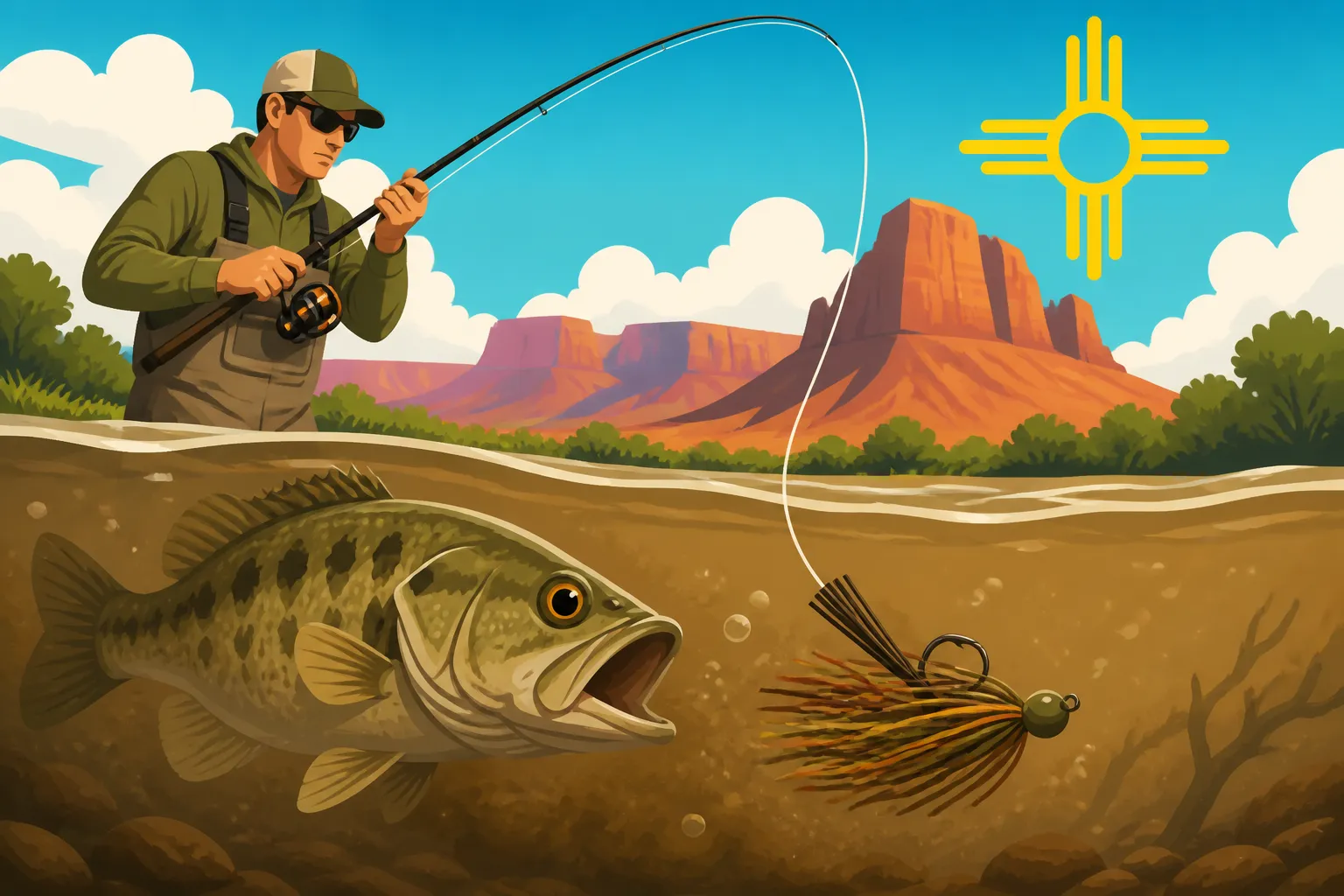
- Bass (Largemouth, Smallmouth): While bass are typically sight feeders, they adapt well to muddy conditions by moving shallower and tighter to cover. They become ambush predators, relying on vibrations to detect prey as it passes by their hiding spots. A slow-rolled spinnerbait, a thumping crankbait, or a Texas-rigged plastic worm worked slowly through cover can entice strikes. Best Lures for New Mexico Bass often include options perfect for these conditions.
- Walleye: Though typically associated with clearer, deeper water, walleye can still be caught in moderately stained conditions, especially around structure. They possess excellent low-light vision, which gives them an edge. Jigs tipped with minnows or scent-infused plastics, slow-trolled crankbaits, or even bottom bouncers are effective.
Navigating Muddy New Mexico Lakes and Rivers
Let's get specific about a few places where you might encounter and conquer muddy water.
- Elephant Butte Lake: This vast reservoir often experiences turbidity, particularly after heavy rains or strong winds. The southern end, being shallower, is more prone to muddy conditions. However, the abundant striped bass, largemouth bass, and catfish here don't disappear. Focus on the main lake points, coves with submerged brush, and areas around the dam. Use big, noisy crankbaits or deep-diving lipless crankbaits for stripers and bass. For catfish, target the deeper channels and coves with cut bait. Checking the Elephant Butte Lake Fishing Guide can give you more insights.
- Conchas Lake: Similar to Elephant Butte, Conchas can get stirred up. Its many coves and rocky structures offer excellent cover for fish. Walleye, bass, and crappie are present. When the water gets muddy, target the rocky points and submerged trees with crankbaits or jigs. Remember to slow your retrieve. The Conchas Lake Fishing Guide will have further tips for this great spot.
- The Rio Grande: Our state's namesake river is very susceptible to turbidity from monsoon runoff and snowmelt. When the Rio Grande turns brown, it's prime time for catfish. Find the slower eddies, deep holes, and brush piles along the banks. Using cut bait, chicken livers, or strong stink baits on a Carolina rig will yield results. You can also target carp with corn or dough balls in these same areas. Remember that Fishing New Mexico Rivers After Heavy Rain means adjusting to higher flows and potentially more debris, too.
- Urban Ponds and Smaller Lakes: Many of the New Mexico Game and Fish Department's stocked urban ponds can get muddy after a rain. While trout might be tougher to catch in these conditions, catfish, bluegill, and bass can still be active. Bright-colored PowerBait for trout, worms for bluegill, and small spinnerbaits or jigs for bass can still be effective.
By combining the right gear, the right tactics, and a good understanding of fish behavior, you can turn a seemingly disappointing muddy water situation into a successful and memorable New Mexico fishing adventure. Don't let a little mud stop you from hitting the water!
Muddy Water Fishing Gear Checklist
| Category | Item | Why It's Essential for Muddy Water | Recommended Colors / Types |
|---|---|---|---|
| Lures | Crankbaits | Strong vibration, deep diving to find fish holding deeper, loud rattles for sensory appeal. | Chartreuse, Firetiger, Hot Pink, Black, Orange. Deep-diving models. |
| Spinnerbaits | Flash and vibration from blades are highly effective in low visibility. | Chartreuse/White, Black/Blue, Orange, Gold/Silver blades. | |
| Chatterbaits | Intense vibration and erratic action that fish can feel from afar. | Black/Blue, Chartreuse, White. | |
| Jigs with Trailers | Heavy jig provides bottom contact; large plastic trailers displace water and add scent if applicable. | Black, White, Chartreuse, Orange. Paddle tail or bulky plastics. | |
| Topwater Lures | Creates surface commotion and a strong silhouette against the sky. | Black, White. Poppers, walkers, buzzbaits. | |
| Baits | Live/Cut Bait | Unbeatable scent trail, natural offering. | Worms (nightcrawlers), shad, anchovies, chicken liver. |
| Stink Baits | Specifically formulated powerful scents for catfish. | Prepared catfish baits (dough, dip, punch baits). | |
| PowerBait/Dough Bait | Strong scent and bright colors, especially for stocked trout. | Chartreuse, Orange, Garlic-infused. | |
| Scent Attractants | Scent Sprays/Gels | Enhances any artificial lure with a potent scent trail. | Garlic, Anise, Crawfish, Shad. |
| Terminal Tackle | Heavy Line | Needed for stronger currents, larger fish in cover, and managing potential debris. | 10-20 lb monofilament or braid. |
| Offset Worm Hooks | For weedless Texas rigging in heavy cover. | Various sizes to match soft plastics. | |
| Slip Sinkers | Allows bait to drift naturally on bottom with minimal resistance, crucial for bottom fishing. | 1/4 oz – 1 oz, depending on current/depth. | |
| Other | Polarized Sunglasses | Helps cut glare to spot subtle changes in water clarity or potential structure. | Amber or yellow lenses can enhance contrast. |
| Gloves | Handling smelly baits and potentially thorny fish. | Durable, scent-resistant fishing gloves (e.g., on Amazon). | |
| Deep Cycle Battery | If using a trolling motor, crucial for maintaining slow, controlled boat movement. | Reputable marine brand. | |
| Fish Finder | Locates bottom structure, depth changes, and potential fish schools even in murky water. | High-resolution side imaging or down imaging. |
Disclaimer
Fishing conditions, regulations, and access can change rapidly. Always consult the latest New Mexico Department of Game and Fish regulations guide before heading out. This content is for informational purposes only and does not constitute official advice. Ensure you are fishing legally and safely.