Best Technique for New Mexico Tailwater Trout
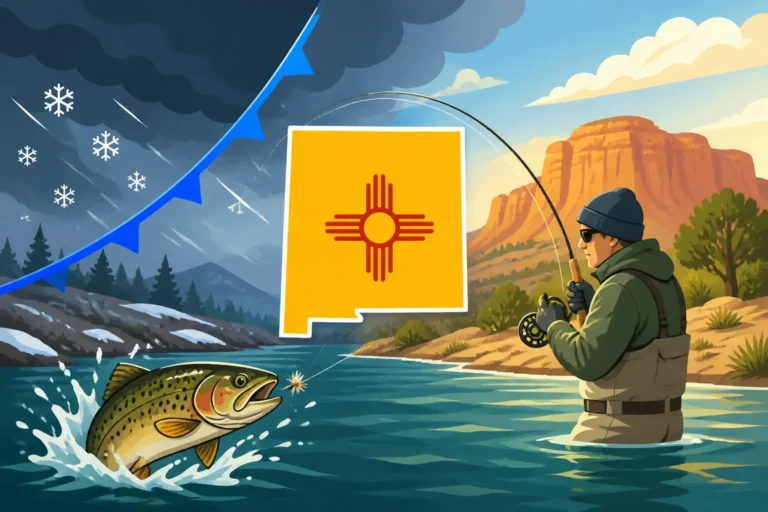
Fishing for trout in New Mexico's tailwaters can feel like you're playing chess against a grandmaster. These highly pressured, often gin-clear waters, which flow from the bottom of large dams, create a consistent, nutrient-rich environment that grows some truly impressive trout. But their stability also makes the fish incredibly smart and selective. If you've found yourself frustrated by wary trout ignoring your offerings, this guide is for you. We're going to dive deep into the best techniques for New Mexico tailwater trout, giving you the knowledge and confidence to outwit those finicky fish.
Understanding New Mexico Tailwaters: A Unique Challenge
Tailwaters are distinct from free-flowing rivers and streams, and understanding their unique characteristics is the first step to unlocking their secrets. They present a specific set of challenges and opportunities that require a tailored approach.
What Makes Tailwaters Different?
Imagine a river that never changes temperature much, always has a consistent flow, and boasts a constant buffet of food. That's essentially a tailwater. Unlike a freestone stream that might experience drastic temperature swings, runoff, and fluctuating insect populations throughout the year, tailwaters offer a much more stable environment. This consistency, while great for trout growth, also leads to highly educated fish. They see a lot of anglers and therefore become incredibly selective about what they eat.
The water released from the bottom of a dam is typically very cold, stable, and rich in oxygen. This creates ideal conditions for aquatic insect life, like midges, mayflies, and caddis, to thrive year-round. However, because the water is often released from deep within the reservoir, it can be unnaturally clear. This crystal-clear water, while beautiful, means trout have an excellent view of your line, your flies, and even your silhouette, making stealth and presentation paramount. You'll find that fish in places like the San Juan River Quality Waters Section are notoriously picky, often requiring perfect drifts and tiny flies.
Reading the Water in Tailwater Environments
Reading tailwater currents is a nuanced skill. While some principles apply universally to river fishing, tailwaters often have distinct features due to the controlled flow. Look for current seams where faster water meets slower water, often indicated by subtle changes in the surface ripple. These seams are highways for drifting insects and prime ambush points for trout. Riffles and runs, though often shallower, can hold actively feeding fish, especially during prolific hatches.
Don't overlook the deep pools and slow eddies. In winter, or during periods of high sun, trout will often retreat to these deeper, slower sections where they can expend less energy and feel more secure. Understanding where the fish are holding based on flow, light, and insect activity is critical. For example, below a strong current, you'll often find an eddy or pocket of slower water. This is a classic feeding lane where trout can wait for food to drift by without fighting the main current. Pay close attention to subtle differences in water speed and depth – these are often key indicators of where the fish will be holding.
Essential Techniques for Tailwater Trout Success
Success in New Mexico's tailwaters demands adaptability and a mastery of several key techniques. While one method might be king on a particular day, having a full arsenal will ensure you're ready for anything.
Nymphing: The Tailwater MVP
If there's one technique that dominates tailwater trout fishing, it's nymphing. The vast majority of a trout's diet consists of aquatic insects in their nymphal or larval stages, drifting subsurface. Therefore, presenting an imitation of these insects effectively is often the most consistent way to catch fish.
There are a few popular nymphing approaches:
- Indicator Nymphing: This is probably the most common method. You use a strike indicator (a fancy bobber, essentially) to suspend your nymphs at the desired depth. The key is to get a natural, drag-free drift that mimics a real insect. This often means using enough weight, like split shot or tungsten-beaded flies, to get your nymphs down to the fish quickly. A common setup involves two nymphs, a heavier "point fly" to get down, and a lighter "dropper fly" trailing behind. This allows you to present multiple food sources and depths simultaneously. For beginners, a simple indicator rig with a couple of carefully selected nymphs can be incredibly effective. Many quality indicators and nymphing setups are available on Amazon. When the indicator twitches, dips, or pauses unnaturally, set the hook!
- Euro Nymphing (Contact Nymphing): This more advanced technique involves using a long, sensitive rod, a specialized leader, and no strike indicator. The angler maintains direct contact with the flies, feeling for subtle takes. It's incredibly effective in complex currents and for detecting the faintest bites, as there's no slack to absorb the feel. While it has a steeper learning curve, dedicated Euro nymphing can significantly increase your catch rate in tricky tailwaters. Think of it as feeling the fish breathe on your fly.
- Weighted Flies and Short Leash Nymphing: Sometimes, especially in extremely clear or shallow water, a traditional indicator can spook fish. In these situations, you might use heavier, weighted nymphs on a shorter leader, allowing them to drift naturally without the visual distraction of an indicator. This requires a keen eye to spot subtle line movement or flashes of the fish as it takes your fly.
Remember, the goal is a natural drift. Any drag on your line will make your fly look unnatural and immediately turn off a wary trout. Many anglers find success by mastering Nymph Fishing on the San Juan River, a prime example of a productive tailwater.
Dry Fly Fishing: When Opportunities Arise
While nymphs often account for the bulk of catches, few things are as exhilarating as watching a trout rise to a perfectly presented dry fly. Dry fly opportunities on tailwaters tend to be more sporadic but can be incredibly rewarding.
- Matching the Hatch: The golden rule of dry fly fishing. If you see fish rising, try to identify what they're eating. Look for specific insects on the water – their size, shape, and color. Then, try to match it with your fly pattern. Tailwaters often have consistent hatches of midges, small mayflies (like Blue Winged Olives, or BWOs), and caddis. Having a selection of these patterns in various sizes is crucial.
- Delicate Presentations: Tailwater trout are masters of spotting drag. Your cast needs to be delicate, placing the fly gently on the water with as little disturbance as possible. Long, fine leaders and tippets are essential to avoid spooking fish and to allow for a natural drift. Often, a longer cast is better to keep your body and line away from the fish's sight.
- Targeting Rising Fish: When you see a fish rise, don't just cast blindly. Observe its rhythm. Is it rising consistently in the same spot, or cruising? Try to anticipate its next rise and present your fly a few feet upstream of its feeding lane. This gives the fish time to see the fly and decide to eat it. Small, often overlooked details like the current water level can affect where the fish choose to rise, so always be observant.
Streamer Fishing: For Bigger, Predatory Trout
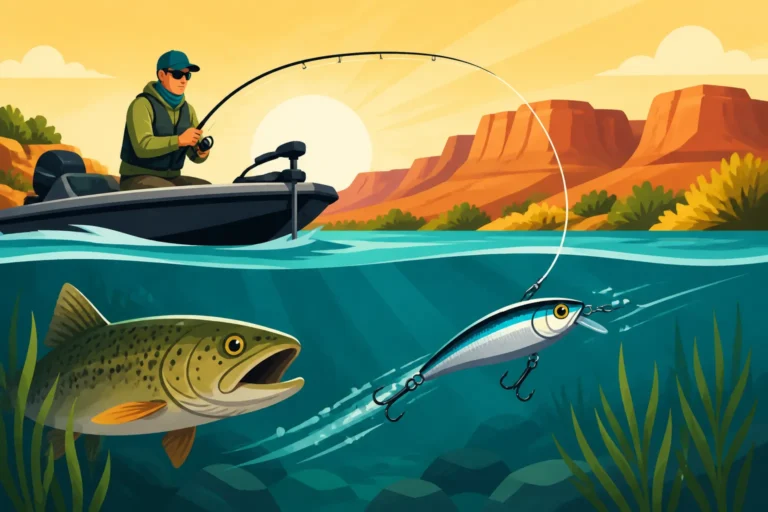
While nymphs and dry flies target insect-eating trout, streamer fishing targets the more aggressive, meat-eating individuals – often the biggest fish in the river. Streamers imitate baitfish, leeches, and other larger prey items.
- Aggressive Retrieves: Unlike the passive drift of nymphs or dry flies, streamer fishing is an active game. Cast your streamer and use varying retrieve speeds and pauses to mimic a wounded or darting baitfish. Stripping the line in short, quick bursts, or with longer, sweeping pulls, can trigger a predatory instinct.
- Targeting Cover: Big trout that eat streamers often hold in deeper, darker water, near structure like submerged logs, undercut banks, or large rocks. These spots provide cover for the trout to ambush prey and feel secure. Focus your casts on these high-percentage areas.
- Different Streamer Styles: From small, subtle patterns to large, articulated flies, there's a streamer for every situation. Woolly Buggers are a classic and highly effective pattern. Other popular choices include Sculpzillas, Sex Dungeons, and various baitfish imitations. Experiment with different colors and sizes to see what the fish are keying on. Sometimes, the flash of a weighted streamer available on Amazon can be the difference.
Gear and Presentation: The Finer Details
Having the right techniques is only half the battle; the other half is having the appropriate gear and knowing how to present your offerings with finesse.
Rods, Reels, and Line Choices
Your equipment plays a significant role in your success on tailwaters.
- Rods: For most nymphing and dry fly applications on New Mexico tailwaters, a 9-foot 4- or 5-weight fly rod is a versatile choice. The length helps with line control and casting accuracy, while the weight provides enough backbone for larger trout without overpowering the delicate presentations required. If you're focusing heavily on Euro nymphing, a longer, lighter rod (10-11 foot 2- or 3-weight) offers superior line control and sensitivity. For throwing bigger streamers, you might opt for a 6- or 7-weight rod with a faster action. Getting the Best Rod Setup for New Mexico Trout Fishing is key.
- Reels: While a reliable reel with a smooth drag is important, it's often less critical than the rod for fly fishing, especially for trout. As long as it balances your rod and can hold your line, it'll do. For larger fish, a disc drag system is preferable. For spinning setups, look for a lightweight, smooth-operating reel.
- Line: Fly line choice is crucial. For nymphing and dry flies, a weight-forward floating line is standard. Consider a nymph-specific taper for better turnover of heavier rigs. For streamer fishing, a sinking tip or full sinking line will get your flies down faster and keep them in the strike zone. For conventional gear, a high-quality monofilament or fluorocarbon line with low memory and good knot strength is essential. Often, 4-6 lb test is sufficient for the clear tailwaters.
Fly Selection: Matching the Micro-Environment
Tailwater trout are often incredibly selective, sometimes keying in on specific stages or sizes of insects. Your fly box needs to reflect this. For a more detailed look at what bugs are hatching and what patterns to use, check out our guide on Fly Selection for New Mexico's San Juan River.
- Midges: These tiny insects are a staple in tailwaters year-round. Carry a range of midge pupa, larva, and adult patterns in sizes 18-24. Black, olive, and cream are go-to colors.
- Mayflies: BWOs (Blue Winged Olives) are incredibly important, especially in cooler weather and on cloudy days. Have nymphs, emergers, and adult patterns in sizes 18-22. Other mayfly species might hatch seasonally.
- Caddis: While less dominant than midges and mayflies in many tailwaters, caddis can provide exciting dry fly action. Carry caddis pupa and adult patterns in sizes 14-18.
- Scuds & Sowbugs: These freshwater crustaceans are a major food source in many tailwaters. Carry scud and sowbug patterns in various sizes (14-20) and natural colors like olive, gray, and tan.
- Worms & Eggs: Patterns like San Juan Worms and various egg imitations can be incredibly effective, especially after rain or when flows are elevated. Trout see these as easy protein.
Always carry a variety, and don't be afraid to experiment with slight variations in size and color. Sometimes a subtle difference is all it takes. You can find excellent selections of specific trout flies on Amazon.
Stealth and Approach: Don't Spook the Fish
In clear tailwaters, being seen by the fish is often game over. Tailwater trout are hyper-aware of their surroundings.
- Wading: Move slowly and deliberately. Avoid kicking up silt, which can travel downstream and alarm fish. Keep a low profile, especially when you're close to the water. In very clear, shallow sections, sometimes it's better to stay out of the water completely and fish from the bank.
- Casting: Make smooth, efficient casts. Avoid false casting excessively over the water where fish can see the movement of your line. Aim for accurate casts that deliver your fly to the target with minimal splash.
- Shadows: Be mindful of your shadow. On sunny days, your shadow falling across the water can immediately put fish down. Position yourself so your shadow isn't projected onto your fishing area.
- Clothing: Earth-toned clothing that blends into the background is always a good idea. Bright colors can stand out and spook fish.
Remember, patience and observation are your allies. Spend time watching the water before you even make a cast. See where fish are holding, how they're feeding, and what insects are active.
Tailwater Strategies by Season
New Mexico's tailwaters offer year-round fishing, but the best techniques and strategies can shift dramatically with the seasons, influenced by water flows, insect hatches, and trout behavior. You'll find specific details on how to adapt in our comprehensive guide to New Mexico Fishing Season Dates and Limits.
Winter and Early Spring
Winter fishing in New Mexico tailwaters can be incredibly productive, but it requires finesse. The water is often at its clearest and coldest.
- Small Flies, Slow Retrieves: Midges and tiny mayfly nymphs (like BWOs) are the primary food sources. Think size 20-24. Trout are less active in cold water, so their feeding windows might be shorter, and their takes incredibly subtle. Slow, deep nymphing is usually the most effective approach.
- Deeper Runs and Pools: Fish will congregate in slower, deeper water to conserve energy. Target these areas. Look for subtle current seams that carry food into these deeper pockets.
- Mid-Day Activity: On cold winter days, the warmest part of the day, typically late morning to mid-afternoon, often sees the most insect activity and therefore the most trout feeding. Consider our Winter Fishing in New Mexico guide for more specific tips.
Early spring can see increasing flows as snowmelt begins, but temperatures might still be quite cold. Hatches of midges and BWOs continue, and you might start to see some early caddis activity. Heavier nymphing rigs might be necessary to get through higher flows.
Late Spring and Summer
As flows stabilize and water temperatures rise in late spring and summer, tailwaters come alive.
- Prolific Hatches: This is often the prime time for varied insect hatches, including caddis, larger mayflies, and stoneflies (depending on the tailwater). Dry fly fishing can be excellent, especially during morning or evening hatches.
- Higher Flows: Summer often brings higher water releases from the dams, which can spread fish out and provide more cover. Adjust your weighting for nymphing to get your flies down. Streamer fishing can also be very productive in these higher flows, as trout will be more aggressive.
- Early Mornings and Late Evenings: During the heat of summer, trout often feed most actively during the cooler parts of the day. Focus your efforts during these windows. If the water is warm, consider using New Mexico Catch and Release Regulations to protect the fish by minimizing handling time and keeping them wet.
Fall
Fall is a favorite season for many tailwater anglers, offering a unique blend of conditions and fish behavior.
- Spawning Runs: In many New Mexico tailwaters, brown trout begin their spawning rituals in the fall. While it's generally discouraged to target spawning fish directly on their redds (spawning beds), actively feeding browns in nearby runs can be aggressive. Egg patterns and larger nymphs can be highly effective.
- Larger Flies and Aggressive Fish: As water temperatures cool but remain comfortable, trout often become more active and opportunistic, looking to bulk up for winter. This can be a great time for streamer fishing, as well as nymphing with larger patterns.
- Beautiful Scenery: Beyond the fishing, fall in New Mexico offers stunning landscapes with changing foliage, making for a truly memorable experience. For more on this season, read our Fall Fishing in New Mexico article.
No matter the season, always check the current water flow and regulations before heading out. Conditions can change rapidly, impacting both fish behavior and your safety. Our New Mexico Fishing Regulations Overview and New Mexico Trout Fishing Rules are excellent resources.
Tailwater Techniques and Seasonal Considerations
Here's a quick overview of how to adapt your strategy throughout the year in New Mexico's tailwaters:
| Season | Primary Techniques | Recommended Flies | Key Considerations |
|---|---|---|---|
| Winter | Deep Nymphing, Euro Nymphing | Midges (18-24), BWOs (20-22), Scuds | Focus on deep, slow water; subtle takes; mid-day activity. |
| Early Spring | Nymphing, Emerger patterns | Midges, BWOs, Small Caddis, Eggs | Increasing flows; fish starting to spread out; potential for runoff. |
| Late Spring | Nymphing, Dry Flies (hatches), Streamers | Caddis, Mayflies (PMDs), Stoneflies, Small Streamers | Strong hatches; active feeding; varied techniques possible. |
| Summer | Dry Flies (morn/eve), Nymphing, Streamers | Hoppers, Ants, Caddis, Larger Mayflies, Baitfish | Early/late fishing; higher sun calls for deeper presentations; clear water. |
| Fall | Streamers, Nymphing (eggs, worms), Dry Flies | Eggs, Worms, Larger Nymphs, Sculpins, Hoppers | Spawning activity (browns); aggressive feeding; good for trophy fish. |
Mastering the Approach: Putting It All Together
Ultimately, success on New Mexico's tailwaters comes down to a blend of understanding the unique environment, employing the right techniques, using appropriate gear, and executing with stealth and precision. You might be fishing the famous San Juan River Fishing Guide or a lesser-known gem; the principles remain the same.
Start by observing the water and understanding the current conditions. Are there insects hatching? Is the water clear or off-color? What's the flow like? This initial assessment will help you decide which technique to start with. Then, focus on your presentation. A drag-free drift is paramount for nymphs and dry flies, and a lifelike retrieve is key for streamers. Don't be afraid to change your flies frequently, adjusting size, color, and pattern until you find what the fish are responding to.
Always prioritize New Mexico Catch and Release Regulations, especially for the wild and native trout often found in these special waters. Handle fish gently, keep them in the water as much as possible, and use barbless hooks to minimize harm, a practice often required in special areas such as covered by the Barbless Hook Fishing Technique for New Mexico Rivers. The health of these incredible fisheries depends on all of us doing our part.
With practice and patience, you'll soon be unraveling the challenges of New Mexico's tailwaters and enjoying the incredible fishing they offer.
Disclaimer
This article is for general informational purposes only and does not constitute professional advice. Laws, prices and regulations vary by location and change over time. Consult a qualified professional for guidance on your specific situation.