How to Fish Small Streams in the Gila National Forest
There's a special kind of magic that calls to anglers who seek solitude and wild fish – the small, often overlooked streams tucked away in the vast wilderness of the Gila National Forest. These aren't your easily accessible, heavily stocked ponds. They're remote, rugged, and demand a particular approach. This guide is for those of you eager to embrace the challenge, offering practical advice and techniques to help you successfully navigate and fish these pristine, often secluded, waters for their precious native trout.
The Unique Character of Gila's Small Streams
Fishing in the Gila National Forest isn't just about catching fish; it's about immersing yourself in an untamed landscape where nature sets the pace. The small streams here are unlike many other fisheries, presenting both unique challenges and incredible rewards. You're entering a world shaped by ancient volcanic activity and centuries of water carving its way through rock and forest, creating a true haven for wild trout.
What Makes Gila Streams Different?
When you venture into the Gila, you'll immediately notice a difference. These aren't wide, gentle rivers; they are often narrow, choked with downed timber, and flow through steep canyons or dense riparian zones. The water itself is usually crystal clear, originating from high-elevation springs and snowmelt, which means the fish can be incredibly wary. You're often dealing with high-gradient streams, meaning the water drops significantly over short distances, creating a mix of swift riffles, deep plunge pools, and short, serene flats.
The remoteness means less fishing pressure, but it also demands self-sufficiency and a good understanding of the terrain. Accessibility can range from relatively short hikes to multi-mile treks through dense forest or open grasslands, often without well-maintained trails. This ruggedness is precisely what protects these sensitive ecosystems and allows native species to thrive, but it also means you need to be prepared for anything, from sudden weather changes to navigating tricky stream banks. The rewards, however, are immense: the chance to catch truly wild fish in an undisturbed setting, surrounded by the raw beauty of New Mexico. For those looking for a complete wilderness fishing experience, the Gila offers an unparalleled opportunity that differs greatly from the more accessible waters you might find closer to population centers.
Targeting Gila's Native Trout
The stars of the show in many of the Gila's small streams are its native trout, primarily the Gila Trout and the Rio Grande Cutthroat Trout. These fish are a testament to the wildness of the Gila, often displaying vibrant colors and unique markings adapted to their specific habitats. Catching one is more than just a successful outing; it's a connection to the natural heritage of the region. However, their native status also means they require special care and respect. Many Gila Trout populations, for example, are managed with strict Do You Need a Permit to Fish for Gila Trout? and How to Catch Gila Trout Without Harming the Population guidelines to ensure their survival and recovery.
Gila Trout, known for their golden-bronze hue and small, dark spots, thrive in cold, clear headwater streams. They are often smaller than their stocked cousins but are incredibly feisty for their size. Fishing for them often means navigating tight quarters and making precise casts into small pockets of water. Similarly, the Rio Grande Cutthroat Trout in New Mexico, with its distinctive red slash under the jaw, can be found in other high-country streams, presenting a similar challenge. Understanding the specific regulations for each stream you plan to fish is paramount, as some areas may be catch-and-release only, or have bait and tackle restrictions to protect these delicate populations. It's a privilege to fish for these native species, and responsible angling ensures future generations can enjoy the same experience. You can learn more about these fascinating fish by exploring our detailed guide on Where to Catch Gila Trout in New Mexico.
Essential Gear for Remote Stream Success
Packing for a trip into the Gila's small streams requires a mindful, minimalist approach. Every item you carry needs to earn its place, as you'll likely be hiking some distance to reach your desired fishing spots. The goal is to be agile, prepared, and efficient without being overburdened.
Rods, Reels, and Lines for Tight Spaces
Forget the long, heavy rods you might use on larger rivers or reservoirs. For the tight, brush-choked streams of the Gila, a shorter, lighter setup is your best friend. A fly rod in the 6 to 7.5-foot range, rated for a 2 or 3-weight line, is ideal. This shorter length makes it much easier to cast in areas with overhanging branches and dense riparian vegetation. These lighter rods also make even a small 8-inch native trout feel like a trophy, adding to the excitement. For spinning gear, a similar ultra-light rod, perhaps 5 to 6 feet long, paired with a small reel spooled with 4-6 lb test monofilament or fluorocarbon, will give you the sensitivity and control you need.
The reel itself doesn't need to be fancy; a simple, reliable click-and-pawl fly reel or a basic spinning reel is perfectly adequate, as most of your fighting will be done directly with the rod rather than relying heavily on the drag. The key is balance and maneuverability. You're looking for gear that feels like an extension of your arm, allowing you to flick flies or tiny lures into precise pockets without constantly snagging on trees. Many anglers find great deals on these specialized, lighter setups through online retailers like Amazon, ensuring they get the right tool for the job. For a more general overview, you might find our guide on Best Rod Setup for New Mexico Trout Fishing helpful, though remember to prioritize lightness and shortness for the Gila's unique demands.
The Minimalist Tackle Box
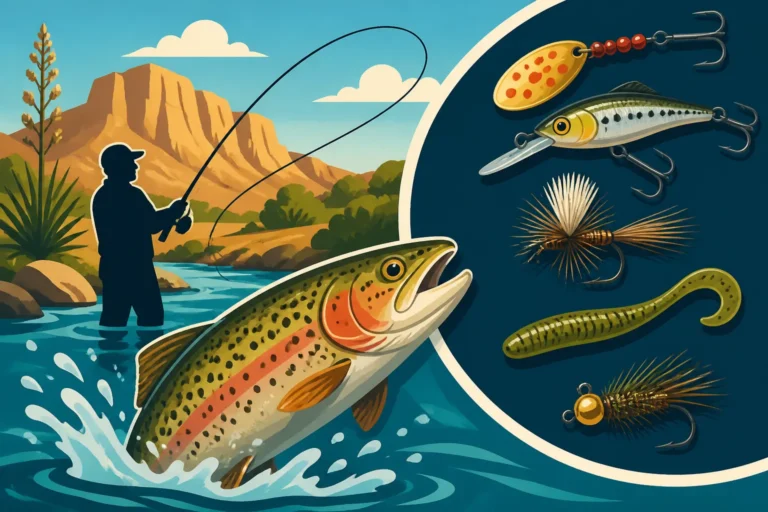
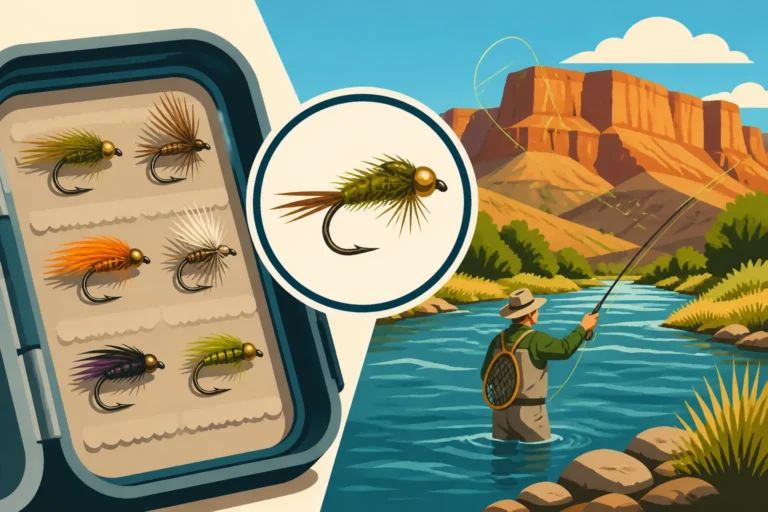
When you're bushwhacking to a secluded stream, a bulky tackle box is simply not an option. Think small, essential, and versatile. For fly anglers, a compact fly box filled with a selection of reliable patterns is all you need. Focus on terrestrial imitations like small hoppers, beetles, and ants, especially during summer and fall. Small dry flies such as Parachute Adams, Elk Hair Caddis, and Griffith's Gnats are also excellent choices. Don't forget a few small nymph patterns like Hare's Ear, Pheasant Tail, and Copper Johns, often fished under a dry fly or a tiny indicator.
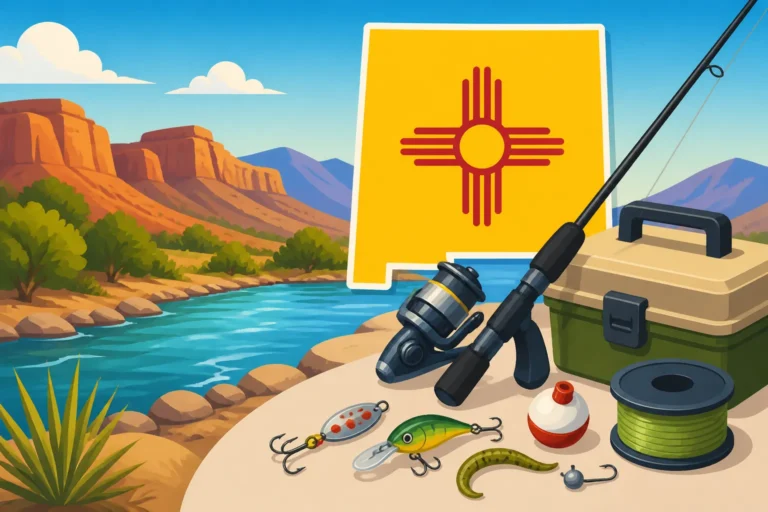
Spinning anglers should carry a few ultra-light spinners (e.g., Rooster Tails, Mepps Aglias in smaller sizes), tiny spoons, and perhaps a few small soft plastics on jig heads. Forget the bait for most native trout streams, as artificial-only regulations are common. Beyond flies or lures, essential accessories include a pair of small nippers or nail clippers, forceps for hook removal (crucial for New Mexico Catch and Release Regulations), a spool of extra tippet or leader material, and maybe a few small split shot. Keep it all in a small, lightweight pouch or a pocket-sized box. Every ounce counts when you're hiking into the backcountry. You can often find durable, compact fly boxes and small tackle organizers on Amazon, perfect for Gila adventures.
Wading Gear and Apparel
The crystal-clear, often cold waters of the Gila's streams necessitate proper wading gear. Breathable chest waders are often the best choice, even if you don't plan on wading chest-deep. They offer protection from cold water, thorny brush along the banks, and provide extra pockets for gear. Paired with sturdy wading boots that provide excellent ankle support and grip on slippery rocks, you'll be much safer and more comfortable. Felt soles offer superior grip on wet rocks but can be illegal in some areas due to concerns about invasive species, so rubber soles with studs or excellent traction are often a safer bet. Check specific regulations before heading out. Our guide on Best Waders for New Mexico Rivers offers more insights into choosing the right pair.
Beyond waders, layers are key. The Gila can experience significant temperature swings, from chilly mornings to hot afternoons, even at high elevations. Wear moisture-wicking base layers, a fleece or insulated mid-layer, and a waterproof/windproof outer shell. A wide-brimmed hat and polarized sunglasses are non-negotiable for sun protection and spotting fish in clear water. Don't forget insect repellent, especially during warmer months. Remember, you're not just dressing for the water, but for the hike in and out and for varying weather conditions throughout the day. A reliable, lightweight fishing backpack is also crucial for carrying water, snacks, extra layers, and your essential gear.
Mastering the Art of Gila Stream Fishing
Fishing small, wild streams is often more about finesse and strategy than brute force. The trout in these waters are survivors, hyper-aware of their surroundings, and easily spooked. Success hinges on a combination of stealth, accurate presentation, and keen observation.
Stealth and Approach
This is arguably the most critical aspect of fishing small, clear Gila streams. Wild trout are incredibly wary. A heavy step on the bank, a sudden movement, or a shadow cast over the water can send them darting for cover. Think like a hunter: move slowly, deliberately, and with a low profile. Stay low to the ground as you approach a promising pool or run. Use existing cover like rocks, trees, and brush to break up your silhouette.
Approach pools from downstream whenever possible, wading carefully or walking well back from the bank. Fish generally face upstream, so coming from behind minimizes your chances of being seen. Take your time. Observe the water before making your first cast. Look for subtle movements, shadows, or rises. One well-placed, stealthy cast is worth ten sloppy ones that spook the entire pool. If you're fishing with a partner, communicate quietly and move in unison to avoid disturbing the water or the fish. The patience and quiet effort you put into your approach will directly translate into more successful hookups.
Precision Casting and Presentation
Because you're often dealing with tight quarters and small pockets of holding water, casting accuracy is paramount. Long casts are rarely necessary and often impossible due to overhead obstructions. Instead, focus on short, precise casts that allow your fly or lure to land softly and naturally. Roll casts are invaluable for fly anglers, allowing you to cast without much backcasting room. Bow-and-arrow casts, where you hold the fly and bend the rod tip back, can propel a fly into impossibly tight spots.
For spinning anglers, a flick of the wrist is often all it takes to get a small spinner into a promising seam. The goal is to present your offering as naturally as possible, mimicking what the fish are already accustomed to eating. Avoid splashy, heavy presentations. Once your fly or lure is in the water, focus on achieving a natural drift or retrieve, keeping any drag to a minimum. Often, small stream trout don't have much time to decide, so a perfect presentation in the right spot can trigger an immediate strike. Experiment with different angles and retrieve speeds, but always prioritize accuracy and a delicate touch.
Reading the Water for Wild Trout
Learning to "read the water" is a skill that develops with experience, but it's essential for consistent success in small streams. Wild trout, especially in clear water, are experts at conserving energy and finding optimal feeding lies. They'll position themselves in places that offer a good supply of food (current) with minimal effort, combined with proximity to cover from predators. Look for seams where faster current meets slower water, often along the edges of riffles or behind large rocks. Trout will sit in the slower water, waiting for food to drift by in the faster current.
Deep plunge pools at the base of waterfalls are almost always worth a few casts, as they provide both depth and current breaks. Look for undercut banks, submerged logs, or large boulders that create shadows and shelter. These are prime hiding spots. During warmer parts of the day, trout might move into shaded areas. In cooler weather, they might seek deeper water or sun-warmed sections. Observing the natural currents, identifying potential holding lies, and understanding how food drifts through the water will significantly increase your chances. Even if you don't see fish, assume they are there and cast accordingly into the most promising structures and current breaks.
Responsible Angling in a Pristine Wilderness
Fishing in the Gila National Forest is a privilege, and with that comes a responsibility to protect its wild beauty and delicate ecosystems. Practicing ethical angling and adhering to regulations ensures these opportunities remain for everyone.
Catch and Release Best Practices
Many of the Gila's native trout populations are precious and require careful handling. This means practicing catch and release, often with barbless hooks, is crucial. Using barbless hooks (or crimping down the barbs on your existing hooks) makes hook removal much easier and reduces trauma to the fish. When you land a fish, try to keep it in the water as much as possible. If you must handle it, wet your hands thoroughly first to protect its delicate slime coat.
Avoid squeezing the fish or holding it by the jaw. Support its body gently, remove the hook quickly with forceps, and then allow the fish to recover in the water. If it's sluggish, hold it gently facing upstream in a current, allowing water to flow over its gills until it swims away under its own power. A good quality, rubber-meshed landing net can also greatly aid in safe handling and release, minimizing contact and stress. You can find excellent, fish-friendly nets on Amazon. For more detailed instructions, check out our guide on Best Landing Nets for New Mexico Catch and Release Fishing and New Mexico Catch and Release Regulations.
Navigating Permits and Regulations
Before heading out, it's essential to understand the specific regulations for the area you plan to fish, particularly within the Gila National Forest. While a general New Mexico Fishing Regulations Overview will cover statewide rules, certain streams, especially those with native Gila Trout or Rio Grande Cutthroat populations, may have special provisions. This could include gear restrictions (e.g., artificial lures only, barbless hooks only), specific bag and possession limits (often zero for sensitive species), or even limited access periods.
Always consult the latest New Mexico Department of Game and Fish proclamation or their website for the most up-to-date information. Permits may also be required for certain tribal lands adjacent to the Gila or for specific conservation areas. Ignorance of the rules is not an excuse, and violations can carry significant penalties. Taking the time to research thoroughly ensures a legal and responsible fishing trip.
Leave No Trace Principles
The Gila National Forest is a wilderness, and keeping it that way requires adherence to Leave No Trace principles. This means packing out everything you pack in, including all trash, leftover fishing line, and even organic waste like fruit peels. Aim to leave the area cleaner than you found it. Stay on established trails where they exist, and if you're bushwhacking, try to minimize your impact on vegetation.
Respect wildlife by observing from a distance and never feeding animals. Be mindful of campfires, especially during dry seasons, and always extinguish them completely. Human waste should be buried in a cathole at least 6-8 inches deep and 200 feet from water sources. Your presence in these wild places should be fleeting, leaving no lasting mark. By being a responsible steward, you help preserve the pristine nature of the Gila for all who seek its quiet beauty.
| Fly/Lure Type | Best Use Case | Key Features | Ideal Season |
|---|---|---|---|
| Small Dry Flies | Surface feeding, clear water, subtle presentations | Mimic small insects (caddis, mayflies, midges); float on surface, size 16-22 | Spring, Summer, Fall |
| Terrestrial Flies | Mimic grasshoppers, ants, beetles, cicadas | Good for warmer months, high banks, windy days; larger, often float well | Summer, Fall |
| Small Nymphs | Subsurface feeding, faster currents, deep pockets | Imitate aquatic insect larvae (Pheasant Tail, Hare's Ear); fished under indicator | Year-round |
| Tiny Spinners | All-around search lure, good for deeper pools | Small metal blade, bright colors (gold, silver, black); retrieve slowly/steadily | Year-round |
| Small Spoons | Attract flash, good for aggressive fish | Wobble on retrieve, shiny finish; cast into pools, allow to flutter | Year-round |
This article is for general informational purposes only and does not constitute professional advice. Laws, prices and regulations vary by location and change over time. Consult a qualified professional for guidance on your specific situation.