How to Fish From an Inflatable Float Tube
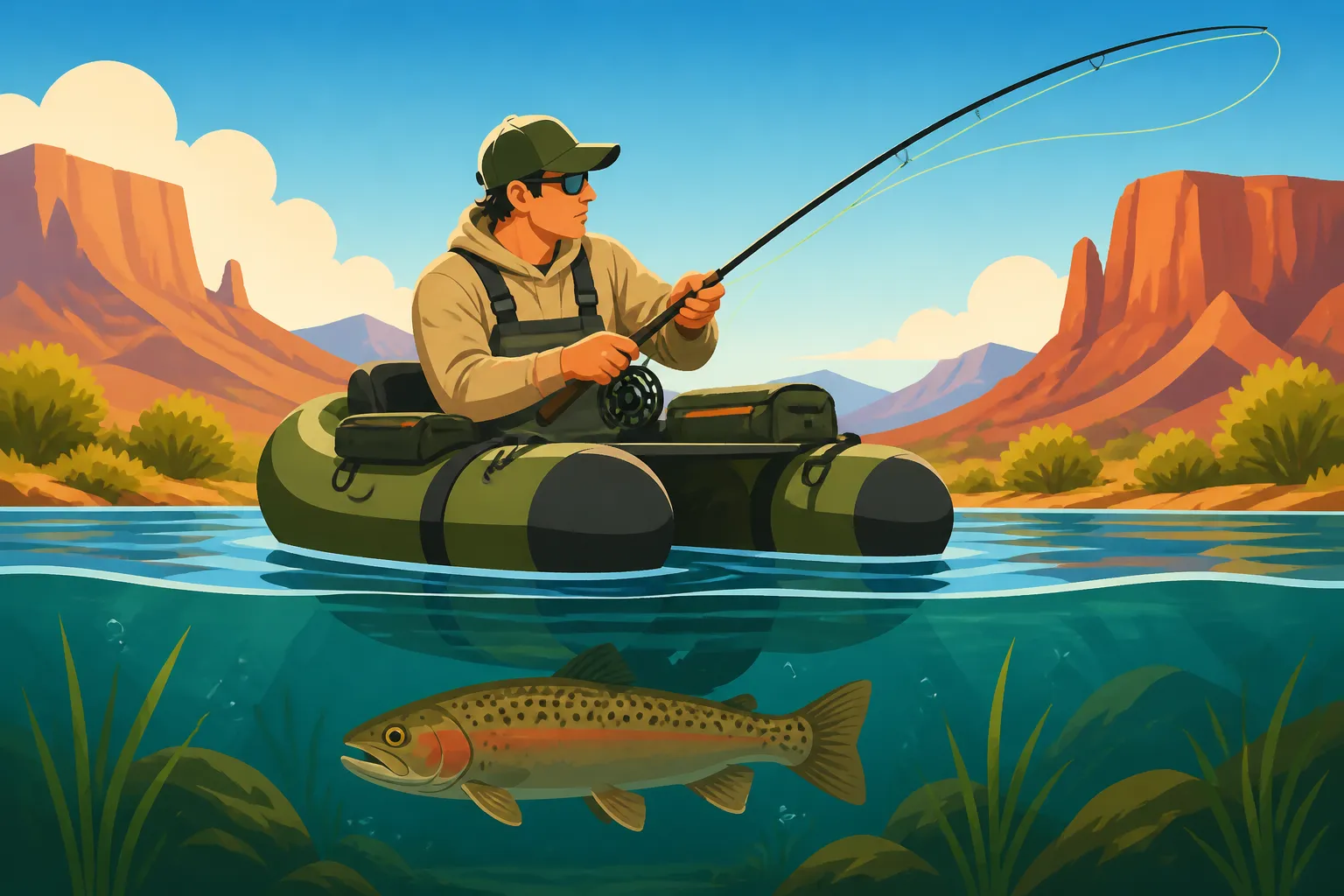
There's a special kind of freedom that comes with fishing, a peace that draws us to the water. But sometimes, the expense and logistics of a full boat, or the limited reach of bank fishing, can put a damper on our plans. If you've ever yearned to get closer to those elusive fish in serene, tucked-away coves without breaking the bank, an inflatable float tube might just be your new best friend. This guide is all about helping you understand how to embrace this unique, effective, and incredibly fun way to fish New Mexico's beautiful waters.
Why Choose a Float Tube for New Mexico Fishing?
Float tubes offer a distinctly different experience than traditional boat or bank fishing, opening up new possibilities for anglers. They’re a fantastic bridge between wading and boating, giving you unparalleled access and a truly intimate connection with the water. For many New Mexico anglers, especially those looking to explore quieter, often overlooked spots, a float tube is an absolute game-changer.
The Appeal of Portability and Access
One of the biggest frustrations with bank fishing is that you're literally tied to the shore. You can see fish rising just out of casting range, or a promising structure lurking in deeper water, but there's no way to reach it. That's where float tubes shine. They are incredibly portable, deflating into a compact package that can easily fit in a car trunk or even be strapped to a backpack. This portability means you can access smaller, less crowded lakes, ponds, or even quiet stretches of rivers that are completely inaccessible to larger boats. Imagine hiking into a pristine high mountain lake with your gear, inflating your tube, and being on the water within minutes – it’s a liberating feeling. For more remote excursions, check out tips on selecting the right gear, like finding the Best Fishing Backpack for Hiking to High Lakes.
This ease of transport also means less hassle. No boat ramp lines, no worries about trailering, and no need for extensive boat maintenance. You simply inflate, gear up, and gently slip into the water. This stealth factor is another huge advantage; a float tube barely disturbs the water, allowing you to approach wary fish much more closely than you ever could in a noisy motorboat or even a larger kayak. The quiet glide across the water lets you become part of the environment, not just an observer.
Cost-Effectiveness Compared to Other Watercraft
Let's be real, fishing can get expensive. Boats, even small jon boats, require a significant initial investment, ongoing maintenance, registration fees, a trailer, and a place to store it. Kayaks are a step down but still represent a substantial purchase, especially for higher-end models. Float tubes, however, offer an incredibly cost-effective alternative.
The initial price point for a quality float tube is dramatically lower than almost any other personal watercraft. This makes it an ideal entry point for anglers who want to expand their reach beyond the bank without committing to a hefty financial outlay. There are no ongoing fuel costs, minimal storage requirements, and the maintenance typically involves little more than cleaning and occasional patching. For many, this affordability opens up an entirely new dimension of fishing, making those hard-to-reach honey holes suddenly accessible and putting more money in your pocket for lures and bait. It's about maximizing your time on the water without stretching your budget.
Essential Gear for Your Float Tube Adventure
While float tube fishing simplifies many aspects of getting on the water, having the right gear is still crucial for comfort, safety, and success. Think of it as your personal mini-fishing vessel, requiring a thoughtful selection of components to ensure a great experience. Getting your setup dialed in beforehand means you can focus on the fishing, not fussing with inadequate equipment.
Choosing the Right Float Tube and Fins
The heart of your float tube setup is, of course, the tube itself. There are generally a few styles to consider, each with its own advantages. U-shaped tubes are very common and easy to get in and out of, often resembling a large armchair. V-shaped tubes offer slightly better hydrodynamics, making them easier to propel through the water and often have more storage. Pontoon-style tubes, with two separate inflatable pontoons and an elevated seat, provide the most stability and can handle slightly rougher water, but they are also heavier and less portable.
When choosing, consider the materials: durable PVC bladders covered with a tough denier nylon or polyester shell are standard and will stand up to snags and punctures much better than cheaper, thinner materials. Look for tubes with ample storage pockets, comfortable seats, and a stripping apron or tray to keep your line organized. Don't forget the fins! These are your propulsion system. Strap-on fins worn over waders are common, but full-foot fins can offer more power and comfort if you plan on covering longer distances. Make sure they fit securely over your wader boots. You'll find many excellent options for various float tube styles and fins on platforms like Amazon. For specific advice, our guide on the Best Float Tube Fins for Pond Fishing can help you make a selection.
Waders, PFD, and Safety Essentials
Since you'll be sitting in the water, quality waders are non-negotiable. Chest waders are the standard, keeping you dry and warm. Neoprene waders are excellent for cold water, providing insulation, while breathable waders are better for warmer climates or if you'll be hiking to your fishing spot, as they prevent overheating. Always wear a belt with your waders to prevent them from filling with water in case of an accidental tip-over – which, while rare in a float tube, can happen.
Safety is paramount, so a Personal Flotation Device (PFD) is an absolute must. Even if you're a strong swimmer, a PFD provides crucial buoyancy and can prevent hypothermia in cold water. In fact, wearing a PFD is often a legal requirement in New Mexico, much like it is for other small watercraft. Our Life Jacket Requirements for New Mexico Boaters guide offers more details on these regulations. Beyond the PFD, always carry a few other essentials: a small pump to top off your tube if needed, a patch kit for emergency repairs, a whistle to signal for help, and a small knife. Depending on the conditions, a basic first-aid kit, some drinking water, and sun protection (hat, sunscreen, polarized sunglasses) are also wise additions.
Rods, Tackle, and Storage Solutions
Fishing from a float tube requires a slightly different approach to your tackle setup. Shorter rods, typically between 5 and 7 feet, are ideal. They are easier to maneuver in the confined space of a tube and prevent snagging on the tube itself or your gear. A medium-light action spinning rod is versatile for most panfish and trout, while a slightly heavier rod might be better for bass. Fly anglers often opt for a shorter, perhaps 7'6" 4 or 5-weight rod, which makes casting from a seated position much more manageable.
When it comes to tackle, less is often more. You have limited space, so consolidate your gear into a small, waterproof tackle box or a few plastic utility boxes. Focus on the essentials for the species you're targeting: a few key lures, some hooks, weights, and extra line. Many float tubes come with built-in storage pockets, but attachable gear bags or an apron that drapes over your lap can provide additional, easily accessible space for pliers, clippers, and other small tools. You'll find many excellent tackle organization solutions on Amazon that are perfectly sized for float tube use. If you’re just starting out, a solid guide like Best Starter Tackle Box for a New Angler can help you narrow down what you truly need.
Techniques for Effective Float Tube Fishing in New Mexico
Once you've got your gear sorted, it's time to hit the water! Fishing from a float tube involves a blend of familiar angling techniques adapted for your unique vantage point, along with some specific maneuvers to master. The goal is to move efficiently, fish effectively, and enjoy the peace that comes from being so close to the water.
Launching, Paddling, and Positioning
The first step to a successful float tube trip is a smooth launch. Look for a gently sloped bank with minimal rocks or debris. Deflate your tube just enough to make it easier to carry, then fully inflate it at the water's edge. Get your waders on, don your PFD, and put on your fins. To enter, often the easiest way is to sit in your tube while it's still partially on the bank, then use your hands to push off into the water. If the bank is too steep, you might need to wade out a bit, float the tube, and then carefully slip into the seat. Take your time, especially on your first few attempts.
Once you're in the water, your fins are your motor. Start by practicing simple forward and backward movements, then try turning. It’s mostly about using small, controlled kicks. You’ll often find yourself kicking backward to move forward, which feels odd at first but quickly becomes second nature. Pay attention to the wind and current; these can be your allies or your adversaries. Learn to use gentle kicks to position yourself perfectly for a cast, or to drift slowly along a promising weed line. Don't fight strong currents or high winds unless absolutely necessary, as it can be exhausting and dangerous.
Fishing Strategies from Your Tube
The beauty of float tube fishing is the stealth it provides. You can approach fish with minimal disturbance, often getting much closer than from a boat or shore. This means you can cast more accurately to specific targets. When casting, consider sidearm or roll casts, as overhead casts can be cumbersome or even dangerous in a confined space, especially with other gear around you.
Float tubes are excellent for covering water methodically. You can slowly troll small lures or flies as you fin along, or anchor yourself precisely over a promising submerged structure for vertical jigging. An adjustable anchor is a fantastic accessory, allowing you to hold your position against light wind or current. Small, adjustable anchors are readily available on Amazon and can be easily stowed. Focus your efforts on known fish-holding areas: weed edges, drop-offs, submerged timber, or shaded banks. The low profile of a float tube also gives you a unique perspective, allowing you to spot subtle signs of fish activity that you might miss from a higher vantage point. New Mexico has many fantastic waters, and a float tube can really expand your reach in places like the numerous mountain lakes or family-friendly ponds. For instance, many of the Best Lakes for Family Fishing Trips in New Mexico are perfect for exploring via float tube. Additionally, if you're out during the Best Spring Fishing Spots in New Mexico, a float tube allows you to cover newly thawed waters efficiently.
Landing and Handling Fish Safely
Landing a fish from a float tube requires a bit of finesse. A good, knotless landing net is absolutely indispensable. Not only does it make landing fish easier, reducing the risk of a dropped fish or a hook in your waders, but it's also much gentler on the fish, which is crucial for catch and release. Once you've netted the fish, keep it in the water as much as possible.
Minimize handling time, especially in warmer weather, and use wet hands if you need to touch the fish. Quickly remove the hook, snap a photo if you wish, and then gently release the fish, ensuring it swims away strongly. This practice is vital for maintaining healthy fish populations. For more in-depth knowledge, refer to our guide on Best Landing Net Size for Catch and Release Trout to ensure you have the right tool, and definitely review the Catch and Release Best Practices in New Mexico to ensure you're doing your part to protect our fisheries. Your confined space means less room for error, so practicing these techniques will ensure both your safety and the fish's well-being.
Best Practices for Float Tubing in New Mexico
Float tube fishing offers a fantastic way to experience New Mexico's diverse aquatic environments, but like any outdoor activity, it comes with its own set of considerations. Being prepared and understanding the nuances of where and how to use your tube will greatly enhance your enjoyment and safety.
Choosing Your Waters Wisely
Not all waters are created equal for float tubing. While incredibly versatile, float tubes perform best in certain environments. Ideal spots include smaller lakes, ponds, calm coves of larger reservoirs, and slow-moving rivers. These areas offer generally calm conditions, manageable currents, and often less boat traffic, allowing you to enjoy the peaceful solitude that float tubing excels at providing. Many of the urban ponds in places like Albuquerque are fantastic for a quick float tube session, providing easy access to stocked trout and panfish. Check out our recommendations for Best Fishing Spots Near Albuquerque to find some local gems. Similarly, the serene high mountain lakes in areas like the Carson National Forest are prime candidates for adventurous float tubers. Our guide on the Best Fishing Spots in the Carson National Forest can point you towards some incredible, remote opportunities.
Conversely, it's wise to avoid large, open reservoirs on windy days, as the waves can be daunting and potentially dangerous. Fast-moving rivers or those with significant rapids are also a no-go for float tubes due to the lack of maneuverability and stability in such conditions. Always research your chosen water body's specific regulations and typical conditions before you go.
Weather, Water, and Wildlife Awareness
New Mexico's weather can be unpredictable, especially in the mountains, so always check the forecast before heading out. High winds can make float tubing extremely difficult and even unsafe, pushing you around and making it hard to control your position. Thunderstorms, with their sudden downpours and lightning, pose a serious threat to anyone on the water. If the weather looks iffy, it's always better to reschedule. Even on larger bodies of water where float tubes aren't ideal, understanding How Wind Affects Fishing at Elephant Butte Lake can give you insights into wind patterns across New Mexico.
Water temperature is another critical factor. Even on warm days, mountain lake water can be surprisingly cold, posing a risk of hypothermia if you get wet. Always dress in layers and consider the insulation properties of your waders. Finally, be aware of the local wildlife. While rarely a threat, it’s good to know what to expect. Snakes, including rattlesnakes, are common near water in many parts of New Mexico, so watch where you step when launching or landing. Giving wildlife space and respect is key to a harmonious outdoor experience.
Maintenance and Storage of Your Float Tube
Like any piece of fishing gear, a little care and maintenance will ensure your float tube lasts for many seasons. After each use, especially if you've been in murky water, rinse your tube thoroughly with fresh water. Pay special attention to the fabric cover, as mud and debris can degrade the material over time. Once clean, make sure it's completely dry before deflating and storing it. This prevents mildew and extends the life of the fabric and bladders.
Store your float tube in a cool, dry place, away from direct sunlight and extreme temperatures. UV rays can be particularly damaging to PVC and fabric over time, making materials brittle. While deflated and stored, inspect your tube periodically for any small leaks or abrasions. Even if you haven't had a puncture, constant use can cause wear and tear. Having a quality patch kit on hand is essential for quick repairs, allowing you to get back on the water without delay. Don't forget to grab UV protectants and quality patch kits from retailers like Amazon to keep your investment in top shape.
Float Tube Styles Comparison Table
To help you visualize the differences and choose the best float tube for your needs, here's a quick comparison of the most common styles:
| Feature | U-Shaped Tubes | V-Shaped Tubes | Pontoon-Style Tubes |
|---|---|---|---|
| Shape | Open "U" at the front, armchair-like. | Tapered "V" shape at the front. | Two distinct pontoons with an elevated seat/frame. |
| Entry/Exit | Easiest to get in and out. | Relatively easy, slightly less open than U-shape. | Requires stepping into a frame. |
| Maneuverability | Good, but can be bulky. | Better hydrodynamics, easier to fin. | Excellent tracking, very efficient with fins. |
| Stability | Good in calm water. | Good in calm water. | Excellent, often preferred for choppier water. |
| Storage | Typically ample pockets on sides. | Often more efficient pocket placement. | Often includes a cargo area behind the seat. |
| Portability | Good, deflates compactly. | Good, deflates compactly. | Heavier and bulkier when deflated due to frame. |
| Comfort | Very comfortable, armchair feel. | Comfortable, often with good back support. | High, dry seating position, very comfortable. |
| Best For | Beginners, casual angling, calm ponds/lakes. | Anglers wanting better performance, more serious use. | Covering distance, open water, stability, comfort. |
Each style has its merits, and the "best" one depends on your personal fishing style, the waters you frequent, and your priorities for comfort and performance.
Disclaimer
This article is for general informational purposes only and does not constitute professional advice. Laws, prices and regulations vary by location and change over time. Consult a qualified professional for guidance on your specific situation.