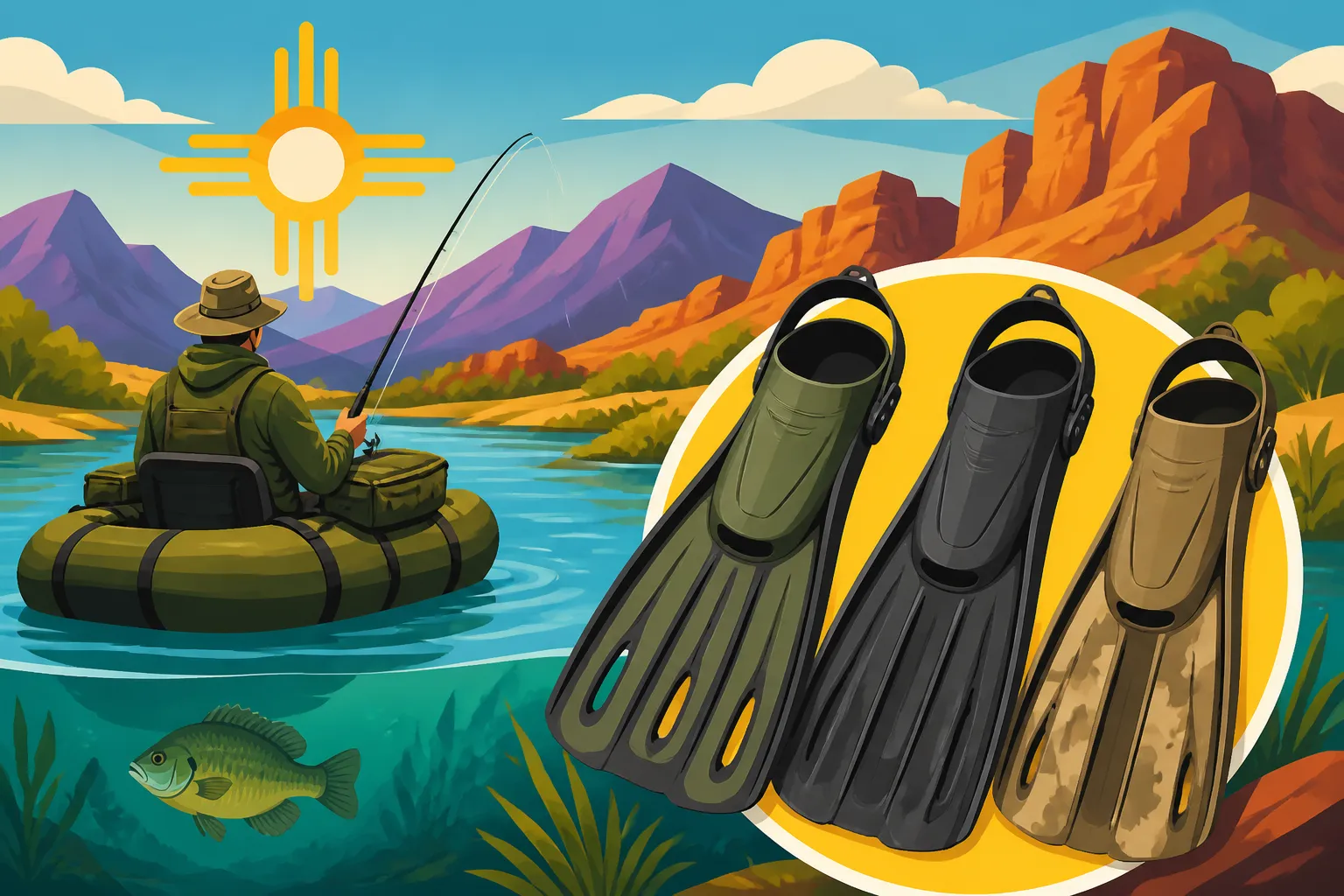
Best Float Tube Fins for Pond Fishing
Finding the right float tube fins for pond fishing in New Mexico can feel like a surprisingly big decision, especially when you're tired of clumsy movements, getting tangled in weeds, or struggling to hold your position against a light breeze. It's frustrating to invest in a float tube for that perfect serene pond experience, only to find your fins aren't up to the task of precise navigation or comfortable propulsion. This guide is here to help you cut through the confusion and choose the best float tube fins to enhance your pond fishing adventures, ensuring you spend more time casting and less time fighting your gear.
Understanding Your Float Tube Fin Needs for Pond Fishing
Pond fishing from a float tube offers an incredible sense of intimacy with the water, allowing you to stealthily approach cover that bank anglers can't reach. But this unique vantage point comes with its own set of challenges, especially when it comes to propulsion. The wrong fins can turn a peaceful outing into an exasperating workout.
The Unique Challenges of Pond Fishing
Ponds, unlike large reservoirs or flowing rivers, often present very specific conditions that demand a particular type of fin performance. You’re typically dealing with shallower water, which means longer, stiff fins designed for deep diving or powerful ocean currents might just stir up mud and spook fish. Imagine trying to navigate a narrow cove choked with lily pads using fins meant for snorkeling—it's just not going to work efficiently.
Furthermore, ponds are often rich in aquatic vegetation, from submerged grasses to lily pad fields. Fins that are too large or have complex designs can easily get tangled, leaving you frustrated and unable to move. You also need to consider the muck and soft bottom that many ponds possess. Stirring up this sediment not only clouds the water, making fishing more difficult, but can also coat your fins, making them heavier and less efficient. Precision and quiet movement are key for success in these smaller, often clearer bodies of water.
Key Considerations When Choosing Fins
When you're out there, floating along a quiet pond on a calm New Mexico morning, your fins are your engine, your steering wheel, and your anchor all rolled into one. They need to provide efficient propulsion without being overly cumbersome, allow for agile turns to get into tight spots, and remain comfortable for hours on end. Ignoring these aspects can lead to discomfort, inefficiency, and ultimately, a less enjoyable day on the water.
Propulsion is about moving forward with minimal effort, but for pond fishing, it's also about moving quietly. Big, powerful kicks might propel you quickly, but they'll also create a commotion that could send fish scattering. Maneuverability is critical for navigating around fallen trees, tight banks, and weed beds; you need to be able to make small, controlled adjustments to your position. Comfort, of course, speaks for itself—no one wants blisters or cramping feet after a few hours. Finally, durability and weight are practical considerations; your fins need to withstand the occasional bump against a submerged log and be easy to carry to and from the water, especially if you're hiking to those Best Places to Fish in New Mexico.
Types of Float Tube Fins and Their Ideal Uses
Just like fishing rods, not all float tube fins are created equal, and what works wonders for one style of fishing might be a hindrance for another. Understanding the basic categories will help you narrow down your choices and find a pair that truly suits your pond fishing adventures.
Strap-On Fins Open-Heel
Strap-on fins, often referred to as open-heel fins, are a very common choice for float tube anglers. They feature an open heel with an adjustable strap that goes around the back of your ankle, securing the fin to your foot. The beauty of these fins lies in their versatility: you can wear them over various types of wading boots or even sturdy water shoes, making them adaptable to different water temperatures and personal preferences for foot protection. Many anglers appreciate the ability to fine-tune the fit, which can be crucial for comfort during long sessions.
These fins often have a larger, stiffer blade, designed to provide substantial thrust with each kick. This can be a huge advantage when you need to cover a bit more distance on a larger pond or fight against a strong headwind. However, that same power can be a disadvantage in tight, weedy areas where smaller, more precise movements are needed. They are generally available at most outdoor retailers and online stores; for example, you can often find a good selection of various models through Bass Pro Shops, allowing you to compare different brands and features side-by-side. Just make sure to consider the length and stiffness in relation to the specific ponds you plan to fish.
Bootie Fins Closed-Heel
Bootie fins, or closed-heel fins, are designed to be worn without a separate wading boot or shoe, fitting directly over your foot or a thin sock. They offer a snug, glove-like fit that many anglers find incredibly comfortable and secure, almost like an extension of your leg. This secure fit can reduce friction and the chance of blisters, which is a big plus if you're planning on spending an entire day kicking around. They tend to be lighter and more streamlined than their strap-on counterparts, which can translate to less fatigue over time.
However, the sizing for bootie fins is much more critical. You need to ensure they fit perfectly with or without your chosen wader sock. They don't offer the same adjustability as strap-on fins, so if you plan to wear different thicknesses of waders, you might run into fit issues. Their blades can vary from shorter, more agile designs to longer, more powerful ones, but the emphasis is often on comfort and ease of use. If you appreciate a streamlined feel and don't plan on wearing bulky waders, bootie fins could be an excellent choice. Online marketplaces like Amazon offer a vast array of bootie fins, complete with user reviews that often highlight sizing nuances, which can be very helpful for making an informed decision.
Hybrid Fins and Specialty Designs
Beyond the two main categories, the market also offers hybrid and specialty fin designs that attempt to combine the best features or address specific angler needs. You might find fins with adjustable foot pockets that blend the security of a bootie fin with some of the versatility of a strap-on, allowing for a better fit over varying footwear. Some designs incorporate shorter, wider blades for maximum maneuverability in tight spots, sacrificing a bit of straight-line speed for exceptional turning capability. These can be particularly useful when fishing a pond with lots of timber or dense vegetation, where quick adjustments are paramount to getting your lure into the strike zone.
Other specialty fins might feature a more flexible blade material to reduce leg fatigue, or a unique venting system designed to channel water more efficiently and reduce drag. For anglers who spend a lot of time in shallow, mucky ponds, some fins are designed with a slightly upward curve or a more compact profile to minimize stirring up the bottom. Exploring these niche options might lead you to a fin that feels custom-made for your specific pond fishing style, allowing you to maintain better control and conserve energy during a full day of Spring Trout Fishing in New Mexico or targeting bass in the summer heat.
Factors to Consider for Optimal Pond Performance
Choosing the right fins isn't just about picking a type; it's about matching specific features to the realities of pond fishing. The nuances of blade design, fit, and material can make a world of difference in your comfort and effectiveness on the water.
Blade Stiffness and Length
The blade of a fin is where all the magic happens – it's what translates your leg power into propulsion. For pond fishing, the characteristics of that blade are absolutely critical. Stiffer, longer blades, often found on diving or powerful open-heel fins, provide a tremendous amount of thrust. They excel at moving you quickly across open water or battling strong currents. However, in the often-shallow, weed-choked environment of a pond, they can be a real hindrance. Trying to make subtle movements with a stiff, long blade can feel like trying to steer a kayak with an oar meant for a battleship; it's just too much power for too little space. They also tend to churn up more mud from the bottom, which is not ideal when you're trying to keep the water clear for sight fishing.
Conversely, shorter, more flexible blades are often the unsung heroes of pond fishing. While they might not provide the same raw speed, their primary advantage lies in maneuverability and precision. These blades allow for smaller, more controlled kicks, perfect for navigating tight weed lines, easing into a narrow pocket of open water, or simply holding your position subtly without creating a splash. They are less likely to get snagged in vegetation and cause less disturbance on soft bottoms. When you're trying to work a subtle jig around a lily pad, the ability to make micro-adjustments with a flexible, compact fin is invaluable. Consider the typical depth and amount of vegetation in your preferred ponds; for most, a medium-stiff, shorter blade will offer the best balance of power and finesse.
Foot Pocket Comfort and Wader Compatibility
Comfort is paramount, especially when you're spending hours on end with your feet submerged and constantly propelling you through the water. A poorly fitting fin can lead to uncomfortable rubbing, blisters, and cramping, turning a relaxing day into a painful ordeal. The foot pocket of the fin needs to cradle your foot securely without pinching or allowing excessive movement. This is particularly crucial for bootie fins, where the fit needs to be spot-on, as there's no additional footwear providing cushioning.
For strap-on fins, the consideration shifts to wader compatibility. You need to ensure the foot pocket is large enough to comfortably accommodate your wading boots or preferred water shoes. Too tight, and you'll restrict circulation and risk blisters; too loose, and your foot will slide around, leading to inefficiency and discomfort. Always, always try on fins with the specific waders and wading boots you plan to use. Don't assume your normal shoe size will translate directly. Many anglers recommend going up a size or two from your street shoe size for strap-on fins to ensure ample room for thick waders. This step is as important as choosing the right Best Rod for Bank Fishing New Mexico Lakes for your casting style.
Durability and Maintenance
Pond environments, while often tranquil, can be surprisingly tough on gear. Submerged rocks, sharp sticks, and abrasive vegetation can all take a toll on your fins over time. Look for fins made from robust, high-quality plastics or rubber compounds that can withstand these inevitable encounters. The straps and buckles on open-heel fins are also critical points of failure; inspect them for sturdy construction and reliable fastening mechanisms. You don't want a strap to give out miles from the launch point.
Proper maintenance will significantly extend the life of your fins. After each outing, especially if you've been in muddy or silty water, give your fins a good rinse with fresh water. This removes any abrasive particles, chemicals, or algae that could degrade the material or compromise moving parts. Store them in a cool, dry place away from direct sunlight, which can cause plastics and rubber to become brittle over time. If you have strap-on fins, occasionally check the buckles and adjusters for wear and tear. Taking these small steps can ensure your fins remain reliable partners on your float tube adventures for many seasons to come, much like regular checks on your Best Fishing Gear for New Mexico Anglers.
Tips for Maximizing Your Float Tube Fin Experience
Having the right fins is a great start, but knowing how to use and care for them effectively will truly elevate your pond fishing game. It's about combining the right tools with smart practices.
Proper Finning Technique
It might sound obvious, but there's a real art to finning efficiently and effectively from a float tube, especially in the unique context of pond fishing. Forget the powerful, sweeping kicks you might use with scuba fins. For a float tube, particularly in shallower or weedy ponds, subtlety is your friend. You want short, controlled kicks that minimize disturbance and provide steady, quiet propulsion. Think more of a sculling motion with your feet, almost like a subtle fluttering, rather than strong, exaggerated movements. This technique is less tiring and creates far less commotion in the water, which is crucial when stalking wary fish in clearer water.
Practice making small, precise adjustments to your position. Often, you only need to shift a few inches to get that perfect casting angle or keep your lure in the strike zone longer. Use your fins to pivot, to slide silently sideways, or to hold yourself steady against a light breeze. Mastering this controlled movement will allow you to explore every nook and cranny of a pond without spooking fish, giving you an edge over anglers who are constantly making large, disruptive movements. It also helps conserve energy, allowing you to fish comfortably for longer, even on those hot summer days when you're fishing during Best Time of Day to Catch Trout in Summer Heat.
Pre-Trip Checks and On-the-Water Adjustments
Before you even launch your float tube, take a moment to do a quick check of your fins. For strap-on models, ensure the straps are in good condition, free from fraying, and that the buckles are operating smoothly. Make sure they are adjusted to a comfortable yet secure fit over your wading boots. You don't want them so tight that they cut off circulation, but loose fins will be inefficient and can cause blisters. If you're using bootie fins, ensure they fit snugly and comfortably with your wader socks.
Once you're on the water, don't be afraid to make minor adjustments. If you feel any rubbing or looseness, it's easier to fix it early than to endure discomfort for hours. The goal is to feel like your fins are an extension of your body, providing effortless control. If you notice a fin digging into the mud too much, consider a slightly shallower kick or adjust your body position in the float tube to lift your feet slightly higher. Paying attention to these small details can significantly improve your experience and prevent issues that might otherwise shorten your fishing trip.
Transport and Storage
Your fins are an investment, and proper care, even when not in use, will ensure they last for many seasons of productive pond fishing. After each trip, especially if you've been fishing in muddy or silty water, rinse your fins thoroughly with fresh water. This removes any abrasive particles, mud, or algae that can degrade the material over time. It's particularly important for straps and buckles, where grit can cause premature wear.
When transporting your fins, consider using a dedicated gear bag or at least keeping them separate from sharp objects like hooks or tools that could puncture or scratch them. Many float tube bags have external pockets that are perfect for fins. For long-term storage, keep your fins in a cool, dry place away from direct sunlight. UV rays are notorious for breaking down plastics and rubber, making them brittle and prone to cracking. Storing them flat or in their natural shape will also prevent any permanent deformation. Treat your fins with care, and they'll continue to provide reliable propulsion for all your New Mexico Fishing Season Dates and Limits adventures.
Comparing Float Tube Fin Types for Pond Fishing
Here's a quick comparison to help you visualize the differences between the common fin types as they relate to pond fishing.
| Feature | Strap-On Fins (Open-Heel) | Bootie Fins (Closed-Heel) |
|---|---|---|
| Footwear | Worn over wading boots or sturdy water shoes | Worn directly over foot/sock, snug fit |
| Fit | Adjustable straps, versatile for various foot sizes/waders | Precise sizing required, less adjustable |
| Comfort | Can be very comfortable if sized well, potential for rubbing with poor fit | Often highly comfortable due to secure, glove-like fit |
| Propulsion | Often powerful, good for covering distance | Can be powerful, but often designed for more agility |
| Maneuverability | Good, but larger blades can be less precise in tight spots | Excellent, especially with shorter, more flexible blades |
| Weed Resistance | Larger blades can snag more easily | Generally more streamlined, less prone to snagging |
| Muck Disturbance | Can churn up more mud due to larger blade area | Generally less disruptive due to compact design |
| Transport | Can be bulkier | Often more compact and lighter |
| Ideal For | Larger ponds, mixed conditions, anglers using thick waders | Smaller, weedy ponds, precise movements, warm weather |
| Brands to Check | Bass Pro Shops, Outdoor brands | Amazon, Specialty water sports brands |
Remember that your choice of fins is an important part of your overall float tube setup, just like selecting the right tackle for New Mexico Catch and Release Regulations. A comfortable, efficient pair will make your time on the water much more enjoyable and productive, allowing you to focus on the fish rather than fighting your gear.
Disclaimer
This article is for general informational purposes only and does not constitute professional advice. Laws, prices and regulations vary by location and change over time. Consult a qualified professional for guidance on your specific situation.