Best Time to Fish New Mexico Ponds in Early Morning
Ever felt like you showed up at a beautiful New Mexico pond, only to find the fish seemingly asleep or just not interested? It’s a common frustration, especially when you’ve carved out precious time for a peaceful morning on the water. This guide is all about helping you unlock the magic of those quiet, early hours, detailing exactly why getting out there at dawn can dramatically increase your chances of a successful and memorable fishing trip on New Mexico's diverse ponds.
Why Early Mornings are a Goldmine for New Mexico Pond Anglers
There’s a reason seasoned anglers often set their alarms before the sun even thinks about peaking over the mountains. Early mornings offer a unique confluence of environmental factors that transform a sleepy pond into a vibrant feeding ground. It’s not just about tradition; it’s about biology, physics, and the natural rhythms of fish life.
The Cool Down Effect and Oxygen Levels
After a long New Mexico day, especially during our warmer months, water temperatures can climb significantly. But as night falls, the air cools, and the pond water follows suit. This overnight cooling is a game-changer. Most game fish, particularly trout and many popular pond species, prefer cooler water temperatures. They become more active, more comfortable, and much more inclined to feed when the water isn't too warm.
Beyond temperature, oxygen levels play a crucial role. Cooler water holds more dissolved oxygen than warmer water. As the sun rises and temperatures begin to climb again, especially in shallower ponds or those with heavy vegetation, oxygen levels can start to deplete as plants respire and biological processes speed up. In the early morning, before the full heat of the day kicks in, oxygen levels are typically at their peak, making fish feel more energetic and ready to chase a meal. This is a vital window, often short-lived in smaller, sun-exposed ponds, where fish activity is high and their metabolism is humming.
Predator-Prey Dynamics and Low Light Advantage
Think about it from a fish’s perspective. Lower light conditions provide a distinct advantage for predatory fish. Just like a lion hunts at dawn or dusk, many fish species use the subdued light to ambush their prey more effectively. Their camouflage works better, and their sensitive lateral lines can detect movements that might be harder to pinpoint in bright sunlight. This is particularly true for sight-feeding fish like bass and trout, which can surprise smaller baitfish, insects, or crustaceans that become more active in the low light.
Simultaneously, the reduced light often means less human activity. Boats aren't roaring by, kids aren't splashing at the swimming area, and the general bankside commotion is minimal. This quiet environment makes fish less wary and more willing to venture out from cover in search of food. For you, the angler, this means a better chance of your lure or bait being noticed and accepted without the fish being spooked by your presence. It's a peaceful time to connect with nature and, hopefully, with some eager fish.
Understanding Seasonal Nuances for Early Morning Pond Fishing
While early mornings are generally fantastic, the "best" early morning can shift depending on the season. New Mexico's diverse climate means a pond in the mountains might fish very differently from one on the plains, and what works in spring might not be ideal in summer. Understanding these seasonal differences will fine-tune your approach for optimal success.
Spring and Fall: Prime Time for Cool-Water Species
Ah, spring and fall! These are arguably the most universally productive times for early morning pond fishing in New Mexico. During these seasons, the air and water temperatures are often moderate, creating near-perfect conditions for a wide variety of fish, especially cool-water species like trout. In spring, after the long winter, fish are often hungry and actively feeding to regain energy for spawning. You might encounter a Spring Trout Fishing in New Mexico frenzy where fish are aggressively hitting almost anything you throw at them. Mornings provide that extra chill in the air and water, keeping them comfortable and active.
Similarly, in the fall, fish are instinctively aware that winter is coming. They enter a period of intense feeding, trying to pack on weight before the cold sets in and food becomes scarcer. This makes autumn mornings particularly rewarding. The crisp air, the often-calm waters, and the fish's urgency to feed create ideal conditions. Trout, bass, and even some panfish will be very active, taking advantage of the favorable temperatures before the sun fully warms the water. When planning your trips, definitely prioritize these transitional seasons for your early morning pond adventures. You can check the New Mexico Fishing Season Dates and Limits for more detailed information.
Summer Mornings: Beat the Heat for Warm-Water Species
Summer in New Mexico can be brutally hot, and ponds, especially smaller ones, can warm up quickly. This makes the "early" in early morning absolutely critical. For warm-water species like bass, catfish, and various panfish, the first hour or two after dawn is your absolute best bet. As soon as the sun starts hitting the water directly, many of these fish will retreat to deeper, cooler waters or seek dense cover to escape the heat and bright light.
Your strategy for Summer Fishing in New Mexico during this time should be to arrive before the sun is even visible on the horizon. Target shaded areas first – under overhanging trees, along structures like docks or submerged brush, or any deep pockets you know about. You'll find bass and catfish actively patrolling the shallows, looking for an easy meal before the water heats up too much. By 9 or 10 AM on a hot summer day, the bite can really slow down, so those pre-dawn and immediate post-dawn hours are golden. Even for trout, which are usually relegated to deeper lakes or tailwaters in summer, if you find a spring-fed pond, those first few hours can offer a brief window of opportunity before the water becomes too warm for them. In such cases, knowing the Best Time of Day to Catch Trout in Summer Heat becomes paramount.
Winter Mornings: A Different Kind of Chill
Winter mornings in New Mexico are a completely different beast. The air can be biting cold, and many ponds, especially those at higher elevations, might even be partially or fully iced over. If open water is available, early mornings during winter can be challenging because the water is at its coldest. Fish, particularly cold-blooded creatures, become much more lethargic. Their metabolism slows down considerably, and they don't need to feed as often or as aggressively.
For open-water pond fishing in winter, you might find that the late morning or early afternoon, after the sun has had a few hours to warm the surface layers ever so slightly, can sometimes be more productive than the very first hours of dawn. However, determined anglers can still find success by focusing on extremely slow presentations. Think tiny baits, jigs, or flies fished almost lethargically right on the bottom or near structure. It's not about an aggressive bite; it's about enticing a hesitant fish with an easy, low-energy meal. Just be prepared for the cold, and dress in layers. A good thermos with a hot beverage, perhaps purchased from Amazon, will be your best friend.
| Season | Ideal Early Morning Target Species | Key Considerations for Early Morning | Best Tactics |
|---|---|---|---|
| Spring | Trout, Bass, Panfish | Moderate temps, pre-spawn activity | Varying retrieves, cover lots of water |
| Summer | Bass, Catfish, Panfish | Beat the heat, fish before sun's intensity | Focus on shade, deep cover; quick action |
| Fall | Trout, Bass, Panfish | Cooling temps, pre-winter feeding | Similar to spring, active feeding |
| Winter | Trout (if stocked), sluggish warm-water species | Coldest water, low fish activity | Very slow presentations, tiny baits |
Gear, Techniques, and Strategies for Early Morning Success
Having the right mindset and understanding the fish's behavior is half the battle. The other half involves having the right tools and knowing how to use them effectively in those precious early morning hours. A well-prepared angler is a successful angler, especially when time is of the essence.
Your Essential Early Morning Tackle Box
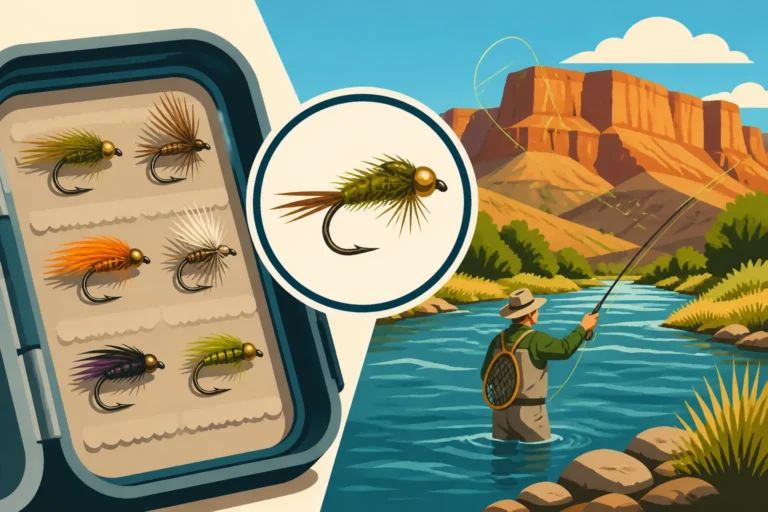
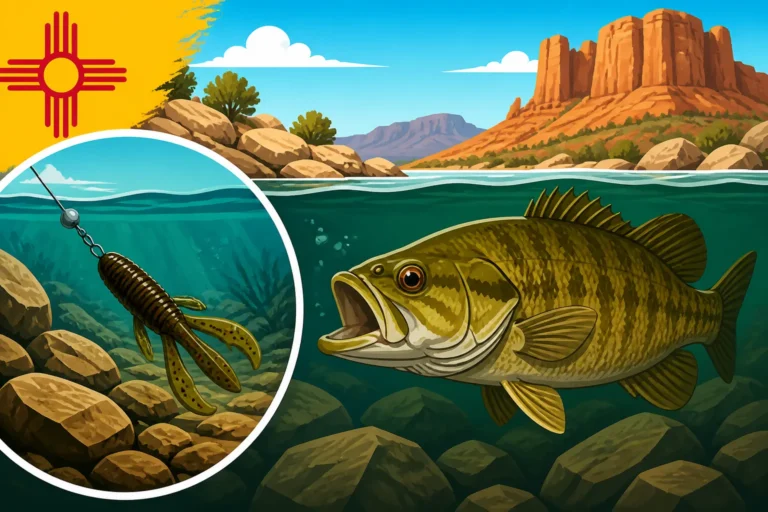
For pond fishing in New Mexico, versatility is key, but so is keeping it light. You don't need a boatload of gear. For trout, think small spinners, spoons, and powerbait. You can find some excellent Best Lures for New Mexico Trout that are perfect for ponds. For bass, soft plastic worms, small crankbaits, and topwater lures (especially for those summer mornings!) are excellent choices. Don't forget live bait like worms or corn for panfish and trout; sometimes a natural offering is irresistible. You can often pick up a diverse selection of these from local tackle shops or browse a wide range on Amazon.
An absolute must for early morning fishing is a reliable headlamp. Fumbling with your gear in the dark is no fun and can waste valuable fishing time. A good headlamp, easily found on Amazon, allows you to tie knots, rig your rod, and navigate the bank safely before the sun is up. Also, pack a small pair of pliers or a hook remover, especially if you're practicing Catch and Release Best Practices in New Mexico. A small, lightweight tackle box or a fishing vest with plenty of pockets will keep your essentials organized and accessible.
Stealth and Presentation: Making the Most of Low Light
In the calm, low-light conditions of early morning, fish are often more aware of their surroundings. This means stealth is paramount. Approach the water quietly, avoid heavy footsteps on the bank, and keep your voice down. Cast gently; a loud splash from a heavy lure can send fish scattering. Focus on making accurate casts to likely holding spots such as weed lines, submerged logs, or rocky outcroppings. The goal is to present your bait or lure as naturally as possible.
When it comes to retrieve, often a slower, more deliberate approach is best in the early morning. Fish aren't always in full chase mode, especially if the water is still quite cool. Let your lure sink a bit, experiment with pauses, and mimic the movements of natural prey. For fly anglers, learning a Beginner's Guide to Fly Casting in New Mexico can open up incredible opportunities on ponds, offering presentations that are often unmatched in subtlety. Remember, the fish have the advantage of low light for ambushing, but they also have the advantage of calm water to detect vibrations, so being subtle in your movements and presentations will significantly improve your chances.
Reading the Water: Where to Cast First
Knowing where to cast can make all the difference, especially when you have a limited window of peak activity. In ponds, fish will often gravitate towards structure, cover, or areas with slight depth changes. As you approach the pond in the dim light, scan for any signs of activity: a ripple, a swirl, or baitfish flicking on the surface. These are tell-tale signs of active fish. Look for obvious features like fallen trees, rock piles, or dense vegetation. These provide both ambush points and shelter for fish.
Start by systematically covering areas that offer cover or a food source. Cast along the edges of weed beds, near any visible timber, or into shaded areas where the water might still be cooler. If there's a small inlet or outlet, fish those areas as well, as they often concentrate baitfish and insects. Don't be afraid to move around the pond. If a spot isn't producing after a few casts, try another. Observing the behavior of the water and identifying potential hot spots, much like you would when trying to How to Spot Trout Holding Water in Clear Streams, is a skill that develops with practice and makes early morning fishing incredibly rewarding.
Disclaimer
This article is for general informational purposes only and does not constitute professional advice. Laws, prices and regulations vary by location and change over time. Consult a qualified professional for guidance on your specific situation.