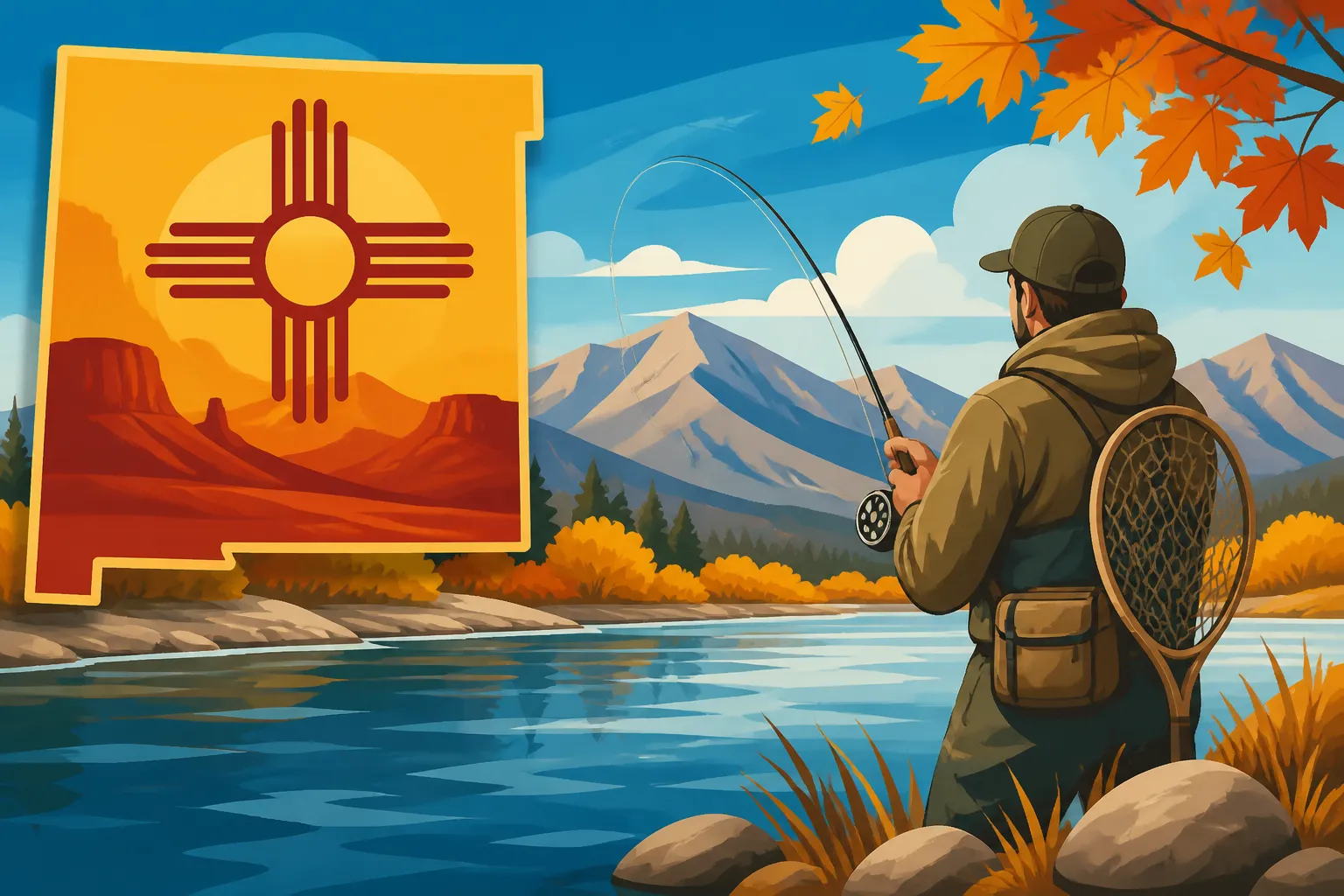
Fishing New Mexico in Late Fall Before Ice-Up
As the crisp autumn air starts to bite a little harder and the leaves lose their vibrant glow, many anglers begin to hang up their rods, thinking fishing season is over. But for those in New Mexico, late fall, right before the ice truly sets in, presents a unique and incredibly rewarding opportunity. This guide is here to help you navigate those transitional weeks, offering strategies and insights to make the most of those last open water days before winter truly takes hold, ensuring you don't miss out on some fantastic cold-weather action.
The Unique Challenge of Late Fall Fishing in New Mexico
Late fall in New Mexico is a fascinating time for anglers. It's that sweet spot, or sometimes, frustrating challenge, when the weather can swing wildly, and the fish are just starting to adapt to colder water temperatures before they settle into their deep winter patterns. Many people assume fishing slows down to a crawl, but with the right approach, you can find some of the best action of the year. The trick is understanding how this transition impacts the fish and their environment.
Understanding the Water Temperature Drop
The gradual, or sometimes sudden, drop in water temperature is the biggest factor influencing fish behavior in late fall. During the summer, the water column often stratifies, meaning there are distinct layers of warm water on top and colder water below. As autumn progresses, the surface water cools, becomes denser, and sinks, leading to what anglers often call "turnover." This process mixes the entire water column, homogenizing the temperature from top to bottom. Once turnover is complete, the water continues to cool, and fish will seek out their preferred thermal zones, often moving deeper but sometimes congregating near warmer springs or structure that retains heat. It's a critical period because fish metabolism slows down, making them less aggressive, but they also know winter is coming and will still feed opportunistically. You might find fish holding in shallower, sun-warmed coves earlier in the day, only for them to retreat to deeper structure as the sun dips below the horizon.
Preparing for Variable Weather
New Mexico's late fall weather can be notoriously unpredictable. One day might bring mild, sunny conditions, perfect for a long day on the water, while the next could usher in a biting cold front, high winds, or even an early snowfall. This variability is a major hurdle for many anglers, but it's also where careful preparation pays off. You absolutely need to check the forecast religiously, not just for air temperature, but for wind speed and direction, and any potential precipitation. Strong winds can make boat control a nightmare and significantly drop the "feels like" temperature, while clear, calm days can make fish more skittish. Don't be fooled by a warm midday sun; those early mornings and late afternoons can be brutally cold. Dressing in layers is non-negotiable, and having waterproof outer layers is always a smart move, even if rain isn't in the forecast. It's also wise to prepare for Winter Fishing in New Mexico conditions, even if you're not quite there yet.
Fish Behavior During the Transition
Fish, like us, are creatures of comfort, and the changing water temperatures force them to adjust their daily routines. As the water cools, their metabolism slows down, meaning they don't need to feed as often or as aggressively as they did in warmer months. They'll often move from widespread summer feeding grounds to more concentrated areas where food is still available, or where they can conserve energy. This can mean moving to deeper points, channel edges, submerged structure, or even shallower flats warmed by the sun. Understanding these shifts is key. They might not chase a fast-moving lure, but a slow, deliberate presentation near a thermal refuge or a food source can be irresistible. This period before true ice can be fantastic for targeting larger, more sedentary fish that are packing on calories for the lean winter ahead.
Prime Species to Target Before the Freeze
Even though the mercury is dropping, there are still plenty of fantastic fish species to target across New Mexico before the lakes and rivers begin to lock up with ice. Each species reacts a bit differently to the colder conditions, so knowing where to find them and what they’re likely to be biting on is half the battle. This isn't the time to cast aimlessly; it's the time for targeted, methodical angling.
Focusing on Trout in Cooling Waters
Trout, especially rainbow and brown trout, become much more active and predictable as water temperatures cool. Unlike warm-water species, trout thrive in colder environments, making late fall a prime time for them. Many of New Mexico's rivers and lakes, particularly the famed San Juan River, continue to offer excellent trout fishing. In lakes and reservoirs, trout often move out of the deep thermoclines they sought in summer and can be found cruising shallower flats, rocky points, and creek mouths where baitfish or insects might still be active. They'll often feed heavily in preparation for winter.
For those hitting rivers, look for deeper pools, eddies behind structure, and slower runs. They'll conserve energy but won't pass up a meal. This is a fantastic time for Trout Fishing Techniques for New Mexico, focusing on slower presentations. Consider waters like the Pecos River or sections of the Rio Grande. Even urban ponds get stocked with trout in the fall, offering great opportunities. Remember to check local regulations for specific trout water rules, as some areas have special provisions.
Pursuing Northern Pike and Walleye
For those looking for a different kind of challenge, northern pike and walleye can offer incredible action in the late fall. These predatory fish are often putting on the feedbag before the deep freeze. In lakes like Navajo Lake or Elephant Butte Lake, pike will often be found holding near weed lines that are still somewhat green, or lurking around submerged timber and rock piles. They become less inclined to chase fast-moving baits, preferring a slower, more deliberate retrieve that allows them to ambush their prey without expending too much energy.
Walleye, notorious for being tricky, can also be quite active. They'll often migrate to deeper main lake points, humps, and submerged channel edges, especially near baitfish congregations. Lakes such as Conchas Lake and Ute Lake are well-known for their walleye populations. Vertical jigging or slow-trolling deep diving crankbaits can be highly effective. The key is to locate their preferred depth and present your lure right in their strike zone. You might not get as many bites as in summer, but the fish you hook can often be larger and more aggressive. Don't forget to check out the Elephant Butte Lake Fishing Guide for striped bass too, as they also can put on a late fall bite.
Late Season Panfish Opportunities
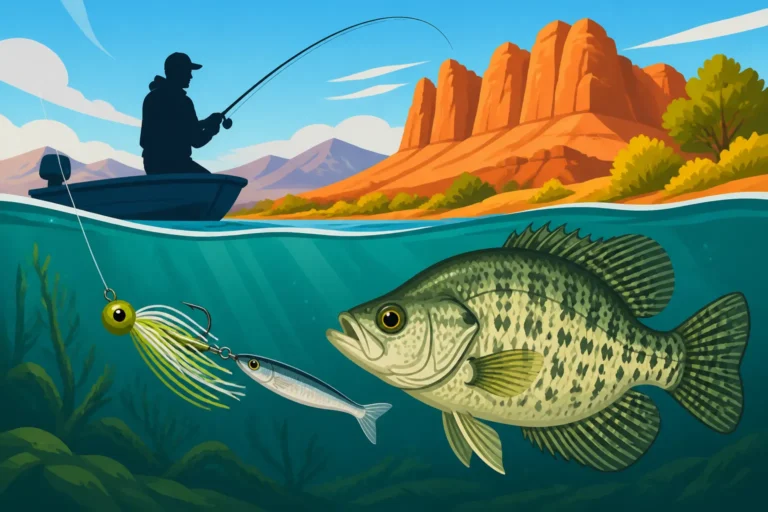
Don't overlook panfish like crappie and bluegill during the late fall. While they may not offer the trophy potential of a pike or walleye, they provide consistent action and are excellent table fare. As water cools, panfish often group up in large schools, making them easier to locate once you find them. Look for them holding tight to brush piles, fallen trees, docks, and other submerged structure in slightly deeper water than where they were in summer.
A small jig tipped with a live minnow or a tiny grub can be incredibly effective. The bites might be subtle, so pay close attention to your line. Kids, in particular, can have a blast targeting panfish, as the action can be steady, even if the fish aren't huge. Finding a school of crappie just before ice-up can provide an exciting day of fishing, and it’s a great way to introduce new anglers to the sport without the pressure of targeting larger, more elusive species. Many smaller lakes and reservoirs will have excellent panfish populations.
Proven Techniques and Lures for Success
Late fall fishing demands a shift in tactics from your warmer weather approaches. Fish are often lethargic, their metabolism slowed by the cooling water. This means your presentations need to be slower, more deliberate, and often right in their face. Aggressive retrieves that worked in July might just spook them now. Precision and patience become your best friends.
Slow and Deep Presentations
This is the golden rule for most late fall fishing. Fish are conserving energy, so they're less likely to chase a fast-moving bait. Think about the warmest parts of the water column, which are often deeper, but don't discount shallower, sun-baked areas early in the day. For trout in lakes, try slow-trolling with a small spoon or needlefish, or casting and retrieving spinners very slowly near drop-offs. When fishing for Rainbow Trout Fishing in New Mexico in rivers, dead-drifting nymphs or egg patterns on light leader can be incredibly effective. For walleye and pike, vertical jigging spoons or soft plastics directly over structure or known holding areas can trigger strikes from otherwise dormant fish. The bites will often be subtle, feeling more like a slight weight on the line than an aggressive tug. It takes patience to feel those faint taps, but it’s often rewarded.
Best Baits and Artificials for Cold Water
When it comes to bait, live bait can be a game-changer in cold water. Minnows for walleye and crappie, or worms and salmon eggs for trout, often outperform artificials because they offer scent and natural movement that even sluggish fish can't resist. For artificials, select lures with a slower action and realistic profiles. Small jigs, grubs, blade baits, and suspending jerkbaits are excellent choices. Darker colors like black, blue, or purple, or natural baitfish patterns, tend to work well in the often clearer water of late fall. For trout, smaller spinners and spoons in silver or gold, fished very slowly, can entice strikes. If you're looking to stock up, sites like Amazon offer a wide selection of these cold-water specific lures.
Here's a quick reference for common late fall lure types:
| Species | Lure/Bait Type | Key Characteristics | Ideal Presentation |
|---|---|---|---|
| Trout | Small Spinners | Silver, gold, or natural baitfish colors, size #0-2 | Slow retrieve, near bottom or structure |
| Egg Patterns | Drifting naturally, often with split shot | Dead-drift in current, under indicator | |
| Nymphs | Realistic insect imitations | Dead-drift, especially in deep pools | |
| PowerBait/Worms | Scented, buoyant | Still fishing, off bottom | |
| Walleye | Vertical Jigs | Soft plastic grubs, spoons, blade baits | Directly over fish, subtle lifts and drops |
| Suspending Jerkbaits | Neutral buoyancy, 3-6 inches long | Twitch-pause-pause retrieve | |
| Live Minnows | Large shiners or fatheads | Jigged or on a slip bobber rig | |
| Northern Pike | Large Spoons | Wobbling action, silver or copper | Slow, steady retrieve, erratic pauses |
| Soft Swimbaits | Realistic baitfish imitation, 4-8 inches long | Slow roll near structure | |
| Jerkbaits | Erratic action, suspending | Hard jerks with long pauses | |
| Panfish | Tiny Jigs | Marabou, plastic grubs, 1/32 to 1/16 oz | Small twitches, suspended under bobber |
| Live Minnows/Worms | Small minnows, wax worms, maggots | Still fishing near brush or docks |
Mastering Bank and Boat Fishing Strategies
Whether you're fishing from the bank or a boat, strategic positioning is crucial. From the bank, focus on areas with quick access to deeper water, like points, drop-offs, or channel swings. Sun-exposed rocky banks can also be productive as rocks absorb and radiate heat, attracting baitfish and predators. Don't be afraid to cast out and let your bait sit for longer than you might in summer. For boat anglers, your fishfinder becomes an invaluable tool. Look for concentrations of baitfish or schools of game fish holding to submerged humps, ledges, or old creek channels. Trolling can be effective for covering water, but once you locate fish, anchor up and work the area thoroughly with vertical presentations. Remember, safety first on cold water! Always wear a life jacket, especially if you're alone. Learning Bank Fishing Techniques for New Mexico Lakes can still be very productive.
Essential Gear for Comfort and Safety
Fishing in late fall before ice-up isn't just about the right lures and techniques; it's equally about having the right gear to stay comfortable and, more importantly, safe. The conditions can turn on a dime, and being unprepared can quickly turn a fun day into a miserable, or even dangerous, situation.
Layering Up for New Mexico's Crisp Air
As we've touched upon, New Mexico weather in late fall is notoriously fickle. One moment it's chilly but tolerable, the next a cold gust of wind comes roaring through, making you shiver to your bones. The key to staying warm is layering. Start with a moisture-wicking base layer (like merino wool or synthetic materials) to draw sweat away from your body, preventing that clammy, cold feeling. Add an insulating mid-layer, such as a fleece or down jacket, to trap warmth. Finally, a waterproof and windproof outer shell is crucial to protect you from the elements. Don't forget your extremities! A warm hat, insulated gloves or mittens (even fingerless gloves with covers), and thick wool socks are vital. Investing in quality cold-weather gear from reputable outdoor brands, many of which are available on Amazon, will make a huge difference in your enjoyment and endurance on the water. This advice goes hand-in-hand with What to Wear Ice Fishing in New Mexico, as conditions can be very similar.
Tackle Box Essentials for Late Fall
Your tackle box might need a bit of a seasonal overhaul for late fall. As discussed, slow-moving, natural-looking baits and lures are often the ticket. Ensure you have a good selection of smaller jigs, soft plastics, suspending jerkbaits, and blade baits in various weights and colors. Live bait options like minnows or worms are always a good idea if allowed and practical. Don't forget to downsize your line if fishing for spooky trout in clear water; a lighter fluorocarbon leader can make all the difference. Carry a variety of sinkers and bobbers for different presentations, especially if you're doing a lot of still fishing. A pair of warm, waterproof gloves that still allow for dexterity in handling tackle is a godsend. Also, consider carrying a small thermos with hot coffee, tea, or soup – it’s amazing how much a warm drink can boost your morale on a cold day! Remember to also have a good set of pliers for hook removal, as cold hands can make tasks difficult.
Boat and Ice Safety Preparations
For those venturing out in a boat, safety is paramount. The biggest danger in cold water is hypothermia. Always wear a life jacket (a PFD, or Personal Flotation Device), as cold water immersion can quickly incapacitate you, making it impossible to put one on if you end up in the water. Ensure your boat's safety equipment is up to date: working navigation lights, a horn or whistle, a first-aid kit, and a functional motor. Check the battery, fuel lines, and prop thoroughly before launching. Tell someone where you're going and when you expect to return. As ice starts to form, avoid venturing onto water with visible ice unless you are specifically prepared for New Mexico Ice Fishing Season and its associated safety protocols. Even thin sheets of ice can be deceptively dangerous for a boat, damaging props and hulls, and even trapping you. Always exercise extreme caution, and if in doubt, stay off the water or switch to bank fishing. The risks associated with New Mexico Fishing Violations and Penalties also apply to safety regulations, so it's always best to be prepared and compliant.
Disclaimer
This article is for general informational purposes only and does not constitute professional advice. Laws, prices and regulations vary by location and change over time. Consult a qualified professional for guidance on your specific situation.