Rio Grande Cutthroat Trout in New Mexico
For many anglers in New Mexico, there's a unique allure to pursuing native fish, a desire to connect with the wild heart of our waters. The Rio Grande Cutthroat Trout stands as a shining emblem of this wildness, but finding these elusive beauties and understanding the specific rules and delicate balance required to fish for them can feel like navigating a maze. This comprehensive guide is here to untangle that complexity, helping you discover the rich history, identify the distinct features, locate the prime habitats, and master the art of responsible angling for this iconic native trout across our beautiful Land of Enchantment.
The Enduring Legacy of the Rio Grande Cutthroat Trout
There’s something truly special about the Rio Grande Cutthroat Trout, more than just a fish; it’s a living piece of New Mexico's natural history. For generations, these trout have graced our high-altitude streams and pristine mountain lakes, adapting to the unique challenges of our arid landscape and holding their own against the relentless march of time and environmental change. Their story is intertwined with the very essence of New Mexico's wild places, a testament to resilience and the importance of preserving what's truly ours.
A Brief History and Conservation Journey
Imagine a time when the crystal-clear waters of the Pecos Wilderness, the high streams feeding the Rio Chama, and countless other hidden gems throughout the mountains were teeming with these vibrant, crimson-throated trout. The Rio Grande Cutthroat, or Oncorhynchus clarkii virginalis, is one of 14 recognized subspecies of cutthroat trout native to western North America. Its historical range stretched far and wide, covering the upper Rio Grande basin in northern New Mexico and southern Colorado. These fish thrived in the pure, cold waters, evolving distinct characteristics that made them perfectly suited to their environment.
However, the arrival of European settlers brought significant challenges. Overfishing, habitat destruction from logging and grazing, and perhaps most detrimentally, the introduction of non-native trout species like rainbow and brown trout, took a severe toll. Non-native species competed for food and habitat, and hybridized with the native cutthroat, diluting their genetic purity. By the mid-20th century, the future of the Rio Grande Cutthroat looked bleak, their populations fragmented and their genetic integrity compromised. This dire situation sparked a robust conservation movement, leading to dedicated efforts by the New Mexico Department of Game and Fish, federal agencies, and numerous conservation groups to protect and restore these precious fish.
Why This Native Trout Matters So Much to New Mexico
Beyond their intrinsic ecological value, Rio Grande Cutthroat Trout hold immense cultural and recreational significance for New Mexico. They are a tangible link to our past, representing a wildness that defines much of our state's appeal. For anglers, catching a pure strain Rio Grande Cutthroat is often considered a pinnacle achievement, offering a unique connection to the land and a rewarding challenge that goes beyond mere sport. It's not just about the fight on the line; it's about the journey to find them, the pristine environments they inhabit, and the deep satisfaction of participating in their conservation.
These trout also play a vital role in the health of our aquatic ecosystems. As a native species, they are perfectly adapted to the natural cycles and conditions of our streams and rivers. Their presence indicates a healthy, functioning ecosystem, with good water quality, stable streambanks, and a balanced food web. They are a "canary in the coal mine," signaling when our high mountain waters are in trouble. Protecting them means protecting the entire web of life that depends on these precious water sources, from the tiniest aquatic insects to the majestic elk and deer that drink from the same streams. Their conservation also provides incredible opportunities for scientific research, helping us understand broader ecological principles and refine our strategies for managing other sensitive species.
Understanding Their Unique Habitat
The Rio Grande Cutthroat Trout are true high-country specialists. Their preferred habitat is typically found in small to medium-sized mountain streams and alpine lakes, usually at elevations above 7,000 feet. These waters are characterized by their cold temperatures, often fed by snowmelt, and are typically very clean and well-oxygenated. Look for streams with a good mix of riffles, runs, and deep pools, often with plenty of instream cover like boulders, fallen logs, and undercut banks where they can hide from predators and ambush prey. The surrounding riparian vegetation, consisting of willows, alders, and conifers, is crucial for providing shade, stabilizing banks, and contributing organic matter to the stream.
These trout are also highly dependent on uninterrupted stream flows and access to spawning grounds. They need gravelly bottoms in shallow, oxygenated areas for successful reproduction, typically in the spring or early summer as the snowmelt subsides. Historically, their populations were connected, allowing for genetic exchange and resilience. However, human development, including road building and diversions, has fragmented many of these habitats, isolating populations and making them more vulnerable. Understanding these specific habitat needs is key to both finding them and appreciating the delicate balance required for their survival. You might notice these habitats differ significantly from those where you'd find other species, as highlighted in a guide like Trout Species in New Mexico.
Identifying and Distinguishing Rio Grande Cutthroats
When you're out on the water, especially in New Mexico where several trout species coexist, being able to accurately identify your catch is essential. Not only is it part of the angler's craft, but it's also crucial for adhering to specific regulations, as some native trout have stricter limits or require special handling. The Rio Grande Cutthroat Trout has several distinguishing features that, once you know them, make identification a rewarding part of the fishing experience.
Key Physical Characteristics
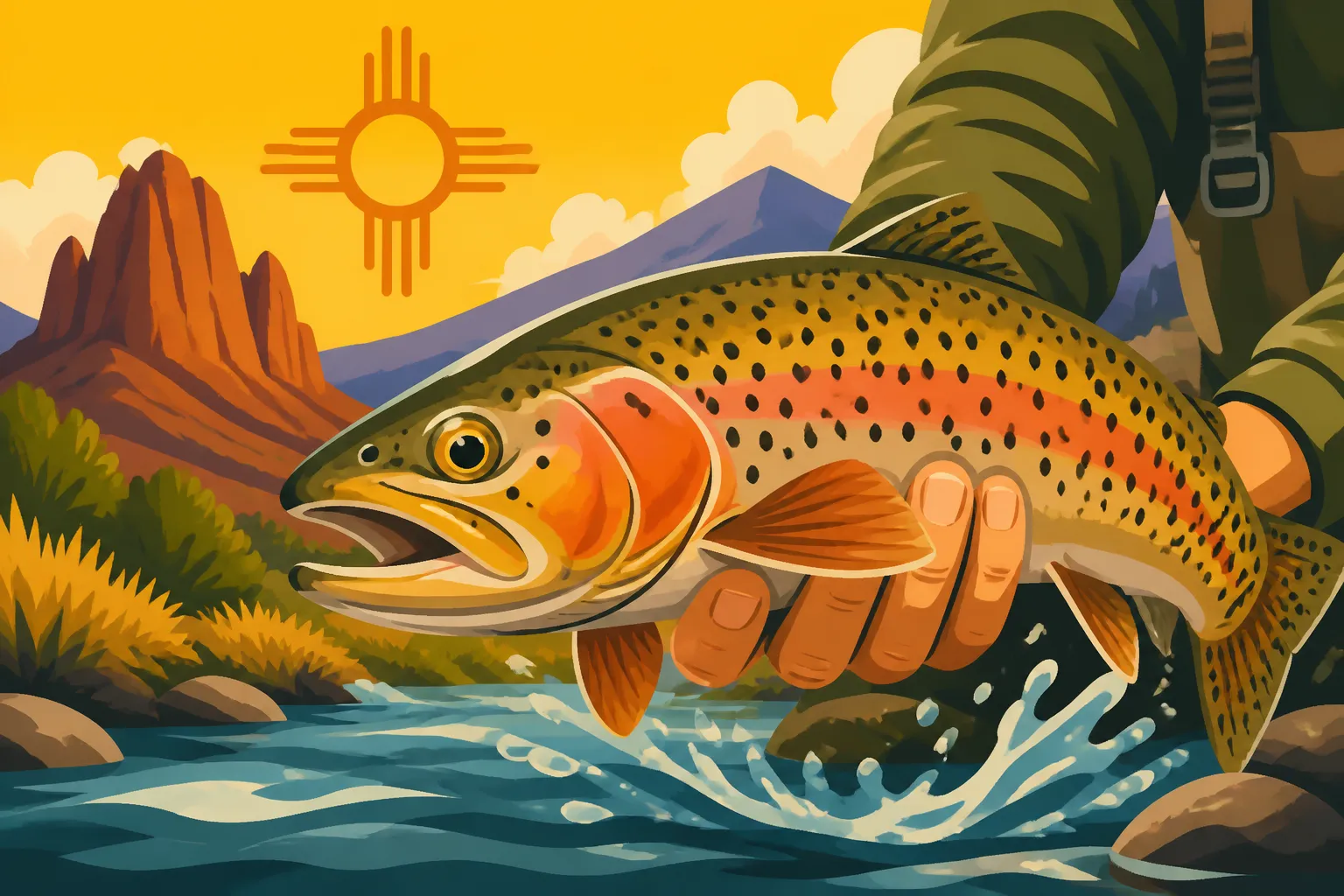
The most iconic feature of any cutthroat trout, including the Rio Grande subspecies, is the distinct red or orange "cutthroat" markings on the underside of their lower jaw, which can range from a faint blush to a vibrant crimson, hence their name. This marking is usually quite prominent and is the easiest way to initially identify them. Beyond this, their body color can vary widely depending on their specific habitat, diet, and age, but generally, they exhibit an olive-green to yellowish-brown hue on their backs, fading to lighter sides and a white or cream belly. Their sides are often adorned with sparse to moderate black spots, which are typically concentrated towards the tail end of the fish and less uniformly distributed over the entire body compared to, say, a rainbow trout.
Their overall body shape is somewhat elongated and streamlined, indicative of their life in flowing water. They typically have relatively small scales. The fins might have a faint yellowish tint, and during spawning season, males, in particular, can display more intense coloration, with deeper reds and oranges along their sides and ventral regions, making those cutthroat slashes even more pronounced. Being able to spot these key features is a big step in proper identification, as discussed in How to Identify a Rio Grande Cutthroat Trout.
Differentiating from Other New Mexico Trout Species
Distinguishing Rio Grande Cutthroats from other trout, especially the highly invasive and common rainbow trout (Oncorhynchus mykiss) and brown trout (Salmo trutta), is a critical skill for responsible angling. Rainbow trout are often confused with cutthroats because they can sometimes display a reddish gill plate or faint cheek markings, but they lack the definitive red slash under the jaw. Rainbows typically have a prominent, iridescent pink or red lateral stripe running down their sides and a much heavier, more uniform pattern of black spots that extend onto their dorsal, caudal (tail), and adipose fins. Their tail fin is often more squared off compared to the subtly forked tail of a cutthroat.
Brown trout are another common non-native species. They are generally identifiable by their larger, often more pronounced dark spots, many of which are encircled by a lighter halo, and some red or orange spots that are also often haloed. They tend to have a stockier build, and their tail fin is typically square or slightly emarginate, and crucially, they do not have the red cutthroat slash. Lake trout (Salvelinus namaycush) are another species, but their overall coloration (darker, marbled patterns), white leading edges on their fins, and deeply forked tail make them relatively easy to distinguish from cutthroats. Familiarity with all of Fish Species Found in New Mexico is truly helpful here.
Here's a quick comparison table:
| Feature | Rio Grande Cutthroat Trout | Rainbow Trout | Brown Trout |
|---|---|---|---|
| Throat Markings | Distinct red/orange slash | Absent | Absent |
| Body Color | Olive-green to yellowish-brown, lighter belly | Silvery to olive-green, pink stripe (adults) | Golden brown to olive, lighter belly |
| Spotting Pattern | Sparse to moderate black spots, mostly tail | Numerous small black spots, widespread, on tail | Large dark spots (some haloed), red/orange spots |
| Lateral Stripe | Absent (or very faint, non-pink) | Prominent pink/red stripe (adults) | Absent |
| Tail Fin | Slightly forked | Square or slightly emarginate, heavily spotted | Square or slightly emarginate |
| Habitat Preference | Cold, clear mountain streams/lakes | Wide range of cold & cool waters | Tolerant of warmer water, streams/lakes |
Genetic Purity and Hybridization Concerns
The challenge of identification is often complicated by hybridization, particularly with rainbow trout. In many streams, pure strains of Rio Grande Cutthroat Trout have interbred with rainbows, creating hybrid fish that exhibit a mix of characteristics. These fish might have a faint cutthroat slash but also a pinkish stripe or more widespread spotting, making precise visual identification difficult for the untrained eye. This genetic mixing is a major threat to the conservation of pure native cutthroat populations.
Conservation efforts often focus on identifying and protecting genetically pure populations, sometimes through electrofishing surveys and genetic testing. Anglers play a vital role in this by understanding the importance of catch and release, especially when uncertain of a fish's exact genetic lineage, and minimizing stress on any suspected cutthroat. The goal is to prevent further hybridization and allow pure strains to thrive in designated recovery waters. Understanding these nuances helps ensure that your angling contributes positively to the species' survival, rather than inadvertently harming it.
Where to Find Rio Grande Cutthroat Trout in New Mexico
Finding Rio Grande Cutthroat Trout is often less about casting into the first piece of water you see and more about research, patience, and a willingness to explore. These are not typically the fish you'll find in heavily stocked, easily accessible ponds (unless they are specific restoration areas). Instead, you'll need to seek out the quieter, higher-elevation waters that are their traditional strongholds.
Prime Habitats and Geographic Distribution
The heart of Rio Grande Cutthroat Trout country lies primarily in the northern mountains of New Mexico. Think of the headwaters and high-elevation tributaries of the Rio Grande basin. Specific mountain ranges and wilderness areas such as the Pecos Wilderness, the Latir Wilderness, and sections of the Carson and Santa Fe National Forests are key areas. Within these regions, you'll find them in streams like those feeding into the Rio Chama, the Pecos River, and other high mountain drainages. These are often small, cold, high-gradient streams that maintain stable temperatures even during summer, perfect for cutthroats.
Alpine lakes, especially those nestled in cirques formed by glaciers, also hold populations of Rio Grande Cutthroats. These lakes are typically found above the tree line or just below it, characterized by their pristine, clear waters and often requiring a significant hike to reach. While the fish in these lakes might not grow to massive sizes due to limited food sources and harsh winters, they offer an unparalleled angling experience in breathtaking settings. Always consult local regulations and maps provided by the New Mexico Department of Game and Fish to identify specific waters where cutthroats are known to exist and are managed for their conservation.
Accessible Waters vs. Remote Backcountry Streams
For many anglers, the thought of hiking miles into the wilderness can be daunting, but it's often in these remote, untouched areas that you'll find the most robust populations of pure Rio Grande Cutthroat Trout. Streams within the Pecos Wilderness, for instance, offer incredible opportunities, but they demand physical fitness and preparedness for backcountry conditions. These are truly wild fish, often wary and requiring a stealthy approach. The reward, however, is an unforgettable experience in some of New Mexico's most stunning natural landscapes.
However, not all cutthroat fishing requires an epic trek. Over the years, significant restoration efforts have led to the reintroduction of Rio Grande Cutthroat into more accessible waters, often within designated Special Trout Water sections or specific management areas. These areas are carefully managed to protect the native fish and may have specific gear or harvest restrictions. It's crucial to check the current New Mexico Fishing Regulations Overview or specific park/forest service guidelines before heading out. Some of these more accessible spots might include certain stretches of rivers in the Carson National Forest or specific high-mountain lakes that have been recently stocked with genetically pure cutthroats as part of a restoration program. A resource like Best Places to Fish in New Mexico can offer general guidance, but always double-check for specific cutthroat information.
Conservation Efforts and Restoration Waters
The story of the Rio Grande Cutthroat Trout in New Mexico is largely one of ongoing conservation and restoration. State and federal agencies, alongside conservation organizations, are actively working to expand the range and numbers of these native fish. This involves several key strategies:
- Non-native fish removal: In many streams, non-native trout (especially brook trout and rainbow trout) are removed through electrofishing or other methods to reduce competition and hybridization pressure on cutthroats.
- Barrier construction: Natural or man-made barriers (like waterfalls or small dams) are often used to prevent non-native trout from moving upstream into cutthroat strongholds, creating "safe havens" for pure populations.
- Stocking pure strains: Genetically pure Rio Grande Cutthroats, often reared in hatcheries from wild broodstock, are stocked into suitable, restored habitats to bolster existing populations or establish new ones.
- Habitat restoration: Projects focus on improving stream health through riparian planting, bank stabilization, and instream structure enhancement, creating better living and spawning conditions.
These "restoration waters" are often identified in the state's fishing proclamations or through New Mexico Department of Game and Fish publications. When you fish these waters, you are directly participating in the conservation effort. It's a chance to witness firsthand the success of these programs and to practice the utmost care in handling these precious fish. Always be aware of any signage or special rules regarding these areas, as they often have very strict catch-and-release, barbless hook, or artificial lure only requirements to protect the sensitive native populations. For instance, New Mexico Special Trout Water Rules often apply in these areas.
Responsible Angling for Rio Grande Cutthroat Trout
Catching a Rio Grande Cutthroat Trout is more than just reeling in a fish; it's an opportunity to engage in a conservation-minded pursuit that respects the fragility of this native species. Responsible angling isn't just about following the rules; it's about understanding the unique needs of these fish and minimizing your impact on their delicate environment.
Specialized Gear and Techniques for Native Trout
When targeting Rio Grande Cutthroat Trout, a subtle and refined approach is often more successful. These fish are typically found in smaller streams and are often spooked easily by heavy footsteps or clumsy casts. For fly anglers, a lightweight fly rod (2-4 weight, 7-8 feet long) is ideal, allowing for delicate presentations. Your leader and tippet should also be light, in the 4x-6x range, to ensure natural drift and minimize visibility. Standard dry flies like Parachute Adams, Royal Wulffs, or small caddis patterns, especially those that mimic local insect hatches, can be highly effective. Nymphs such as Copper Johns, Pheasant Tails, and Prince Nymphs are also excellent choices, especially when drifted naturally through deeper pools and runs. Terrestrial patterns like ants, beetles, and grasshoppers can be deadly during warmer months when these insects are abundant.
Spin anglers can also find success with ultra-light tackle. Small inline spinners (size 00 or 0) in natural colors like silver, gold, or black, or tiny spoons, can entice a bite. It's often best to remove the treble hook and replace it with a single, barbless hook to reduce harm to the fish. Focus on making accurate casts to prime holding lies, and always retrieve with a light touch. Remember, many cutthroat waters, particularly restoration or special management areas, are artificial lure or fly only and barbless hook only. Always check the current New Mexico Trout Fishing Rules before you go.
Catch and Release Best Practices
The vast majority of Rio Grande Cutthroat Trout fishing is, and should be, strictly catch and release. These fish are a precious resource, and minimizing stress and mortality is paramount to their survival. Here are some essential best practices:
- Use barbless hooks: This is often a regulation in cutthroat waters, but even when not mandated, it's a best practice. Barbless hooks are easier to remove, causing less trauma to the fish. You can easily crimp down the barb on any standard hook with a pair of pliers.
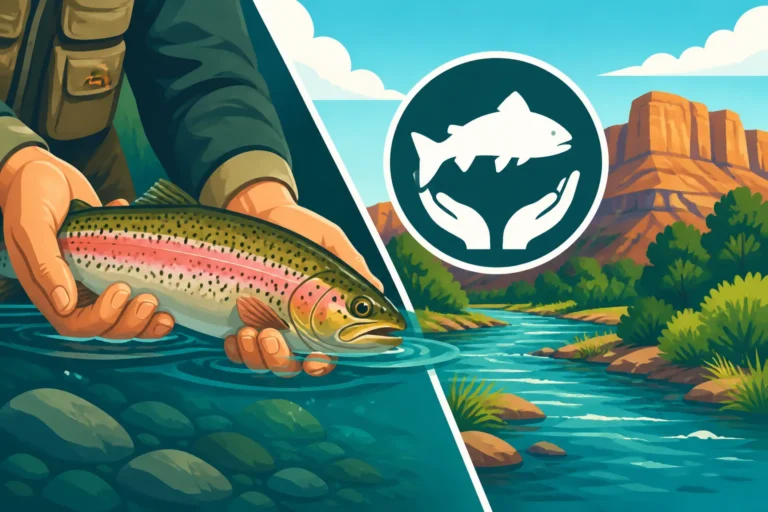
- Minimize handling: Try to keep the fish in the water as much as possible. If you must lift it for a quick photo, do so gently, supporting its entire body, and keep it out of the water for only a few seconds. Wet your hands before touching the fish to protect its delicate slime coat.
- Use a rubberized net: A knotless, rubberized landing net is much gentler on a fish's fins and slime coat than traditional nylon nets, further reducing injury.
- De-hook quickly and carefully: Use forceps or pliers to quickly remove the hook. If the fish is deeply hooked and removal would cause excessive damage, it's sometimes better to cut the line as close to the hook as possible.
- Revive gently: If the fish seems sluggish, hold it gently in the current, facing upstream, allowing water to flow over its gills until it regains its strength and can swim away on its own. Avoid squeezing or forcing it.
Practicing these methods ensures that the fish you catch today can survive to spawn and be caught another day, contributing to the health and future of the population. More in-depth tips can be found in Catch and Release Best Practices in New Mexico.
Specific Regulations and Permits to Know
Fishing for Rio Grande Cutthroat Trout often comes with a more stringent set of rules than fishing for other, more common species. This is for their protection and is critical for conservation success. Beyond your standard New Mexico fishing license, you need to be acutely aware of several things:
- Habitat Management and Access Validation (HMAV) or Habitat Stamp: This is often required for fishing on federal lands (Forest Service, BLM) which is where many cutthroat populations reside. Make sure you have the proper New Mexico Habitat Stamp and Validation Requirements if you plan to fish these areas.
- Special Trout Water Rules: Many streams managed for native cutthroat trout are designated as "Special Trout Waters" or "Quality Waters." These areas typically have strict regulations, such as artificial lures and flies only, barbless hooks only, and often a zero-bag limit (catch and release only). These rules are enforced to protect the fish and should be followed diligently.
- Bag and Possession Limits: While many cutthroat waters are catch and release, some may allow for a very limited harvest, usually just one or two fish, and often only for specific size ranges. Always verify the current bag and possession limits for the specific water you are fishing, as these can change year to year and vary dramatically by location.
- Tribal Land Permits: Some excellent cutthroat fisheries are located on tribal lands, such as those within the Jicarilla Apache Nation or other sovereign tribal areas. In these cases, a separate tribal fishing permit is required in addition to your state license. You cannot fish on tribal lands with only a state license. Information on New Mexico Tribal Land Fishing Permits is vital for those areas.
It cannot be stressed enough: always consult the latest New Mexico Fishing Regulations guide before you head out. These regulations are updated annually and are your primary source of information for legal and responsible angling. Ignoring them can lead to hefty fines and jeopardize the very populations you aim to enjoy.
Challenges and Future Outlook for the Rio Grande Cutthroat
Despite dedicated conservation efforts, the Rio Grande Cutthroat Trout still faces an uphill battle for long-term survival. Understanding these challenges is key to appreciating the ongoing work and recognizing how anglers can continue to play a part in their preservation. It’s a species that demands our vigilance and continued support.
Threats to Their Survival
The primary threats to the Rio Grande Cutthroat Trout are multifaceted, complex, and often interconnected:
- Habitat Loss and Degradation: This is perhaps the most significant threat. Activities such as historic logging, overgrazing, road construction, and poorly managed water diversions have led to sedimentation of spawning beds, increased water temperatures, reduced stream flows, and loss of essential riparian vegetation. Climate change is exacerbating this, leading to prolonged droughts, increased frequency of severe wildfires (which devastate riparian areas), and earlier snowmelt, all of which stress these cold-water fish.
- Non-Native Species: As mentioned, the introduction of non-native trout (especially rainbow trout, brown trout, and brook trout) has been devastating. Rainbow trout readily hybridize with cutthroats, diluting their genetic purity. Brown and brook trout compete aggressively for food and habitat, and in many cases, brook trout are known to outcompete cutthroats in small headwater streams. Invasive fish also introduce new diseases and parasites that native fish have no natural immunity to.
- Genetic Dilution (Hybridization): This is a specific and insidious threat. When cutthroat trout breed with rainbow trout, their offspring are hybrids, diluting the unique genetic makeup of the pure Rio Grande Cutthroat. Over time, this can lead to the complete loss of the distinct subspecies. Conservation efforts are focused on identifying and protecting genetically pure populations, often using natural or man-made barriers to prevent contact with non-native species.
- Water Quality and Quantity: New Mexico is an arid state, and water is a precious resource. Diversions for agriculture and municipal use, combined with fluctuating snowpack and increasing drought conditions, mean less water in streams, especially during critical summer months. Poor land management practices can also lead to pollution and increased water temperatures, making streams unsuitable for cutthroats.
Ongoing Conservation Success Stories
Despite these challenges, there are genuine success stories that offer hope for the future of the Rio Grande Cutthroat. Through intensive, long-term programs, the New Mexico Department of Game and Fish, in collaboration with federal agencies like the US Forest Service and various angling and conservation groups, has made significant strides. For instance, in areas like the Pecos Wilderness and other high mountain drainages, non-native trout have been successfully removed from entire stream systems, and genetically pure Rio Grande Cutthroats have been reintroduced. These efforts have allowed populations to rebound, creating more opportunities for anglers to encounter these native fish.
New scientific techniques, including advanced genetic analysis, allow biologists to identify pure strains more accurately and target conservation efforts where they will be most effective. Public outreach and education have also played a crucial role, raising awareness among anglers and the general public about the importance of native fish conservation. These successes prove that with continued dedication and scientific management, the Rio Grande Cutthroat Trout can not only survive but thrive once again in its native waters. The recovery of species like the Gila Trout in New Mexico also provides a hopeful precedent.
How Anglers Can Contribute to Their Preservation
Anglers are not just observers in this conservation story; we are active participants. Our actions on and off the water have a direct impact on the future of the Rio Grande Cutthroat Trout. Here’s how you can make a difference:
- Follow Regulations Religiously: This is the most fundamental contribution. Adhere to all length limits, bag limits (if any), gear restrictions (artificial flies/lures, barbless hooks), and special closures. These rules are put in place for a reason – to protect vulnerable fish.
- Practice Impeccable Catch and Release: As discussed, minimizing stress on caught fish is critical. Handle fish gently, keep them wet, and ensure they are fully revived before release.
- Prevent the Spread of Invasive Species: Never move fish or aquatic vegetation between waters. Clean, drain, and dry your waders, boots, and gear thoroughly between fishing trips to different drainages to prevent the spread of aquatic invasive species and disease. This includes checking your float tubes and kayaks too.
- Report Violations and Unusual Observations: If you witness someone violating fishing regulations or notice an unusual fish kill or pollution, report it to the New Mexico Department of Game and Fish. Your eyes and ears on the water are invaluable.
- Support Conservation Efforts: Consider purchasing a New Mexico Combination Hunting and Fishing Licenses, as a portion of the fees directly supports wildlife and fisheries management. Donate to or volunteer with organizations dedicated to native fish conservation and habitat restoration in New Mexico. Many groups are doing vital work, and they rely on public support.
- Educate Others: Share your knowledge about the Rio Grande Cutthroat Trout and the importance of conservation with fellow anglers, friends, and family. The more people who understand and care about these fish, the brighter their future will be.
By embracing these practices, anglers become true stewards of New Mexico's wild waters and champions for the enduring legacy of the Rio Grande Cutthroat Trout.
Disclaimer
This article is for general informational purposes only and does not constitute professional advice. Laws, prices and regulations vary by location and change over time. Consult a qualified professional for guidance on your specific situation.