Kokanee at Heron Lake
Many anglers dream of targeting specific, beautiful fish, but finding reliable information on where and how to catch them can be a real challenge. If you've been looking to experience the thrill of catching Kokanee salmon in New Mexico, especially at a prime spot like Heron Lake, then you've come to the right place. This comprehensive guide will equip you with the knowledge, strategies, and tips you need to successfully pursue these feisty silver beauties.
Understanding Kokanee Salmon in New Mexico
Kokanee salmon are a truly unique and prized game fish in New Mexico, offering a distinct fishing experience compared to trout or bass. They are landlocked sockeye salmon, meaning they complete their entire life cycle in freshwater, never migrating to the ocean. For anglers, this means a chance to target a vibrant, hard-fighting fish that often schools, leading to exciting action once you find them.
Kokanee Characteristics and Life Cycle
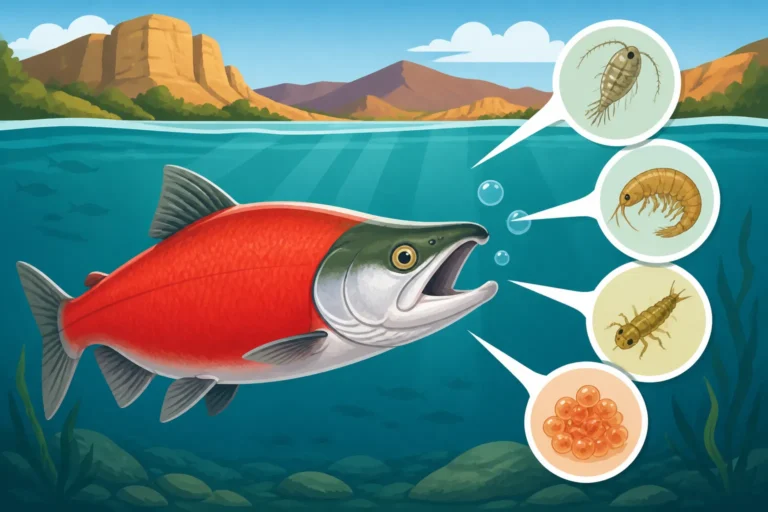
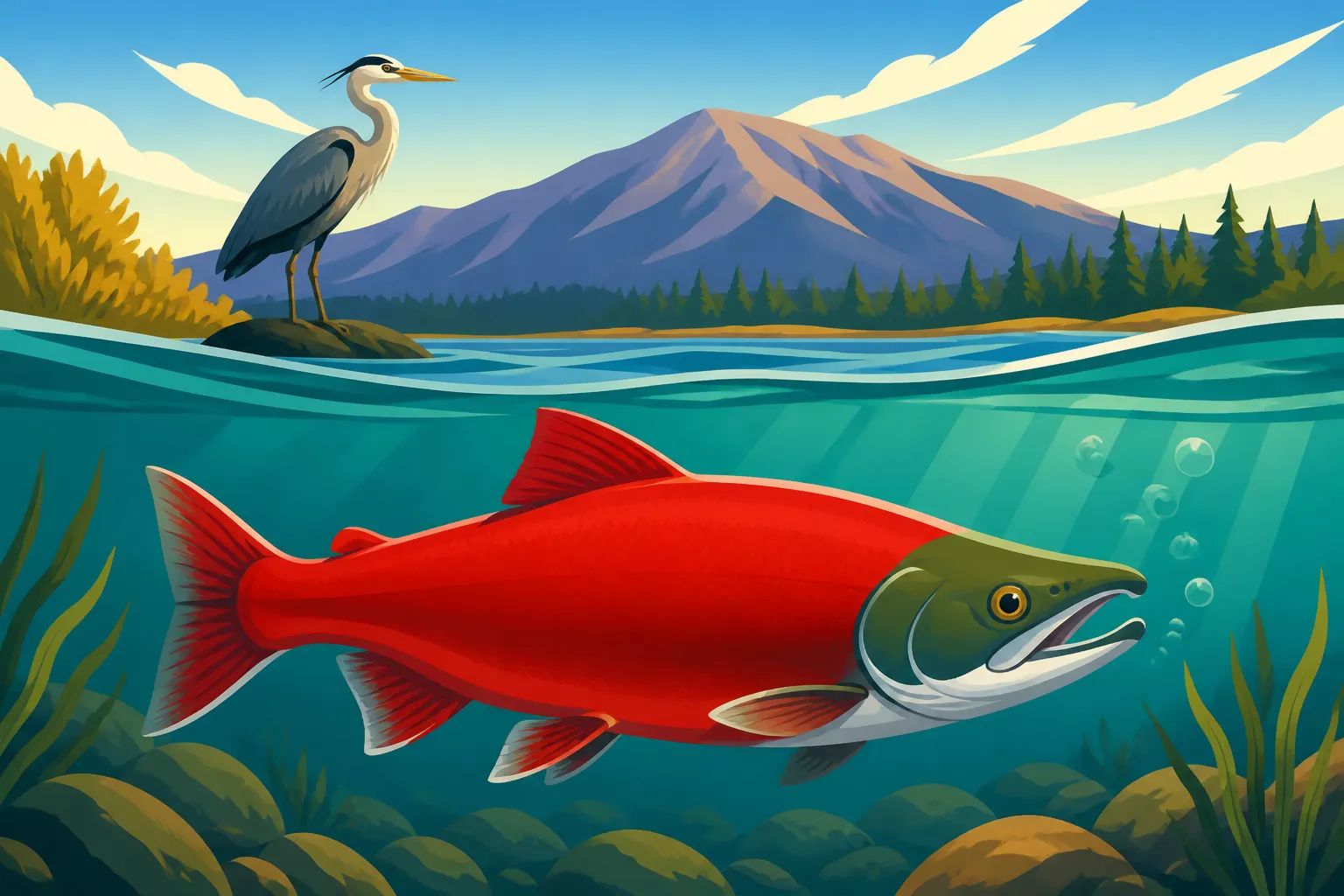
Kokanee salmon have a fascinating life cycle. They typically spend 3-4 years growing in the cold, deep waters of lakes like Heron. When they are younger, they are bright silver, resembling small trout or whitefish, often with a few small black spots on their backs. As they approach spawning age, usually in their third or fourth year, their appearance dramatically transforms. Males develop a pronounced humped back (kype) and a hooked jaw, while both sexes turn a brilliant crimson red, often with olive-green heads. This striking change is a clear sign that the fall spawning run is approaching.
During their non-spawning years, Kokanee are primarily plankton feeders, filtering microscopic organisms from the water column. This diet influences their behavior, often keeping them suspended in open water rather than close to the bottom or shore like many trout. Their preference for cold, oxygen-rich water means they are usually found at specific depths, which can change with the seasons and even throughout the day. Understanding this vertical migration is key to successful fishing.
Their Place in New Mexico's Ecosystem
Kokanee salmon play a vital role in the ecosystems of the lakes they inhabit, especially in New Mexico, where they are primarily stocked to provide a unique sport fishery. Lakes like Heron are carefully managed by wildlife agencies to support healthy Kokanee populations. These fish contribute to the food chain, serving as a food source for larger predators like lake trout and even some birds of prey. However, their specific dietary needs and preference for pristine, cold water make them sensitive indicators of water quality and habitat health.
New Mexico's wildlife departments invest significantly in stocking programs to maintain these fisheries, bringing in Kokanee fingerlings (juvenile fish) to grow to catchable size. These programs ensure that anglers have a consistent opportunity to pursue Kokanee, year after year. The presence of Kokanee also adds diversity to the fishing opportunities, drawing anglers who might typically target trout or bass, and offering a different kind of challenge. You can learn more about general fish species in the state by checking out Fish Species Found in New Mexico.
Why Heron Lake is a Premier Kokanee Fishery
When it comes to Kokanee salmon fishing in New Mexico, Heron Lake often stands out as a top-tier destination. It offers a unique combination of habitat, management, and angling conditions that make it incredibly attractive to those seeking these landlocked salmon.
Heron Lake's Unique Habitat for Kokanee
Heron Lake, nestled in the mountains of northern New Mexico, provides an almost ideal environment for Kokanee salmon. It's a deep, cold-water reservoir with a significant volume of excellent quality water, which is precisely what Kokanee thrive in. The lake's depths offer the consistent cool temperatures and ample oxygen levels that these fish require, especially during the warmer summer months when many other species are pushed to shallower, warmer waters.
The abundance of zooplankton in Heron Lake's water column provides a rich food source, allowing the stocked Kokanee to grow quickly and reach impressive sizes. The structure of the lake, with its deep channels, submerged points, and vast open water expanses, gives the Kokanee plenty of room to roam and forage, contributing to their health and vitality. This natural suitability, coupled with careful management, is why Heron Lake holds such a reputation among Kokanee enthusiasts.
Stocking Programs and Fish Health
The success of Heron Lake as a Kokanee fishery is not accidental; it's a testament to dedicated stocking programs. New Mexico's wildlife agencies regularly stock Heron Lake with Kokanee salmon fingerlings, carefully timed to replenish and enhance the population. These fingerlings are raised in hatcheries under controlled conditions to ensure they are healthy and robust before being introduced into the lake.
These continuous stocking efforts ensure a sustained population for anglers, even though Kokanee die after spawning. The health of these stocked fish is paramount, and biologists monitor the lake's conditions, water quality, and the growth rates of the Kokanee to ensure the program's effectiveness. Healthy fish mean stronger fights and more rewarding catches for anglers. For a deeper dive into the seasonal stocking schedule, you might find Seasonal Stocking Schedule in New Mexico helpful.
No-Wake Zone Benefits for Anglers
One of Heron Lake's most distinguishing features, and a significant benefit for Kokanee anglers, is its strict no-wake policy. The entire lake is designated as a no-wake zone, meaning motorized boats must operate at slow speeds, producing minimal wake. This rule creates a peaceful, calm environment that is highly conducive to certain types of fishing, particularly the precise trolling often required for Kokanee.
The absence of large wakes and choppy water means your boat can maintain a more consistent speed and trajectory, which is critical when trying to present lures at specific depths and speeds to finicky Kokanee. It also makes for a much more pleasant experience overall, reducing noise pollution and allowing anglers to focus entirely on their lines and fish finders. The tranquil conditions are also a huge plus for kayak and float tube anglers, making it safer and more enjoyable to explore the lake. You can explore this further by reading Heron Lake No-Wake Zone Fishing.
Seasonal Strategies for Catching Kokanee at Heron Lake
Kokanee fishing at Heron Lake is a year-round affair, but your tactics will need to adapt to the changing seasons, as these fish move and feed differently depending on water temperature, light penetration, and their own biological clock.
Spring and Early Summer Tactics
As the ice thaws and spring arrives, Kokanee at Heron Lake begin to become more active. In early spring, they might still be found deeper, but as surface temperatures gradually warm, they'll start moving up the water column, often congregating in areas where runoff brings in fresh nutrients. This can be an excellent time for trolling, as the fish are hungry and less wary after the winter. Focus on depths between 20-40 feet, using smaller lures and dodgers.
By early summer, the lake is fully awake, and Kokanee are actively feeding. This is often when you'll find them scattered throughout the water column, sometimes deeper during the midday sun, but moving shallower during dawn and dusk. Trolling remains the most effective method. Experiment with different depths, often targeting the thermocline if you can locate it with your fish finder. Speed is crucial – a slow, consistent troll around 1.0 to 1.5 mph is typically ideal. Look for fish suspended in open water, particularly near points, submerged humps, or the main channel.
Mid-Summer to Early Fall Success
Mid-summer at Heron Lake can be challenging as surface waters warm, pushing Kokanee deeper into the cooler, oxygenated zones. This often means targeting depths of 40-70 feet, sometimes even deeper. Downriggers become invaluable during this period, allowing you to precisely present your lures at the exact depth where the fish are holding. Using a good fish finder to locate schools of baitfish and the Kokanee themselves is absolutely critical. Choosing a Fish Finder for Deep Reservoirs provides excellent tips for this.
As early fall approaches, and water temperatures begin to cool, Kokanee will start to become more aggressive, preparing for their spawning run. You might find them moving slightly shallower again, though still often suspended. This period can offer some of the most exciting action, as the fish are actively feeding to build up energy. Their colors might also start to subtly shift, a harbinger of the dramatic transformation to come. Continue with trolling, experimenting with both dodgers and larger, more aggressive lures as they get closer to their spawning phase.
The Fall Spawning Run: A Different Game
Late fall brings the highly anticipated, but also controversial, Kokanee spawning run. As the Kokanee reach maturity, they undergo their spectacular color change, turning vibrant red and green, and begin their journey towards shallower water or tributary streams to spawn. At this point, they stop feeding and their focus shifts entirely to reproduction. This is the time when "snagging" is often permitted in designated areas for a limited season. New Mexico Salmon Snagging Season will have the most current information.
During the spawning run, traditional lure and bait fishing becomes much less effective as the fish are no longer feeding. Instead, anglers target them by snagging, which involves using large, weighted treble hooks to catch the fish by their body. It's a highly regulated activity, and it's essential to understand and abide by all specific rules, including season dates, bag limits, and permitted equipment. While snagging can yield a large number of fish, many anglers prefer to catch Kokanee through traditional methods earlier in the year when the fish are actively biting and fighting.
Essential Gear and Techniques for Heron Lake Kokanee
Successfully targeting Kokanee at Heron Lake requires specialized gear and techniques tailored to their unique behavior and feeding habits. It’s not just about tossing a line in the water; it’s about precision and presentation.
Rods, Reels, and Line for Kokanee
For Kokanee, you'll want a rod and reel setup that offers sensitivity, flexibility, and the ability to handle the fight of these strong, albeit not massive, fish.
- Rods: A light to medium-light action spinning or casting rod, typically 6 to 7.5 feet long, is ideal. Look for a rod with a soft tip that can detect subtle bites and absorb the headshakes of a Kokanee, but with enough backbone to handle a fish on the run. Many anglers prefer fiberglass or composite rods for their parabolic bend.
- Reels: A smooth-operating spinning reel in a 1000 to 2500 size, or a baitcasting reel with a reliable drag system, will serve you well. Smooth drag is absolutely critical to prevent breaking off when a Kokanee makes a sudden dash.
- Line: A good quality monofilament line in the 6-8 pound test range is often preferred for its stretch, which helps absorb shock and prevent hooks from pulling out. Some anglers opt for braided line with a fluorocarbon leader for increased sensitivity and strength, but the lack of stretch in braid can lead to more pulled hooks if your drag isn't perfectly set. Fluorocarbon leaders, typically 4-6 pound test, are essential for their invisibility in clear water. When purchasing line or leaders, brands like Amazon Basics can offer good value, or you can find higher-end options from reputable fishing tackle brands directly on Amazon.
Lures, Baits, and Scent: The Kokanee Kitchen
Kokanee are incredibly finicky and respond best to specific presentations. Their diet of plankton means they are attracted to small, flashy, and often scented offerings.
- Lures: Small spoons, hoochies (squid skirts), and mini-bugs (small, colorful flies) are the go-to choices. Colors can vary by day, but pink, orange, green, and chartreuse are perennial favorites. Experiment with different colors and patterns until you find what they're hitting. Popular brands offer a wide array of Kokanee-specific lures.
- Dodgers/Flashers: These are crucial for Kokanee fishing. They are designed to attract fish by creating flash and vibration in the water, mimicking a school of baitfish. Positioned a foot or two in front of your lure, they add a tantalizing action. Again, small dodgers in silver, chrome, pink, or orange finishes are usually most effective.
- Bait: A tiny piece of corn, usually dyed and scented, is almost universally used on the hook point of your lure. The corn adds scent, a little visual appeal, and helps the fish commit to the bite.
- Scent: This is perhaps the most critical element. Kokanee have an excellent sense of smell. Using a strong attractant scent like garlic, shrimp, or anise on your corn and lure is often the difference between a slow day and a hot bite. Apply it frequently! You can find a vast selection of these items on Amazon, often packaged specifically for Kokanee fishing.
Trolling Setups and Electronics
Trolling is the most effective method for Kokanee at Heron Lake, allowing you to cover water and present lures at precise depths.
- Downriggers: For deeper fishing, especially in summer, downriggers are indispensable. They allow you to set your lure at an exact depth using a heavy weight and then release the line once a fish bites.
- Lead Core Line/Diving Planers: These are alternatives if you don't have downriggers. Lead core line sinks at a predictable rate, while diving planers take your lure down to a specific depth. These require more trial and error to get to the desired depth accurately.
- Fish Finders: A good quality fish finder is your best friend when targeting Kokanee. Look for models with good resolution that can clearly show bait balls, individual fish arches, and the thermocline. Pay attention to fish suspended in open water – these are often your Kokanee. Knowing the water temperature at various depths can also help you pinpoint where the fish are holding. Trolling Techniques for New Mexico Lakes and How to Troll for Kokanee at Heron Lake offer more detailed advice on these topics.
| Component | Recommended Specs | Purpose |
|---|---|---|
| Rod | 6-7.5 ft, Light to Medium-Light action, soft tip | Detect subtle bites, absorb headshakes |
| Reel | Spinning 1000-2500 size or Baitcaster, smooth drag | Handle runs, prevent line breakage |
| Main Line | 6-8 lb monofilament (or braid with fluoro leader) | Shock absorption, sensitivity |
| Leader | 4-6 lb fluorocarbon | Invisibility in clear water |
| Lures | Small spoons, hoochies, mini-bugs (pink, orange, green) | Entice bites with flash, color, and action |
| Attractor | Small dodgers/flashers (silver, chrome, pink, orange) | Attract fish, add lure action |
| Bait | Scented corn (garlic, anise, shrimp) | Provide scent and visual cue on hook |
| Depth Control | Downriggers, lead core line, diving planers | Present lure at exact fish-holding depth |
| Electronics | Fish Finder with good resolution and temperature sensor | Locate fish schools, bait, and thermocline |
Navigating Regulations and Conservation at Heron Lake
Fishing for Kokanee at Heron Lake, like any regulated fishery, comes with a set of rules and responsibilities. Understanding these regulations is not just about avoiding fines; it's about contributing to the health and sustainability of this cherished resource for future generations.
Bag and Possession Limits Specific to Kokanee
New Mexico's Department of Game and Fish sets specific bag and possession limits for Kokanee salmon, and these can vary from general trout limits. It's absolutely crucial to consult the most current New Mexico Fishing Regulations booklet before your trip. These limits are in place to ensure a sustainable harvest, allowing enough fish to survive and contribute to the next generation, even with the intensive stocking programs.
A bag limit refers to the number of fish you can legally harvest in one day, while a possession limit refers to the total number of fish you can have in your possession, whether on your person, in your cooler, or in your vehicle, at any given time. These limits are often lower for Kokanee than for some other species, reflecting their unique life cycle and the management goals for the fishery. Always count your fish carefully, and if you plan to keep fish, make sure they meet any minimum size requirements, if applicable. A quick review of New Mexico Fishing Regulations Overview will give you a good start, but always check the most specific rules for Kokanee.
Understanding the Snagging Season
The Kokanee spawning run in late fall is a highly anticipated event, largely because it's the only time of year when snagging is typically permitted. Snagging is a method where fish are caught by foul-hooking them (hooking them anywhere other than the mouth) using large, weighted treble hooks. While effective for harvesting large numbers of fish that are no longer feeding, it's also a method that requires strict adherence to very specific rules.
The snagging season at Heron Lake is usually limited to a short window in the fall, often from mid-October through November, but these dates can change annually based on biological data and management needs. It's vital to confirm the exact dates, times, and designated snagging areas each year. Snagging outside of the legal season or in undesignated areas is a serious violation. Additionally, there are often specific gear restrictions (e.g., hook size, number of hooks) during the snagging season. Be sure to refer to New Mexico Salmon Snagging Season for current details.
Responsible Angling and Catch & Release
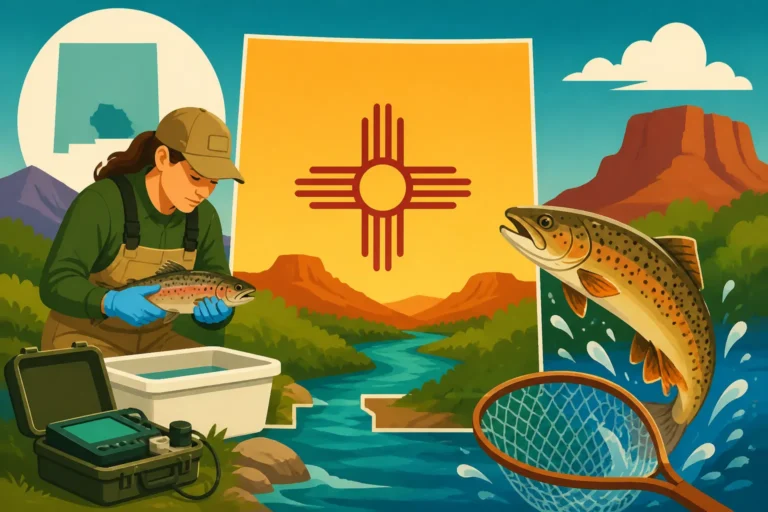
Even if you plan to keep your legal limit of Kokanee, practicing responsible angling and catch-and-release techniques when appropriate is important. During the main fishing season (spring through early fall), when Kokanee are actively biting lures, they can be delicate fish. If you intend to release fish, handle them as little as possible. Wet your hands before touching them to protect their slime coat, and use a rubberized net if possible to minimize scale damage.
When a Kokanee is brought up from deep water, it may suffer from barotrauma (pressure changes), which can make successful release difficult. Watch for signs like a distended stomach or bulging eyes. If releasing, try to revive the fish gently in the water, facing it into the current until it swims away under its own power. Conservation-minded anglers often use barbless hooks or pinch down barbs to make releases easier, especially when fishing in areas or seasons where catch and release is the primary goal. Remember, a healthy fishery relies on all anglers doing their part.
Planning Your Kokanee Trip to Heron Lake
A successful Kokanee trip to Heron Lake involves more than just knowing how to fish; it requires careful planning to ensure you have a smooth and enjoyable experience. From knowing where to launch your boat to checking the weather, a little preparation goes a long way.
Access Points and Facilities
Heron Lake State Park offers excellent access for anglers, with multiple boat ramps and designated fishing areas. The main boat ramps are typically well-maintained and capable of handling various boat sizes, including those with downriggers. Since Heron Lake is a no-wake lake, it's also very popular with kayak and canoe anglers, who can launch easily from many points along the shore. Make sure your boat is properly registered in New Mexico – you can find information on New Mexico Boat Titling and Registration if you need it.
Beyond boat launches, the state park provides other essential facilities such as restrooms, picnic areas, and often fish cleaning stations. There are also campgrounds available for those who wish to extend their stay right on the lake. Before heading out, it’s a good idea to check the New Mexico State Parks website for any current conditions or temporary closures that might affect access. For more information on staying right at the lake, consider Heron Lake Camping and Fishing Access.
Accommodations and Nearby Services
While Heron Lake State Park itself offers camping, there are also other accommodation options in the surrounding areas. Nearby towns like Tierra Amarilla or Chama might have lodges, motels, or cabin rentals, providing more comfortable stays if camping isn't your style. These towns can also be sources for last-minute fishing supplies, groceries, and dining options.
For specialized fishing gear, it's often best to plan ahead and order online, perhaps from a large retailer like Amazon, to ensure you have everything you need. However, local bait and tackle shops can be invaluable for up-to-the-minute advice on what's biting, current lake conditions, and local hot spots. Don't hesitate to visit one; the local knowledge can be priceless.
Checking Lake Conditions and Forecasts
Before embarking on your Heron Lake Kokanee adventure, always check the latest lake conditions and weather forecasts. Water levels can fluctuate, impacting boat launch accessibility and where fish might be holding. High winds, while less impactful due to the no-wake rule, can still make for uncomfortable fishing, especially in smaller craft. Heron Lake is at a significant elevation, so weather can change rapidly, and temperatures can be much cooler than in lower elevations, even in summer.
Look for reports on water temperature, clarity, and recent fishing success. Many state parks or local fishing forums provide updated information that can help you dial in your strategy. Being prepared for varying weather conditions – sun, rain, or even unexpected cold snaps – with appropriate clothing and gear, ensures a safer and more enjoyable trip. Always prioritize safety on the water, especially in the changing mountain environment.
Disclaimer
This article is for general informational purposes only and does not constitute professional advice. Laws, prices and regulations vary by location and change over time. Consult a qualified professional for guidance on your specific situation.