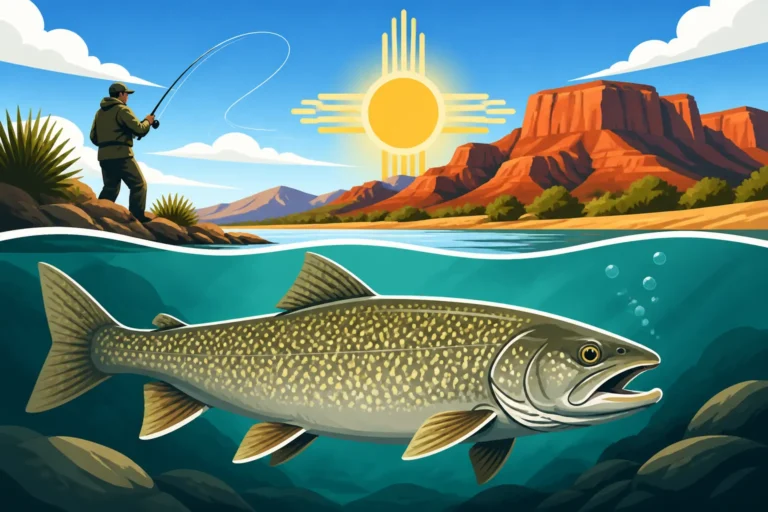
Largest Striped Bass Ever Caught at Elephant Butte Lake
Let's be honest, there's a special kind of thrill that comes with chasing truly massive fish, especially when you're talking about the behemoths that lurk beneath the waters of Elephant Butte Lake. We've all heard the whispers, seen the photos, and dreamed of that one epic battle. This guide is all about diving deep into the legend of New Mexico's biggest striped bass, exploring what it takes to land a fish that could become the catch of a lifetime, and celebrating the incredible angling opportunities this iconic lake offers.
The Allure of Trophy Striped Bass at Elephant Butte Lake
Elephant Butte Lake, a vast expanse of water stretching across south-central New Mexico, isn't just a scenic wonder; it's a fishing paradise renowned for its impressive striped bass population. For many anglers, the prospect of tangling with a powerful striper is the main draw, but the ultimate dream is often to hook into a true trophy – a fish so large it could break records or, at the very least, earn you serious bragging rights for years to come. The sheer size and fighting spirit of these fish make them a compelling target, drawing enthusiasts from all corners.
Elephant Butte's Reputation for Big Stripers
This magnificent lake didn't just stumble into its reputation for producing giant striped bass; it earned it. Elephant Butte Lake's extensive, deep waters, coupled with an abundant forage base of shad, create an ideal environment for stripers to grow to monumental sizes. Unlike many other species that might only reach a few pounds, striped bass here can pack on serious weight, often exceeding the 20-pound mark with regularity. This rich ecosystem means that if you put in the time and effort, your chances of encountering a true lunker are genuinely high. The lake's vastness also offers diverse habitats, from open water where schools of stripers chase baitfish to submerged structures and points where they ambush their prey. It's a complex fishery that rewards those who understand its nuances. You can learn more about this incredible fishery in our Elephant Butte Lake Fishing Guide.
What Makes a Striped Bass a "Trophy"
What exactly constitutes a "trophy" striped bass? For many, anything over 10 pounds is a respectable catch, especially if you're targeting them regularly. However, when we talk about trophy status, most seasoned anglers are eyeing fish in the 20-pound plus range. These are the fish that demand heavy tackle, tested knots, and often, a considerable amount of patience. A 30-pound striper is truly exceptional, and anything beyond that ventures into the realm of potential state records. These larger fish are typically older, wiser, and have survived countless encounters, making their capture an even more significant achievement. The sheer length and girth of these leviathans are what set them apart, making them a prize worth pursuing.
Unpacking the Legend: New Mexico's State Record Striped Bass
Now, let's get to the heart of the matter – the largest striped bass ever officially documented in New Mexico, which, of course, came from the legendary waters of Elephant Butte Lake. Every angler who fishes this lake has heard tales, but the official state record stands as the ultimate benchmark. It's the fish that every dedicated striper angler dreams of eclipsing.
The Record-Setting Catch Details
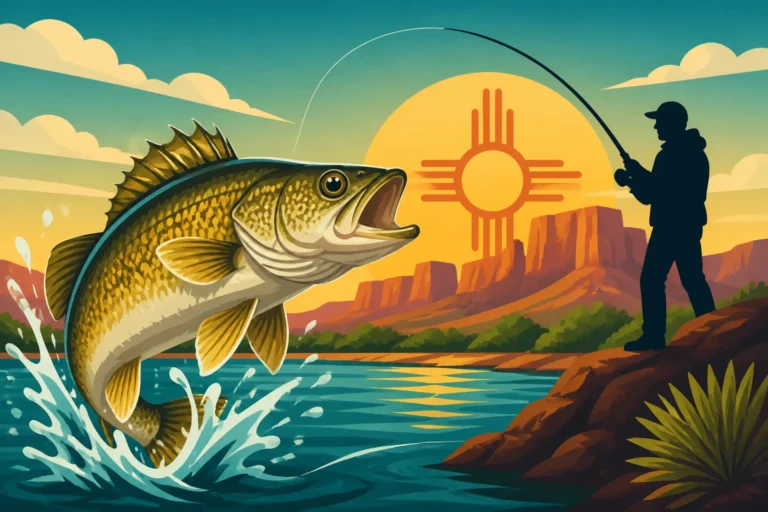
The New Mexico state record striped bass is an absolute monster, a true testament to the incredible potential of Elephant Butte Lake. This magnificent fish tipped the scales at a staggering 54 pounds, 8 ounces. Just imagine reeling in a fish of that magnitude! It was caught in the northern reaches of Elephant Butte Lake, a popular area for targeting larger stripers, and the angler used live bait, specifically a gizzard shad. While the exact date might vary over time in official records, the sheer size of this catch has remained the stuff of legend, etched into the angling history of the state. This fish didn't just break the previous record; it set a new standard, inspiring countless anglers to continue their quest for the next state record. It proves that there are truly massive fish swimming in New Mexico's waters, just waiting for the right angler and the right presentation. For more on this, check out our piece on New Mexico State Record Striped Bass.
The Thrill of the Fight
Landing a striped bass of any significant size is an exhilarating experience, but imagine the adrenaline surge of fighting a 50-plus pound fish. These aren't dainty trout; stripers are built for power and endurance. When a lunker striper hits your line, it's often with a jarring strike that can nearly rip the rod from your hands. Then begins a brutal tug-of-war. They make powerful, sustained runs, peeling line off your reel with incredible speed. You'll feel every head shake, every powerful kick of its tail as it tries to escape. The battle can be lengthy, exhausting both the angler and the fish, demanding strength, skill, and patience. Many an angler has described the experience as feeling like they've hooked a freight train. It's a fight that burns in your memory long after the fish is landed, whether it's kept or carefully released.
Strategies for Targeting Giant Striped Bass at Elephant Butte
If you're dreaming of your own trophy striped bass from Elephant Butte, you need more than just luck; you need a solid strategy. These big fish are smart, and they demand specific approaches.
Prime Times and Locations for Big Stripers
Success often hinges on timing and location. Generally, the best times of year to target trophy striped bass at Elephant Butte are during the cooler months of spring and fall.
- Spring: As water temperatures begin to rise (typically late March through May), stripers become incredibly active, gorging themselves after the leaner winter months. They'll often be found in shallower coves and points, chasing schools of shad.
- Fall: From September through November, the fish again enter a feeding frenzy as they prepare for winter. They can be found in similar areas as spring, but also in deeper water as baitfish schools move around.
- Summer: While possible, summer fishing for big stripers can be challenging due to high surface temperatures. The fish often move to deeper, cooler waters, making them harder to locate. Night fishing during the summer can be highly effective, as stripers will move shallower to feed under the cover of darkness.
As for locations, look for major points, submerged humps, deep river channels, and areas where large schools of shad are congregating. The northern end of Elephant Butte, near the main river channel, is historically a hot spot. Focus on areas with significant depth changes, as stripers love to use these as ambush points. Our article Best Time of Year to Catch Striped Bass at Elephant Butte offers even more seasonal specifics.
Essential Gear for Trophy Stripers
You can't bring a knife to a gunfight, and you certainly can't bring ultralight tackle when you're targeting a 30-pound striper. You need gear that can withstand immense pressure.
| Gear Category | Recommended Specifications | Why It Matters |
|---|---|---|
| Rod | 7-8 foot, Medium-Heavy to Heavy action, Fast tip | Power to control large fish, absorb shock, and cast heavy lures. |
| Reel | Baitcasting or Spinning reel, 4000-6000 size (spinning), 300-400 size (baitcasting) | High line capacity, smooth and strong drag system to handle powerful runs. |
| Line | 30-50 lb braided mainline, 20-40 lb fluorocarbon leader (3-5 ft) | Braid for sensitivity and strength; fluorocarbon for invisibility and abrasion resistance. |
| Lures | Heavy spoons, swimbaits (5-8 inches), topwater plugs, large crankbaits | Mimic shad, provide significant profile and vibration to attract big fish. |
| Live Bait Rig | Heavy-duty hooks (5/0-8/0 circle hooks), 1-3 oz egg sinkers, swivels | Securely hold bait, prevent line twist, and minimize gut-hooking for release. |
For rods and reels, think robust. A good quality medium-heavy rod paired with a strong, smooth-dragging reel is paramount. Brands like Ugly Stik for rods and Penn or Shimano for reels are popular choices for their durability. As for line, braided line in the 30-50 pound test range is a must for its sensitivity and strength, often paired with a fluorocarbon leader of slightly less test for stealth. You can find excellent options for all this gear on platforms like Amazon, making it easy to prepare for your trip.
When it comes to lures, consider large swimbaits that imitate the shad found in the lake, heavy casting spoons for jigging deep structure, and even substantial topwater plugs for explosive surface strikes during low-light conditions. If using live bait, focus on gizzard shad, which are a primary food source for stripers in the lake. Make sure your hooks are sharp and strong – nothing worse than losing a trophy fish to cheap tackle. For more specialized gear, explore our Best Fishing Gear for New Mexico Anglers.
Techniques for Landing a Lunker
Landing a truly large striped bass requires a blend of technique and patience.
- Trolling: This is one of the most effective methods for covering large expanses of water and locating schools of stripers. Use large crankbaits, swimbaits, or even umbrella rigs, set to different depths using lead core line or downriggers. Pay close attention to your fish finder to identify bait balls and suspended stripers. Adjust your speed and depth until you start getting bites. Trolling Techniques for New Mexico Lakes can offer more insights.
- Live Bait Fishing: This is often the go-to method for targeting the absolute biggest stripers, as evidenced by the state record. Use fresh, lively gizzard shad (or other local baitfish) caught with a cast net. Present them on a weighted Carolina rig or free-lined near deep points, humps, or over baitfish schools. The key is to keep your bait active and where the stripers are.
- Casting and Jigging: When stripers are actively chasing bait near the surface or holding on specific structure, casting large swimbaits, spoons, or topwater lures can be incredibly effective. Watch for bird activity or surface commotion, which often indicates a feeding frenzy. For deeper fish, vertical jigging heavy spoons or large soft plastics can entice strikes.
- Fight Strategy: Once hooked, maintain constant pressure. Stripers will try to run to deeper water or wrap around structure. Use your rod to guide the fish, pumping and reeling to gain line. Don't horse the fish too hard, especially if you plan to release it, as this can exhaust it quickly. A steady, deliberate fight is key.
Respecting the Resource: Catch and Release for Future Giants
Catching a truly massive striped bass is an incredible accomplishment. However, if you're not planning to keep your fish, practicing proper catch and release techniques is absolutely vital to ensure these magnificent creatures can continue to thrive and contribute to the fishery. The future of trophy striper fishing in Elephant Butte depends on responsible angling.
Best Practices for Handling Large Fish
Handling a large, powerful fish like a 50-pound striper requires care and planning to maximize its chances of survival upon release.
- Minimize Fight Time: While it's a thrilling battle, try to land the fish as quickly as possible without overstressing your tackle. Prolonged fights can exhaust a fish to the point of no return.
- Keep It Wet: The most crucial rule for catch and release. Avoid dragging the fish onto dry land or boat decks, which can remove its protective slime layer and damage its internal organs. Use a large, knotless rubberized landing net or cradle to bring the fish alongside the boat.
- Gentle Handling: Support the fish horizontally, especially large ones. Avoid hanging it vertically by the jaw or tail, which can cause severe internal damage. If you need to lift it for a photo, use two hands, one supporting the head and the other under the belly.
- Quick Hook Removal: Use long-nosed pliers or a de-hooking tool to quickly and gently remove the hook. If the fish is deeply hooked, it may be better to cut the line as close to the hook as possible, as the hook will often rust out. Using barbless hooks or crushing the barb on your hooks can make removal much easier.
- Revival: If the fish seems stressed or lethargic, hold it upright in the water, facing into the current (if any), until it regains its strength and can swim away under its own power. Don't just toss it back; make sure it's ready. You can find more guidelines in our New Mexico Catch and Release Regulations guide.
Documenting Your Catch
We all want to remember that epic catch! But you can get fantastic photos and measurements without harming the fish.
- Prepare Your Camera: Have your camera or phone ready before you land the fish. This minimizes the time the fish is out of the water.
- Quick Photos: Get your shots quickly. A good rule of thumb is to hold your breath; if you need to breathe, the fish needs to be back in the water.
- Measurement Boards: Consider using a measuring board that can be wetted down and placed on a flat surface in the boat. This allows for accurate length measurements without undue stress on the fish. You can also get a weight from a quality scale, carefully zeroed, and ensure the fish is well-supported.
- Angle for Perspective: To make your fish look its best (and biggest!) in photos, get low to the water, hold the fish towards the camera, and have someone else take the picture. Just remember to always prioritize the fish's well-being.
Chasing the next record-breaking striped bass at Elephant Butte Lake is a thrilling endeavor. With the right knowledge, gear (perhaps some great finds from Amazon!), and a deep respect for the fish, you too might just experience the fight of a lifetime. Always remember to check the New Mexico Fishing Regulations Overview before heading out to ensure you're compliant with all current rules.
Disclaimer
This article is for general informational purposes only and does not constitute professional advice. Laws, prices and regulations vary by location and change over time. Consult a qualified professional for guidance on your specific situation.