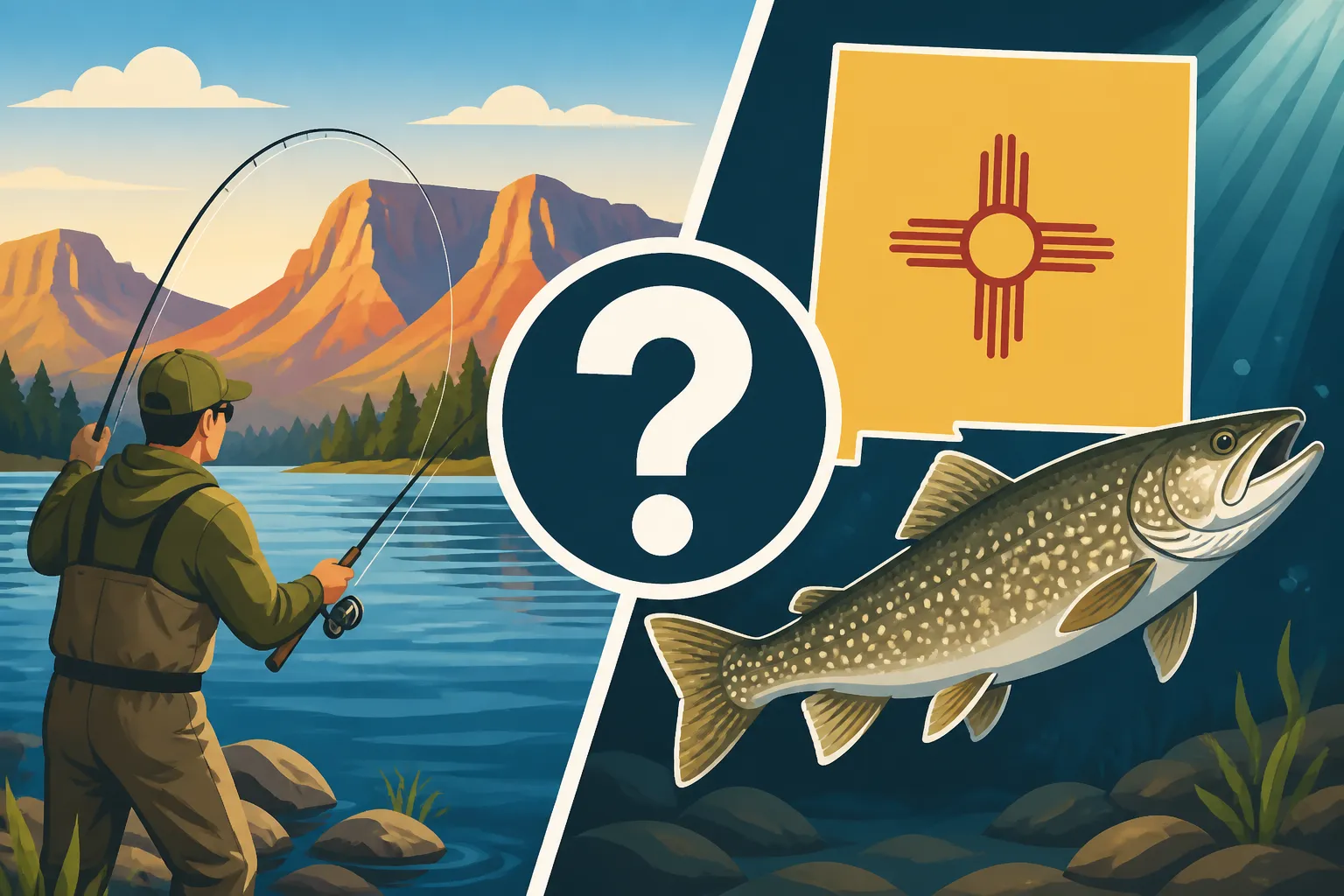
Are There Lake Trout in New Mexico?
Many anglers, especially those new to the high desert landscapes, wonder if the vast, cold waters of New Mexico might hold the elusive and impressive lake trout. It's a valid question, given their reputation as powerful, deep-water predators. While not as widespread as their rainbow or brown trout cousins, the answer is a resounding "yes!"—New Mexico indeed harbors populations of lake trout, offering a unique challenge for those willing to seek them out. This guide will dive deep into where you can find these magnificent fish, how to target them, and what makes fishing for them in New Mexico such a distinct experience.
The Truth About Lake Trout in New Mexico's Waters
When you think of New Mexico, images of arid landscapes and warm-water species might come to mind, but our state boasts some incredible cold-water fisheries. Lake trout, often called "lakers," are a fascinating part of that ecosystem, though they certainly aren't found in every lake. They require very specific conditions: deep, cold, oxygen-rich waters, which are somewhat scarce in our land of enchantment. But where they do exist, they thrive, offering a thrilling pursuit for dedicated anglers.
Where Lake Trout Are Found (and Not Found) in New Mexico
If you're dreaming of tangling with a true laker, there's one primary destination that should be at the top of your list: Heron Lake. Nestled in northern New Mexico, Heron Lake is renowned for its deep, clear, and exceptionally cold waters, making it the perfect habitat for lake trout. This reservoir is the jewel in the crown for laker enthusiasts, offering the best chance to encounter these powerful fish. While other waters in New Mexico might occasionally yield a surprise trout, Heron Lake is specifically managed to support a robust population of lake trout. You won't typically find them in the more popular, warmer reservoirs like Elephant Butte or Conchas Lake, which are better known for bass and walleye. Their specific environmental needs confine them to these particular, cooler havens.
Identifying Lake Trout
So, you're at Heron Lake, you've got a tug on your line—how do you know if it's a lake trout? Lakers have a distinct appearance that sets them apart from rainbow, brown, or even brook trout. They typically have a sleek, elongated body with a deeply forked tail, which is a key identifying characteristic. Their coloration can vary, often appearing dark green, gray, or brown on their backs, fading to lighter shades on their sides and bellies. They are covered in numerous light spots, which are typically smaller than the spots on a brown trout and can sometimes be worm-like (vermiculations) on their backs, although this is more common in brook trout. Their mouths are generally larger than other trout species, extending past the eye, and they possess strong teeth, indicative of their predatory nature. When you reel in one of these magnificent fish, their sheer size and power will often be the first clue! For a broader look at the finned residents of our state, check out Fish Species Found in New Mexico.
Why New Mexico has Lake Trout (and their history)
The presence of lake trout in New Mexico isn't a natural phenomenon; it's the result of strategic stocking efforts by the state's wildlife department. Back in the day, the vision was to create a trophy fishery in specific, suitable reservoirs, and Heron Lake fit the bill perfectly. These fish aren't native to New Mexico's waters; they were introduced to take advantage of the deep, cold environment and provide a unique angling experience. The New Mexico Department of Game and Fish carefully manages these populations, often through ongoing stocking programs, to ensure their health and to provide consistent opportunities for anglers. Their survival and growth in a place like Heron Lake are a testament to how well they've adapted to this particular niche, making them a valued, albeit introduced, game fish.
Fishing for Lake Trout in New Mexico: Techniques and Tips
Fishing for lake trout in New Mexico is a vastly different experience than casting for rainbows in a mountain stream or jigging for crappie in a warmer lake. These are deep-water dwelling fish for much of the year, preferring the frigid depths, which means you'll need specialized gear and a methodical approach. It's a game of patience, precision, and understanding the unique underwater world of a deep reservoir like Heron Lake.
Gear and Tackle for Deepwater Action
To successfully target lake trout, you'll need to equip yourself for deep-water angling. A stout spinning or baitcasting rod, typically 6 to 7 feet in length with a medium-heavy to heavy action, is essential to handle both heavy weights and powerful fish. Pair this with a robust reel spooled with 15-30 lb braided line, which offers sensitivity and strength, and a fluorocarbon leader of 10-20 lb test for stealth.
When it comes to lures, anything that gets down deep and mimics forage fish is key. Heavy spoons like the Johnson Silver Minnow, Kastmaster, or specialized deep-diving crankbaits are popular. Jigging spoons and large soft plastic swimbaits rigged on heavy jig heads (1/2 oz to 1 oz+) also work wonders. Downriggers are practically a necessity for consistently getting your lures into the thermocline where lakers often hold. These devices allow you to precisely control the depth of your lure, ensuring it's right in the strike zone. You can find a good selection of these specialized lures and equipment on platforms like Amazon, often with reviews from other anglers that can guide your choices. For more general advice on what to bring, consider our Best Fishing Gear for New Mexico Anglers.
Here's a quick look at some popular deepwater lures for lake trout:
| Lure Type | Best Conditions | Retrieval Style | Notes |
|---|---|---|---|
| Heavy Spoons | Deep, clear water | Jigging, slow trolling, casting | Mimics injured baitfish, highly reflective |
| Deep-Diving Crankbaits | Trolling | Consistent speed, varying depth | Excellent for covering water, often dives 15-30ft+ |
| Jigging Spoons | Vertical jigging | Lift and drop | Effective over structure, good for schooling fish |
| Soft Plastic Swimbaits | Vertical jigging, slow retrieve | Erratic movements | Versatile, can be scented, realistic profiles |
| Tube Jigs | Vertical jigging | Drop and flutter | Mimics crayfish or baitfish, very effective |
Seasonal Strategies and Best Times
Lake trout behavior changes significantly with the seasons, largely dictated by water temperature.
- Spring: As the ice thaws (if applicable), lake trout might move into shallower waters (20-40 feet) briefly before the surface warms up too much. This can be a prime time for casting spoons or jigging near drop-offs.
- Summer: This is when lakers retreat to the deepest, coldest parts of the lake. You'll need downriggers, lead core line, or heavy jigging setups to reach depths of 50-100 feet or more. Early morning and late evening bites can be productive even in summer heat.
- Fall: Similar to spring, as surface temperatures cool, lake trout may become more active and venture into shallower water, especially around rocky structures for spawning. Trolling closer to shorelines or jigging over submerged reefs can be effective.
- Winter (Ice Fishing): Heron Lake is a popular spot for ice fishing, and lake trout are a prime target. Vertical jigging with heavy spoons or tube jigs through the ice is a common and often highly successful method. Understanding ice thickness and safety is paramount when engaging in Ice Fishing in New Mexico.
No matter the season, always pay attention to depth finders to locate fish and structure. Lake trout are often found near submerged humps, points, and old river channels. For more on how fish behave throughout the year, our New Mexico Fishing Season Calendar can be a great resource.
Navigating Heron Lake for Lake Trout
Heron Lake, being the primary destination for lake trout, demands specific attention. It's a large body of water, and finding these deep-dwelling fish can be challenging without some local knowledge or modern electronics. When planning your trip to Heron Lake Fishing Guide, focus your efforts on the deeper basins and areas with significant underwater structure. Look for sudden drop-offs, submerged cliffs, and humps using your fish finder. These are the highways and hangouts for lakers.
Trolling with downriggers is arguably the most effective way to cover water and present your lures at precise depths. Experiment with different speeds and lure colors until you find what triggers a bite. For jigging, especially during ice fishing season or when you've marked fish on your sonar, position your boat directly over the target and work your jig with a series of lifts and drops, mimicking an injured baitfish. Remember, the clear waters of Heron Lake mean that stealth is often rewarded; use lighter leaders and avoid excessive noise.
Regulations and Conservation for Lake Trout Anglers
Fishing for any species in New Mexico comes with a responsibility to understand and abide by the regulations, and lake trout are no exception. These rules are in place not just to manage fish populations but also to ensure a sustainable fishery for future generations. Ignoring them can lead to significant penalties, which is something no one wants on a peaceful fishing trip. You can always refer to the official New Mexico Fishing Regulations Overview for the most current information.
Bag and Possession Limits
Specific bag and possession limits are set for different fish species, and lake trout often have their own distinct rules. It's crucial to check the most recent New Mexico Department of Game and Fish regulations booklet or their website before you head out. These limits can change, sometimes annually, and vary by water body. For lake trout, the limits are typically designed to allow for some harvest while protecting the population, especially larger, older fish that contribute significantly to the fishery. Never assume the limit is the same as for rainbow trout or other species; always double-check for lake trout specifically, particularly when fishing at Heron Lake. Exceeding these limits is a violation and can lead to fines and loss of fishing privileges.
Catch and Release Best Practices
While keeping a legal-sized lake trout for dinner is a wonderful experience, practicing catch and release, especially for larger specimens, helps maintain the quality of the fishery. Lake trout are slow-growing, and larger fish are vital for reproduction. If you plan to release a lake trout, especially one caught from deep water, follow these best practices:
- Minimize Fight Time: Bring the fish in as quickly as possible to reduce exhaustion.
- Handle With Care: Use wet hands or a wet, rubberized net. Avoid touching the fish's gills or eyes.
- Barbless Hooks: Consider using barbless hooks, which make removal much easier and cause less damage. If using barbed hooks, have a de-hooking tool ready.
- Deep-Water Release: If you catch a fish from very deep water (often 50 feet or more), it may suffer from barotrauma (swim bladder expansion). If the fish cannot swim back down on its own, consider using a descending device or fizzing needle to help it recompress and survive. Not all species handle this well, but it can sometimes aid lake trout.
- Quick Release: Get the fish back into the water as quickly as possible. Hold it gently facing into the current until it can swim away under its own power.
These practices ensure that the fish you release have the best chance of survival, contributing to a healthier fishery for everyone.
Protecting New Mexico's Unique Fisheries
The waters of New Mexico, with their diverse fish populations, are a precious resource. Lake trout, being an introduced species that thrives in specific conditions, are part of that unique tapestry. Anglers play a critical role in conservation. By understanding and following regulations, practicing ethical angling, and being mindful of our impact on the environment, we can help preserve these opportunities. This includes properly disposing of trash, preventing the spread of aquatic invasive species, and respecting private land boundaries. Every angler's actions contribute to the overall health and enjoyment of New Mexico's fishing spots, from the high mountain streams holding native cutthroat to the deep, cold lakes home to formidable lakers.
Beyond Lake Trout: Other Cold-Water Giants in New Mexico
While lake trout offer a thrilling chase for those who love deep-water challenges, New Mexico's cold-water fisheries don't stop there. The state is blessed with an incredible variety of cold-water species, many of which are more accessible and equally rewarding to pursue. Understanding these other species will round out your angling adventures and provide more opportunities to wet a line.
Other Trout Species You'll Encounter
New Mexico is famous for its diverse trout fishing, offering a range of experiences from urban ponds to remote wilderness streams.
- Rainbow Trout: These are the most commonly stocked trout in New Mexico, found in countless lakes, rivers, and even urban ponds. They are aggressive biters and offer excellent sport, especially for beginners. Many waters in New Mexico, including segments of the mighty Rio Grande and several state park lakes, are regularly stocked with rainbows. You'll find detailed guidance on where and how to catch these fish in our How to Catch Trout in New Mexico guide.
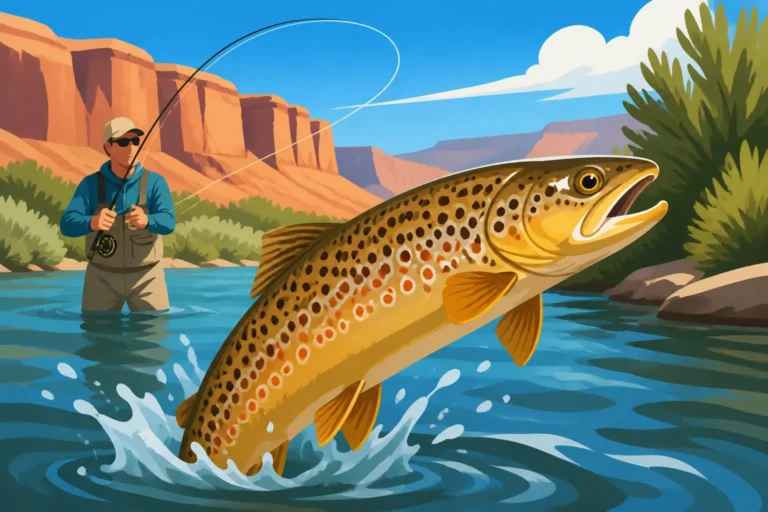
- Brown Trout: Known for their wariness and impressive size, brown trout prefer colder, faster-moving rivers and often grow larger than rainbows in wilder environments. They are common in rivers like the San Juan River Quality Waters, the Rio Chama, and sections of the Pecos. They can be elusive, making them a prize for experienced fly anglers.
- Rio Grande Cutthroat Trout: As New Mexico's state fish, these native trout are a treasure. They inhabit pristine, high-elevation streams and require special care due to their conservation status. Finding them often involves a hike into the wilderness, but the reward of catching a truly indigenous fish in its natural habitat is unparalleled. Learning about Trout Species in New Mexico will give you a deeper appreciation for our finned residents.
Targeting Other Large Cold-Water Fish
Beyond the various trout species, New Mexico's cold and cool-water lakes are also home to other impressive game fish that offer a substantial fight.
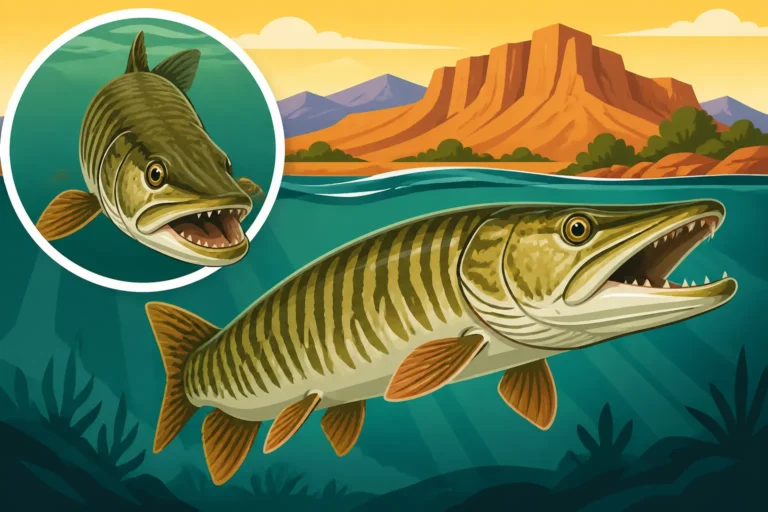
- Tiger Muskie: These aggressive, sterile hybrids (a cross between a northern pike and a muskie) were introduced to lakes like Bluewater Lake and Storrie Lake to help control populations of unwanted or invasive fish, and they've become a highly sought-after trophy fish. Known for their explosive strikes and powerful battles, targeting Tiger Muskie in New Mexico requires heavy tackle and specialized large lures. They are a true test of an angler's skill and patience, often growing to considerable sizes.
- Kokanee Salmon: For those who love trolling, Kokanee salmon are an excellent target. These landlocked sockeye salmon are stocked in deep, cold lakes such as Navajo Lake and Heron Lake (the same spot you'd find lake trout!). They are known for their schooling behavior and delicate bite, making them a fun challenge. Trolling with dodgers and small lures or flies is the most common technique for Kokanee Salmon Fishing in New Mexico. They offer a fantastic opportunity for a tasty catch and add another dimension to New Mexico's diverse cold-water fishing scene.
Exploring all these species allows an angler to truly experience the breadth of what New Mexico fishing has to offer, adapting techniques and gear to the unique characteristics of each fish and its habitat.
Disclaimer
This article is for general informational purposes only and does not constitute professional advice. Laws, prices and regulations vary by location and change over time. Consult a qualified professional for guidance on your specific situation.